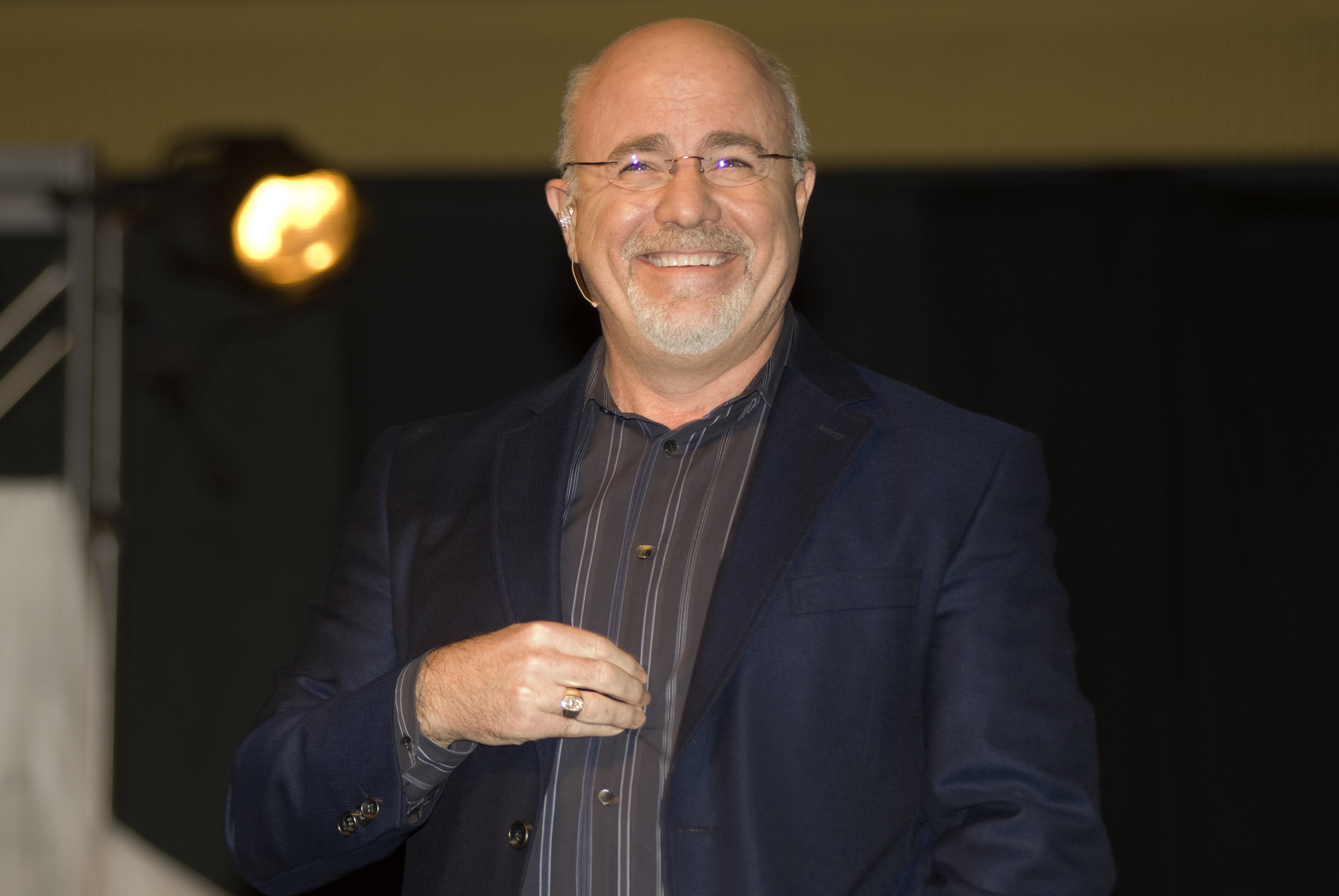
‘I Just Filled My Truck Up Yesterday and It Put Me in Such a Bad Mood’: Delony Urges $40K Walmart Worker to Drive Rideshare
Dr. John Delony's rideshare advice sounds like a solid wealth-building sprint for a 43-year-old Walmart worker with no investments, but the math on what each mile actually costs changes the picture fast.

This post may contain links from our sponsors and affiliates, and Flywheel Publishing may receive compensation for actions taken through them.

Dr. John Delony had just handed a 43-year-old caller his fast track to wealth: drive rideshare at night. During that section of The Ramsey Show, the co-host described his own trip to the pump: “I just filled my truck up yesterday and it put me in such a bad mood.”
The caller, James, works at a Walmart (NYSE:WMT | WMT Price Prediction) distribution center. He makes $40,000 a year, has $10,000 saved and no debt, and owns a house paid off through an inheritance. He has nothing invested. Delony told him to drive rideshare in the evenings, work two, three or four jobs, and pause his life for 18 months in “a short, maniacal sprint.”
Regular gas averaged $4.46 a gallon in the week ending September 28. That is up $1.29 from a year earlier and sits just under the $4.50 peak set on May 11. Every mile James drives for an app gets paid for at that price.
Rideshare at $4.46 Gas Can Pay Less Than $5 an Hour
The sprint is a sound idea. Rideshare is the worst way to run it right now, because it’s the one side job that burns through your own car.
Start with fuel. Take an example car that gets 25 miles per gallon. At today’s price, each mile costs about 18 cents in gas. When gas bottomed at $2.78 in January, that same mile cost about 11 cents. James would be starting his sprint after fuel costs have risen sharply.
Gas is only part of the bill. The IRS raised its business mileage rate in July to 76 cents per mile, up from 72.5 cents, specifically because gas costs kept rising. That rate is the government’s estimate of what a mile really costs once you add depreciation, tires, maintenance and insurance.
Now run an example shift. Say James makes $20 an hour and drives 20 miles an hour, counting the empty miles between pickups.
After gas alone, he keeps about $16 an hour. After the full 76-cent cost, he keeps $4.80.
Stretch that over Delony’s 18 months at 15 hours a week, or 1,170 hours. Counting only gas, James clears about $19,221.
Once you count wear on the truck, the sprint is worth about $5,616. Most of the gap shows up later, as a worn-out vehicle that he has to replace.
Overtime Without the Odometer Beats the App
The key factor is whether James’s extra hours use up his own vehicle.
His salary works out to about $19 an hour over a standard work year. Overtime at time and a half pays about $29. If his distribution center offers extra shifts, the same 1,170 hours bring in roughly $33,750 before taxes. His truck stays in the parking lot the whole time.
Rideshare also makes him self-employed. He owes self-employment tax on his profit. He can deduct mileage, which cuts that tax bill, but the deduction never gives him back the cash he spent at the pump.
James Already Has the Money Kamel Asked For
Co-host George Kamel showed James that $700 a month invested from 43 to 67 grows to $832,000.
More than $600,000 of that comes from compound growth, assuming a 10% annual return.
At $1,000 a month, the total reaches nearly $1.2 million.
James said he could free up about $700 a month from what he makes now. So Kamel’s base case needs no side hustle. The sprint is extra money on top, and how much extra depends on what each hour costs him to makes.
Steps James Can Take This Month
- Ask about overtime first. Before downloading a driver app, ask his shift manager about overtime or a second shift. Every hour at time and a half nets more than the rideshare example, and it costs him nothing in fuel or wear.
- Figure out his real cost per mile. If he drives anyway, he should divide each fill-up’s cost by the miles he drove on that tank. He should treat 76 cents as his full cost and turn down rides that pay less than that per mile, empty miles included.
- Automate the $700 now. He should set up an automatic $700 monthly transfer into a retirement account this payday. Waiting until the sprint ends gives up 18 months of compounding.
- Move side income out of checking. At the end of each month, he should transfer all side earnings into his investment account. This sends the extra money straight toward building wealth.
Working harder for 18 months makes the most sense in work that leaves his truck parked while gas sits near this year’s peak.
Contact [email protected] for any questions or corrections.
Jake has been been working in financial media for almost 15 years. He focuses on all things personal finance for 24/7 Wall St. with high hopes to educate and entertain. Most recently, Jake spent 12 years working various roles at The Motley Fool. He started copy editing fool.com content, worked on premium and marketing campaigns, and helped launch The Ascent, a personal finance brand.
His work has been featured on platforms like MSN, Yahoo Finance, USA Today, and more. He's written about credit cards, social security, ETFs, savings accounts, and just about anything else you can imagine when thinking about money. Jake love to cook, play golf, and tell people he's never had a cavity. (It's true!)