The Pharmacy’s Cash Price for Her Generic Will Be $11. Her Part D Plan Will Charge $47. Paying Cash Will Save $36 but Won’t Count Toward Her $2,400 Out-of-Pocket Cap
Paying cash for a cheaper generic feels like a win at the pharmacy counter, but that decision can quietly work against a Medicare enrollee later in the year when drug costs climb and the out-of-pocket cap matters most.

This post may contain links from our sponsors and affiliates, and Flywheel Publishing may receive compensation for actions taken through them.

Imagine a retired person on Medicare handing her prescription to the pharmacist and hearing two prices for the same generic. Her Part D plan wants $47. The cash price is $11. She pays cash, saves $36, and walks out feeling like she outsmarted the system.
Most of the time she did. But because this $11 purchase went outside her Part D benefit and was never submitted to the plan, it moves her zero dollars closer to the Part D out-of-pocket cap. If her drug year turns expensive later, the fill that looked like a win at the counter can cost her later in the year.
Why the Cheaper Price May Never Reach Your Part D Plan
Part D keeps score through claims and other drug-cost information reported to the plan. When the pharmacy runs a covered drug through her plan, the plan records her cost sharing, and that amount generally counts toward her annual cap. A purchase made outside the plan does not automatically get that treatment. Medicare says purchases made with outside discount cards instead of the Part D plan do not count toward the deductible or out-of-pocket maximum.
Cash purchases can be trickier. Some plan materials tell members to submit receipts for certain covered drugs bought at network pharmacies at a special cash price. Her Explanation of Benefits shows what the plan has actually counted, so if a cash fill is missing, she should ask whether the receipt can be submitted before assuming the purchase is lost for the year.
A Rising Cap Makes Counted Dollars Worth More
The Part D cap is $2,100 in 2026 and rises to $2,400 in 2027. Once she reaches it, she owes nothing more for covered drugs for the rest of that year. Every dollar that counts brings that cutoff closer.
Picture two versions of her. In the first, she takes only cheap generics all year and never gets near the cap. Credit toward a ceiling she will never touch is worth nothing to her. In the second, a spring diagnosis puts her on a pricey brand-name drug.
Now each counted copay from January brings forward the date her costs stop. For her, a $47 copay that counts replaces a dollar she would otherwise pay later in the year. The $11 cash fill buys the medicine and nothing else.
The higher cap in 2027 means a heavy drug user spends more before relief kicks in, which makes keeping her counted spending complete matter even more.
When Paying Cash Is the Smarter Move
If she is unlikely to benefit later from credit toward either her drug deductible or the annual cap, cash can still win when it costs less. Pocketing $36 on a regular fill adds up to real money across a year, and she may be giving up credit she would never use.
Don’t assume the insurance price is always the lower one. Generic cash prices often beat plan copays, especially early in the year when she may still be paying toward her plan’s deductible. Compare each recurring prescription separately. One drug may favor cash while another costs less through the plan.
Some outside help does count. Medicare.gov notes that contributions from State Pharmaceutical Assistance Programs may count toward the out-of-pocket limit, depending on each program’s rules. New York’s EPIC program is one example local officials are currently promoting to seniors. Unlike a discount card, a program like that can lower her costs and still move her toward the cap.
Price the Whole Year Before Choosing Cash Again
One fill tells her little. Her full drug year tells her what to do. Three moves settle it:
- Ask for both prices at every fill. Pharmacists can quote the plan price and the cash price side by side. Write both down for each recurring drug.
- Forecast her odds of reaching the cap. Check year-to-date progress on her Explanation of Benefits. If a new brand-name drug or another expensive prescription looks likely, running her covered fills through the plan becomes more valuable because the counted spending can move her toward the cap. If her list is short and cheap, cash can be the default.
- Keep receipts and never double-dip. Don’t run the same purchase through a discount card and a Part D claim as if both paid for it. Save receipts in case she later needs to show what she paid and how.
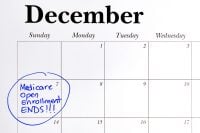
Timing helps here too. Medicare open enrollment is underway, and drug pricing policy keeps changing how Part D plans price and cover drugs. If her plan keeps charging more than the cash price for her generics, that is a reason to compare other plans and pharmacies. Before re-enrolling, she should plug her exact prescription list into Medicare’s Plan Finder and see whether another plan lowers her annual drug costs while keeping those purchases inside Part D. Formulary quirks are only one of several Medicare traps that quietly add up (we mapped out the rest, from Income-Related Monthly Adjustment Amount (IRMAA) surcharges to coverage gaps, in a free Medicare guide here).
Paying cash can save her money today and still cost her later. The right choice for the next fill depends on whether she expects a cheap drug year or an expensive one, and she should answer that before she pays cash again.
Contact [email protected] for any questions or corrections.
Gerelyn Terzo is the author of dividend investing handbook "Dividend Investing Strategies: How to Have Your Cake & Eat It Too." A veteran financial journalist, she covers agri-finance for outlets like Global AgInvesting and the broader stock market and personal finance for 24/7 Wall Street. She began at CNBC and later helped launch Fox Business in New York. Gerelyn currently resides in Woodland Park, Colorado and dabbles in nature photography as a hobby.