The IRS Will Give Any Taxpayer a Six-Digit PIN That Blocks a Return Filed in Your Name. Opt In and the Agency Won’t Accept a Return Without It, Including Yours If You Lose the Number
The IRS quietly rolled out a voluntary fraud lock that stops anyone from filing a return in your name, but the same lock can freeze you out of e-filing your own taxes if you lose one six-digit number.

This post may contain links from our sponsors and affiliates, and Flywheel Publishing may receive compensation for actions taken through them.

Picture a retiree who signs up for extra IRS fraud protection after her bank warns her about a data breach. The next February, her tax software sends her return back within hours. The reason is a short code printed on a January letter that she filed away with the junk mail.
That code is the IRS Identity Protection PIN, or IP PIN. IRS publications describe it as a six-digit number that prevents someone else from filing a tax return with your SSN. Once you opt in, that lock applies to you too. If you don’t have the current PIN, you can’t e-file.
Congress Ordered a Six-Digit Lock for Every Taxpayer
The PIN comes from the Taxpayer First Act. According to the IRS, the law requires the Secretary to establish a program to issue an IP PIN to any U.S. resident who requests one. The IRS opened the program to any taxpayer nationwide in 2021. Today, any taxpayer with a Social Security number (SSN) or individual taxpayer identification number (ITIN) can opt in at IRS.gov/IPPIN.
Each PIN lasts one year. The IRS refreshes IP PINs every January. The new number arrives on Notice CP01A and also appears in your IRS Online Account.
The lock covers every enrolled person on the return: the primary taxpayer, a spouse on a joint return, and a dependent listed on the return.
Lose the PIN and Your E-Filed Return Gets Rejected
If you leave the PIN off or type in last year’s number, the e-file system rejects the return. Tax software labels this rejection IND-181-01. You have three ways forward:
| Route | What It Takes | Result |
|---|---|---|
| Online tool at IRS.gov/IPPIN | An IRS Online Account, a government photo ID and a selfie for identity matching | Current PIN shows on screen |
| Phone: 800-908-4490 | Specialized assistance, Monday to Friday, 7 a.m. to 7 p.m. local time | PIN reissued by mail |
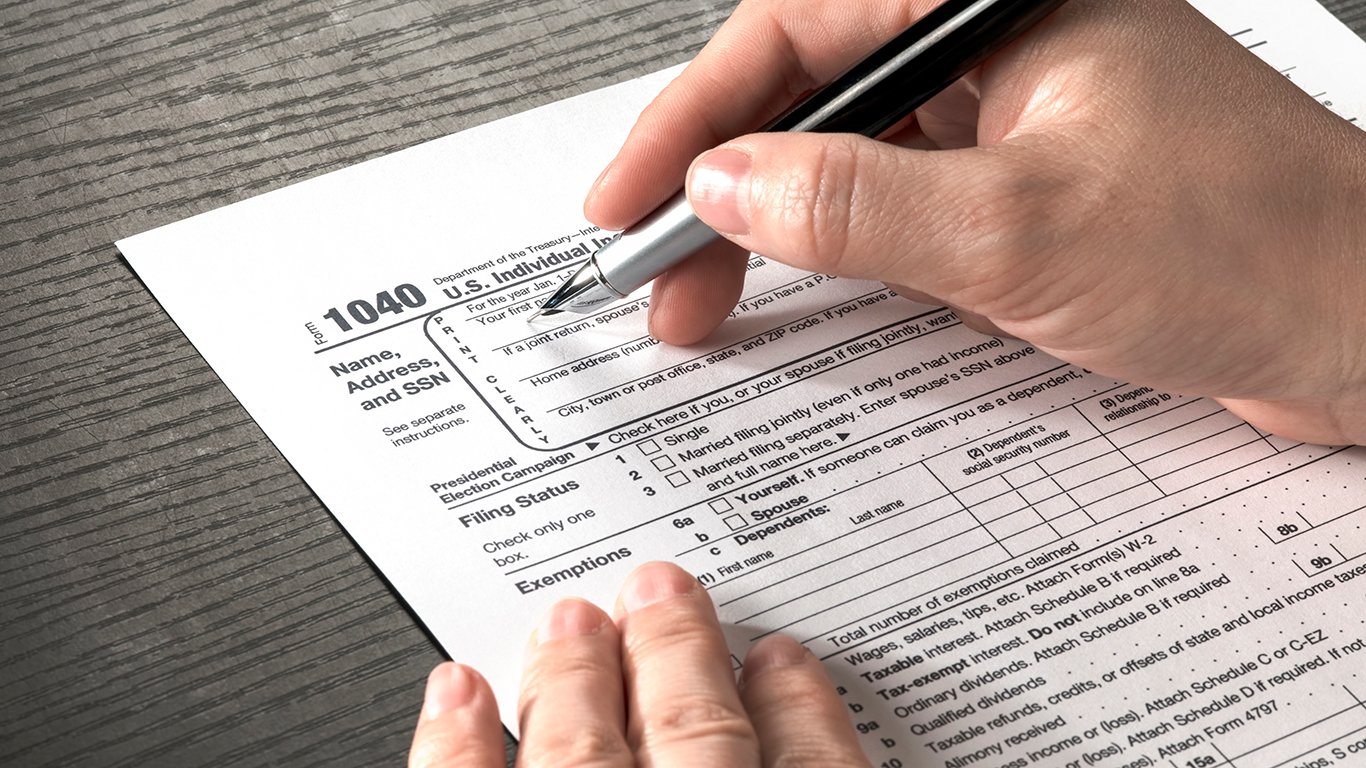
| Paper return with no PIN | Print, sign and mail your Form 1040 | Extra identity screening that delays processing and your refund |
Paper Filing Works but Slows Your Refund
If neither recovery option works in time, you can still file on paper. TaxSlayer’s guidance tells users who can’t find the PIN that they must print, sign, and mail the return. Since that return has no PIN, the IRS runs additional screenings to validate your identity, and that will delay processing of your return and your refund.
So a missing PIN blocks e-filing entirely. Filing on paper means the IRS takes your envelope and holds your refund until it confirms you’re you. If you count on that refund early in the year, the delay is what losing the PIN costs you.
Without the PIN, the risk is worse. Many identity theft victims first find out when their tax return is rejected as a duplicate filing because a thief already claimed the refund. Sorting out that can bring 6+ month processing delays, according to a CPA firm’s guidance.
Who Can Drop the PIN and Who Is Locked In
If you enrolled voluntarily and have never been a victim, the IRS now offers an opt-out option through your online account. The IRS keeps confirmed victims enrolled: “Because of security risks, confirmed identity theft victims cannot opt out of the IP PIN program.”
If you can’t pass the online identity check, you can request a PIN on Form 15227, which comes with an income cap. Another option is requesting one in person at a Taxpayer Assistance Center.
The PIN protects your federal individual return only. Your state runs its own fraud screens, so check with your state revenue department.
Three Moves to Make Before Your January PIN Arrives
- Set up your IRS Online Account now. The photo ID and selfie check is the slowest step. Get it done in the fall, before filing season.
- Store the PIN as soon as Notice CP01A arrives. Use a password manager or a locked file, and share the number only with your preparer. The IRS doesn’t initiate contact with taxpayers by email, text messages (including shortened links), telephone calls, or social media channels to ask for PINs, so anyone who asks that way is a scammer.
- Collect every PIN in your household before you file. If your spouse or a dependent is enrolled, your joint return needs each of their current numbers.
The most common mistake is recycling last year’s number. That PIN expired in January, and the IRS treats it the same as a blank box. As TaxSlayer warns, “Do not use the number from a prior year, as the return will be rejected.”
Contact [email protected] for any questions or corrections.
Vilma Rios is a tax professional and tax content contributor with more than 15 years of experience in tax and accounting. She specializes in federal tax research, tax education, and translating complex tax rules into clear, practical information for individuals, families, and small-business owners.
Vilma is a Content Tax Contributor II with the National Association of Tax Professionals (NATP), where she contributes to tax education and professional content. She has also presented tax information through webinars, including Spanish-language tax education, and has appeared on Telemundo 47 discussing tax topics and helping viewers understand important tax-filing requirements.
Her experience also includes tax and accounting work, tax research, IRS-related matters, and public tax education. While in college, Vilma volunteered in an IRS-sponsored tax assistance program and was recognized for her community service by local and state officials.
Known as “Your Tax Geek,” Vilma is passionate about making taxes easier to understand and helping people navigate an increasingly complex tax system.