Medicare Covers One Pair of Diabetic Shoes a Year. Missing Paperwork Drove 85.5% of Improper Payments. Her Diagnosis Alone Won’t Get the Bill Paid
Medicare offers a shoe benefit for people with diabetes, but most denied claims share the same flaw, and it has nothing to do with the shoes themselves.

This post may contain links from our sponsors and affiliates, and Flywheel Publishing may receive compensation for actions taken through them.
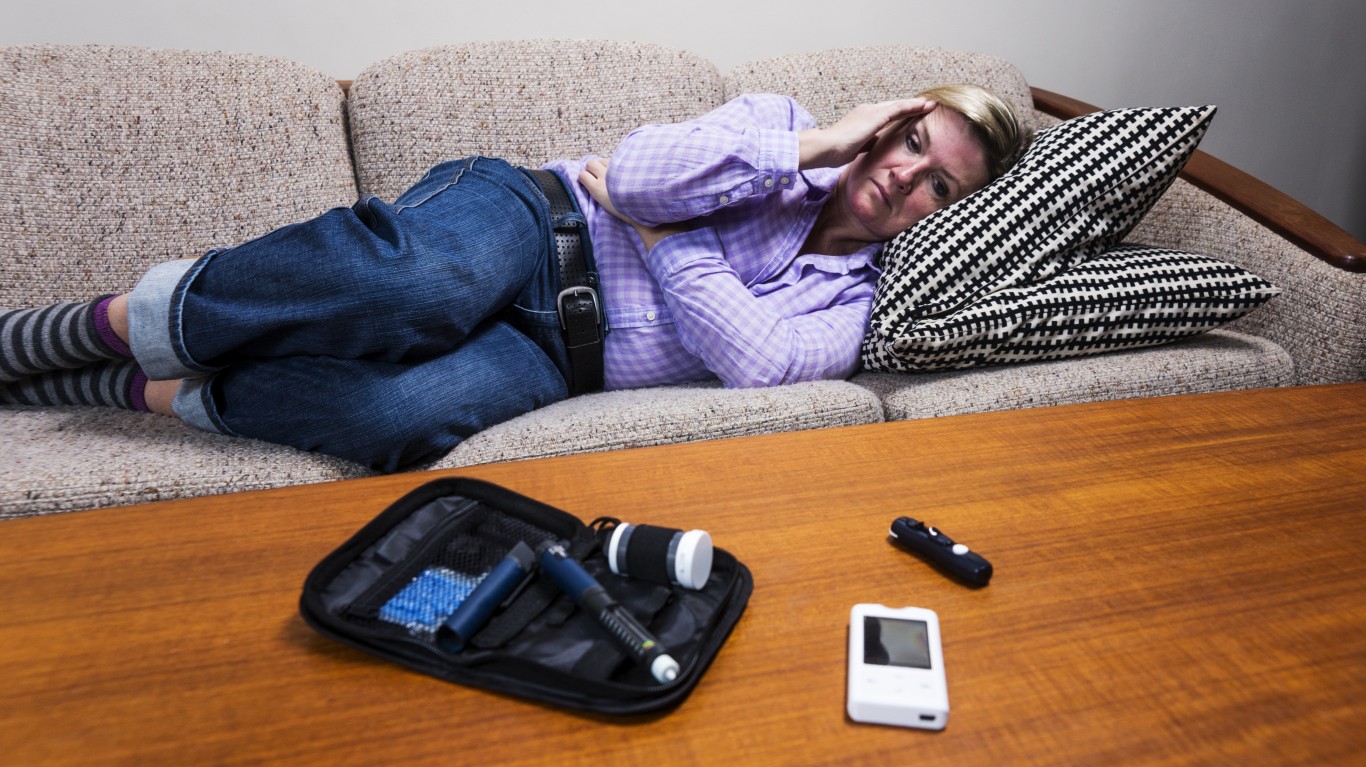
Hearing that Medicare pays for diabetic shoes can sound like one less expense to worry about. But having diabetes doesn’t automatically qualify someone for a covered pair.
Imagine Carol, a 68-year-old retired bookkeeper with type 2 diabetes and Original Medicare. A neighbor mentions the benefit, so she gets fitted for extra-depth shoes and inserts, expecting Medicare to pay its share. Instead, Medicare denies the claim, and the supplier sends her a bill.
The paperwork deserves as much attention as the fitting. The Centers for Medicare & Medicaid Services (CMS) reports that insufficient documentation accounted for 85.5% of improper payments for diabetic shoes in the 2024 reporting period. To qualify, Carol needs a specific foot problem as well as diabetes, with medical records and a certification that meet Medicare’s deadlines.
Diabetes Is Only the First Requirement
Medicare.gov’s coverage page for therapeutic shoes and inserts lists two medical requirements. She must have diabetes, and she must also have severe diabetes-related foot disease. Diabetes with healthy feet leaves her outside the benefit.
CMS spells out which foot problems count. The certifying doctor must document at least one of these:
- Previous amputation of the other foot, or part of either foot
- History of foot ulcer
- History of pre-ulcerative calluses
- Peripheral neuropathy with evidence of callus formation
- Foot deformity
- Poor circulation
Say Carol’s feet are numb but her chart shows no calluses. Neuropathy alone does not meet the neuropathy standard, so she would need a different condition from the list. The doctor managing her diabetes must document the qualifying foot problem or review and sign off on another qualified clinician’s findings before certifying her need for shoes.
Her Diabetes Doctor Has to Certify the Need
The second requirement is about who signs. The doctor who manages her diabetes must certify three things: she meets the standard, she is being treated under a comprehensive plan of care for diabetes, and she needs the shoes.
CMS also sets timing rules. It requires that doctor to see her in person about her diabetes within 6 months before the shoes arrive. The doctor must also sign the certification statement within 3 months before delivery. A checkup from last winter can fall outside these windows by the time a fall fitting comes around.
A podiatrist or another qualified clinician writes the prescription. That can include a nurse practitioner or physician assistant, and the diabetes doctor can write it too. The clinicians and supplier must be enrolled in Medicare. Enrollment and accepting Medicare’s approved rate are separate questions, so Carol needs to check both.
What One Pair a Year Actually Covers
Once she qualifies, Medicare covers one of these combinations each calendar year, depending on what her feet need:
- One pair of extra-depth shoes plus 3 pairs of inserts
- One pair of custom-molded shoes, including inserts, plus 2 extra pairs of inserts, if a foot deformity prevents her from wearing extra-depth shoes
Her share works like other Part B costs. After she meets the yearly Part B deductible, she pays 20% of the sum Medicare approves if the supplier accepts assignment. A supplier that doesn’t accept assignment can charge her any amount, and she pays whatever sits above Medicare’s approved amount.
Documentation Is the Real Trap
A signed certification isn’t enough on its own. Her medical record must support it, including the foot condition that qualifies her for the benefit. A checked box can’t take the place of the exam notes.
Three steps protect Carol’s next claim:
- Ask whether her medical records show a qualifying foot condition. If a podiatrist or another clinician examined her feet, make sure those notes reach the diabetes doctor for review and approval.
- Confirm that the clinicians and supplier are enrolled in Medicare. Ask the supplier whether it accepts assignment, meaning it agrees to Medicare’s approved rate.
- Work backward from delivery day. The diabetes visit and foot exam must fall within the previous 6 months. The certification must follow the required visits and record review and be signed within the previous 3 months. Ask the supplier to check the dates before delivery.
If Medicare has already denied the claim, Carol should check her Medicare Summary Notice for the reason, the amount she may owe and the appeal instructions. A denial doesn’t automatically make the supplier’s whole bill her responsibility. She should ask the supplier to check what it submitted and gather the medical records supporting her claim without missing the appeal deadline.
Medicare’s shoe benefit starts with diabetes, but it pays only when her feet meet the medical test and her paperwork proves it, with every signature dated inside its window. For Carol, the chart work comes first and the fitting comes second.
Contact [email protected] for any questions or corrections.
Gerelyn Terzo is the author of dividend investing handbook "Dividend Investing Strategies: How to Have Your Cake & Eat It Too." A veteran financial journalist, she covers agri-finance for outlets like Global AgInvesting and the broader stock market and personal finance for 24/7 Wall Street. She began at CNBC and later helped launch Fox Business in New York. Gerelyn currently resides in Woodland Park, Colorado and dabbles in nature photography as a hobby.