‘We’re Assuming $3.50 Per Gallon for Gas’: Wes Moss Prices 20 Years of Driving as Pumps Hit $4.27
Wes Moss priced 20 years of car ownership down to the dollar, but he built every calculation on a gas price that the pump already blew past before the segment aired. Here is what that gap actually does to his…

This post may contain links from our sponsors and affiliates, and Flywheel Publishing may receive compensation for actions taken through them.
On this morning’s Ask An Advisor segment of The Clark Howard Podcast, Wes Moss priced 20 years of car ownership down to the dollar. He was upfront about his inputs: 12,000 miles a year and, in his words, “$3.50 per gallon for gas.” Then he added: “Who knows what gas prices are going to be?” Moss is a certified financial planner and chief investment strategist at Capital Investment Advisors.
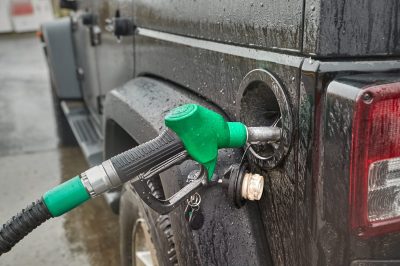
The pump already answered him. The federal weekly national average for regular gas was $4.27 for the week of Oct. 26, or 22% above his assumption.
It fell to $4.15 the following week, still well above his figure.
If you use his table to pick a vehicle, that cheap-gas assumption makes the thirstiest vehicle look far cheaper than it is.
Moss’s Method Is Right, but His Fuel Line Flatters the SUV
Moss uses the correct framework. His amounts cover depreciation, fuel, insurance, maintenance, repairs, tires, taxes and fees, excluding financing. A Camry bought new and kept 10 years runs about $6,100 a year, or about $123,000 over 20 years.
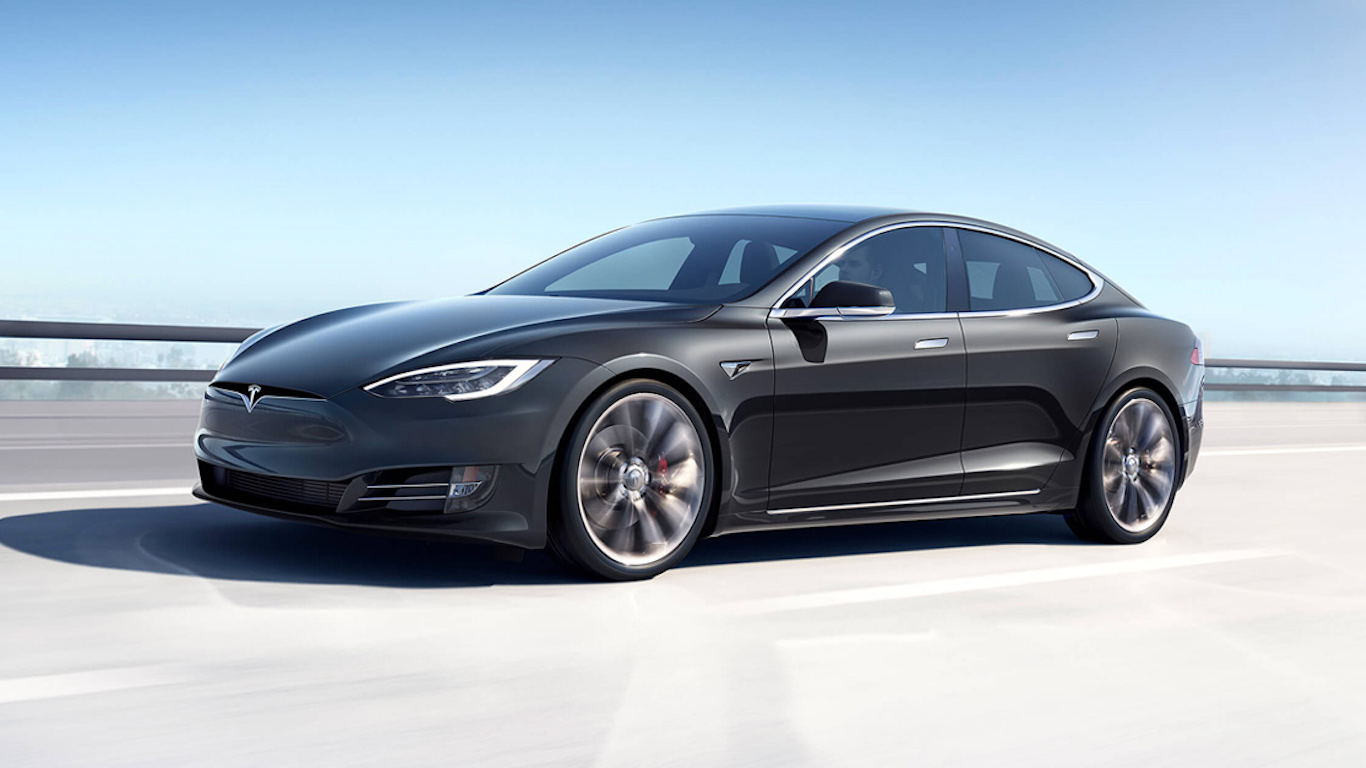
Smaller picks: the Kia K4 LX at $6,000 a year, the Tesla (NASDAQ:TSLA | TSLA Price Prediction) Model Y at $8,300.
Larger ones: the Chevy Tahoe at about $11,000, the BMW 530i at about $12,000.
The fuel math is simple: annual miles divided by mpg, times the price per gallon. The calculations below are ours, built on his assumptions.
The Camry at 51 mpg uses about 235 gallons a year.
Its pump-price gap adds about $181 a year, or roughly $3,600 over 20 years. Against his amounts, that barely shows.
At his credited 17 mpg, the Tahoe uses about 706 gallons a year, a fuel bill of roughly $2,471.
But Moss called that rating “super generous” and said real-world mileage is “more like 12 or 13, particularly if you live in the city.”
| Tahoe Scenario | Gallons Per Year | Annual Fuel Cost |
|---|---|---|
| 17 mpg at $3.50 (Moss) | 706 | $2,471 |
| 12.5 mpg at $4.27 (pump) | 960 | $4,098 |
That understates the SUV twice: once on price, once on mileage. The combined gap is about $1,628 a year and roughly $32,550 over 20 years. Adjusted, the Tahoe lands near $12,628 a year, above the BMW’s listed figure.
Real-World MPG Decides How Much the Gas Gap Costs You
Your vehicle’s actual fuel economy matters most. The price miss costs a 51-mpg hybrid about $181 a year.
At 17 mpg, the price gap alone costs about $543, before any real-world mileage shortfall.
Moss said buying new every 10 years “wins in my book,” then admitted, “with four kids, I’m going to probably have to go for the big American SUV.” On the same podcast six days earlier, Clark Howard said the fuel-cost run-up has cooled off buyer interest in SUVs while dealers “can’t get enough” of fuel-efficient vehicles.
Relief looks distant. WTI crude, the U.S. oil benchmark, stood at about $103 a barrel on Oct. 27, up 21% in a month.
His larger conclusions survive. Buying new every three years costs about $8,800 a year, and holding longer could leave “an extra hundred K in the bank” at a 7% return.
Going car-free with rideshare at 6,000 miles a year still runs about $275,000 over 20 years.
Rerun His Table With Your Own Pump Price and Real MPG
- Measure real mileage. Track three fill-ups and divide miles driven by gallons pumped. Rely on that figure, since window-sticker ratings run high for big SUVs, as Moss himself acknowledged.
- Plug in today’s local price. Divide your annual miles by real mpg, multiply by your pump price, and compare it with the same math at $3.50. Add the difference to Moss’s annual figure for your vehicle.
- Stress-test at this year’s high. The national average topped out at $4.50 in May. If a vehicle only works on paper at $3.50, it fails the test.
- Keep the 10-year hold. Moss’s strongest finding is about holding period. Whatever you buy, keeping it a decade instead of three years moves far more money than the fuel gap.
Taking listener questions at wesmoss.com/ask, Moss lays out his retirement framework in The Retire Sooner Method.
The coming weekly pump readings and crude prices will show whether the recent dip holds or his $3.50 assumption slips further out of reach.
Contact [email protected] for any questions or corrections.
Jake has been been working in financial media for almost 15 years. He focuses on all things personal finance for 24/7 Wall St. with high hopes to educate and entertain. Most recently, Jake spent 12 years working various roles at The Motley Fool. He started copy editing fool.com content, worked on premium and marketing campaigns, and helped launch The Ascent, a personal finance brand.
His work has been featured on platforms like MSN, Yahoo Finance, USA Today, and more. He's written about credit cards, social security, ETFs, savings accounts, and just about anything else you can imagine when thinking about money. Jake love to cook, play golf, and tell people he's never had a cavity. (It's true!)