Her Daughter Will Quit Her Job to Care for Her at Home for Three Years Instead of a Nursing Home. The State Will Have a Program That Pays Her About $2,100 a Month to Do Exactly That, and the Caseworker Will Never Mention It
A daughter about to quit her job to care for her aging mother assumes she will do it for free, but a state Medicaid program may already have a paycheck waiting for her that almost no one thinks to mention.

This post may contain links from our sponsors and affiliates, and Flywheel Publishing may receive compensation for actions taken through them.

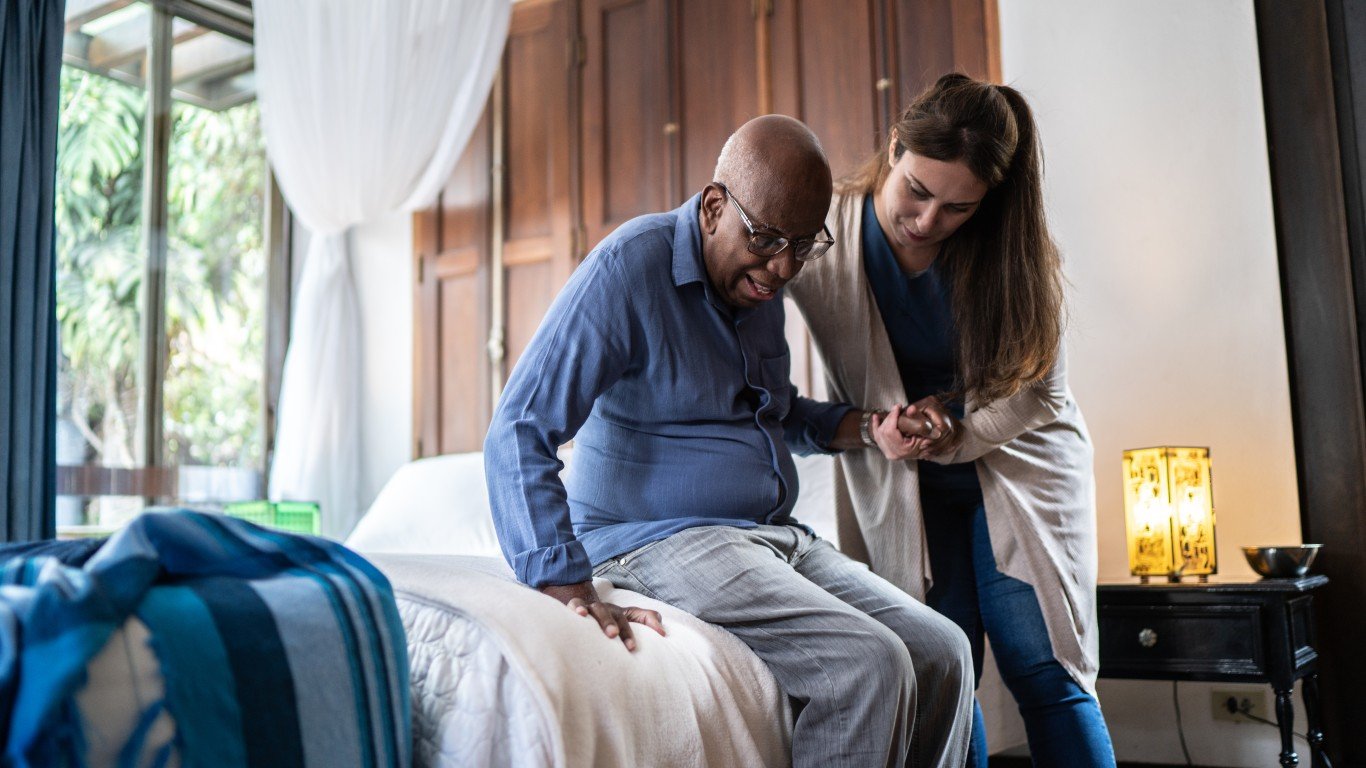
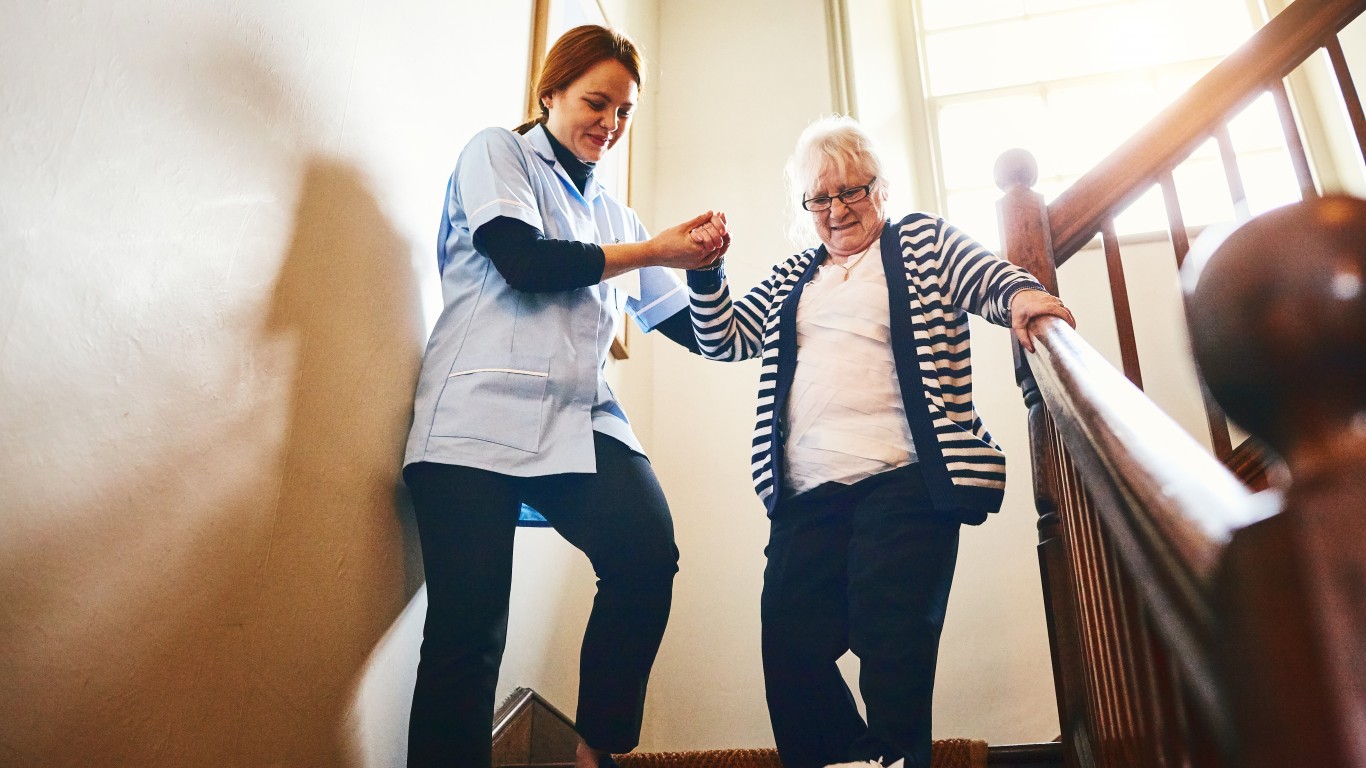
Picture a daughter in her late 50s who’s already drafting her resignation letter. Her mother can’t bathe, dress or sort her pills safely alone anymore, and the only other option on the table is a long-term care facility. The family assumes the daughter will do the work for free, since love doesn’t come with a paycheck.
In Los Angeles County, it can come with one. California’s In-Home Supportive Services (IHSS) program runs through Medi-Cal, and an eligible senior can hire her own daughter as a caregiver. IHSS providers in Los Angeles County earn $19.64 an hour in 2026. If a county social worker authorizes 107 hours of care a month for Mom, the daughter grosses $2,101.48.
That’s roughly the size of the average retired-worker Social Security check, which was about $2,089 a month in September 2026.
Medicaid Self-Direction Lets Mom Hire Her Own Daughter
Medicaid programs around the country offer versions of this idea: let the person receiving care help choose who provides it, including family members in many programs. California’s IHSS takes that approach directly. Mom can hire her daughter and stay in her own home instead of automatically turning to a facility.
The fine print changes a lot from state to state. Rules for relatives, hours, pay and eligibility can be completely different. Some programs also have enrollment limits or waiting lists, so what works for this California family may look very different somewhere else.
How California’s IHSS Pays a Daughter $19.64 an Hour
To qualify, Mom has to be a California resident and get a Medi-Cal eligibility determination. She also has to live at home rather than in a facility and submit a completed Health Care Certification form, according to the California Department of Social Services. California brought back its Medi-Cal asset test on January 1, 2026. For an individual affected by the rule, the limit is $130,000 through June 30, 2027.
Next, a county social worker visits the home and evaluates which tasks Mom can safely handle herself. That review sets her authorized hours for each service. Some IHSS recipients can receive as many as 283 total hours of help a month, depending on their needs and the part of the program they’re in. The 107 hours in this example come to about 3.5 hours a day of paid help.
Mom gets to hire her own caregiver. That makes her responsible for choosing, training and supervising her daughter just as she would any other IHSS provider. If she prefers, some counties also offer contracted providers or county homemakers.
The state issues every paycheck. If the provider qualifies, the State withholds the applicable amounts for disability insurance and Social Security taxes. Unions bargain wages with each county’s employer of record, so the hourly rate changes when you cross a county line.
Before her first paycheck, the daughter fills out the Provider Enrollment Form, attends an orientation on the program rules and gets fingerprinted for a California Department of Justice background check. Certain convictions can block her enrollment, so she has to clear that process before IHSS can pay her.
$2,101 Paycheck Depends on the Right Medicaid Pathway
The $2,101.48 figure is gross pay at the Los Angeles County rate. A daughter in a lower-wage county earns less for the same 107 hours. If a review cuts Mom’s authorized hours, the paycheck shrinks too. Recipients can ask for a review any time their needs change.
Outside California, families usually find the same setup through their state Medicaid agency under names like consumer-directed or participant-directed care. Whether a daughter, son or spouse can get paid depends on that state’s rules and on whether a waiver slot is open.
The money turns the daughter’s caregiving from an unpaid family responsibility into paid work while Mom stays in her own home. But the paycheck only comes when the care runs through an approved Medicaid program and the daughter is enrolled as a provider.
Contact [email protected] for any questions or corrections.
Gerelyn Terzo is the author of dividend investing handbook "Dividend Investing Strategies: How to Have Your Cake & Eat It Too." A veteran financial journalist, she covers agri-finance for outlets like Global AgInvesting and the broader stock market and personal finance for 24/7 Wall Street. She began at CNBC and later helped launch Fox Business in New York. Gerelyn currently resides in Woodland Park, Colorado and dabbles in nature photography as a hobby.