He Will Take Ozempic for Type 2 Diabetes in 2027, When Medicare’s Negotiated Price Takes Effect. His Part D Out-of-Pocket Cap Will Rise From $2,100 to $2,400

This post may contain links from our sponsors and affiliates, and Flywheel Publishing may receive compensation for actions taken through them.

Picture a 69-year-old man with type 2 diabetes who takes Ozempic, an inhaler and a cancer drug. He has read that Medicare negotiated lower prices on 15 more drugs starting in January 2027, so he expects his drug bill to shrink.
Then his 2027 plan notice comes. The Part D out-of-pocket ceiling rises from $2,100 to $2,400. If his prescriptions push him to the cap in both years, he will pay $300 more in 2027 despite the lower prices.
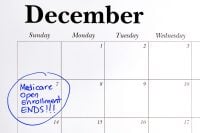
If you hit the cap in 2026, or came close, the next few weeks matter. Open enrollment closes on December 7, 2026. If you only take a few cheap generic drugs, you may barely notice either change.
Lower Drug Prices Do Not Guarantee a Lower Annual Bill
The second round of negotiated prices covers semaglutide. It is sold as Ozempic, Wegovy and Rybelsus, along with drugs such as Trelegy, Xtandi and Ibrance. Part D covers Ozempic for type 2 diabetes. It does not cover the drug for weight loss alone.
The negotiated price sets what Medicare drug plans pay for each of these drugs, and what you pay depends on three parts of your plan:
- Deductible. Until you meet the deductible, you generally pay the drug’s covered price. A lower negotiated price can make those early fills cheaper.
- Coinsurance. If your plan charges a percentage of the price, a lower price means a smaller share for you.
- Flat copays. If your plan charges a fixed dollar copay, the negotiated price may leave your pharmacy bill unchanged.
Plans generally must cover the negotiated drugs, although limited exceptions apply. Plans also have flexibility over drug tiers and cost sharing, which can change each January.
Where the Extra $300 Comes From
Follow the same patient with high drug costs through two years. In 2026, her covered drug spending reaches the cap. She pays $2,100 and then nothing more for covered drugs that year. In 2027, if her covered spending stays high enough to reach the new limit, she pays $2,400 before full coverage starts. That difference is the $300.
The higher limit only costs money for people whose spending reaches it. If you never got to $2,100 this year, your 2027 bill depends on your deductible, your copays and the new prices. Lower negotiated prices may even keep some moderate users below the cap. Patients taking several costly drugs, such as a cancer drug alongside Ozempic, may still reach the cap despite lower prices. For those who do, the higher limit matters.
The cuts also change when you reach the cap. Lower costs during the deductible and coinsurance stages can slow your progress toward it. You might reach the cap in May instead of February, but your yearly total still stops at $2,400.
Why Two Patients Taking the Same Drug May Pay Different Amounts
Two 69-year-olds on the same Ozempic prescription can end up with very different 2027 bills:
- Plan design. One plan charges a flat copay for semaglutide. Another charges coinsurance on the negotiated price, which gives more of the discount to the patient.
- Other prescriptions. They can affect your costs. A patient who also takes a specialty cancer drug reaches the cap early and pays $0 for Ozempic for most of the year. A patient on Ozempic alone may never reach the cap and keeps paying cost sharing all year.
- Premiums. Monthly premiums do not count toward the cap. For heavy users, a low-premium plan with high cost sharing can cost more over the year than a pricier plan. For light users, the opposite is often true.
- Income. Higher earners pay a Part D income surcharge on top of the premium. In 2026, it runs from $14.50 to $91 per person per month. It starts above $109,000 of income for single taxpayers and above $218,000 for joint taxpayers. This surcharge does not count toward the cap either.
Moves to Make Before Open Enrollment Closes
If you do nothing, your current plan renews automatically, with whatever 2027 formulary, tiers and premium it has set. Plan changes take effect January 1, 2027. Three steps can protect you:
- Run every prescription through Medicare Plan Finder. On Medicare.gov, enter your exact drugs, doses and preferred pharmacy. Then sort 2027 plans by estimated total annual cost, which adds premiums to drug costs.
- Check how each plan charges for your negotiated drugs. In each finalist plan’s 2027 formulary, see whether Ozempic or your other negotiated drug has a flat copay or coinsurance, and on which tier. Coinsurance generally reflects changes in the drug’s negotiated price.
- Budget for the full $2,400 if you hit the cap in 2026. If your 2026 statements show you reached $2,100, plan for the higher limit. You can also ask your plan to enroll you in the Medicare Prescription Payment Plan. It spreads your out-of-pocket drug costs into monthly bills so you avoid one large charge at the pharmacy in January.
Contact [email protected] for any questions or corrections.
Gerelyn Terzo is the author of dividend investing handbook "Dividend Investing Strategies: How to Have Your Cake & Eat It Too." A veteran financial journalist, she covers agri-finance for outlets like Global AgInvesting and the broader stock market and personal finance for 24/7 Wall Street. She began at CNBC and later helped launch Fox Business in New York. Gerelyn currently resides in Woodland Park, Colorado and dabbles in nature photography as a hobby.