Drivers Who Put Gas, Tolls and Repairs on One Card Are Getting a Rebate on the Cost of Owning a Car

This post may contain links from our sponsors and affiliates, and Flywheel Publishing may receive compensation for actions taken through them.
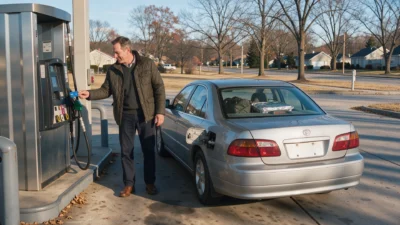
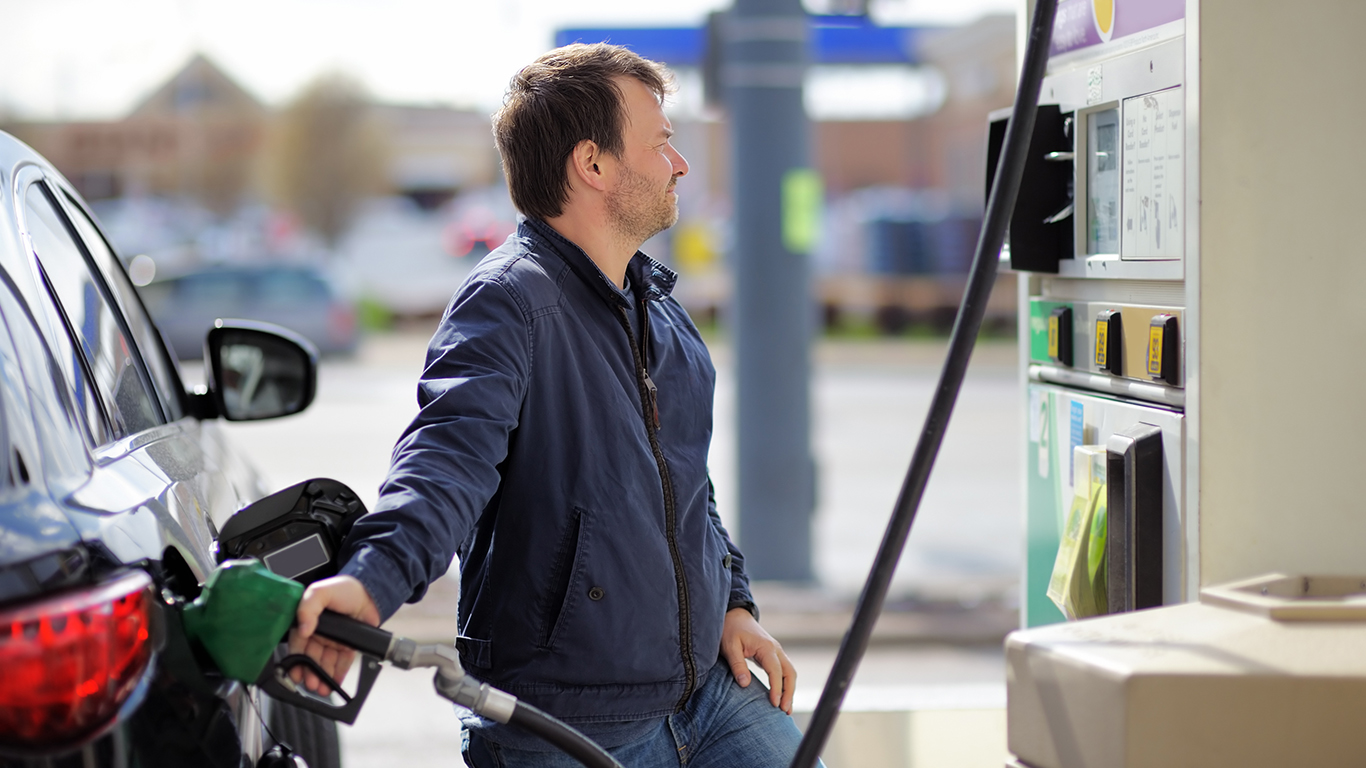
Drivers heading out for Thanksgiving are paying less at the pump than they were a few weeks ago. Regular gas averaged $3.64 per gallon[1] nationwide in the week ending November 23, 2026. That is down $0.64 from a month ago[1] and well below the 52-week high of $4.50 on May 11, 2026. Cheaper fuel helps, but gas is only one of the bills that come with a car. If you run the ones that accept cards without a fee through a single rewards card and pay it off every month, you get a slice of the cost of driving back.
Car Bills You Can Move to One Card
Most of what a car costs you can go on plastic:
- Fuel, the bill you pay most often.
- Toll transponder recharges, which often run on automatic card top-ups.
- Parking at garages, meters and airport lots.
- Maintenance and repairs, including oil changes, tires and brake work.
- Insurance premiums, if your insurer takes cards without charging a fee.
Repairs and insurance come less often than fill-ups, but each bill is bigger, so they can add a lot to what you earn back over a year. Only charge bills you would be paying anyway. The reward is a small discount on driving you already do, so it is no reason to drive more.
Fees That Can Wipe Out Your Reward
Some gas stations charge more per gallon when you pay by card than when you pay cash, and that difference can cancel out the reward. Look for a separate cash price on the station sign before you swipe. Some government charges, such as vehicle registration, may add a card processing fee. If that fee is bigger than what your card pays back, use a check or bank transfer.
Flat-Rate Cards Versus Gas Cards
Every purchase earns the same reward with a flat-rate card. That makes it simple when much of your car spending goes to repair shops, insurers and parking garages. A gas-category card pays a higher reward at fuel stations but usually the base rate everywhere else. These cards also decide for themselves what counts as a gas station, so pumps at some warehouse clubs or supermarkets may not qualify. If you mostly pay for fuel, a category card can earn you more. If your big bills are repairs and premiums, a flat-rate card often comes out ahead.
Taxes Rarely Take a Cut
In a private letter ruling, the IRS said a rebate received by a buyer is not includible in the buyer’s gross income[2] because it constitutes an adjustment to the purchase price. Cash back earned on personal car costs works the same way: it reduces what you paid. If you take off actual vehicle costs for a business or side gig, ask a tax preparer whether you need to subtract the rewards from those costs.
Pay in Full Every Month or the Rebate Becomes a Bill
Rewards never cover the cost of interest. The Federal Reserve’s average credit card rate was 21.19%[3] as of August 2026. If you carry a balance at that rate, the interest outweighs any discount on gas or tolls. Across all commercial banks, 2.85%[4] of card balances were at least 30 days past due in April 2026. Set up autopay for the full statement balance so a large repair bill never rolls over into the next month.
Who Benefits Most and What to Check Before Your Next Trip
You get the most out of this if you drive regularly, already pay your card in full each month and have predictable costs like insurance and tolls. That includes many retirees who are covering road trips to see family on a fixed budget. If you already carry a balance, pay down that debt first.
Ahead of your next road trip, look at what your card earns on gas and tolls. You also want to know whether your toll account and insurer take cards without a fee, and whether the stations on your route post a lower cash price.
Contact [email protected] for any questions or corrections.
Austin Smith is a financial publisher with over two decades of experience as an investor, analyst, and advisor. He covers stocks, ETFs, Artificial intelligence and personal finance for 24/7 Wall St. Previously, he spent over a decade at The Motley Fool as a senior editor for Fool.com, portfolio advisor for Millionacres, and launched The Ascent to help reader take control of their personal finances.
His work has been featured on Fool.com, NPR, CNBC, USA Today, Yahoo Finance, MSN, AOL, Marketwatch, and many other publications. He is as an advisor to private companies, and co-hosts The AI Investor Podcast with Eric Bleeker.
When not looking for investment opportunities, he can be found skiing, running, or playing soccer with his children. Learn more about Austin's investment approach here.