At 71 With $950,000, He’ll Be Asked to Co-Sign His Grandson’s Private Student Loan. He’d Owe Every Dollar If the Payments Stop

This post may contain links from our sponsors and affiliates, and Flywheel Publishing may receive compensation for actions taken through them.
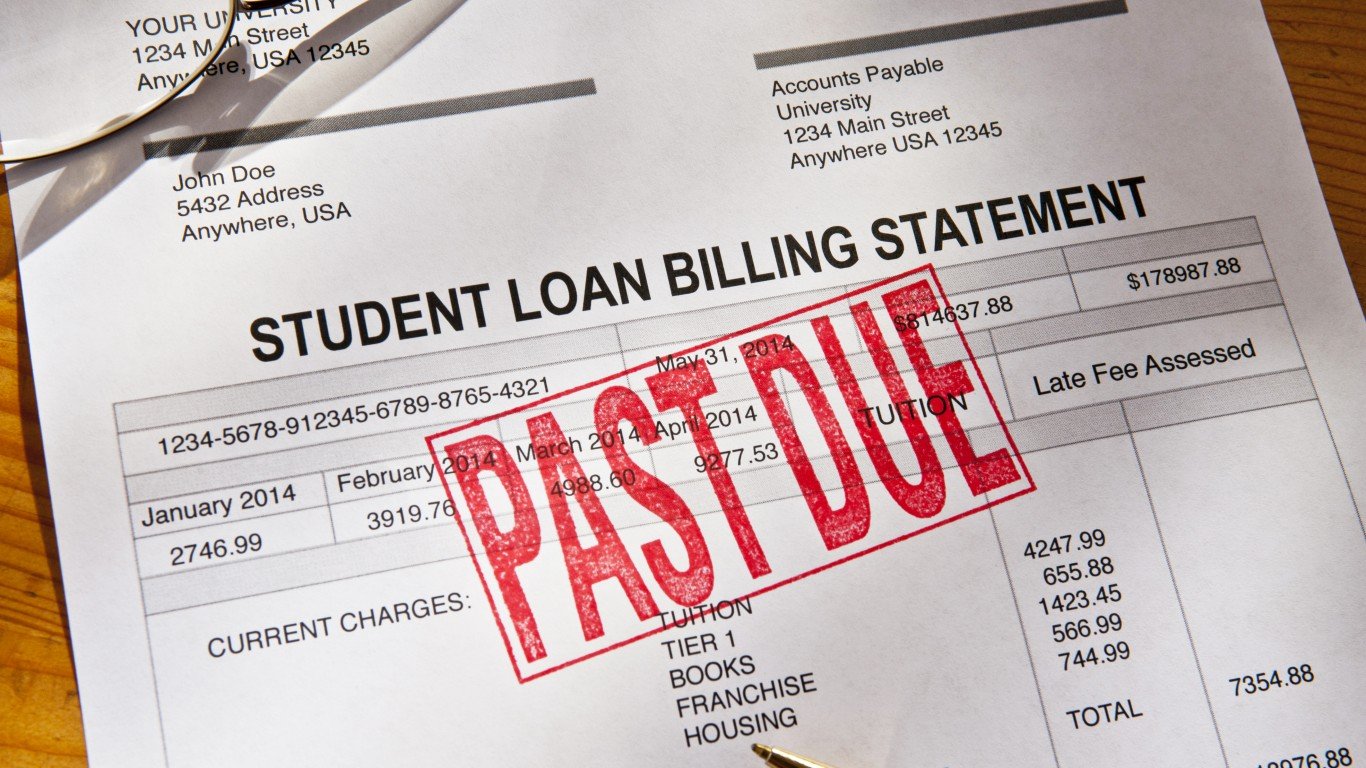
His grandson pulls a chair up to the kitchen table, slides a lender’s form across and asks for one favor: sign here. At 71 with $950,000 in retirement savings, he’d do almost anything to get that boy through college. Then he reads the fine print.
A co-signer is the second name on a loan, which means the lender approves a student with a thin credit history because someone with a long track record and real assets promises to back the debt. Plenty of families end up at this same table, and all of them have good intentions. In a report on co-signer problems, the Consumer Financial Protection Bureau (CFPB) said it simply: “Students often rely on parents or grandparents to co-sign their private student loans to achieve the dream of higher education.”[1]
What That Signature Really Promises
Federal rules require lenders to give co-signers a separate warning before they sign. It reads: “If the borrower doesn’t pay the debt, you will have to.” It adds that he “may have to pay up to the full amount of the debt,” plus late fees and collection costs.
The notice also says the lender “can collect this debt from you without first trying to collect from the borrower,” and that a default “may become a part of your credit record.” In plain terms, his grandson’s missed payment lands on Grandpa’s credit report too.
Why a 71-Year-Old Carries More Risk Here
The core tension is time, as a private student loan can run for many years after graduation, and he has zero control over whether it gets paid. If payments stop when he’s in his 80s, he can’t go back to work to replace what the loan takes.
His income is mostly fixed, too, as the average retired worker’s Social Security check is about $2,071 a month after the 2.8% 2026 raise. A surprise loan bill comes out of his nest egg, and extra withdrawals from a traditional IRA or 401(k) usually raise his taxable income on top of that.
His death creates a separate problem. Older CFPB research identified auto-default classes, but federal law prohibits lenders from declaring default or accelerating a private education loan solely because a co-signer dies or files for bankruptcy for loan agreements entered into on or after November 24, 2018.
For a new loan signed today, Grandpa’s death alone cannot trigger a demand that his grandson immediately repay the full balance. Any amount still owed becomes a debt his estate has to pay before heirs see a dime. And if the student dies first, the private loan’s own terms decide whether the balance is forgiven.
Co-Signer Release Rarely Comes Through
Lenders like to advertise “co-signer release,” which means taking Grandpa’s name off the loan after a run of on-time payments. Getting it is another story. A 2015 CFPB review found that among borrowers who applied, the rejection rate was 90%[2]. Some were turned down because they’d once accepted forbearance, a temporary payment pause, which can bar release for the life of the loan[2].
He should sign only if he’s comfortable staying on that loan until the final payment.
Federal Loans Should Come First
Federal student loans from the Department of Education work differently. The CFPB lists the differences: federal loans don’t depend on creditworthiness at issuance the way private loans do, and they offer income-based repayment, deferrals, and discharge options. The bureau’s own guidance says most borrowers “should consider taking out available federal student loans before taking out private student loans.”
Federal loans can also be wiped out when the borrower dies under the Higher Education Act, and the tax code keeps that discharge from counting as income (26 U.S.C. § 108(f)(5)[3]). Use every federal option before a private loan with his name on it even comes up.
Better Ways to Help Without Signing
- Pay the school directly. Tuition paid straight to the college isn’t treated as a gift at all under 26 U.S.C. § 2503(e)[4], so it doesn’t eat into his annual gift limit, and there’s no cap on the amount.
- Give within the annual exclusion. He can give each grandchild up to $19,000 in 2026 without filing a gift-tax return, and that limit rises to $20,000 in 2027. The money goes toward bills or loan payments, and his liability ends the moment he writes the check.
- Fund a 529 plan he has. As we covered earlier, withdrawals from a grandparent-owned 529 stopped counting as student income starting with the 2024-25 FAFSA, so the old financial aid penalty is gone. He keeps control of the account and can change the beneficiary if plans shift.
Each of these turns an open-ended promise into a fixed amount he chooses. That’s the difference that protects his retirement.
One Question to Answer Before He Signs
Could he pay off the entire loan himself, starting tomorrow, without hurting the retirement he’s counting on? If the answer is no, he shouldn’t sign. The risk lands on the one pot of money he can’t rebuild.
If the answer is yes, he’s usually better off giving that money directly through tuition payments, annual gifts, or a 529. He’d get the same result for his grandson, keep his credit clean and keep the loan out of his estate.
The mistake to avoid is signing because the lender promises a release down the road. The CFPB’s 90% rejection rate shows how often that promise falls through. Decide on a dollar amount he can give without strain, put it in writing for the family, and let federal loans cover the rest.
Contact [email protected] for any questions or corrections.
David Beren has been a Flywheel Publishing contributor since 2022. Writing for 24/7 Wall St. since 2023, David loves to write about topics of all shapes and sizes. As a technology expert, David focuses heavily on consumer electronics brands, automobiles, and general technology. He has previously written for LifeWire, formerly About.com. As a part-time freelance writer, David’s “day job” has been working on and leading social media for multiple Fortune 100 brands. David loves the flexibility of this field and its ability to reach customers exactly where they like to spend their time. Additionally, David previously published his own blog, TmoNews.com, which reached 3 million readers in its first year. In addition to freelance and social media work, David loves to spend time with his family and children and relive the glory days of video game consoles by playing any retro game console he can get his hands on.