Thinking About Opening a Coffee Shop? The Rent Is Only the Beginning.

This post may contain links from our sponsors and affiliates, and Flywheel Publishing may receive compensation for actions taken through them.
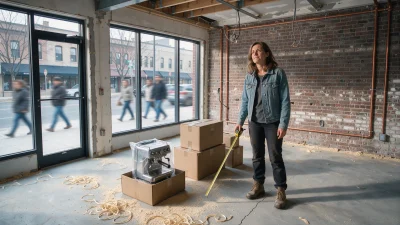
You’ve found the space. It’s a corner storefront with morning foot traffic and a landlord who’s ready to talk terms, and you’ve already put the monthly rent into a spreadsheet. If the rent works, it can feel like the whole plan works. But rent is only one line on a long list. The other lines are what decide whether a coffee shop makes it.
Popular shops close too. KFVS12 reported on a coffee shop closure in Cape Girardeau, Missouri, which the station said highlighted small business struggles. Phoenix New Times reported that a popular Mexican cafe known for cafecito and pan dulce was closing. Loyal customers help, but they can’t cover a budget that left costs out.
Costs That Hit Before You Sell a Single Cup
Buildout usually costs the most before opening. A coffee bar needs plumbing for several sinks, electrical work for espresso machines and refrigeration, counters, flooring and sometimes ventilation. A space that was once a clothing store may have none of that.
Equipment comes next. A commercial espresso machine and the grinders that feed it are the core of your menu, and you’ll also need brewers, refrigerators, ice machines and a point-of-sale system.
Then come permits and health checks. Many local health departments review plans before construction starts and inspect before you can open. Every delay means paying rent on a shop that has no sales. Get written quotes from a contractor and an equipment dealer, and find out from your local health department what approvals you’ll need, all ahead of signing a lease.
Costs That Never Stop Running
Labor is the biggest recurring cost. Average hourly earnings for all U.S. private-sector employees reached $38.00 in October 2026 (a preliminary figure), up from $36.85 in October 2025. That’s a national benchmark rather than a barista wage, so price your staff against local job ads. The trend still tells you payroll will keep rising.
Cost of goods (coffee, milk, cups, lids and pastries) goes up whenever your suppliers raise prices. The latest CPI reading hit 337.476 in October 2026[1], up 0.4% from the month before and the highest reading of the past year. Equipment fixes can also arrive without warning. When the espresso machine goes down, most of your sales stop with it.
The early months are usually slow, because regulars take time to build. Americans are still spending at restaurants and cafés: food services spending reached $1,610.5 billion at a seasonally adjusted annual rate in September 2026, compared with $1,512.6 billion a year earlier. But consumer confidence is weak. The University of Michigan sentiment index stood at 48.1 in September 2026[2], below the 60 level that the index’s guide describes as recessionary. When people feel uneasy about money, a new shop has to work harder to become part of their routine.
Your Own Unpaid Hours Will Cost You
In the early going, the owner usually opens at dawn, covers shifts when someone calls out, does the books at night and fixes the dishwasher on Sunday. That work is often unpaid. A budget that leaves out your labor makes the shop look healthier than it is.
If you’re leaving a salary, the gap shows up in your household budget right away. Your mortgage, insurance and retirement savings still need money while the shop finds its footing.
Your Next Step: Budget a Paycheck and a Cushion
Build a full monthly budget ahead of signing a lease. Include rent, labor, cost of goods, fixes, insurance and a line for your own pay. Then add a cash reserve sized to cover several slow months before regulars arrive. Open a separate business bank account so you can see the shop’s real cash flow. If the numbers only work when you pay yourself nothing, rework the plan before you commit to the space.
Contact [email protected] for any questions or corrections.
Austin Smith is a financial publisher with over two decades of experience as an investor, analyst, and advisor. He covers stocks, ETFs, Artificial intelligence and personal finance for 24/7 Wall St. Previously, he spent over a decade at The Motley Fool as a senior editor for Fool.com, portfolio advisor for Millionacres, and launched The Ascent to help reader take control of their personal finances.
His work has been featured on Fool.com, NPR, CNBC, USA Today, Yahoo Finance, MSN, AOL, Marketwatch, and many other publications. He is as an advisor to private companies, and co-hosts The AI Investor Podcast with Eric Bleeker.
When not looking for investment opportunities, he can be found skiing, running, or playing soccer with his children. Learn more about Austin's investment approach here.