Would You Admit to Dave Ramsey That Your Car Payment Is $3,200 a Month?

This post may contain links from our sponsors and affiliates, and Flywheel Publishing may receive compensation for actions taken through them.
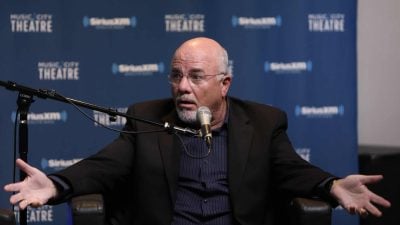
A caller to The Ramsey Show opened with a question most people would only whisper: “My car lease is $3,200 a month and I’m trying to figure out if I should continue leasing my car or just pay it off and take the loss?” Dave Ramsey, the debt-free radio host, fired back: “$3,200 in car payments? Oh my gosh! What do you drive?” The answer was a Rolls Royce Ghost. The caller was 24.
The clip Ramsey posted to X on November 15 stops before his answer. The caller’s question still deserves one, because the wrong exit can add tens of thousands of dollars to money that is already gone.
What $3,200 a Month Looks Like Against a Real Paycheck
The typical full-time American worker makes $1,232 a week before taxes, according to Bureau of Labor Statistics data for the third quarter of 2026. This lease uses up about 2.6 weeks of that pay every month. A median earner would be working most of the month just to cover the car, before rent, groceries or taxes.
Annualized, the lease runs $38,400. The average U.S. household spent $81,905 on everything in 2025. A year of lease payments equals about 47% of what a typical household spends on housing, food, health care and every other line item combined.
Ramsey’s Shock Is Correct Because a Lease Is Debt
My conclusion: Ramsey’s reaction is the right one. A lease is borrowing with a different label. You are financing the car’s depreciation over the term, plus a finance charge called the money factor, which works like an interest rate. For reference, banks charged an average of 7% on 48-month new car loans. On a luxury sedan, both the depreciation and the finance charge are large.
Ramsey’s position here is consistent. On an October 15, 2026 episode, he had a caller swear off car borrowing entirely. His reasoning, from an earlier show: “Every time you borrow money, you increase risk. The more money you borrow, the more risk.”
The bigger cost is what the payment replaces. Invest $3,200 a month for 10 years at an assumed 7% annual return.
Those $384,000 in contributions grow to about $554,000. At 24, that is the difference between owning a depreciating sedan and owning half a million dollars by 34.
One Number Decides Whether to Keep Leasing or Take the Loss
The caller’s question is a sunk cost problem. Payments already made are gone under either choice, so only future dollars count. The key variable is the size of “the loss” compared with the payments still left on the lease.
Taking the loss means paying the leasing company’s early payoff amount, then selling the car. The loss is the gap between that payoff quote and what a buyer will pay. Keeping the lease means writing every remaining check, then returning the car and paying any end-of-lease fees.
Here is an assumed example, since the caller’s payoff was never disclosed. Say 24 months remain. That is $76,800 in future payments.
If the gap between payoff and sale price is $50,000, getting out saves $26,800. If the gap is $90,000, getting out costs $13,200 more than riding out the lease.
Timing drives the gap. Luxury cars shed value fastest in their early years while payoff balances stay high, so the loss tends to be largest early in a lease. As the term runs down, both the gap and the remaining payments shrink. Only real quotes tell you which side of the line you are on.
How to Run This Math on Your Own Car Payment
- Get a written payoff quote. Call the leasing company and ask for the early termination payoff and the buyout amount. Ask whether third-party buyers can purchase the car, since some lessors limit this.
- Collect real cash offers. Get bids from at least two dealers and one online buyer. Online value estimates are guesses; written offers are numbers you can act on.
- Total the cost of staying. Multiply your monthly payment by the months remaining. Add the disposition fee and any likely excess mileage or wear charges from your contract.
- Compare the two totals. If the gap between payoff and the best offer is smaller than the cost of staying, getting out now. If it is larger, finish the lease and stop the cycle at turn-in. Ask whether a lease transfer to another driver is allowed, which can beat both options.
- Redirect the payment. Once you are out, keep moving the same monthly amount into savings, then pay cash for a car that fits that budget.
Contact [email protected] for any questions or corrections.
Jake has been been working in financial media for almost 15 years. He focuses on all things personal finance for 24/7 Wall St. with high hopes to educate and entertain. Most recently, Jake spent 12 years working various roles at The Motley Fool. He started copy editing fool.com content, worked on premium and marketing campaigns, and helped launch The Ascent, a personal finance brand.
His work has been featured on platforms like MSN, Yahoo Finance, USA Today, and more. He's written about credit cards, social security, ETFs, savings accounts, and just about anything else you can imagine when thinking about money. Jake love to cook, play golf, and tell people he's never had a cavity. (It's true!)