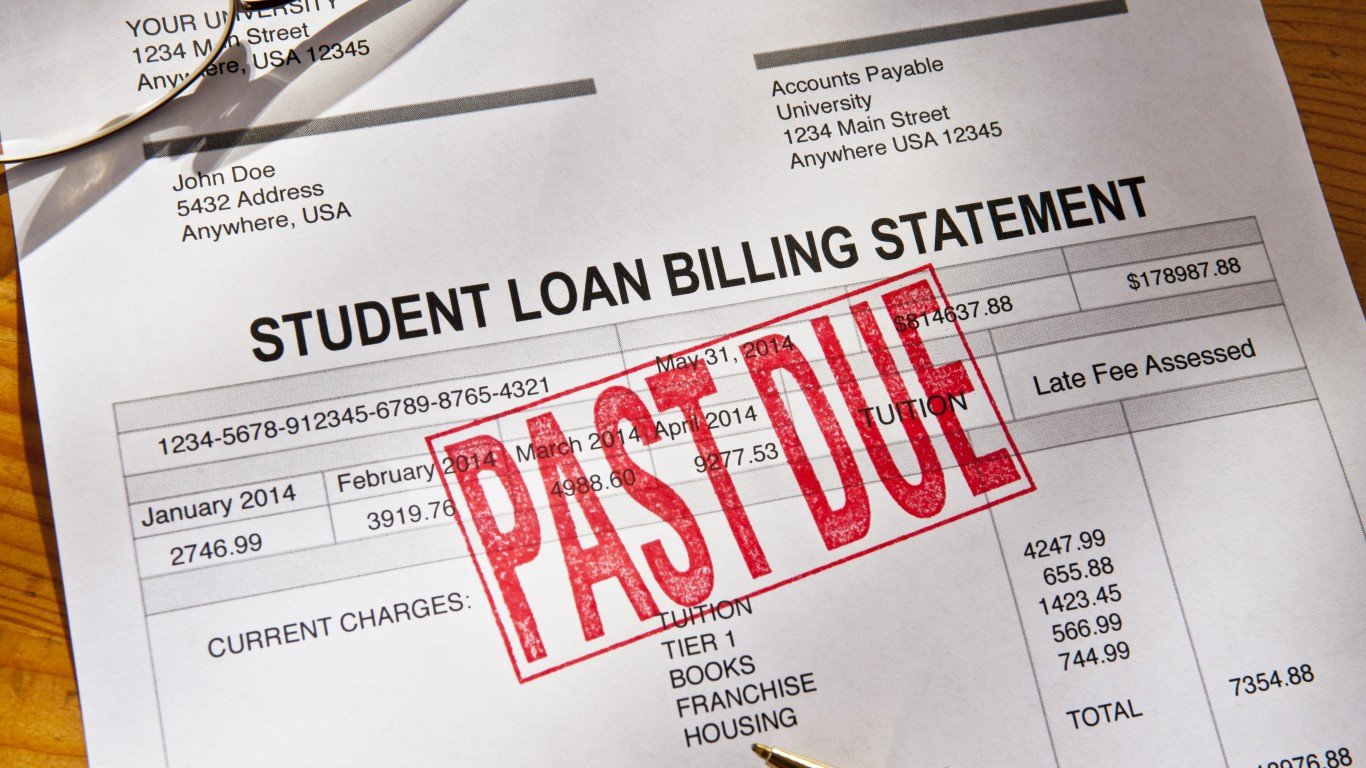
‘Honey, You Got Screwed’: Ramsey to 18-Year-Old Who Traded a Paid-Off Car for a $24,260 Loan on $2,200 a Month
An 18-year-old from Savannah called Dave Ramsey thinking he had just made his first smart financial move, and within seconds Ramsey told him the hard truth about what trading in a paid-off car really cost him.

“Honey, you got screwed.” That was Dave Ramsey’s verdict on October 7, 2026 to an 18-year-old caller from Savannah, Georgia, who had just found Ramsey’s Facebook page and started doubting his first big purchase.
His numbers are blunt. He works as an embroidery technician and makes about $2,200 a month. He financed $24,260 on a car priced around $27,000.
The minimum payment is $430, and he pays about $550.
To get it, he traded in a paid-off 2007 Pilot from Honda Motor (NYSE:HMC | HMC Price Prediction) with a failing transmission. Ramsey said he went “from a fifteen hundred dollar car to a $30,000 dollar car” and estimated he had already lost five or six thousand dollars. Ramsey is right, and the used-car market is making his advice more important every month.
A Car Priced at Twice His Spending Limit
Ramsey’s rule: “about half your annual income is the most you want to spend on cars.” At $2,200 a month, half a year’s income is $13,200. This car cost roughly 2 times that ceiling.
The payment tells the same story. At $550, he sends 25% of his gross pay to the lender. Even the minimum eats about 20%. Insurance, gas and repairs come on top. As Ramsey put it, “It’s very difficult to prosper when you own a car that costs as much as you make in a year.”
What This Loan Costs at Today’s Rates
The caller’s rate wasn’t mentioned, so use the benchmark. The average 48-month new-car loan at commercial banks was 7% in August 2026, up from 5% in November 2021. An 18-year-old with a thin credit file likely pays more, so treat this as the best case.
At that rate and his current payment, the balance takes about 52 months to clear and costs roughly $4,190 in interest. Paying only the minimum extends it to about 70 months and roughly $5,718 in interest. Either way, he pays thousands for the privilege of owning a depreciating asset.
Falling Used-Car Prices Are Deepening the Hole
The used-car and truck price index stood at 181 in August 2026. That’s down 2% from a year earlier and about 17% below the February 2022 peak of 217. CNBC reported this week that used car prices fell in the third quarter.
Falling prices reduce the collateral under his loan. What determines whether waiting helps or hurts is simple: does his loan balance fall faster than the car’s value?
Run the first month at that rate. Interest takes about $151 of his payment, leaving roughly $399 to cut the balance. If the car loses more than that in resale value per month, his gap grows every time he pays. If it loses less, the gap narrows slowly. Late-model cars typically shed value fastest in their first years, in a market already slipping, so the first case is the likely one.
The same slide helps on the other end. A falling market makes the cheap, paid-for car Ramsey prescribed easier to find.
He Already Had the Asset Clark Howard Says to Keep
On September 21, 2026, Clark Howard noted that with more drivers facing car payments over $1,000 a month, keeping a paid-off, reliable vehicle on the road can make a huge difference for your finances. The caller owned a paid-off vehicle. A transmission repair on the Pilot was a one-time bill. The trade turned it into years of payments.
Run These Numbers Before Your Next Payment
- Find your exact gap. Get a 10-day payoff quote from your lender, then collect cash offers from at least three buyers, including a dealer and an online buyer. The difference is the real number you’re solving for.
- Compare the gap to your principal paydown. Check your statement for how much of each payment hits principal. Compare it with how fast offers on your car are dropping. If value falls faster, waiting costs money.
- Cover the shortfall cheaply. If you can’t pay the gap in cash, a small credit union loan beats the full balance. Avoid a credit card, where the average APR is 21%.
- Start the cash ladder. Ramsey’s plan: save $500 a month, buy a $5,000 car with cash in about 10 months.
- Then step up to $10,000 and later $15,000, selling each car toward the next.
Every month a car loan’s balance trails the car’s falling value, you’re paying to dig the hole deeper, so measure the gap now and get out while it’s smallest.
Contact [email protected] for any questions or corrections.
Jake has been been working in financial media for almost 15 years. He focuses on all things personal finance for 24/7 Wall St. with high hopes to educate and entertain. Most recently, Jake spent 12 years working various roles at The Motley Fool. He started copy editing fool.com content, worked on premium and marketing campaigns, and helped launch The Ascent, a personal finance brand.
His work has been featured on platforms like MSN, Yahoo Finance, USA Today, and more. He's written about credit cards, social security, ETFs, savings accounts, and just about anything else you can imagine when thinking about money. Jake love to cook, play golf, and tell people he's never had a cavity. (It's true!)