At 70 With $950,000, He’ll Sell the Rental House He’s Owned for 25 Years. The Depreciation He Took Comes Back as Part of His Tax Bill

This post may contain links from our sponsors and affiliates, and Flywheel Publishing may receive compensation for actions taken through them.

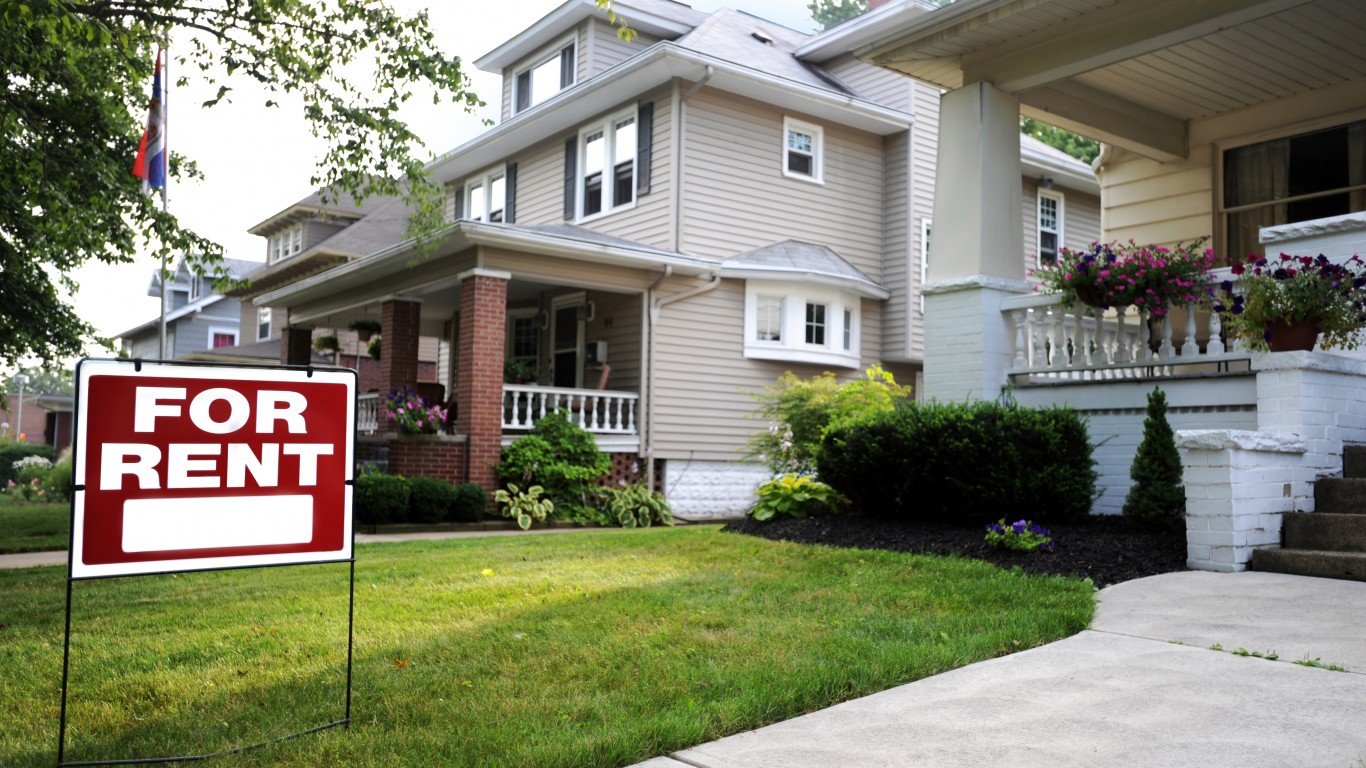
The last tenant just handed back the keys, and he’s done. He’s 70, and he’s ready to quit. After 25 years of leaky faucets, lease renewals, and midnight phone calls, he wants to sell the rental house and cash a check for about $950,000[1]. The relief feels earned. The tax bill tends to come as a surprise, because the depreciation he deducted all those years comes back at the sale.
Plenty of longtime landlords run into this. One couple on TurboTax’s community forum, selling a rental they’d owned for 18 years, had taxable income of about $25,000 before the sale. Then about $72,000 of depreciation and about $240,000 of capital gains landed in a single tax year.
Why Old Depreciation Shows Up on Your Tax Bill
If you’ve deducted depreciation on a rental for years, each dollar of it reduced your cost basis, which is the number the IRS subtracts from your sale price to find your profit. A lower basis means a bigger taxable gain.
Skipping the deduction doesn’t help, either. The IRS uses the greater of depreciation “allowed or allowable” to figure your gain. So you can owe tax on write-offs you never actually took.
The gain caused by depreciation is called unrecaptured Section 1250 gain. Federal law taxes it at up to 25%[2]. The rest of his profit is ordinary long-term gain, taxed at the familiar 15%[2] or 20% rates. On top of both, a 3.8%[3] net investment income tax kicks in. That happens once modified adjusted gross income passes $250,000[3] for joint filers or $200,000 for single filers. A big sale can push him past those lines in one year.
The home-sale exclusion won’t cover any of it. It applies only under strict conditions. You must have owned and lived in the property as your main home for 2 years[4] during the 5-year period before the sale. He never lived there.
Waiting Could Wipe Out the Whole Tax Bill
His biggest tax decision comes down to timing: does he pay this tax while he’s alive, or does nobody pay it? If he keeps the house until death, his heirs get a basis equal to its fair market value at the date of death[5]. Depreciation recapture doesn’t apply to a transfer at death[6], either. Twenty-five years of gains and write-offs disappear.
That gain is probably large. The national Case-Shiller home price index rose about 83% from late 2016 to 336.7[1], close to its all-time high. Estate tax won’t apply at his level of wealth. The 2026 basic exclusion is $15,000,000.
Path One: Hire a Manager and Keep the House
If he doesn’t need the sale money to pay for retirement, this is the best path for most people in his position. A property manager’s fee cuts into the rent, but he stops being the person tenants call, and the house keeps paying him income while the deferred tax goes away at death.
Many 70-year-olds skip this option because their goal is “sell,” but for most of them, the real goal is “stop doing the work.” A manager handles that without sending the IRS a check.
Path Two: Sell, but Pick the Tax Year Carefully
If he needs the money, or just can’t stand owning the place anymore, selling and paying the tax is a reasonable choice. Timing still matters. Born in 1956, he faces required minimum distributions starting at age 73, with 2029 as his first RMD year. Selling before then keeps the gain from piling on top of forced IRA withdrawals.
An installment sale, where the buyer pays him over several years, spreads the gain out. The depreciation portion is taxed before the regular capital gain, though, so the early payments carry the highest rate. He also becomes the lender, and later payments run into his RMD years.
A qualifying like-kind exchange (a 1031 exchange) can postpone all of the tax if the proceeds are fully reinvested in eligible replacement property. To get that, he has to name a replacement property within 45 days and close within 180 days. That keeps him a landlord, which is exactly what he’s trying to avoid. For him, it’s the worst fit.
What to Settle Before You List the House
Start by pulling every tax return since you bought the property. Add up the depreciation you took (or could have taken) and the improvements you paid for. Those two numbers set your real gain. If that gain pushes you past the net investment income tax threshold, it’s worth paying a CPA to compare sale years and installment terms. The rate differences are large enough to cover the fee.
Next, ask yourself whether you need the money or just need the phone to stop ringing. One costly mistake is selling for relief and paying up to 25% on depreciation-related gains that your heirs could have received tax-free. It’s one of several quiet IRS rules that drain retirement wealth, and we covered the rest in a free guide here.
Contact [email protected] for any questions or corrections.
David Beren has been a Flywheel Publishing contributor since 2022. Writing for 24/7 Wall St. since 2023, David loves to write about topics of all shapes and sizes. As a technology expert, David focuses heavily on consumer electronics brands, automobiles, and general technology. He has previously written for LifeWire, formerly About.com. As a part-time freelance writer, David’s “day job” has been working on and leading social media for multiple Fortune 100 brands. David loves the flexibility of this field and its ability to reach customers exactly where they like to spend their time. Additionally, David previously published his own blog, TmoNews.com, which reached 3 million readers in its first year. In addition to freelance and social media work, David loves to spend time with his family and children and relive the glory days of video game consoles by playing any retro game console he can get his hands on.