Her Mother’s Home Is Worth About the National Median of $383,598, but a Nursing Home at $355 a Day Could Use It Up in Under Three Years. Home Sales Are Down, and Selling Could Take Longer

This post may contain links from our sponsors and affiliates, and Flywheel Publishing may receive compensation for actions taken through them.

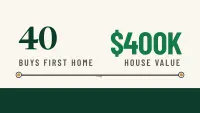
Picture a situation families face all the time. A daughter has two numbers in front of her at her mother’s kitchen table. The house is worth about $383,598, which Homes.com reported as October’s national median sale price. The median cost of a nursing home room is $129,575 a year, or $355 a day, according to CareScout’s 2025 Cost of Care Survey.
Divide the first number by the second and the house pays for roughly 1,080 days of care, about 2.96 years. That’s before agent commissions, closing costs and the months the house might sit on the market. Right now, houses are sitting on the market for a long time.
Existing Home Sales Sank to 3.75 Million as the Nursing Home Meter Runs
Existing home sales fell to a seasonally adjusted annual rate of 3.75 million[1] in October 2026. That’s down 5.5%[1] from September and 8.8% from a year earlier, according to National Association of Realtors data published by the St. Louis Fed. It’s the lowest monthly reading since at least October 2025. Business Insider just described a historic crash in pending home sales, the contracts that turn into closings in the months ahead.
Prices have held up better than sales. Homes.com said October’s median slipped just 0.4% from a year earlier, while inventory rose 4.8%. With mortgage rates above 7%, buyers are getting pickier. Year over year in August, the Case-Shiller national index was still up 2.1%[2].
So Mom’s house probably still holds its value. Turning that value into cash quickly is the hard part. Meanwhile, the nursing home charges about $10,798 a month for the room, and the bill keeps coming every month the house goes unsold. This problem lands on a lot of families: households headed by someone 70 or older own more than one-quarter of $48 trillion in real estate wealth.
Medicare Stops at 100 Days, and Medicaid Exempts the House
Many families assume Medicare picks up the tab. Medicare is the federal health insurance program for people 65 and older, and it covers skilled nursing care only on a short-term basis. Long-term custodial care, meaning help with bathing, dressing and eating, falls outside Medicare.
Medicaid takes a different approach. The federal government and the states run it together for people with limited income and assets, and it does pay for long-term nursing home care. Before it does, though, a single applicant’s countable assets typically have to fall to $2,000.
Here’s what changes the math. Medicaid generally excludes the home as long as the person lives there, intends to return (in most states), or has a spouse or dependent relative living there. That’s according to Medicaid Answers. Home equity has to stay under a cap that each state sets, and in 2026 the caps fall between $752,000 or $1,130,000 in most states. A median-priced house tops both comfortably.
Selling Turns an Exempt House Into Countable Cash
Once the house sells, Medicaid sees it differently. The funds count as assets starting the first day of the month after the sale. Medicaid Answers gives an example: a person with $2,000 in the bank who clears $300,000 from a sale now holds $302,000 that Medicaid counts. That person stays ineligible until the money is spent down.
Selling can still work. Some families sell, pay privately for a few years and apply once the money runs out. That’s a valid plan, though it can give up options that would have protected the house.
A slow market adds a twist. Under SSI rules, property whose owner is making reasonable efforts to sell can be excluded while it’s on the market, and many states apply that rule to Medicaid too. States also handle liens and estate recovery differently. Estate recovery is how Medicaid seeks repayment from a recipient’s estate after death, which means a house that was protected during her life can still end up repaying the state.
There are two more traps. If the family sells the house below fair market value, say to a son at half price, Medicaid counts the gap as a gift. A gift made within the five-year look-back results in a penalty. And the U.S. Department of Housing and Urban Development (HUD) requires reverse mortgage borrowers to maintain primary residence in the property, so a reverse mortgage is a poor fit once a permanent nursing home move is likely.
Two things to keep an eye on: whether the drop in pending sales turns into fewer closings this winter, and the 2027 Medicare figures that just came out on November 17, 2026[3]. If houses keep taking longer to sell, the daughter at that kitchen table may have less than three years of care to work with.
Contact [email protected] for any questions or corrections.
Gerelyn Terzo is the author of dividend investing handbook "Dividend Investing Strategies: How to Have Your Cake & Eat It Too." A veteran financial journalist, she covers agri-finance for outlets like Global AgInvesting and the broader stock market and personal finance for 24/7 Wall Street. She began at CNBC and later helped launch Fox Business in New York. Gerelyn currently resides in Woodland Park, Colorado and dabbles in nature photography as a hobby.