Before He Moves Into a Nursing Home, They Spend $500,000 of Their Savings on a Smaller House. Medicaid Counts the Cash, Not the Home, So the $500,000 Drops Out of His Spend-Down

This post may contain links from our sponsors and affiliates, and Flywheel Publishing may receive compensation for actions taken through them.
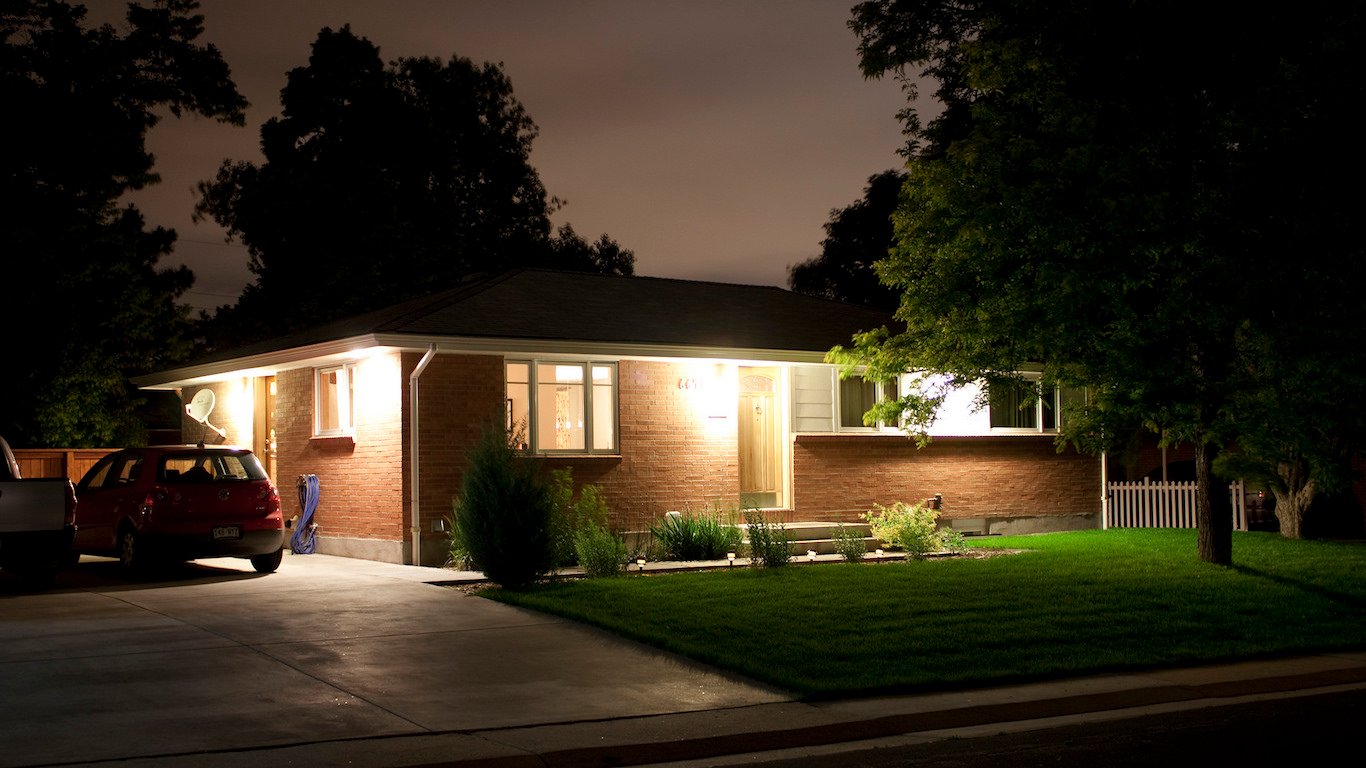
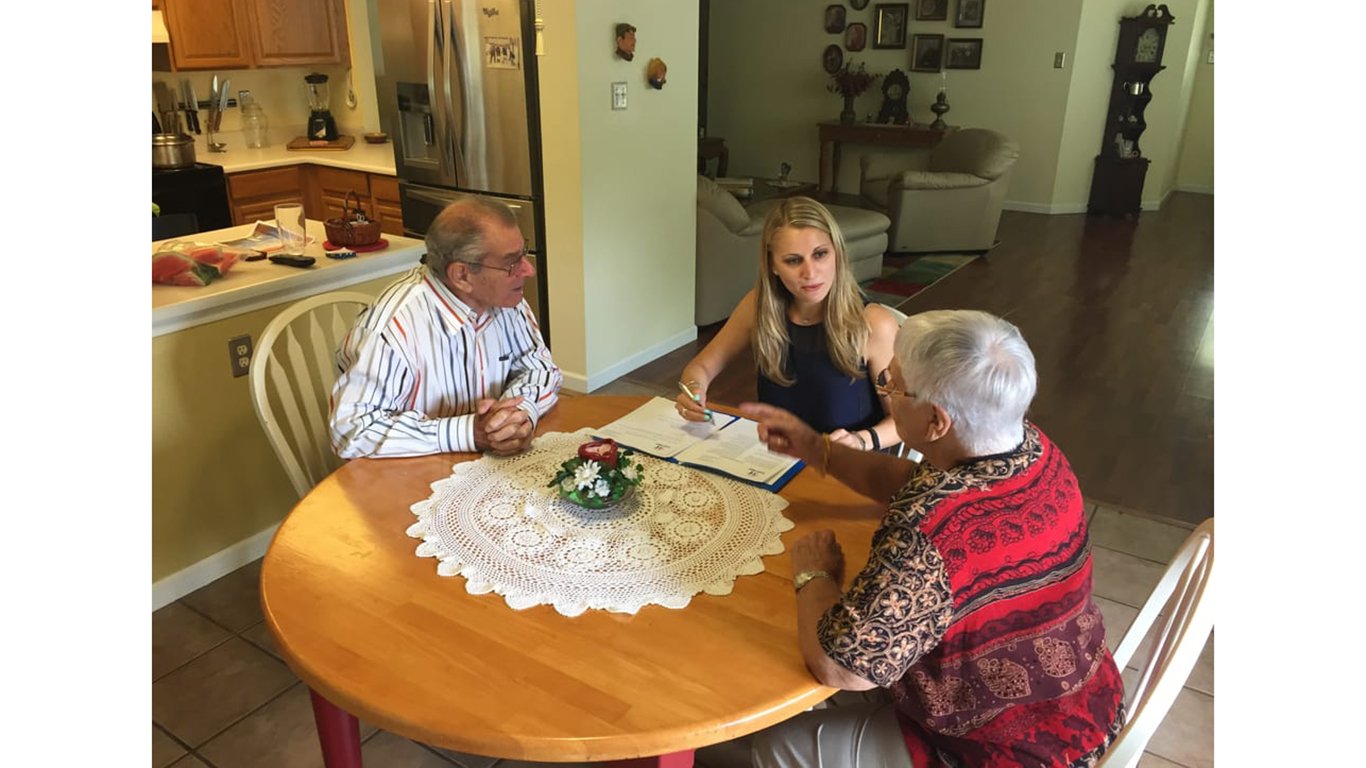
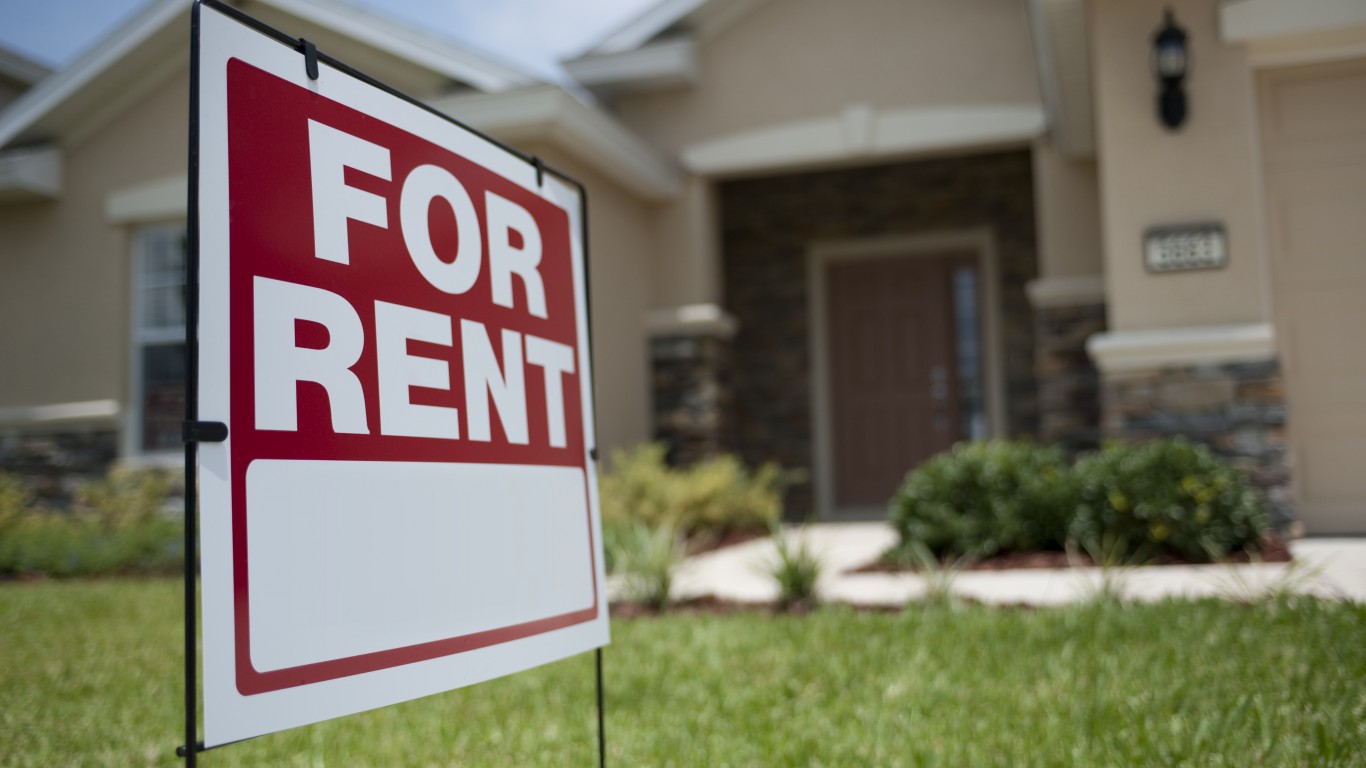
Picture a situation senior law practitioners see all the time. A married couple in their late 70s has been renting since they sold the family house, and they have $700,000 in savings and investments. He’ll need institutional care within months. Before he moves into the nursing home, they’ll spend $500,000 of that money on a small one-story house where she’ll keep living.
The plan works because of how Medicaid separates a couple’s property. Cash, CDs, stocks and bonds count as countable assets. The home where the at-home partner (Medicaid calls her the community spouse) lives is exempt, and home equity limits do not apply when a spouse lives in the home. Once the $500,000 becomes a house, Medicaid stops counting it.
Why Medicare Won’t Pay His $10,798 Monthly Bill
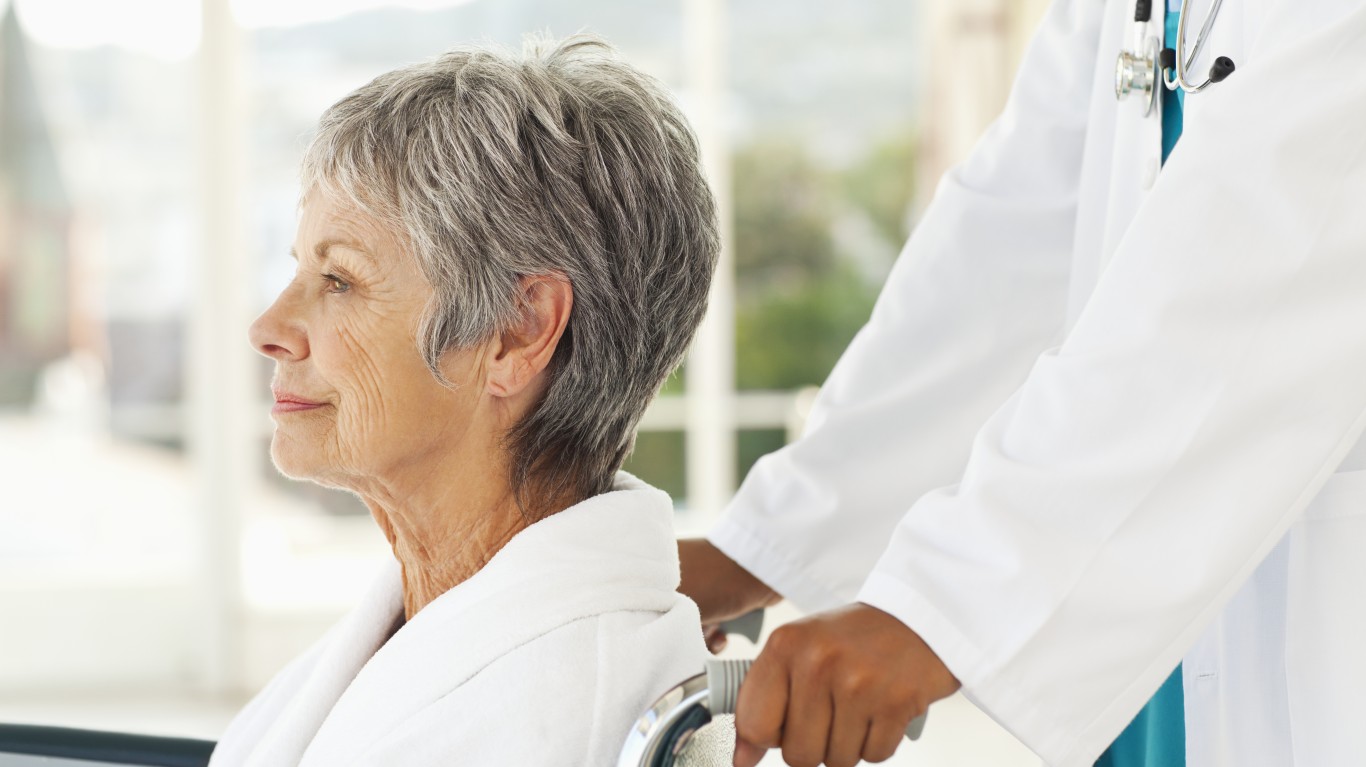
Families mix these two programs up all the time. The federal health insurance program for people 65 and older, Medicare, covers short skilled rehab stays and stops paying when the care turns long-term and custodial. The joint federal and state program for people with limited income and assets, Medicaid, pays for long-term nursing home care, but only after the couple’s countable assets fall below its limits.
Private pay gets expensive fast. A private nursing home room cost a national median of $129,575 a year in 2025, according to CareScout. That works out to about $10,798 a month.
How $500,000 Drops Out of the 2026 Medicaid Spend-Down
In 2026, the applicant partner can generally keep $2,000. The wife keeps her Community Spouse Resource Allowance (CSRA), which runs from a federal minimum of $32,532 to a maximum of $162,660 in 2026.
- Without the house: In a state that grants the full maximum, they have to spend down $535,340 before he can qualify.
- With the house: Countable assets fall to $200,000. In that same state, the spend-down shrinks to $35,340.
States set their own CSRA within the federal range. Some let the at-home partner keep the maximum outright. Others let her keep only half of the couple’s countable assets, up to the cap, so in those states her share after the purchase would be $100,000. Those states set her half on the first day of his continuous nursing home stay, so buying the house after he moves in would let her keep the full $162,660. As Clark Howard put it on his podcast, Medicaid spend-down laws “vary by state and they’re very specific by state.”
The couple will also be joining a busier mortgage market. The Mortgage Bankers Association’s Purchase Index rose 10.2% for the week ended November 20, even as the average 30-year fixed rate climbed to 7.38%. Buying with cash lets them skip that rate entirely.
Fair Market Value, Her Name on the Deed and 2 More Catches
Fair market value. When the couple buys from an unrelated seller at the going price, Medicaid handles it as trading one asset for another. If they overpay, say by buying a relative’s house above market, Medicaid can treat the extra as a gift and hit him with a penalty under its look-back rules.
Title. Couples usually put the new house in the at-home spouse’s name alone. A transfer of the home between spouses is always exempt from Medicaid’s look-back rules, so moving it to her costs nothing in eligibility. Titling it to her also keeps the house out of his estate if he dies first. And she can sell or refinance later without needing a signature from a husband who may no longer have the capacity to sign.
Estate recovery. States can’t pursue estate recovery while your spouse is still living. Once both partners have died, it depends on the state. Some recover only from probate assets. Wisconsin runs an expanded program that reaches an expanded estate: non-probate assets, life estates, and joint property. In expanded-recovery states, the house the couple protected can still end up with the state instead of the kids. Getting the deed, the paperwork on beneficiaries and the titling right is the whole ballgame here, and we put the full checklist in a free estate planning guide.
Living money. A house doesn’t buy groceries or pay property tax bills. She still needs cash for upkeep, insurance and a new roof someday. Medicaid lets the at-home partner claim part of the nursing home spouse’s income when her own falls short, with a 2026 maximum monthly maintenance needs allowance of $4,066.50. Every dollar she puts into a bigger house than she needs leaves her with less cash.
Medicaid Care Comes With Trade-Offs
Some financial voices push back on the whole idea of spending down to Medicaid. Suze Orman warned on her podcast, “If you think the care in a nursing home on Medicaid is going to be as good as when you are a private pay patient, I am here to tell you [that] you are going to make one of the biggest mistakes out there.” She also noted that “to go into a Medicaid payment, you have to go into a Medicare approved nursing home.”
So the couple is making a trade. In a full-CSRA state, buying the house keeps about half a million dollars away from nursing home bills and leaves the wife with a paid-off place to live. The cost is fewer facilities to choose from, a deed that has to be set up correctly and an estate recovery claim that may show up after they’re both gone. Families who time the purchase before the Medicaid application, pay market price and put the deed in the right name give the at-home spouse the best shot at keeping the house.
Contact [email protected] for any questions or corrections.
Gerelyn Terzo is the author of dividend investing handbook "Dividend Investing Strategies: How to Have Your Cake & Eat It Too." A veteran financial journalist, she covers agri-finance for outlets like Global AgInvesting and the broader stock market and personal finance for 24/7 Wall Street. She began at CNBC and later helped launch Fox Business in New York. Gerelyn currently resides in Woodland Park, Colorado and dabbles in nature photography as a hobby.