They Retired to a Rural Town on a Fixed Social Security Income. Then Their County Became a Pharmacy Desert.
Selling a suburban home to retire somewhere cheaper felt like the smart move until the nearest pharmacy became a 35-minute drive and a specialist visit turned into a half-day ordeal. The hidden logistics bill that comes with a rural ZIP…

This post may contain links from our sponsors and affiliates, and Flywheel Publishing may receive compensation for actions taken through them.
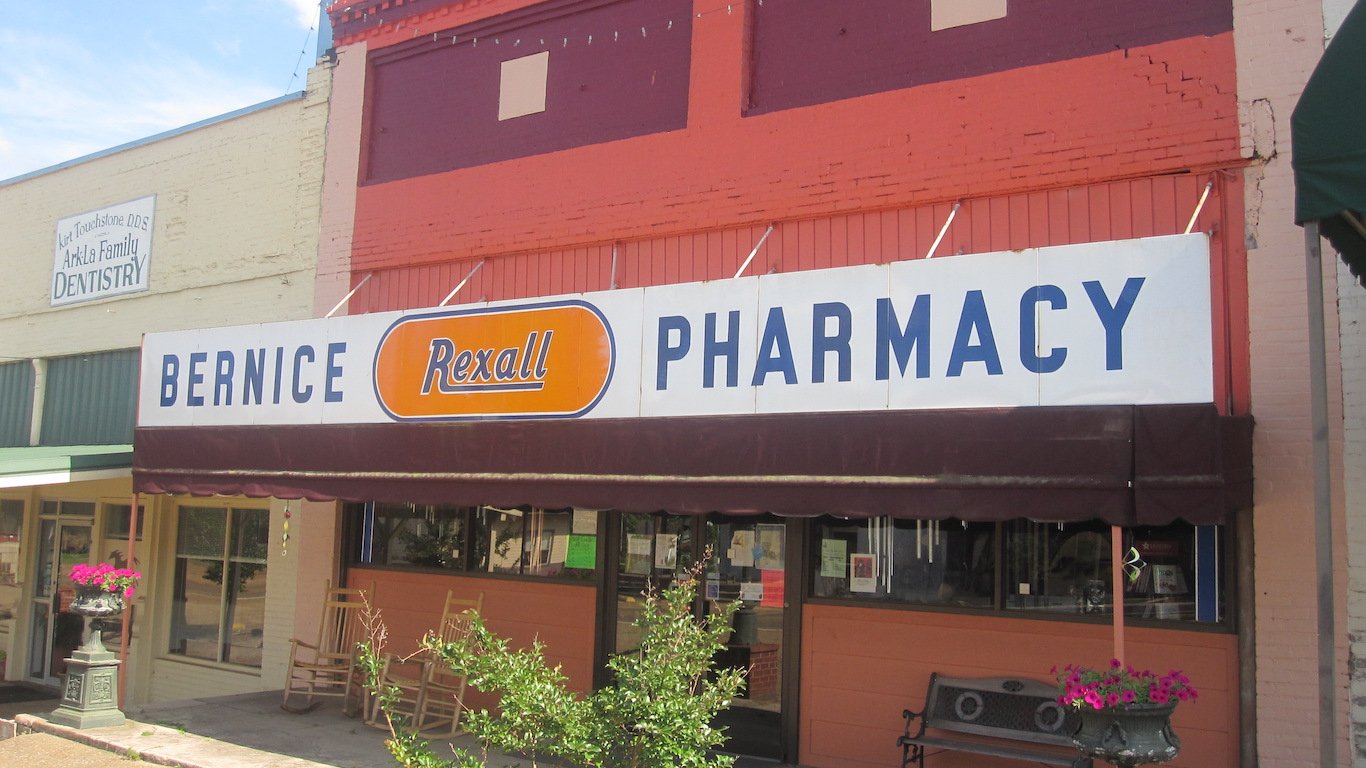
Picture a couple in their early seventies who sold a suburban house five years ago and bought a small ranch home in a rural county for less than half the price. The mortgage is gone, property taxes are low, and groceries feel cheaper. Their monthly Social Security check goes further here than it ever did in the suburbs, which is exactly why the move made sense on paper. Then their local pharmacy closes. The next nearest one is a 35-minute drive, and the specialist managing one spouse’s heart medication is now two hours away. Their county, like nearly three in four across the state, now meets the criteria for a pharmacy desert.
This is not an isolated story. It is a national pattern. A recent Illinois state-level report found more than 800 pharmacies closed over 12 years, with roughly 73% of counties meeting criteria associated with inadequate pharmacy access. Nationally, 48.4 million people — 1 in 7 Americans — now live in a pharmacy desert, defined as an area requiring a 15-minute drive or more to reach the nearest pharmacy. The closures accelerated sharply in 2025: Rite Aid completed its full shutdown after filing a second bankruptcy, Walgreens closed approximately 500 locations, and CVS shuttered another 270. Chain pharmacies now account for 62% of all closures, according to a MedPAC analysis from April 2026, but rural communities bear a disproportionate share of the harm because they often have no nearby alternative. Retirees who moved for affordability are discovering that the cheapest ZIP code can carry the highest healthcare logistics bill.
On a Reddit thread about small-town retirement, one poster described driving 90 minutes each way to pick up a monthly refill because the mail-order option kept lapsing. The couple’s fixed Social Security income made the move look affordable. What it could not price in was the cost, in time, gas, and missed doses, of getting care once they got there.
Where the COLA Helps and Where It Falls Short
The 2026 Social Security COLA came in at 2.8%. On a combined household benefit of $3,800 a month, that works out to roughly $106 more each month, or about $1,270 for the year. The question is what that money actually has to cover in a pharmacy-desert county.
Gasoline is the quiet leak. The national average sits near $4.15 a gallon as of early September 2026. Two prescription runs a month at 70 miles round trip, plus a specialist visit two hours away, can burn through $100 to $130 in fuel before counting vehicle wear. Add a delivery fee and a missed-appointment fee, and the COLA raise is spent before it has a chance to cushion anything else.
The COLA is set using the Consumer Price Index for Wage Earners (CPI-W), based on the third-quarter July through September average. That basket reflects urban wage earners, not rural retirees logging 140 miles a week to reach a pharmacy. The annual raise tends to lag the actual cost curve for people in this situation, and that gap compounds year after year.
Medicare Part D and the Mail-Order Lever
The strongest countermove is inside Medicare itself. Part D premiums vary by plan, and Part D income-related monthly adjustment amounts are either deducted from Social Security checks or billed directly to Medicare. For most couples with modified adjusted gross income (MAGI) at or below $218,000 filing jointly, there is no income-related surcharge on Part D; the base plan premium is the only drug coverage cost. (The standard Part B premium for 2026 is $202.90 a month per person, a separate line item worth factoring into the household budget.) The bigger lever on drug costs, though, is delivery.
Many Part D plans offer 90-day mail-order fills for maintenance drugs at lower cost than 30-day retail fills. For a couple managing four or five daily medications, shifting to mail order eliminates most pharmacy drives and often reduces copays at the same time. That combined saving is typically a larger win than any single COLA increase is likely to deliver.
How the Pieces Connect
Social Security is the stable floor. Everything else, including IRA withdrawals, part-time income, and pension checks, stacks on top and shapes the tax picture. Two interactions matter most.
First, provisional income and benefit taxation. Pulling extra from a traditional IRA to cover a new car or higher fuel costs can push more of the Social Security benefit into the taxable column. Spreading larger withdrawals across tax years, or using Roth funds for lumpy expenses, keeps the household in a lower bracket.
Second, IRMAA cliffs on Medicare. A one-time IRA withdrawal that spikes income in a given year can trigger a Part B and Part D surcharge two years later. That delayed expense often costs more than the pharmacy drives it was meant to solve.
What to Think Through Before You Move
The hardest mistake to undo is choosing a home based on price and view without mapping drive times to a pharmacy, a primary care doctor, and the nearest cardiologist or oncologist. Do that mapping first. Price the fuel at current pump rates, not last year’s average. Ask the Part D plan about 90-day mail order and whether current prescriptions qualify for preferred pricing. Check whether telehealth is available for routine follow-ups, which can eliminate specialist drives for stable conditions.
Social Security will keep arriving on the first of the month, and the annual raise helps. It will not, on its own, close the gap that a pharmacy desert opens. The households that navigate this best treat the COLA as a cushion rather than a plan, and rebuild logistics around mail order, telehealth, and a realistic transportation budget. Every household’s numbers land differently, so run your own before deciding what to change.
Editor’s note: This article was updated to reflect the current national average gasoline price of approximately $4.15 a gallon as of early September 2026, replacing an earlier figure of $3.85, and to add national pharmacy desert context including the 48.4 million Americans now living in areas with inadequate pharmacy access and the 2025 chain-closure wave that included Rite Aid’s full shutdown, roughly 500 Walgreens closures, and 270 additional CVS store closures.
Contact [email protected] for any questions or corrections.
Gerelyn Terzo is the author of dividend investing handbook "Dividend Investing Strategies: How to Have Your Cake & Eat It Too." A veteran financial journalist, she covers agri-finance for outlets like Global AgInvesting and the broader stock market and personal finance for 24/7 Wall Street. She began at CNBC and later helped launch Fox Business in New York. Gerelyn currently resides in Woodland Park, Colorado and dabbles in nature photography as a hobby.