She Didn’t Want to Sell the Farm. Selling the Development Rights Instead Could Still Cost Her on Social Security and Medicare.
Selling the development rights to a family farm can feel like the perfect compromise, but a single lump-sum payment has a way of showing up two years later in a place most retirees never think to look.

This post may contain links from our sponsors and affiliates, and Flywheel Publishing may receive compensation for actions taken through them.

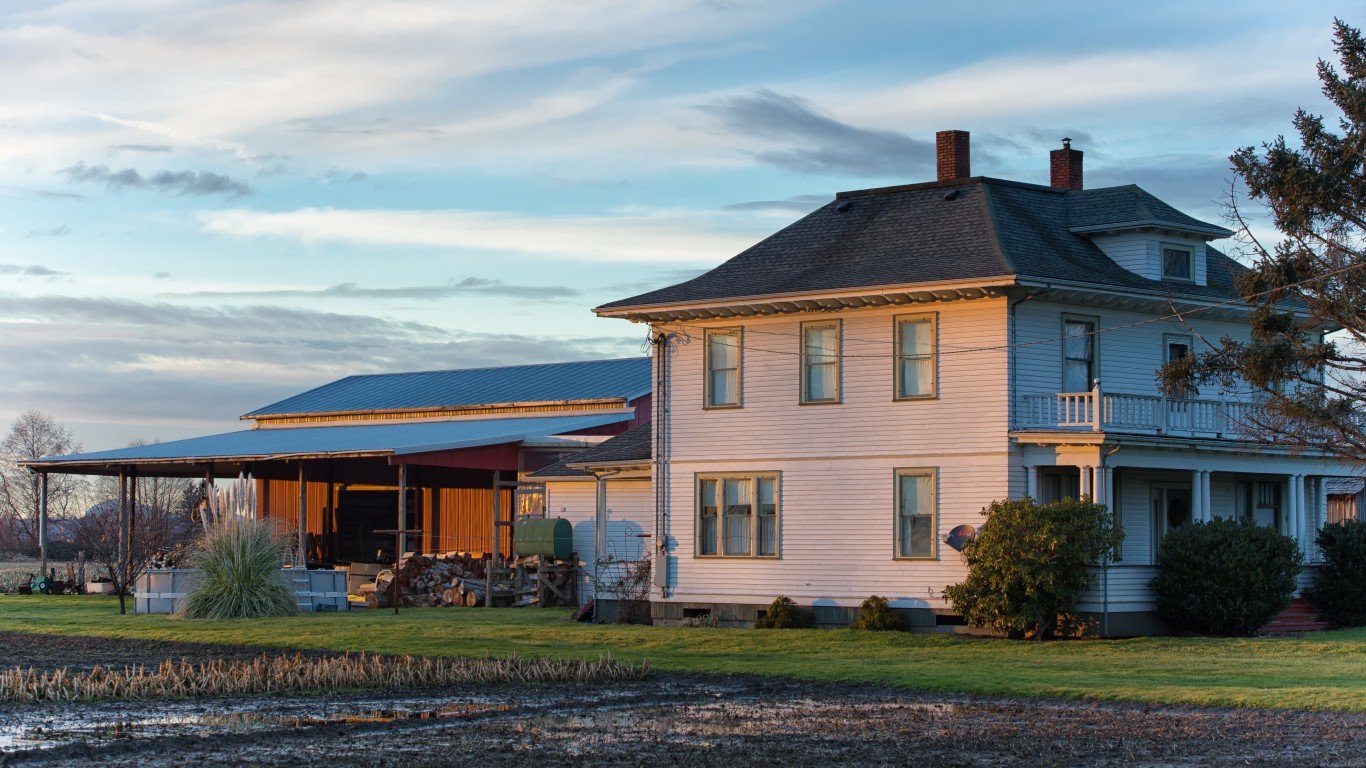
Picture a widow in her late 60s sitting on the porch of the farmhouse her husband grew up in. Around her sit roughly 100 acres of pasture, woodlot, and a spring-fed creek. Property taxes keep rising, Social Security covers most bills but not much else, and a developer has floated a number that would change her life. A land trust then asks whether she would consider selling the development rights instead, or donating a conservation easement, and keeping the farm.
Variations of this conversation are happening across rural America, and advocates in West Virginia and nationally have been pointing to arrangements that let owners preserve the land, keep the house, and either take a check or claim a potential federal tax deduction. On paper it sounds clean. In practice, the Social Security and Medicare consequences of the wrong structure can follow a retiree for years.
Why a One-Time Payment Can Silently Raise Your Medicare Bill
The single Social Security-adjacent detail that trips up retirees is the Income-Related Monthly Adjustment Amount, known as IRMAA, which raises Medicare Part B and Part D premiums for higher-income beneficiaries. Medicare does not look at this year’s income. It looks back two years, so a decision made today can show up on a premium bill in 2028.
For 2026, the standard Part B premium is $202.90 a month. Cross a certain income line, and that premium jumps, sometimes more than once. That first cliff sits at modified adjusted gross income (MAGI) above $109,000 for a single filer or $218,000 for a joint filer, with each tier above it adding a bigger surcharge on top.
Here is where a farm decision meets a retiree’s mailbox. If she sells development rights in a lump sum, that payment is taxable. A single check large enough to make the deal worthwhile can push a retiree who normally lives on Social Security and modest withdrawals well past the first IRMAA threshold, sometimes several tiers past it. Her Social Security check itself never shrinks. But two years later, a bigger bite gets taken out of it every month for a full year to cover the higher Medicare premium. The 2026 cost-of-living adjustment (COLA) of 2.8% on her benefit will not offset that.
Three Paths, Three Very Different Tax Outcomes
The paths a landowner is typically offered look similar from the driveway and behave very differently on a tax return.
- Selling development rights. A land trust or government program pays cash for the right to develop the parcel. She keeps ownership, keeps farming, keeps the house. The payment is generally taxable in the year received, creating the MAGI spike and the two-year Medicare echo. Spreading the sale over multiple tax years, when the buyer allows it, can soften the IRMAA hit.
- Donating a qualifying conservation easement. Instead of a check, she gives up the development rights and may claim a federal charitable deduction if the easement meets strict requirements. The IRS has spent years chasing down abusive versions of this deal, syndicated schemes and inflated appraisals designed to generate an oversized tax break, so a qualified appraiser and a tax attorney are not optional. This path produces no cash to live on, only a potential deduction against other income.
- Conservation partnerships and programs. Federal, state, and nonprofit programs offer other structures, sometimes annual payments, sometimes cost-share arrangements. Terms vary widely, and each has its own tax treatment.
How This Lands Inside a Real Retirement
The right question is which path fits the income she already has. A retiree drawing Social Security, a small pension, and required minimum distributions (RMDs) is often already close to an IRMAA threshold. A lump-sum rights sale layered on top can push her into a bracket that also makes more of her Social Security taxable and raises the ordinary rate on her IRA withdrawals in the same year.
A donated easement avoids the MAGI spike but produces no grocery money, and the deduction is only useful if she has enough taxable income to absorb it. For a retiree whose income is mostly Social Security, the annual deduction limit, capped at a share of adjusted gross income (AGI), can mean she uses only a small slice of it each year. The unused portion carries forward for up to 15 years, so the tax benefit isn’t lost, but it can take a very long time for someone on a modest fixed income to capture the full value.
What to Think Through Before Signing Anything
The mistake hardest to undo is signing a deed of easement, whether sold or donated, before running the numbers with a qualified tax professional and a qualified independent appraiser. The easement is permanent. The tax bill and Medicare surcharge are not, but they arrive on their own schedule, and by then the paperwork is filed.
Two questions worth sitting with before any meeting with a land trust: What does my MAGI look like the year of the transaction, and two years after? Do I need cash from this land, or a deduction, or simply the peace of knowing it will not be subdivided after I am gone? The right answer changes depending on which of those three you actually need. Every farm, every family, and every tax return is different, and the details that seem small at the kitchen table are often the ones that decide how the deal ages.
Contact [email protected] for any questions or corrections.
Gerelyn Terzo is the author of dividend investing handbook "Dividend Investing Strategies: How to Have Your Cake & Eat It Too." A veteran financial journalist, she covers agri-finance for outlets like Global AgInvesting and the broader stock market and personal finance for 24/7 Wall Street. She began at CNBC and later helped launch Fox Business in New York. Gerelyn currently resides in Woodland Park, Colorado and dabbles in nature photography as a hobby.