At 59, She Was Told to Wait for Social Security. A Paid Apprenticeship Is Replacing the Zeros in Her Record.
A layoff at 59 left her staring at years of zeros on her Social Security record, and the standard advice told her the damage was done. But one regional program is offering a path that could quietly rewrite the math…

This post may contain links from our sponsors and affiliates, and Flywheel Publishing may receive compensation for actions taken through them.

The Layoff That Looked Like a Dead End
She spent nearly three decades moving through jobs that paid the bills, but layoffs and part-time stretches left several low or blank years on her Social Security statement. When another layoff arrived at 59, the advice sounded familiar: It is too late to start over. Hold on until 62, claim Social Security, and make the smaller check work. Then a paid apprenticeship program in her region offered another path. She could train for a new occupation while collecting a paycheck, with wages increasing as her skills improved.
That distinction changes everything. The old retraining model asks a late-career worker to stop earning, pay tuition, and drain savings. A registered apprenticeship is a job from the first day. She earns while learning, and covered wages continue flowing onto her Social Security record instead of leaving another zero at precisely the wrong time.
Why the Highest 35 Years Matter
Social Security calculates retirement benefits using a worker’s 35 highest years of wage-indexed earnings. Someone with fewer than 35 years receives a zero for every missing year. Low-earning years also remain in the calculation until stronger years push them out. That gives late-career work more leverage than many people assume.
Suppose she reaches age 59 with 31 years of covered earnings and four zeros. One paid apprenticeship year does not get added as a 36th year and disappear into the pile. It replaces one of those zeros. If she continues working after training, each additional year can replace another zero or a weak part-time year.
She also has more runway than the phrase “late career” suggests. At 59, she has eight years until her full retirement age (FRA) of 67. That is potentially eight new earnings years available to repair the record. The effect will not be identical for everyone. A worker who already has 35 strong years may see only a modest increase because new wages must displace an earnings year that was already solid. Someone carrying zeros can get more movement from the same paycheck.
The Paycheck Must Be Covered Earnings
Getting paid is not enough by itself. What matters for Social Security is whether the payment is covered wages or net self-employment income on which Social Security taxes are paid. A registered apprenticeship is generally a paid job, with wages reported by the employer and progressive increases as the apprentice gains skills. Those wages ordinarily appear on the worker’s Social Security record.
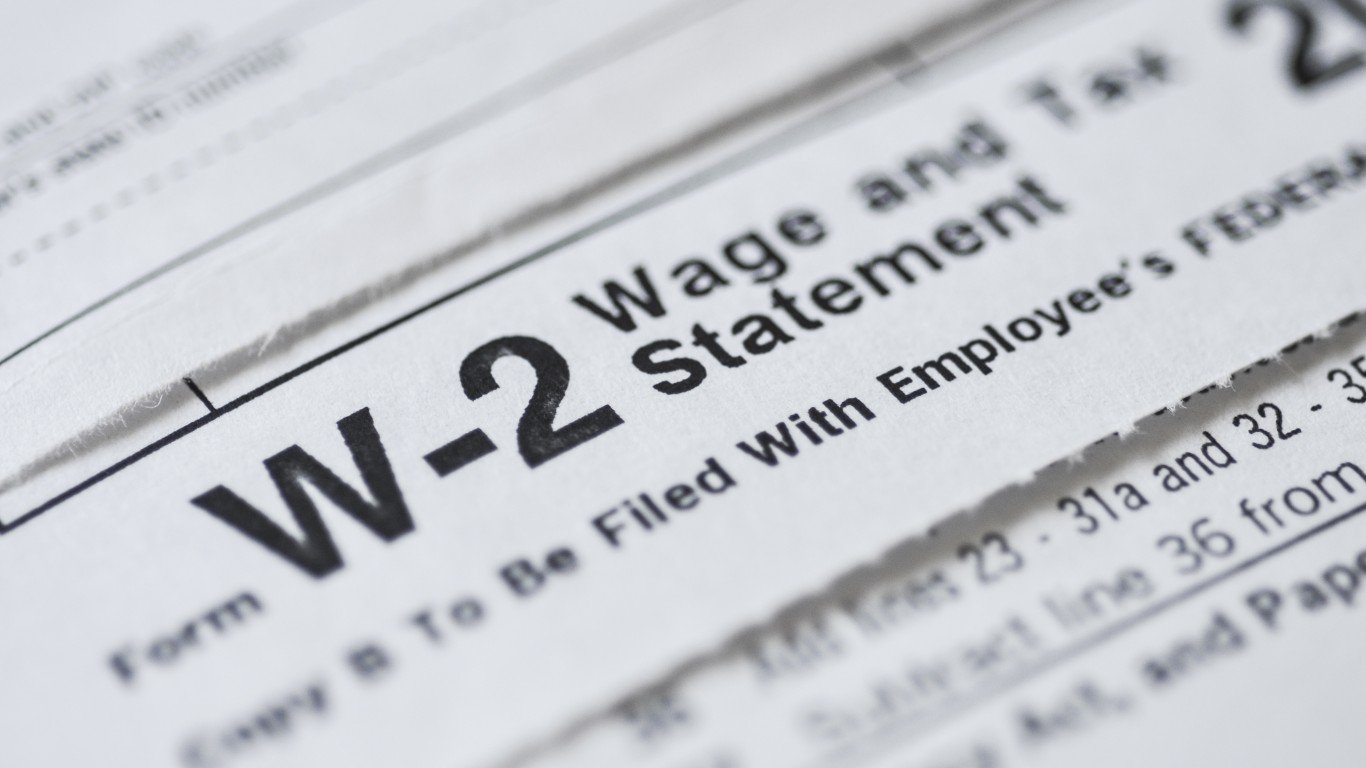
A training stipend, tuition allowance, unemployment benefit, or grant may follow different rules and may not create covered earnings. Before enrolling, she should ask whether participants are employees, whether they receive a W-2, and whether Social Security tax will be withheld. The answer determines whether the program merely pays her bills or also improves her retirement record.
How the Apprenticeship Changes Claiming
The paycheck provides a second benefit: room to delay Social Security. For anyone born in 1960 or later, claiming at 62 lowers the retirement benefit by 30% compared with starting at the FRA of 67. If her benefit at 67 would be $2,400 a month, filing at 62 lowers it to approximately $1,680.
Waiting is not automatically better. She gives up checks in the meantime, and health, longevity, and household needs matter. But a paycheck makes waiting possible. It can cover current expenses while stronger earnings years improve the benefit calculation underneath. The apprenticeship therefore works on both sides of the equation. It may replace zeros in the 35-year record, and it can reduce the pressure to accept the largest permanent early-claiming reduction.
What to Check Before Enrolling
Three details carry most of the decision:
- Pull the Social Security earnings record and count the zero or low years. A my Social Security account also allows workers to adjust projected future earnings and see how different assumptions affect the estimate.
- Confirm that the apprenticeship pays covered wages. Ask about employee classification, payroll taxes, starting pay, scheduled raises, and whether completing the program leads to continued employment.
- Compare benefits at 62, 67, and 70 alongside the apprenticeship wages. The largest gain may come from a combination of replacing weak earnings years and delaying the claim.
At 59, she was told the useful part of her working life was nearly over. Social Security’s own formula says otherwise. Eight more years can still rewrite a surprising amount of the record.
Contact [email protected] for any questions or corrections.
Gerelyn Terzo is the author of dividend investing handbook "Dividend Investing Strategies: How to Have Your Cake & Eat It Too." A veteran financial journalist, she covers agri-finance for outlets like Global AgInvesting and the broader stock market and personal finance for 24/7 Wall Street. She began at CNBC and later helped launch Fox Business in New York. Gerelyn currently resides in Woodland Park, Colorado and dabbles in nature photography as a hobby.