Resolutions to Block Arms Sales to Israel Defeated, Plus the Most Pro-Israel US Presidents
Two resolutions introduced by Senator Bernie Sanders were recently defeated in the U.S. Senate by an overwhelming margin. The live vote involved two separate issues; one was aimed at $675 million in bomb sales to Israel, while the other regarded…


Two resolutions introduced by Senator Bernie Sanders were recently defeated in the U.S. Senate by an overwhelming margin. The live vote involved two separate issues; one was aimed at $675 million in bomb sales to Israel, while the other regarded blocking transfers of assault rifles to Israel. The first resolution resulted in a 27-70 vote, while the latter was defeated in a 24-70 vote. The results highlight on-going political resistance to restricting firearms sales to Israel. This, despite humanitarian conditions within Gaza worsening at a swift rate.
Since the founding of Israel in 1948, the United States has been a close ally, though there has been a varying degree of support from different presidents. Based on each president’s policies, we’ve put them in order from the least supportive to the most supportive.
This post was updated on August 6, 2025 to include recently defeated resolutions in the Senate.
Why We’re Covering This

Israel and the United States are close economic partners, with America continuing to aid the smaller country in its military endeavors. The Israel-Gaza war has been the center of much debate, mostly regarding mistreatment of Gaza citizens and broader ethical concerns. This controversy-sparking issue raises bigger questions surrounding humanitarian issues.
11. Dwight D. Eisenhower
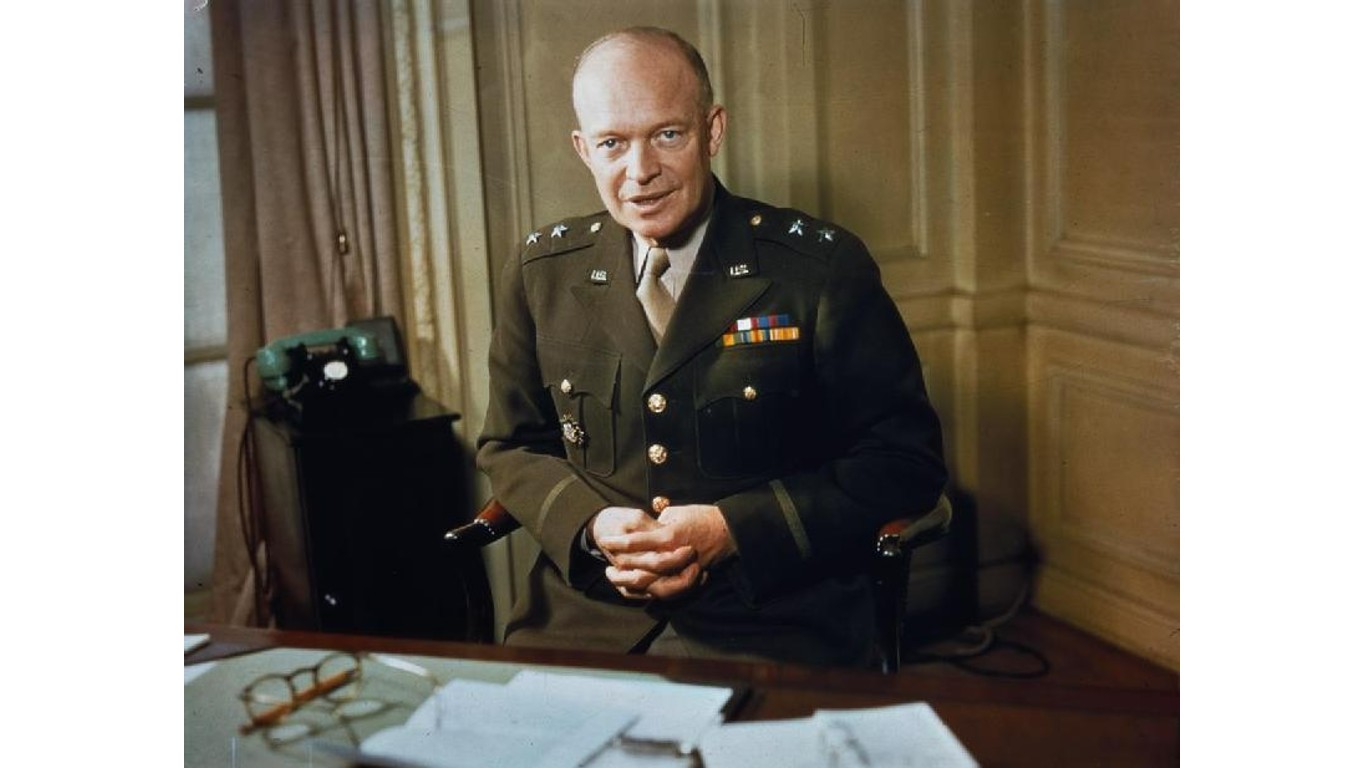
Eisenhower expressed a lot more caution towards Israel than other presidents. He also placed pressure on Israel during the 1956 Suez Crisis, eventually forcing Israel to withdraw from the Sinai Peninsula.
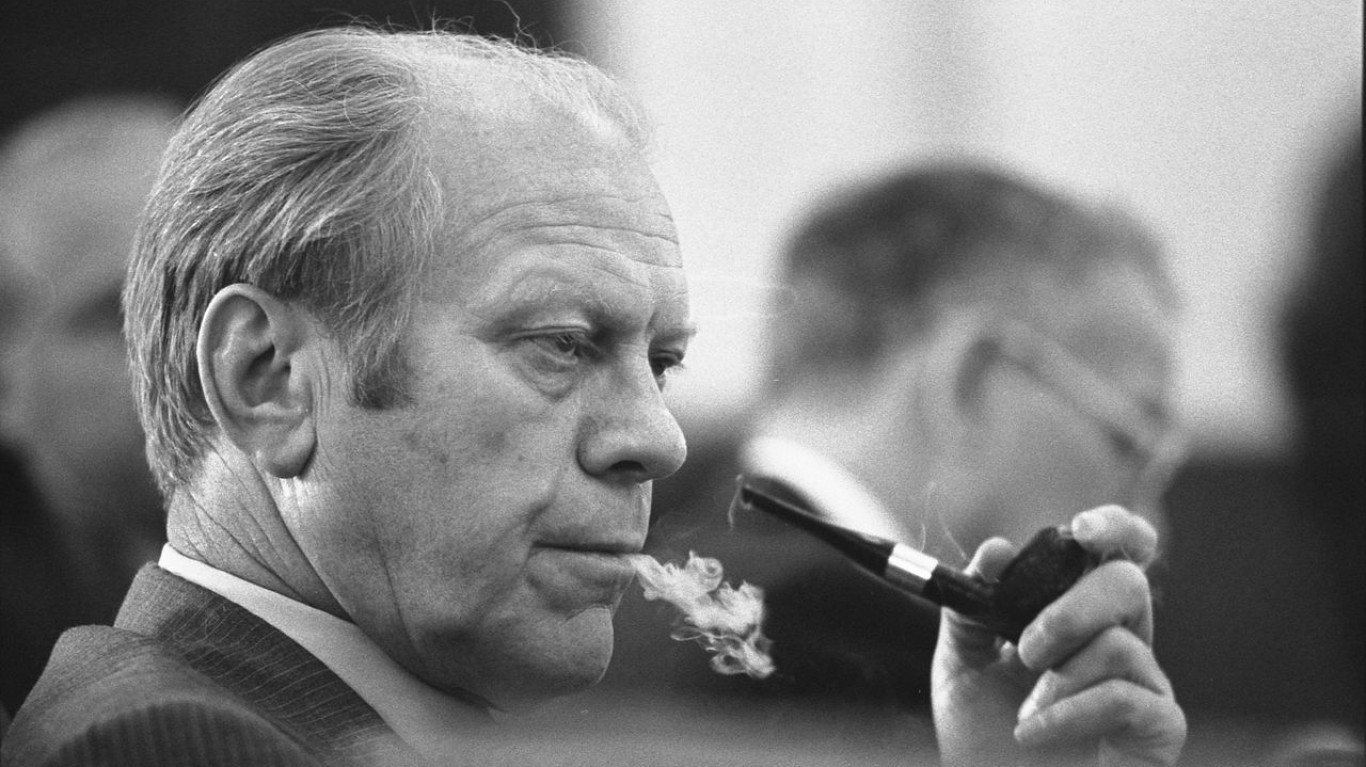
10. Gerald Ford
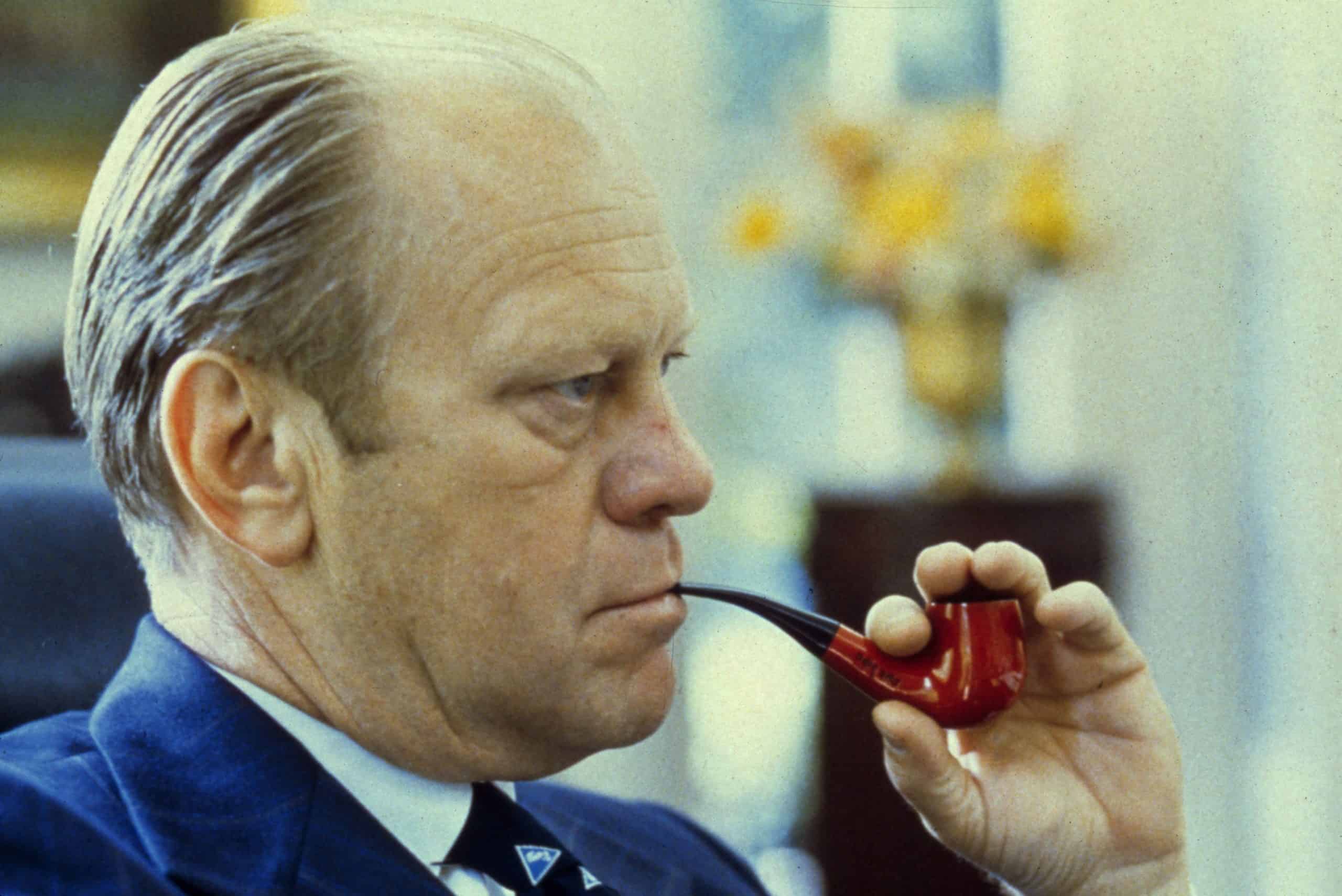
Gerald Ford did continue military support to Israel, but relations were strained over Israel’s unwillingness to enter into peace talks with Egypt. He even briefly suspended military aid in 1975.
9. Jimmy Carter
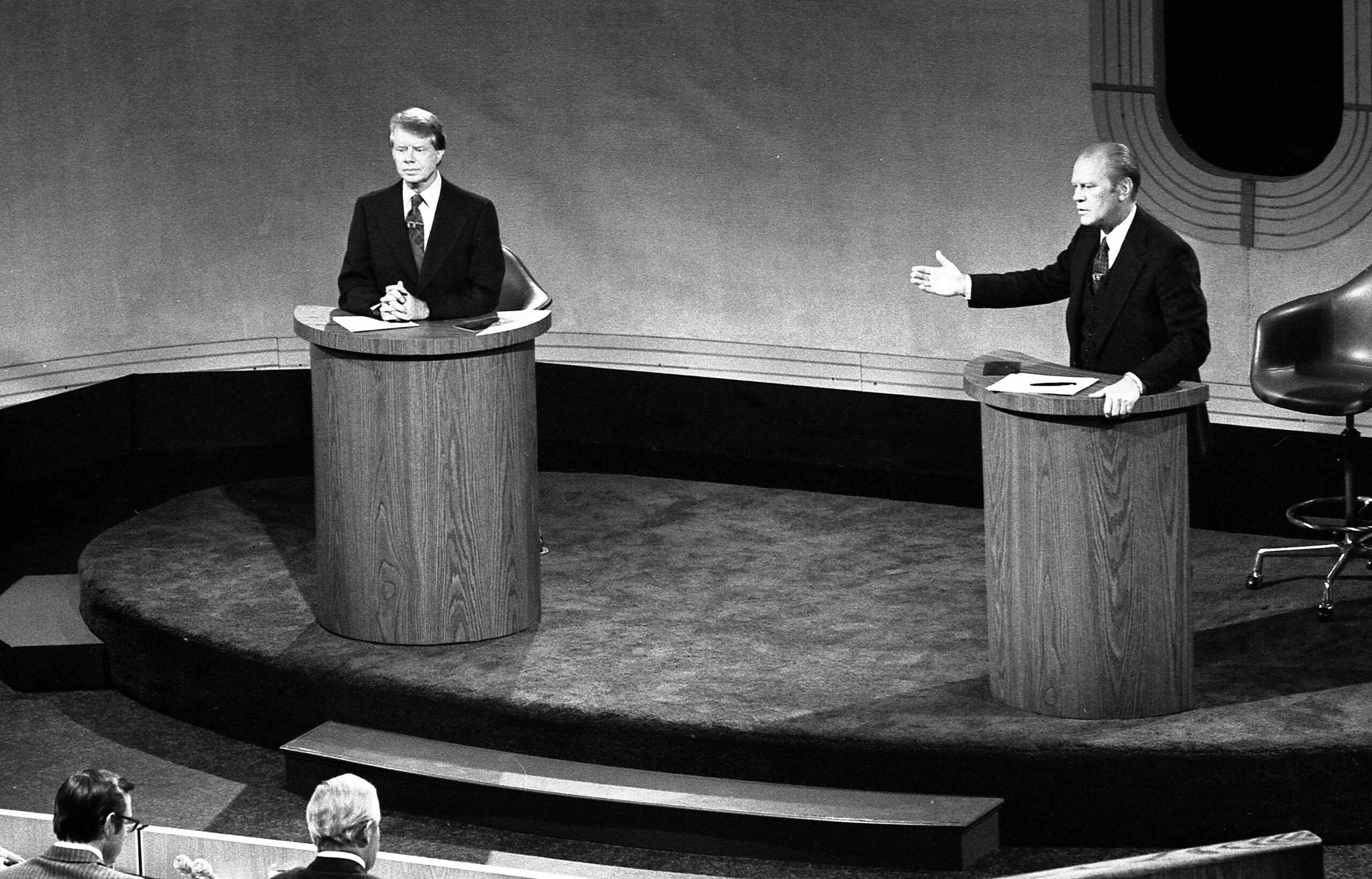
Jimmy Carter continued aid to Israel, but he did pressure Israel to make concessions for peace. He’s best known for his role in the Camp David Accords, which led to peace between Israel and Egypt.
8. George H. W. Bush
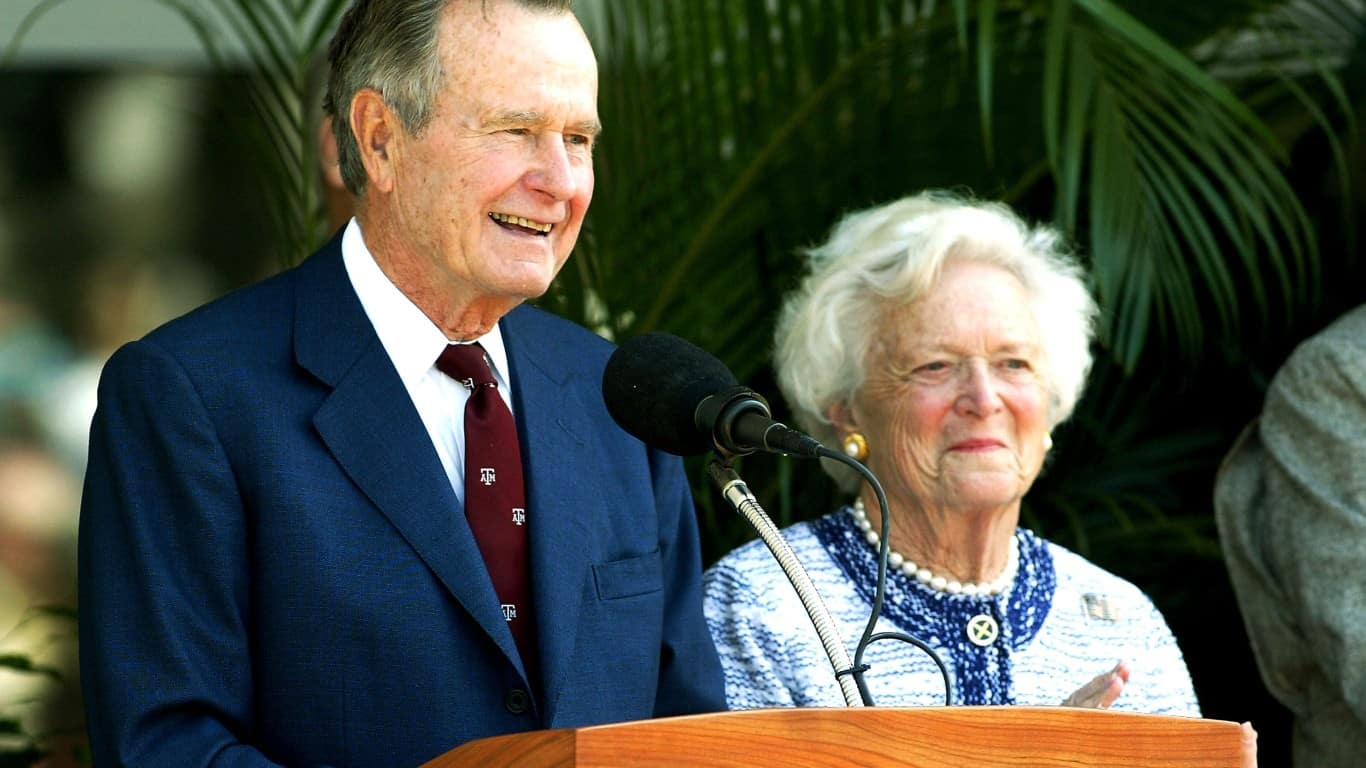
Bush was critical of Israel, though military and economic aid continued. Bush did withhold some loan guarantees to pressure Israel into halting construction.
7. Barack Obama
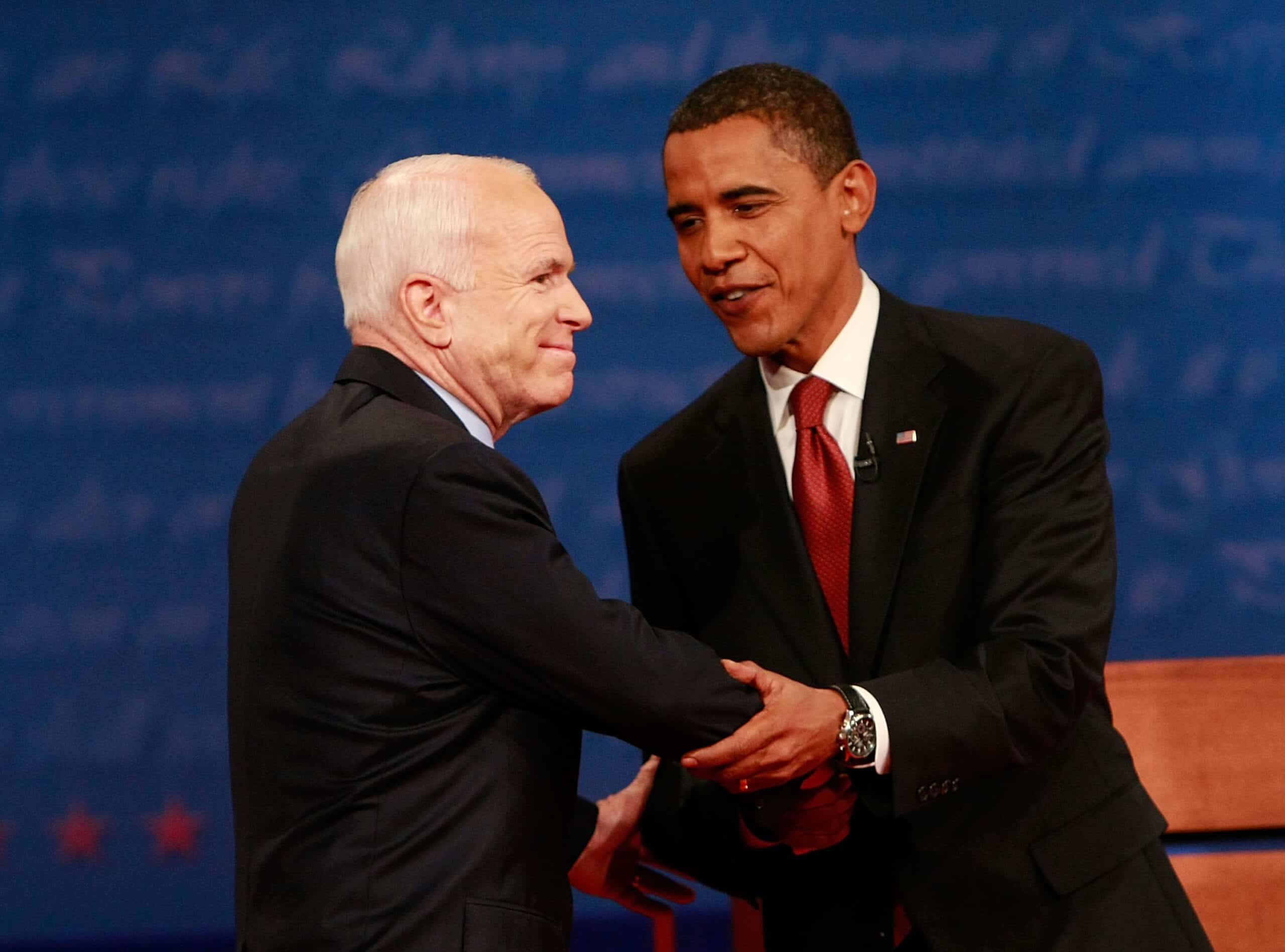
Obama’s relationship with Israel was complex. He increased military aid and supported Israel’s defense system. However, he was also critical of Israel and supported the Iran nuclear deal.
6. John F. Kennedy

Kennedy was the first U.S. president to sell advanced weapons to Israel, marking a shift toward military support. He also approved surface-to-air missiles to Israel, which signaled America’s continued military backing.
5. Richard Nixon
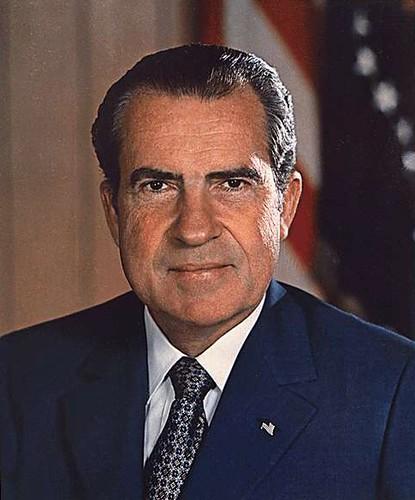
Richard Nixon provided substantial military aid, particularly during the 1973 Yom Kippur War. He did pressure Israel to enter peace talks, but his policy towards Israel was generally supportive.
4. Lyndon B. Johnson
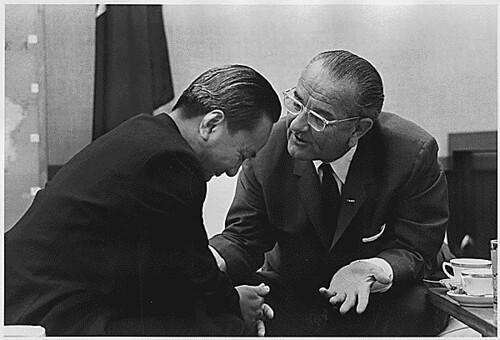
Johnson increased direct military assistance to Israel and supported them through the 1967 Six-Day War.
3. Ronald Reagan
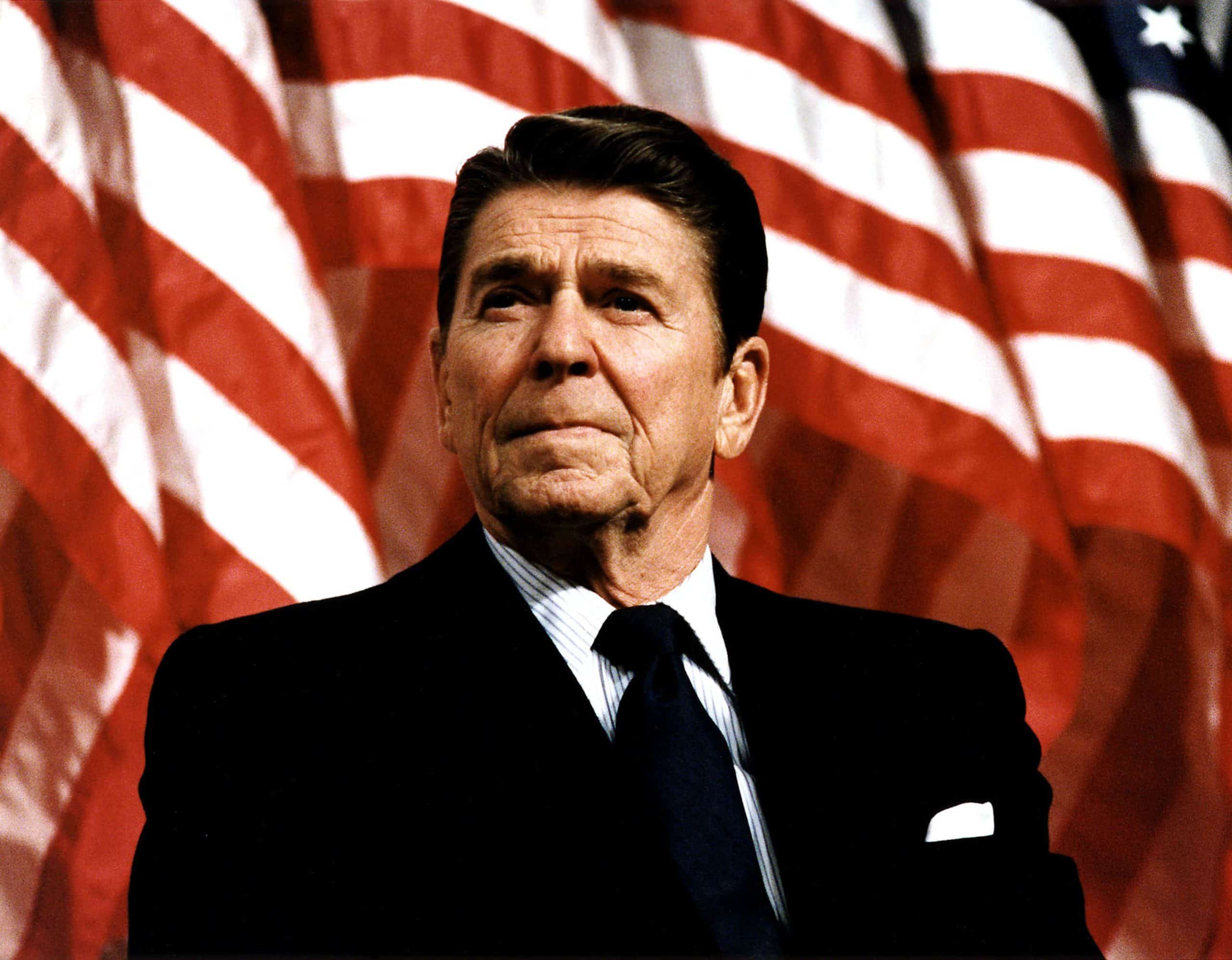
Reagan was very supportive of Israel, providing increased military aid and advanced technology to help Israel fend off growing threats. There were some tensions, but Reagan was overall very supportive.
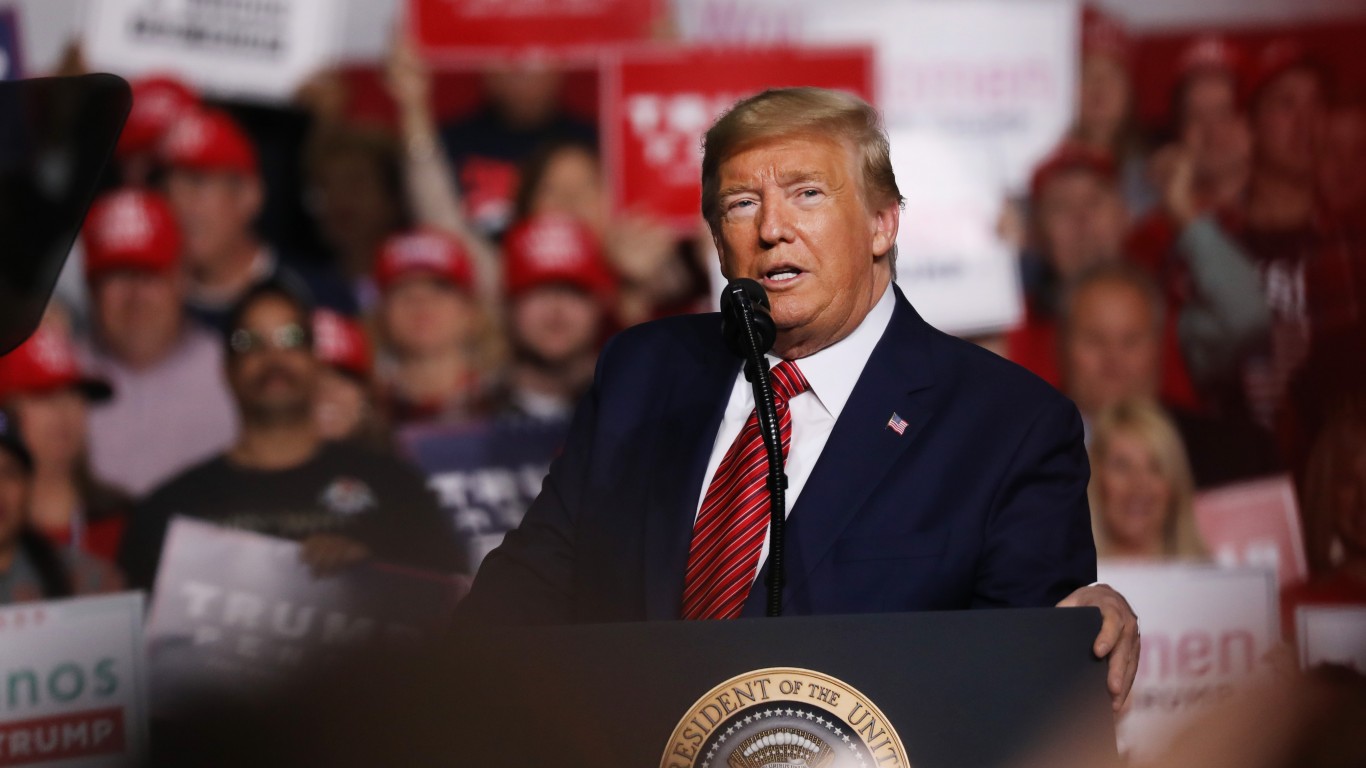
2. Donald Trump
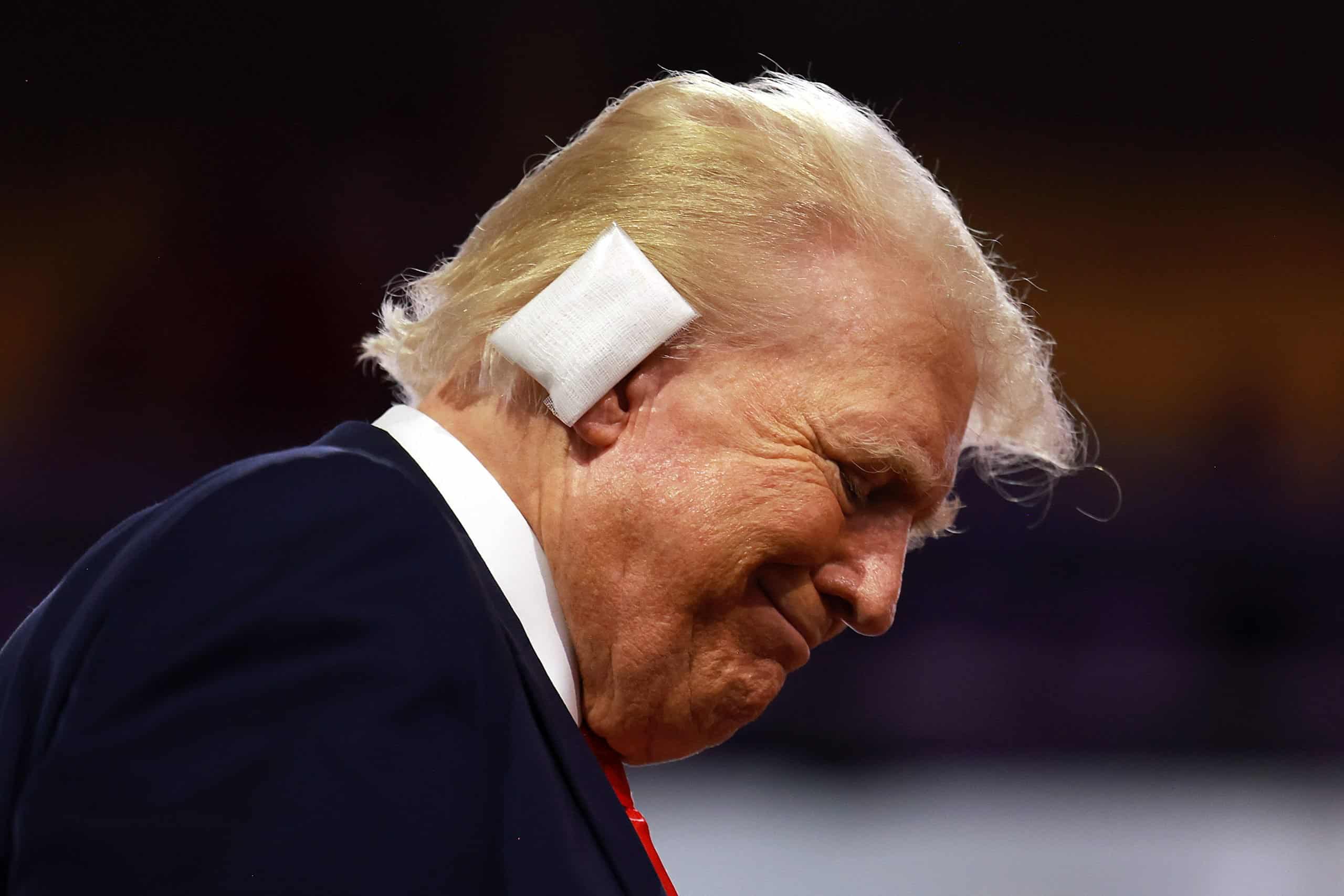
Trump is extremely supportive, recognizing Jerusalem as Israel’s capital and facilitating the Abraham Accords. He also maintains high levels of military aid to Israel.
1. Joe Biden
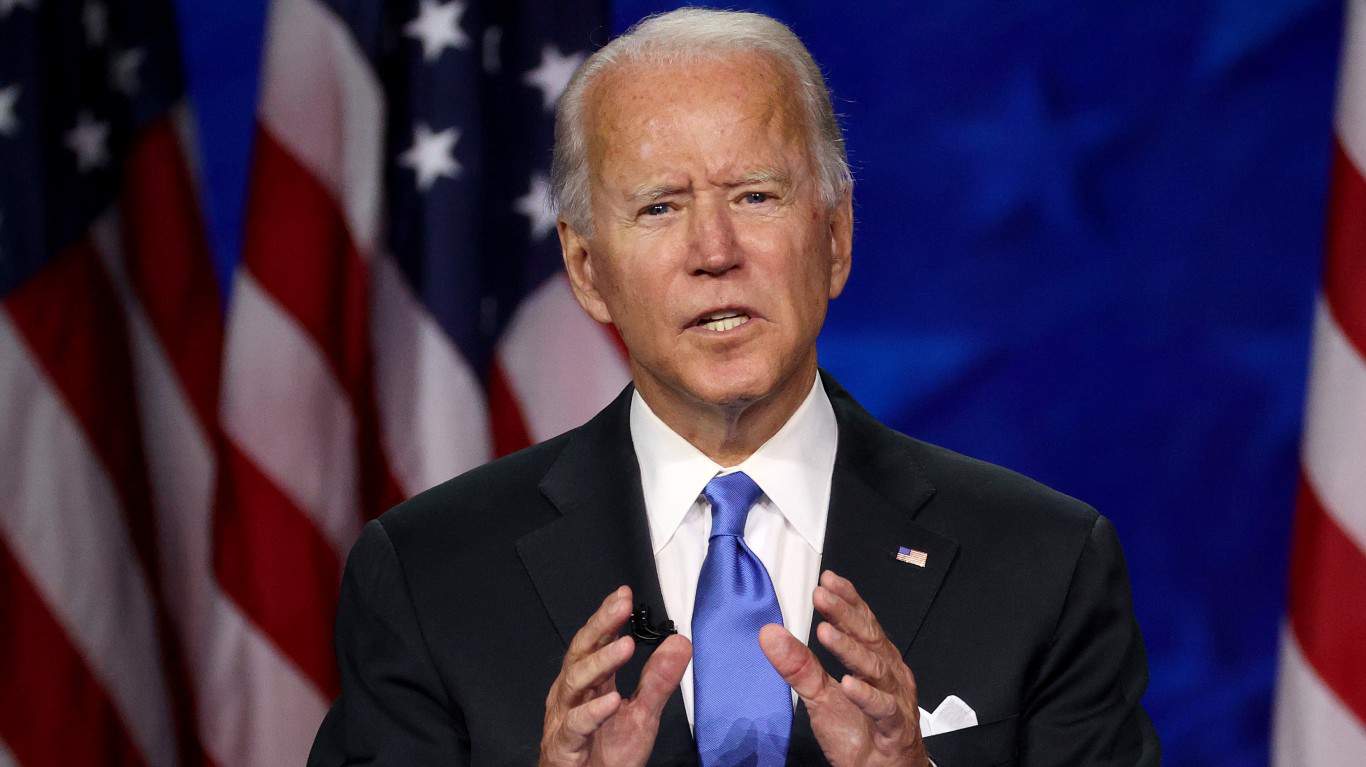
Biden provided continued military and economic aid to Israel, though he applied some diplomatic pressure for peace efforts.
Contact [email protected] for any questions or corrections.
Kristin Hitchcock is a financial expert who has been writing on topics related to retirement for over eight years. Her knowledge spans a wide range of areas, including navigating the complexities of Social Security, developing sustainable investment strategies, and helping individuals achieve their retirement goals.
Throughout her career, she has written for various platforms, including several retirement communities, to ensure that seniors have access to clear and actionable financial advice.
Kristin is also an active investor with more than ten years of experience in a diverse range of investment strategies, including short-term trades, dividend stocks, and options. She enjoys simplifying complex trading concepts by writing easy-to-follow guides that help readers meet their investment goals.