Forgotten Colonies: Small Countries That Tried to Claim North America
The history of the settlement of the New World focuses on the big dogs: Britain, France, Spain, and Portugal. But a handful of smaller countries tried to get in on the deal, too, before getting shut out. What might America…

The history of the settlement of the New World focuses on the big dogs: Britain, France, Spain, and Portugal. But a handful of smaller countries tried to get in on the deal, too, before getting shut out. What might America be like today if they had persisted?
24/7 Wall St. Insights
- Denmark, Sweden, and the Netherlands all had colonies in North America but were overtaken by larger and more aggressive European countries.
- Had they kept their colonies, there would likely be more than one country on the east coast of the United States.
- Check out: 2 Dividend Legends To Hold Forever and Discover “The Next NVIDIA
Colonization of North America
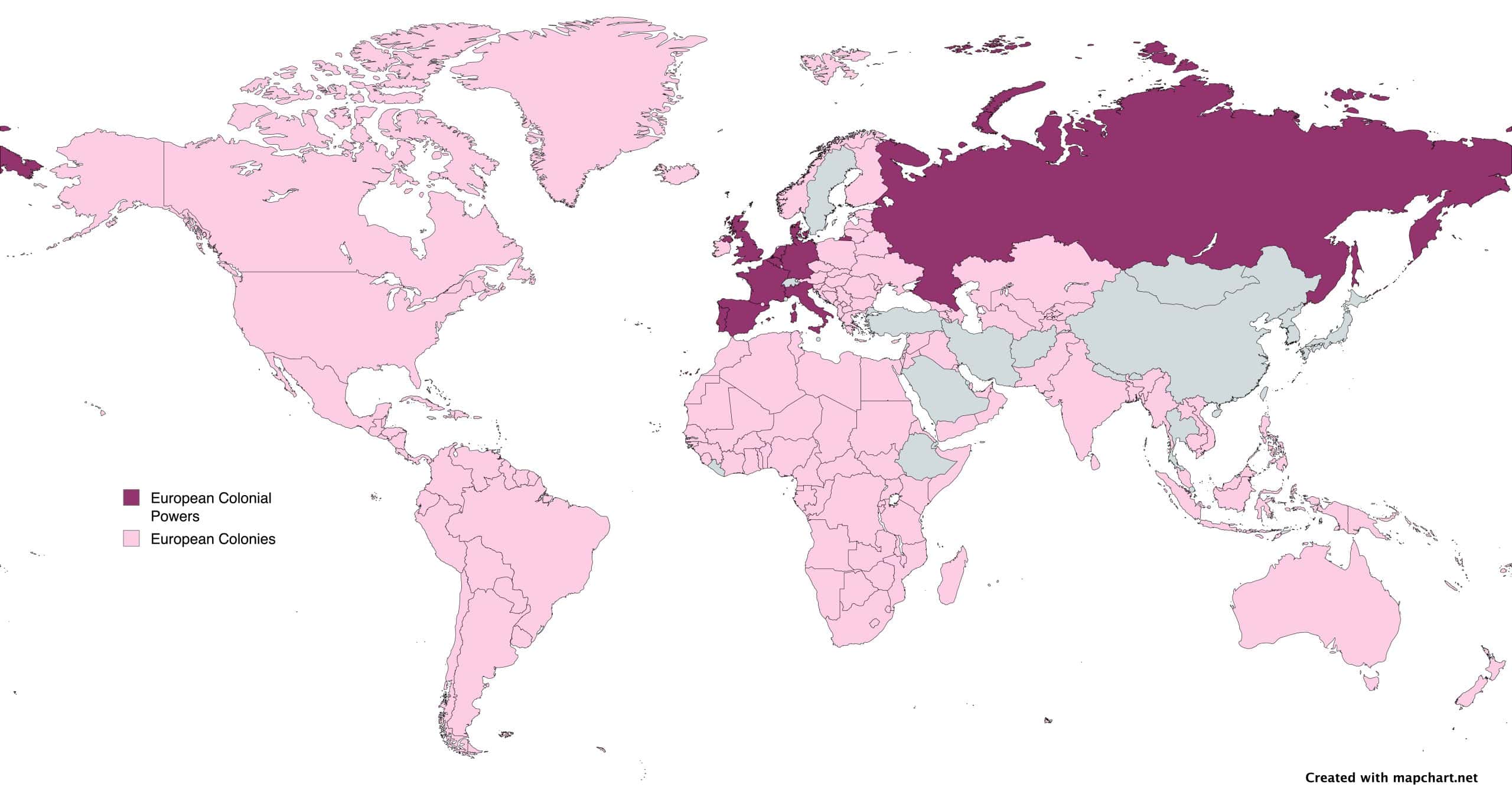
Starting in the 15th century, Portugal began exploring the African coast searching for a shorter route for trade with Asia. Not to be outdone, Spain sponsored Columbus’ voyage due west and discovered the New World. Spain and Portugal came to dominate South and Central America with Britain and France fighting for control of North America. But before either of them were well-established, three smaller countries tried to get a foothold on the continent: Denmark, Sweden, and the Netherlands.
1. Denmark
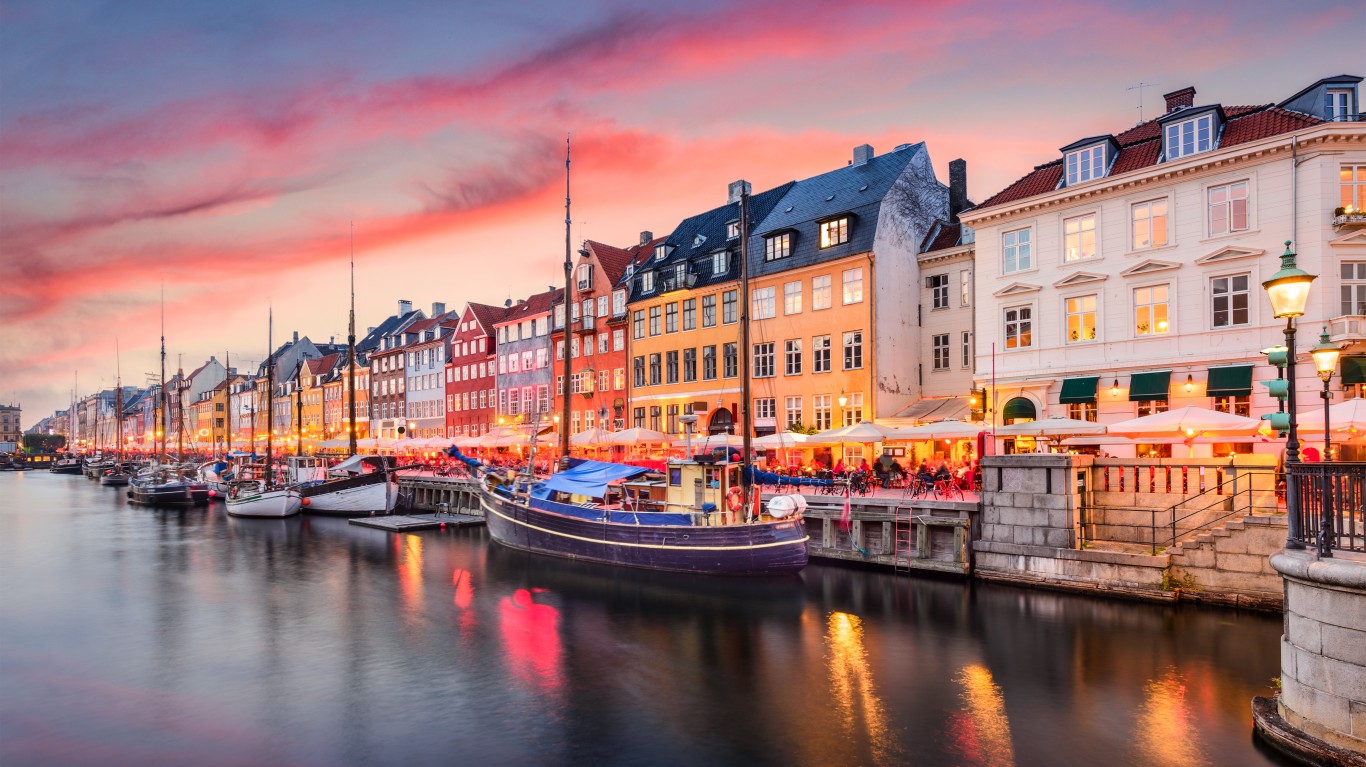
Denmark is one of the smaller countries of Europe and does not have very many natural resources. With its ports on the North Sea, it was well-positioned to develop into a seafaring country that could compete with its competitors in lucrative colonial trade.
Greenland
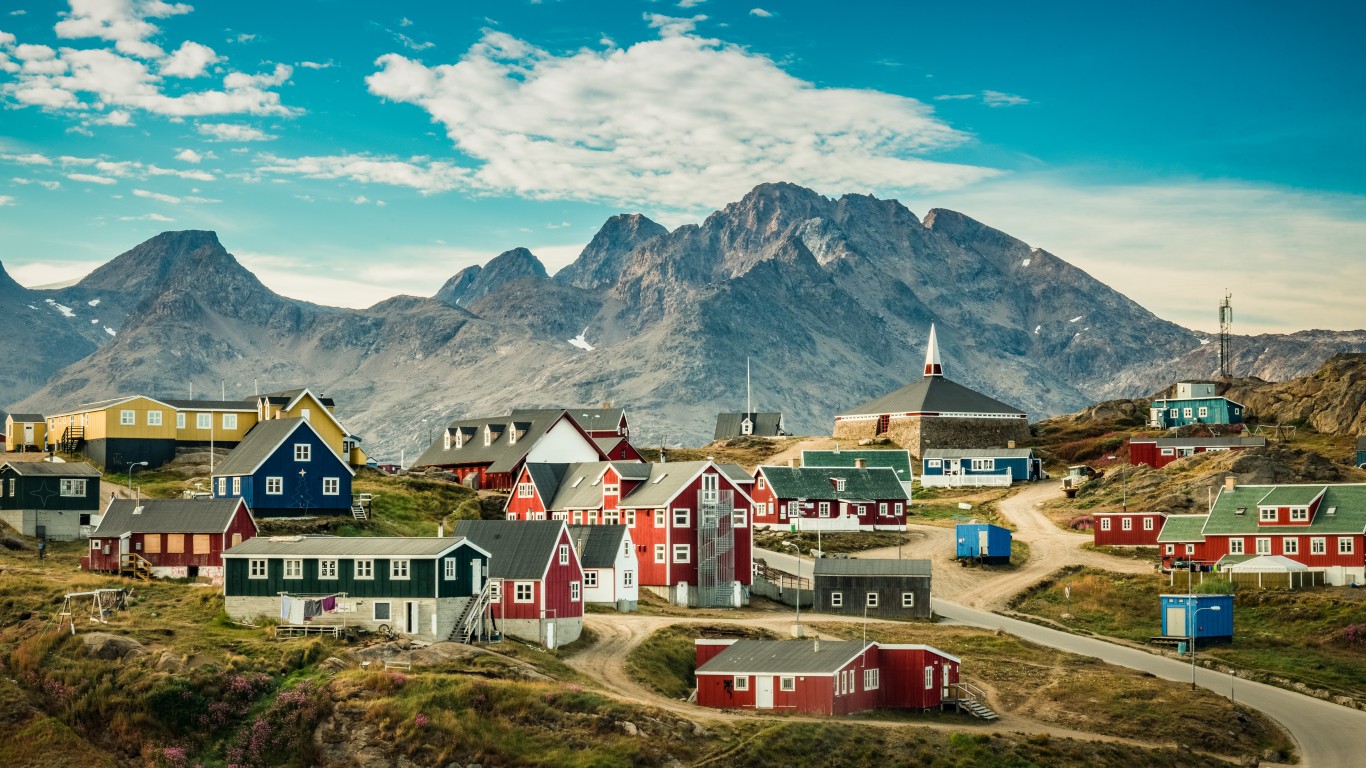
Denmark could be considered the most successful colonizing power in the New World, because it has been in possession of Greenland for 800 years, since the 13th century. Greenland is a self-governing region of Denmark today but is gradually moving toward full independence. The United States has offered multiple times to buy it because of its strategic location and potential mineral wealth, but neither the Danes nor the Greenlanders are interested in selling.
Danish West Indies
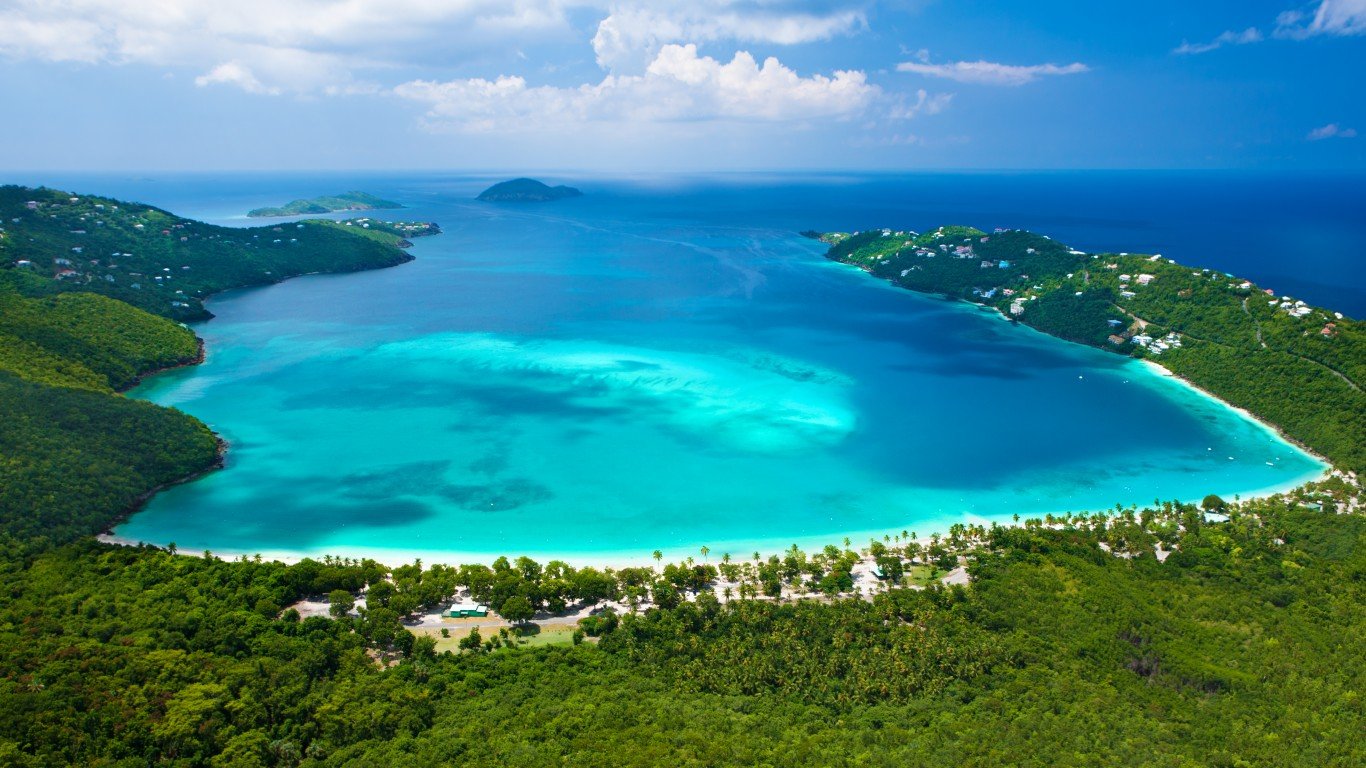
The Danish West Indies consisted of three Caribbean islands: Saint Thomas, Saint John, and Saint Croix. Denmark sold them to the United states in 1917, and today they are the Virgin Islands, an American territory.
2. Sweden
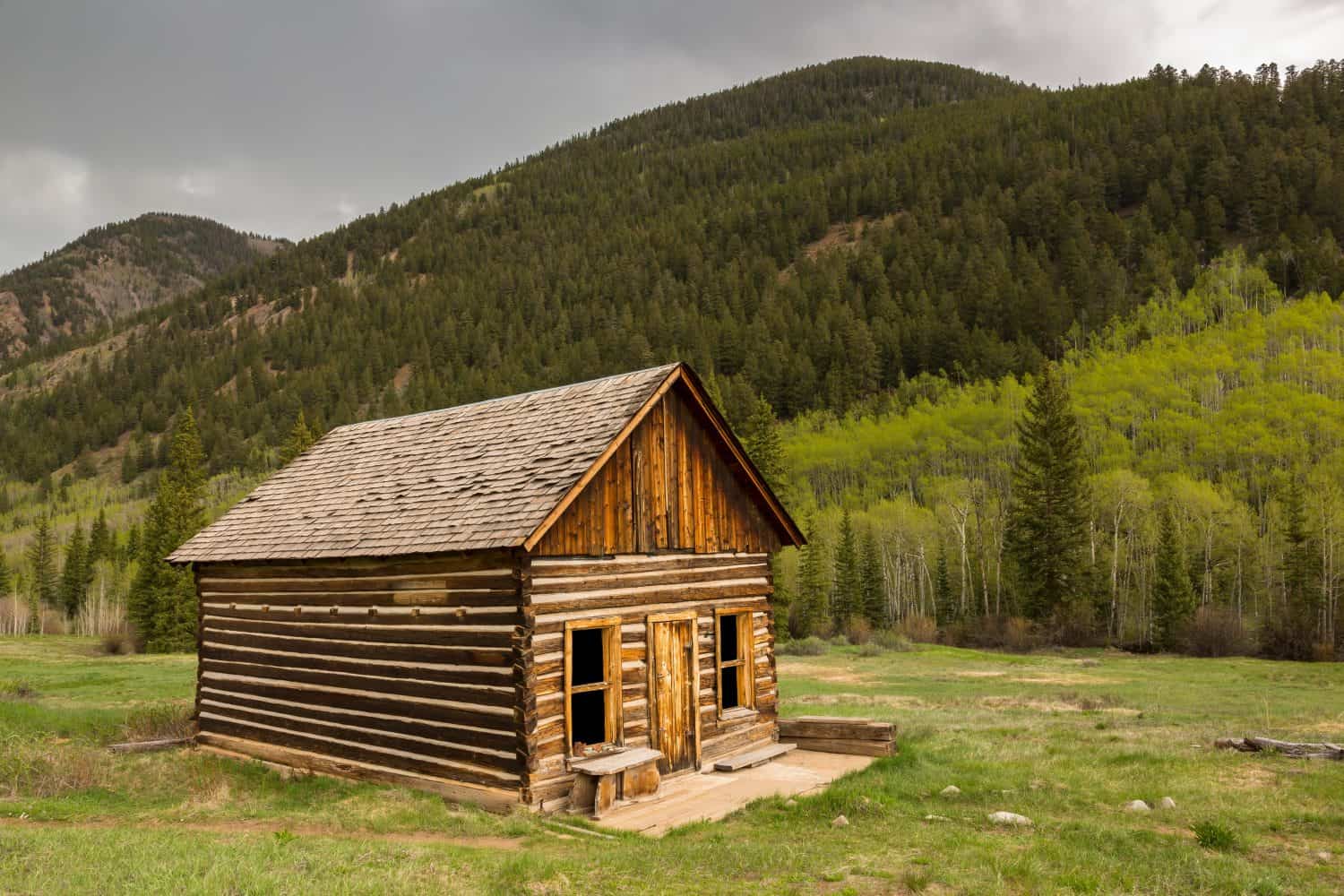
Sweden was pretty much a land power as all of its coastline was on the Baltic Sea and it had to pass through a maze of Danish islands to reach the North Sea and Atlantic. This stopped Sweden from becoming a great international colonial power. However, one hugely important innovation the Swedes introduced to North America was their method of building log cabins, which became standard colonial architecture in the early stages of settlement.
New Sweden
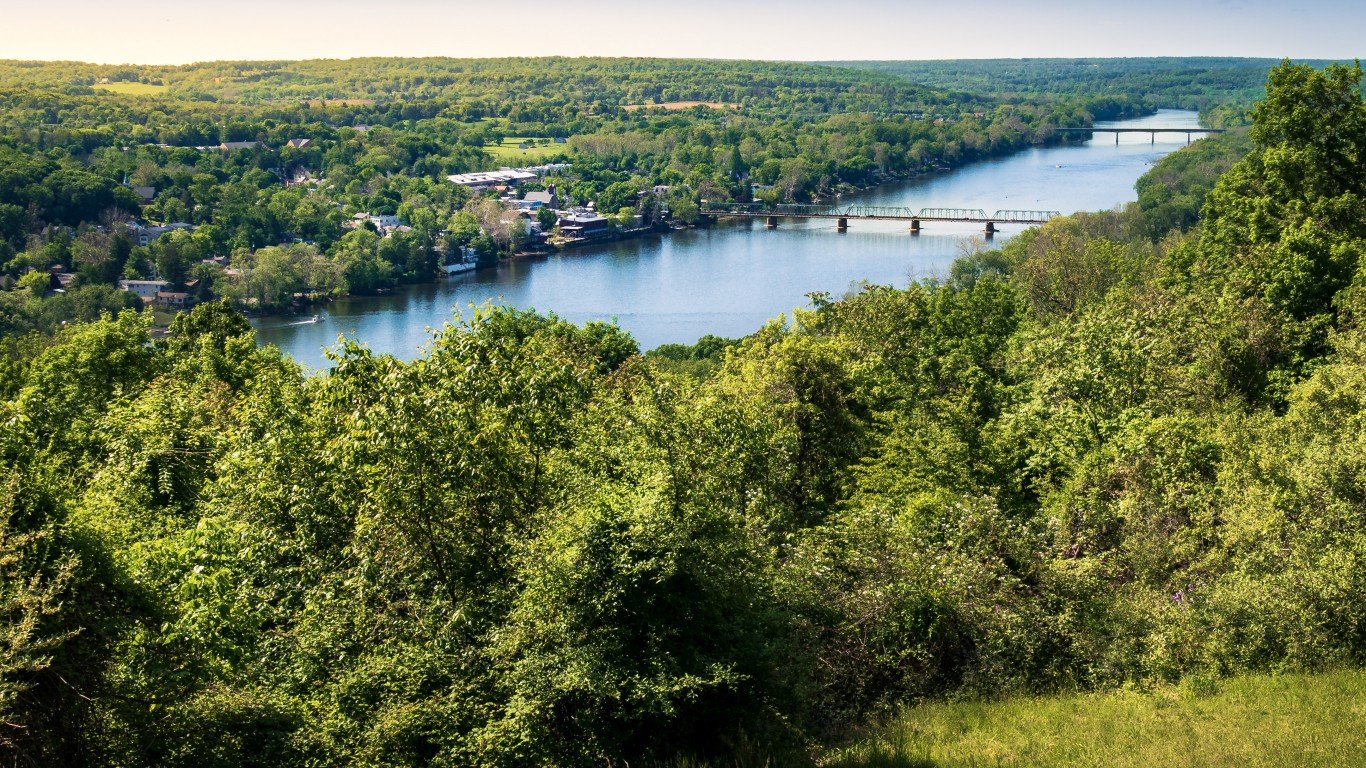
Swedish explorers established New Sweden along the banks of the Delaware River in the tristate area of Delaware, Pennsylvania, and New Jersey and portions of Maryland. It included the present-day cities of Wilmington, DE and Philadelphia, PA, which are the largest cities in their states. The colony operated from 1638-1655. While Sweden was distracted with a war in Europe, the Netherlands took over the colony.
3. Netherlands
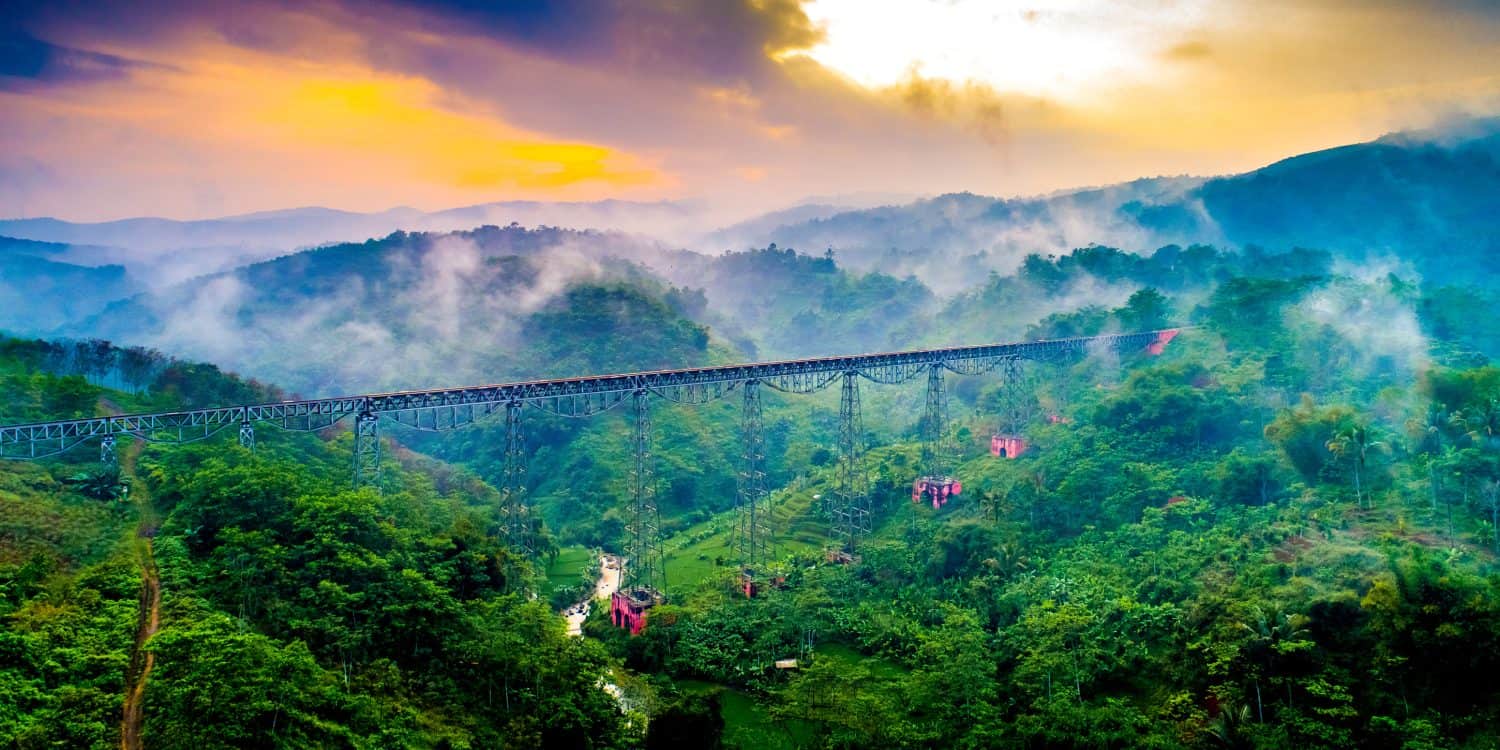
Of the three countries we’re covering, the Netherlands was the most successful as a colonial power in global terms; in North America, not so much. The Dutch established a lasting colony in South America that is today the country of Suriname. It lost South Africa and its Indian trading posts to the British, but retained control of the Dutch East Indies (Indonesia) until 1945.
New Netherland
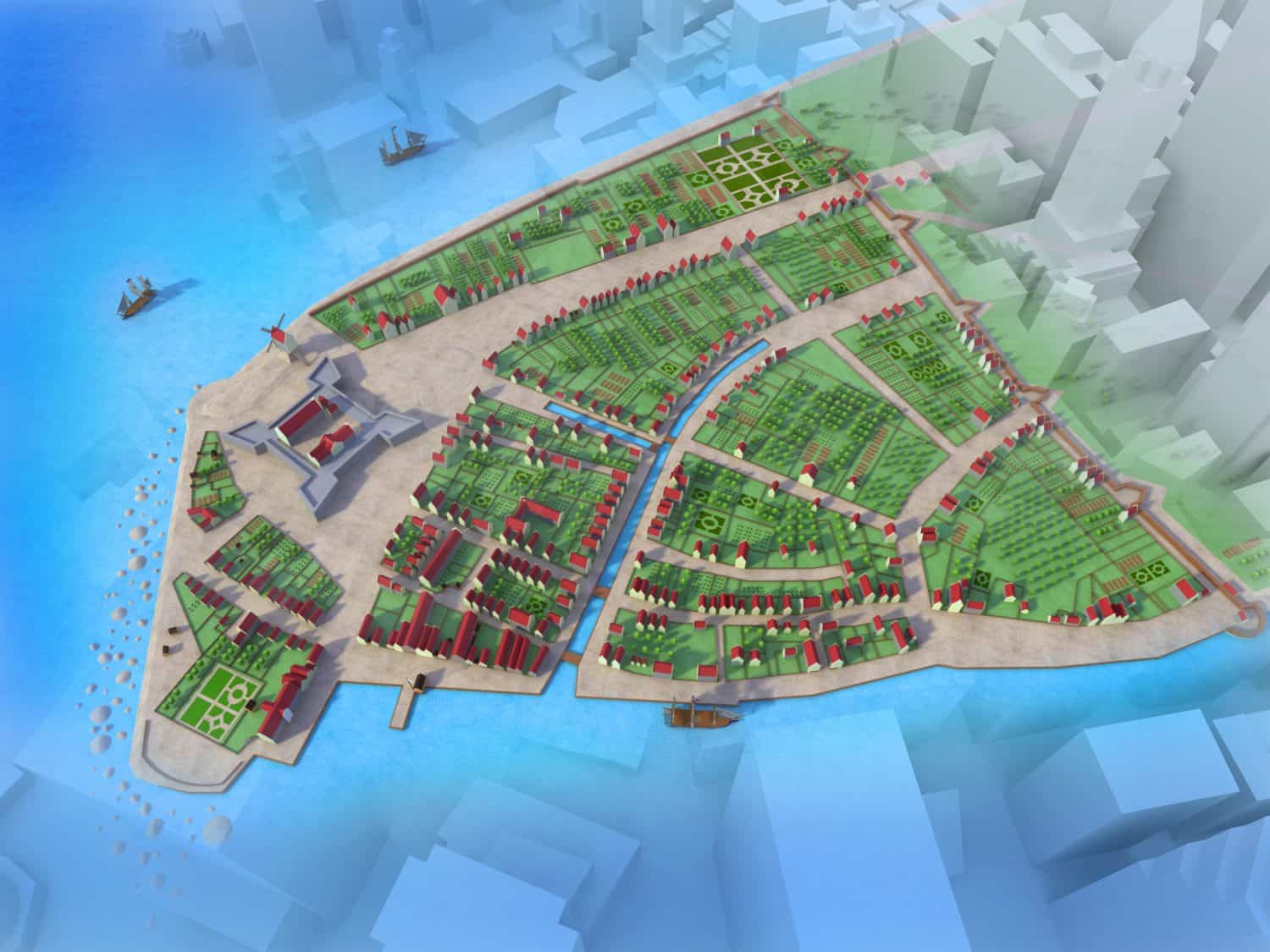
The Dutch purchased Manhattan Island and founded New Amsterdam as the capital of their colony of New Netherland. Their claim extended up the Hudson River and into Connecticut. Later, they added to it the Swedish colony of New Sweden along the Delaware River.
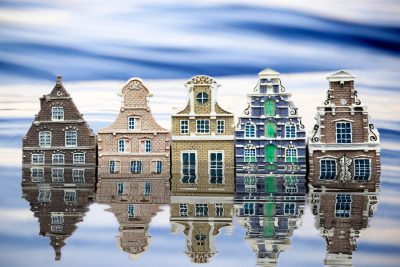
The Dutch East India company was on the verge of bankruptcy, the colony was poorly administered, and Native Americans were beginning to attack colonists on the outskirts. When British warships sailed up to the colony in 1664, the Dutch surrendered to the British without firing a shot. New Amsterdam was renamed New York City and retained some Dutch cultural influences in things like architecture and place names, such as Harlem, which was named for the city of Haarlem in the Netherlands.
Dutch Caribbean Islands
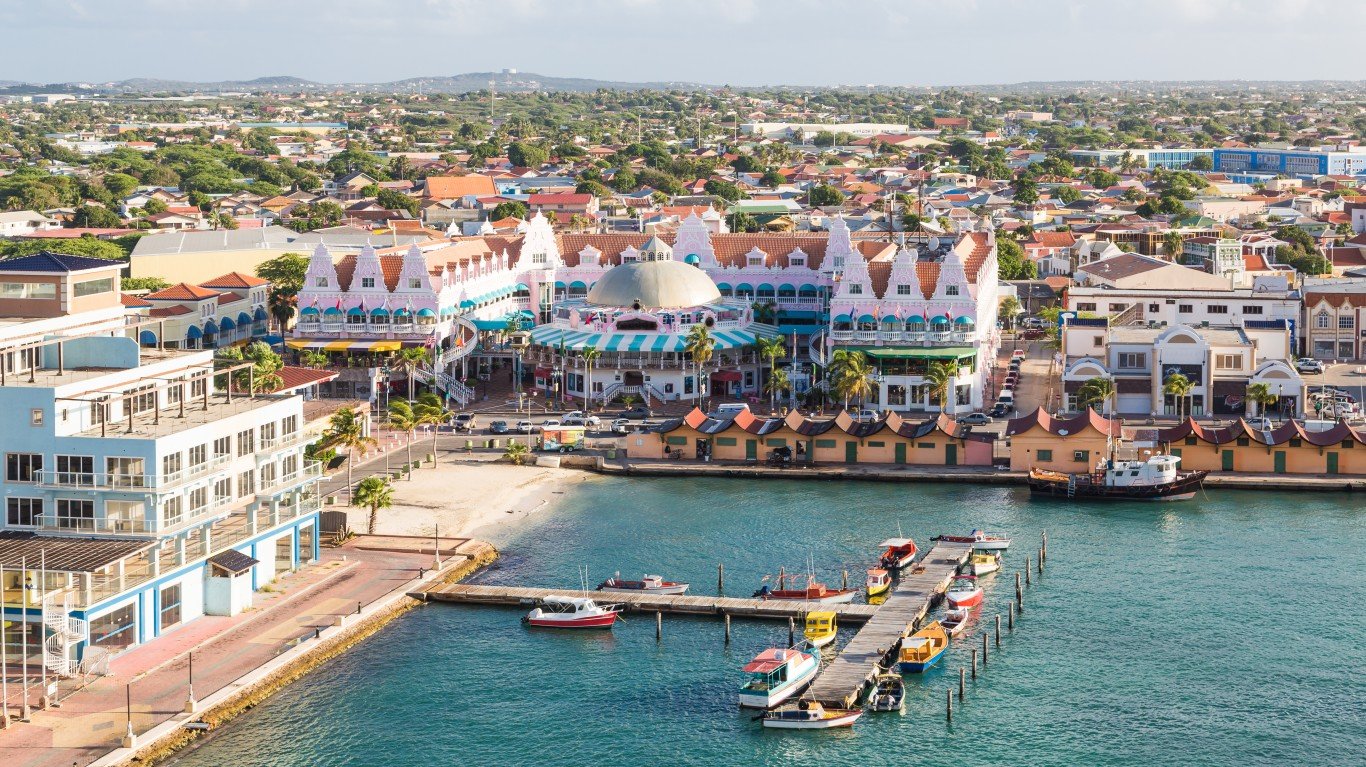
The Netherlands settled several islands in the Caribbean: Aruba, Bonaire, Curacao, Saba, Sint Eustatius, Sint Maarten. All of these still belong to the Netherlands but their administration is handled differently. The Netherlands considers the first three islands to be autonomous countries within the Kingdom of the Netherlands. However, they are not recognized internationally as separate countries and they do not have seats at the United Nations or other such markers of full independence. The rest of the islands on that list are rules as special municipalities of the Netherlands.
Would There Be Several Americas?

It’s interesting to speculate what the United States would look like today if the smaller colonies in North America had survived.
Potentially, Denmark could have expanded into Newfoundland and the Canadian Arctic, unless it had gotten an earlier start and established itself further south.
Sweden might have ruled a second American country encompassing what is today New Jersey, Delaware, Maryland, and Pennsylvania, perhaps even expanding further west into the southern Great Lakes region.
The Dutch were masters of trade. Had they remained in possession of New Amsterdam, it could have become a wealthy city-state like Hong Kong or Singapore. Or the Dutch could have continued expanding in the region to colonize New England and parts of Canada.
How Would the Major Countries’ Colonies Fare?

There would not be an American Revolution that united all of the 13 colonies that became the United States. The Dutch and Swedish governments would have ruled the most significant cities that were firebrands of the American Revolution: Boston, New York, and Philadelphia. The British would have been left with Virginia, the Carolinas, and Georgia, and perhaps all the states between them and the Mississippi River. Slavery would have been practiced in this region, but abolished along with slavery in the rest of the British Empire in 1834, with no Civil War.
If the other colonial powers had all stayed allied against the British and not fought with one another, France might have kept most of Canada and the Louisiana Territory instead of losing part of it to Britain and selling the rest to the United States. Spain might have retained Florida and the American Southwest without interference from Anglo-Americans. The Pacific Northwest and Western Canada might have become Russian, French, or Spanish, but certainly not British.
And with all those things going against them, instead of writing this article about the forgotten colonies of the Netherlands, Sweden, and Denmark, we might be writing about the forgotten colonies of Not-So-Great Britain instead!
Contact [email protected] for any questions or corrections.
Drew Wood has edited or ghostwritten nine books and published more than 1,500 articles on investing, business, politics, travel, world cultures, wildlife, and earth science. He holds a doctorate and four master's degrees and has nearly 30 years of college teaching experience. His travels have taken him to 25 countries, including three years living in Ukraine.