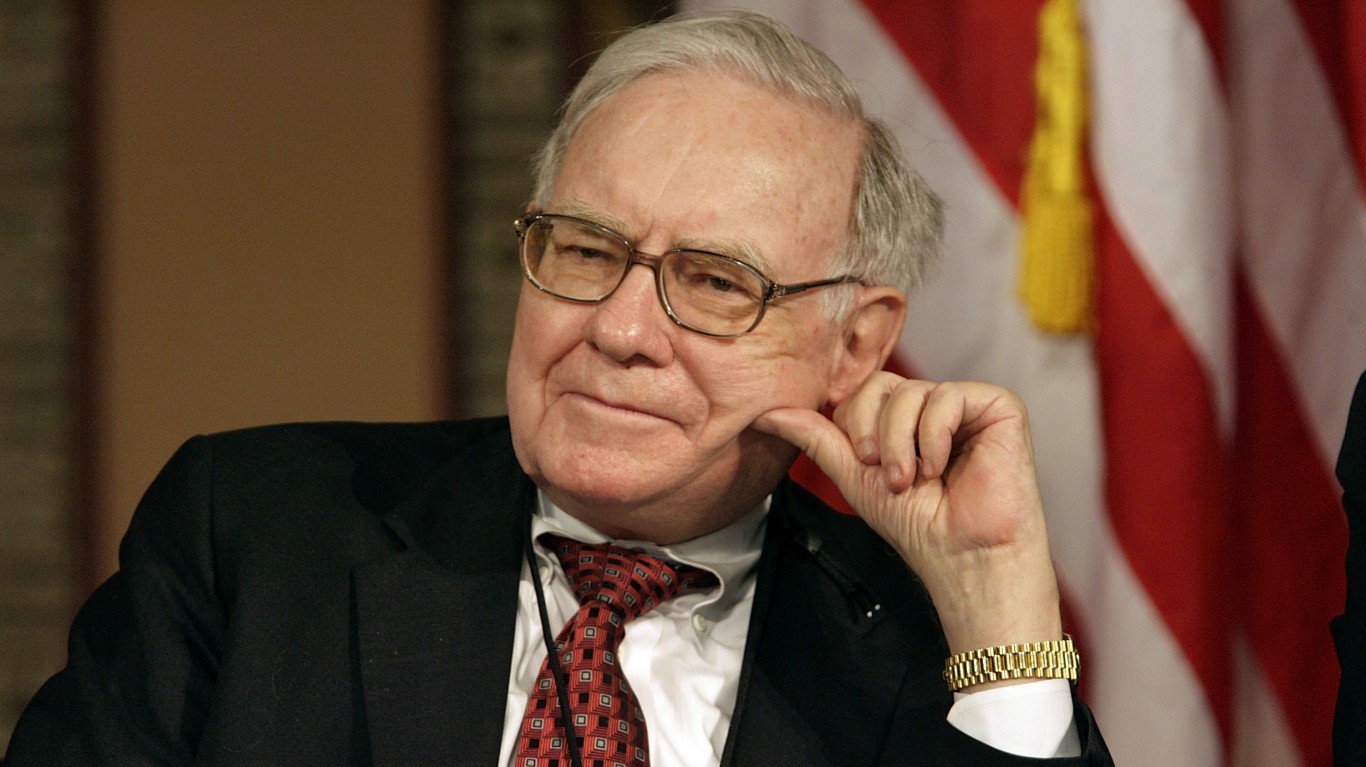
The Leaders of the 20th-21st Centuries With the Most Cult-Like Following
Certain leaders have had unparalleled devotion from their followers throughout history. Often, these following transcend traditional politics and enter the social realm with a bang. These leaders are often seen as infallible figures, their actions defended with unwavering loyalty, even…


Certain leaders have had unparalleled devotion from their followers throughout history. Often, these following transcend traditional politics and enter the social realm with a bang. These leaders are often seen as infallible figures, their actions defended with unwavering loyalty, even in the face of controversy or failure.
This phenomenon isn’t confined to any single ideology or region, either. It happens just about everywhere!
In this article, we’ll explore 17 leaders from the 20th and 21st centuries whose influence reached extraordinary levels.
Key Points from This Article

- Typically, leaders with a cult-like following have a strong grasp on charisma and propaganda. Sometimes, their policies are also unique from the norm of the day.
- While a “cult-like” following is often seen as a negative thing, many of the leaders on this list aren’t looked at negatively in our history books. Just like with anything, charisma can be used for ill and for good.
- Also, read “The Next NVIDIA.”
Why We’re Covering This

Leaders with cult-like followings can have a huge impact on the world and economy. You’ll probably recognize many of these names, but there may be a few that are completely new to you! We’ve also covered similar topics, like the most powerful leaders of all time.
1. Adolf Hitler (Germany)
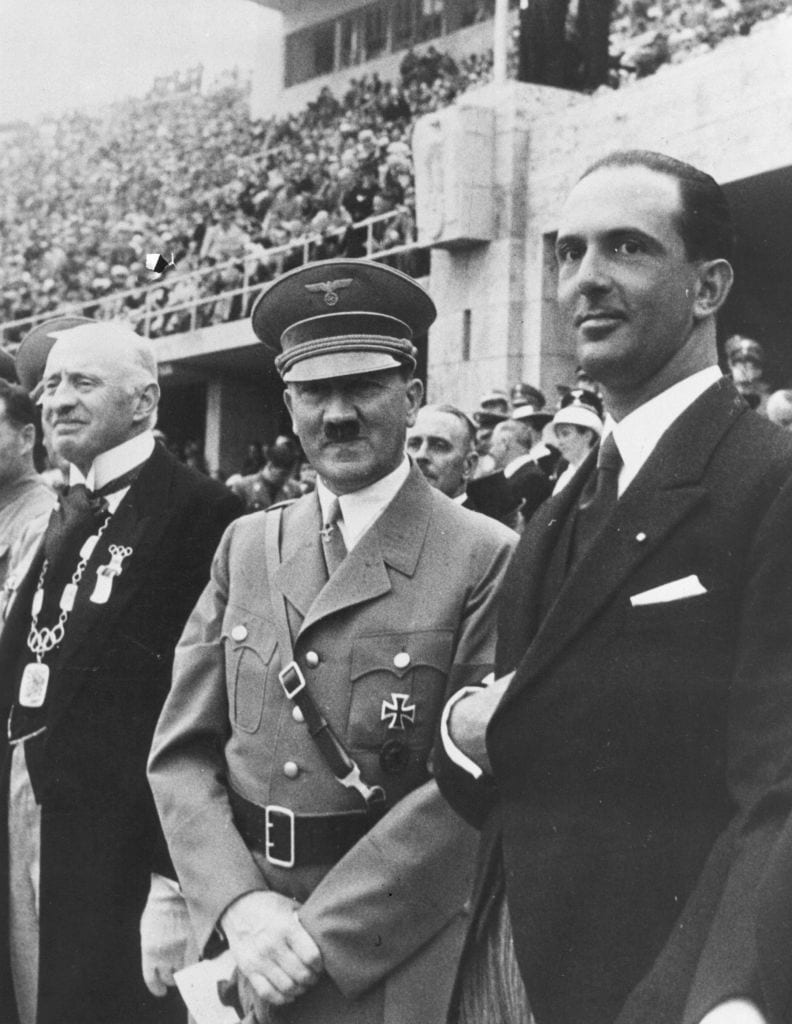
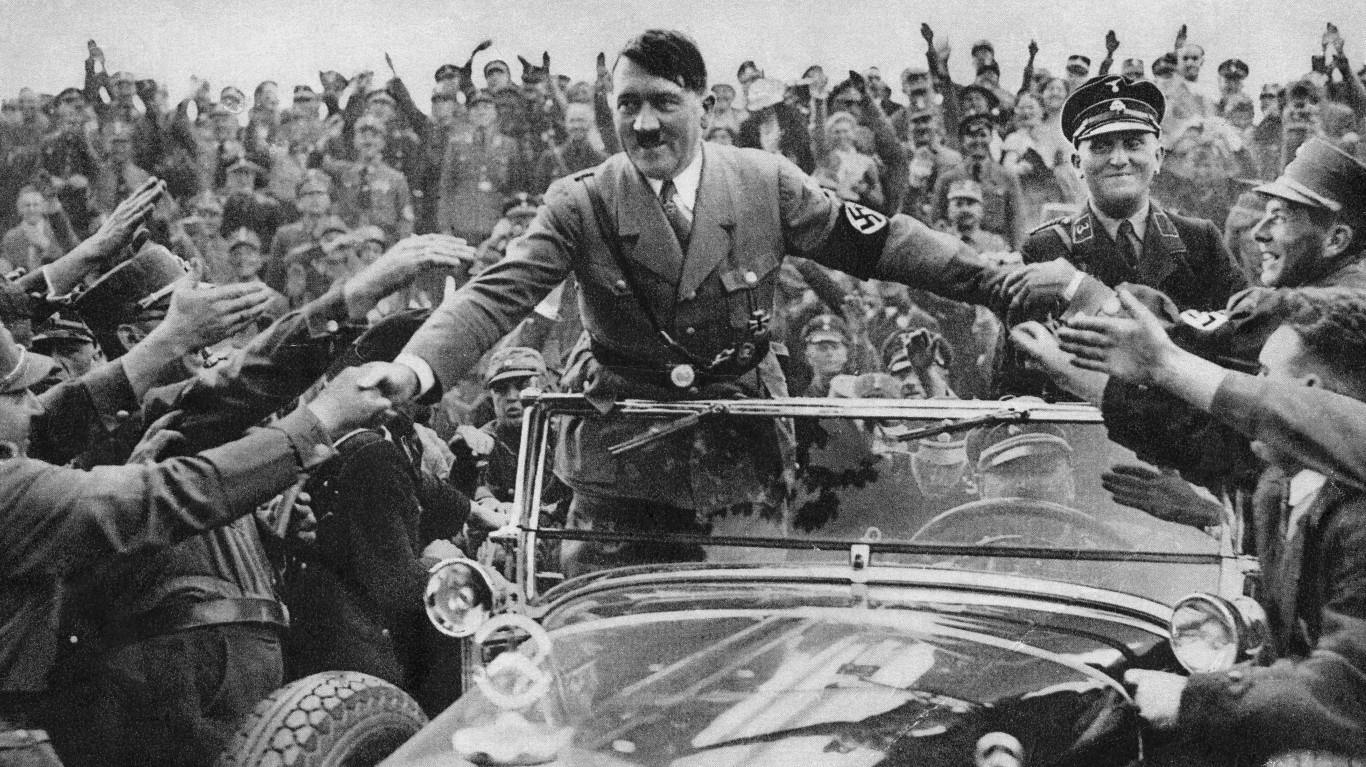
Hitler is probably at the top of everyone’s list as a modern leader with a cult-like following. His charisma and propaganda built an unshakable loyalty among millions. He used Germany’s economic hardship as a way to stir up the masses, presenting himself as a savior figure. He exploited nationalism and fear to foster a fanatical devotion that he used to justify war and genocide.
2. Joseph Stalin (Soviet Union)
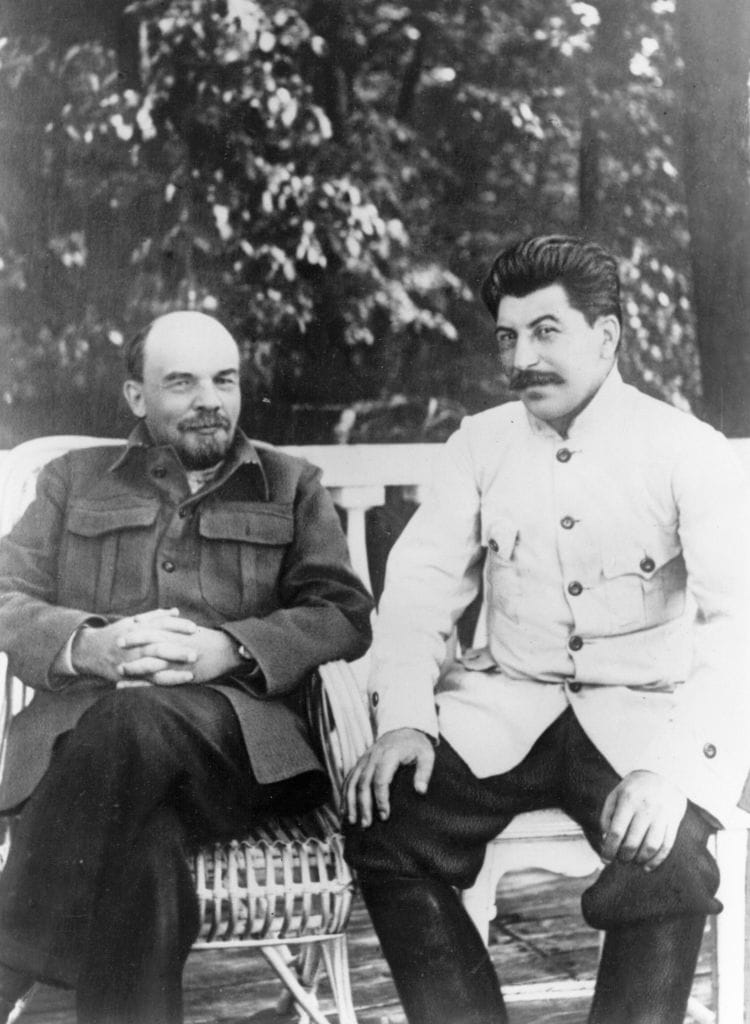
Stalin’s leadership was marked by a personality cult where his image was glorified in propaganda. His control over media and art ensured his portrayal as a wise, benevolent leader, even as he orchestrated mass purges. States and portraits of Stalin were everywhere in public spaces.
3. Mao Zedong (China)
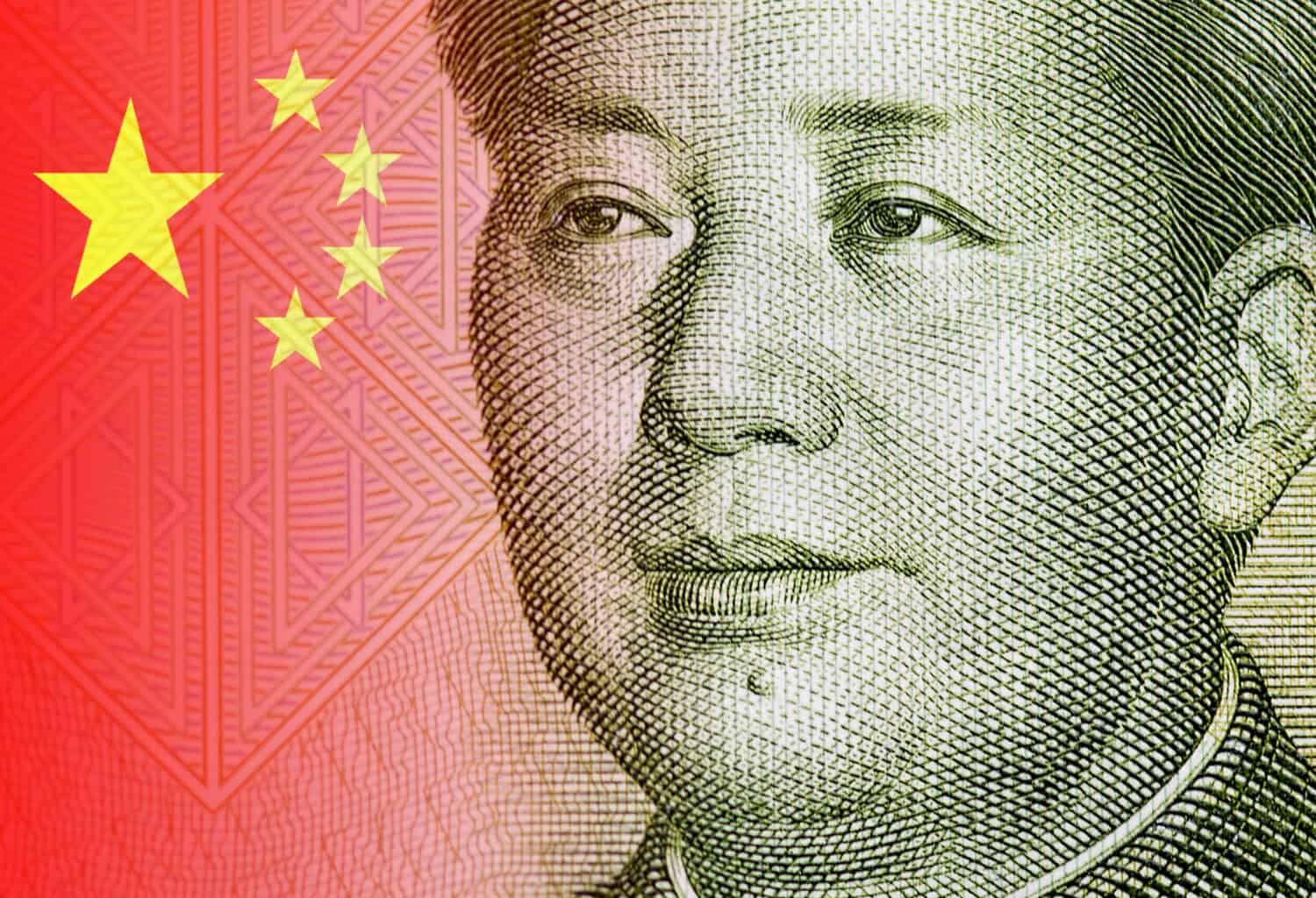
Mao developed his image as an almost divine character on purpose. His Little Red Book and the Cultural Revolution gave him an unparalleled personality cult full of the dogma you’d expect from a religion. His ideology, Maoism, became a way of life for millions, enforced by zealous Red Guards. Many today continue to revere Mao as the father of modern China.
4. Kim Il-sung (North Korea)
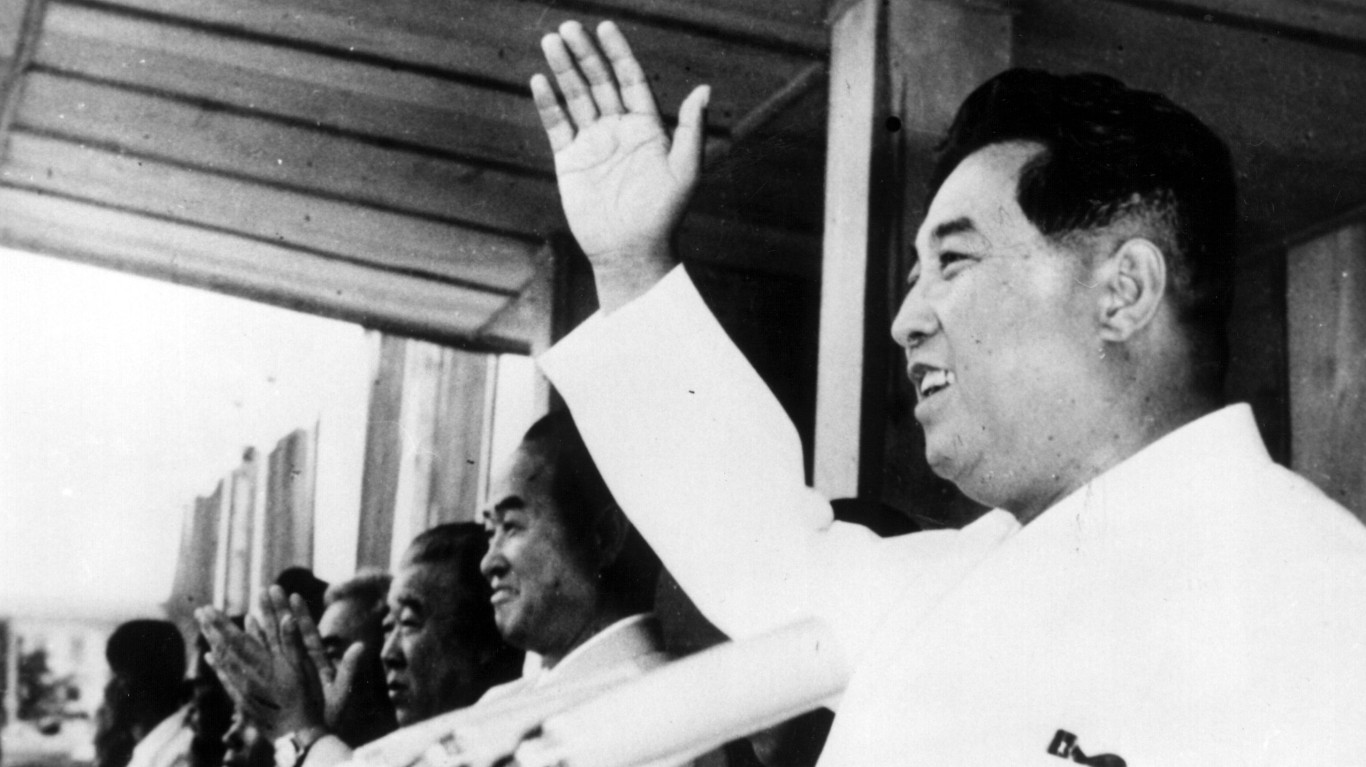
The founding leader of North Korea established a hereditary dictatorship underpinned by intense worship. His family cult persists to this day, blending nationalism with quasi-religious devotion. Even after his death, he is still considered the “Eternal President,” with his image everywhere in North Korean society.
5. Benito Mussolini (Italy)
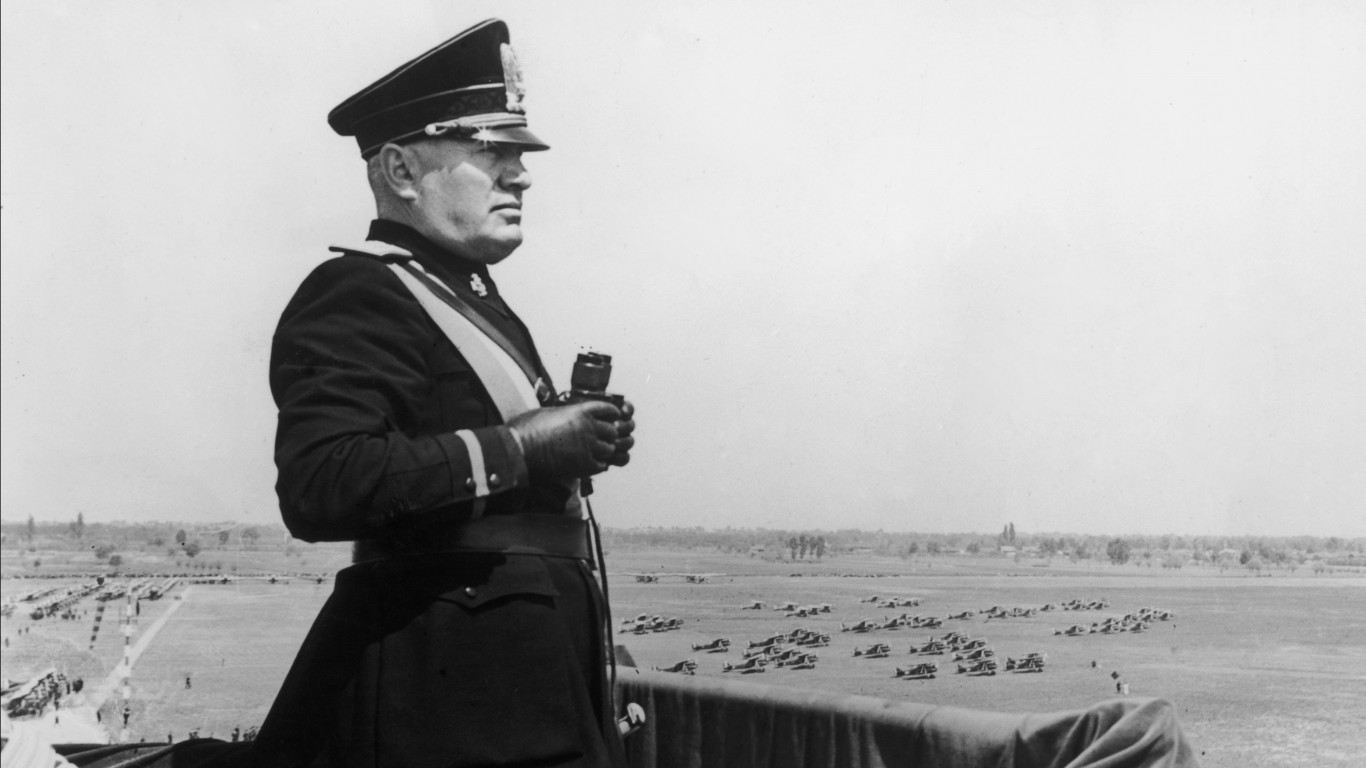
Mussolini followed in Hitler’s footsteps in many ways, building a loyal base that viewed him as the embodiment of Italian ideals. He used rhetoric and theatrics to build up himself as a grand leader, portraying himself as a man of action who could restore Italy to its former glory.
6. Ayatollah Khomeini (Iran)
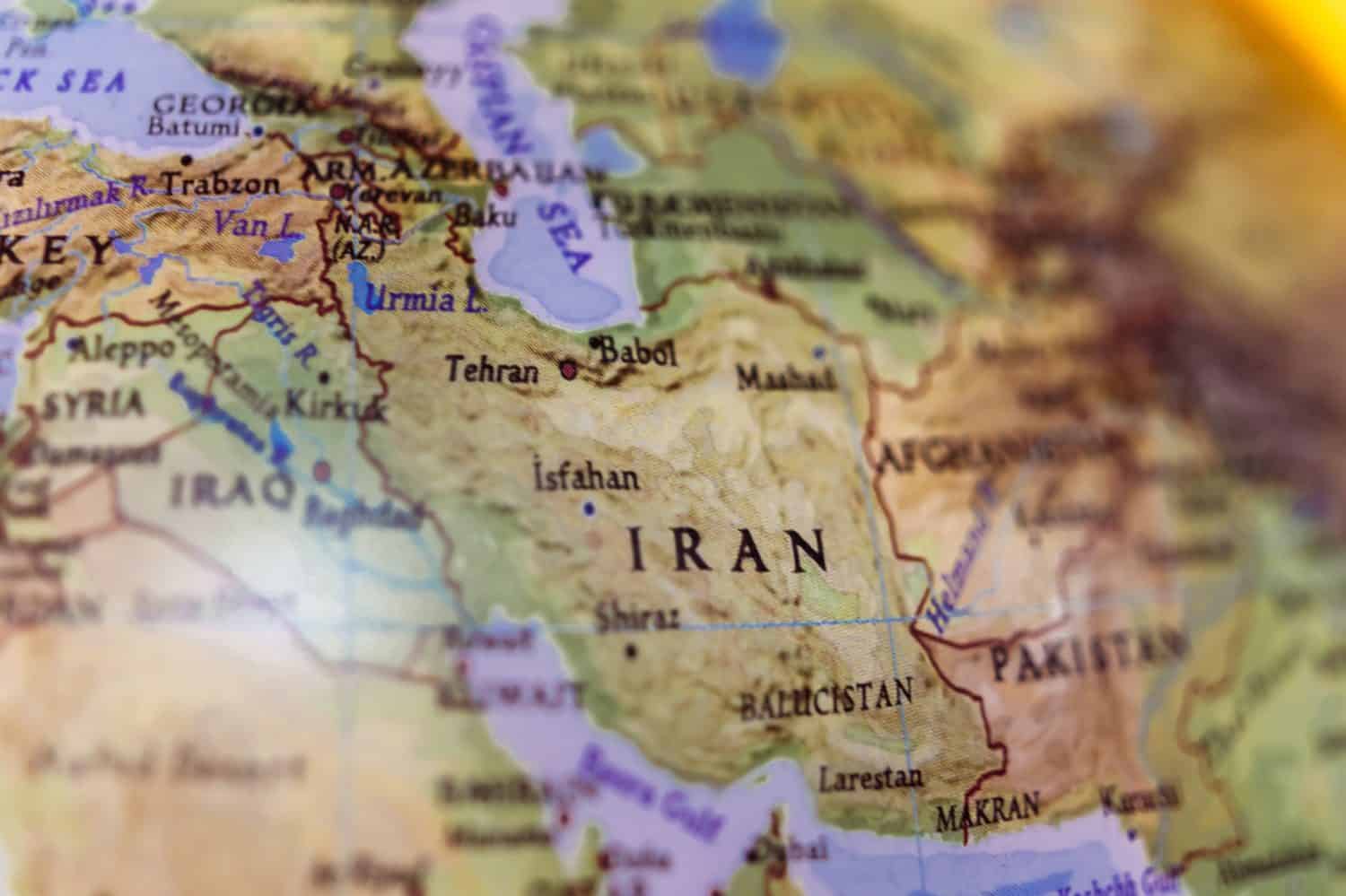
You might not have heard of Khomeini, but he was the architect of Iran’s Islamic Revolution and was revered as a spiritual guide. His followers considered his policies divine mandates and his words sacred. His return to Iran after his exile is still seen as a divine event by many.
7. Fidel Castro (Cuba)
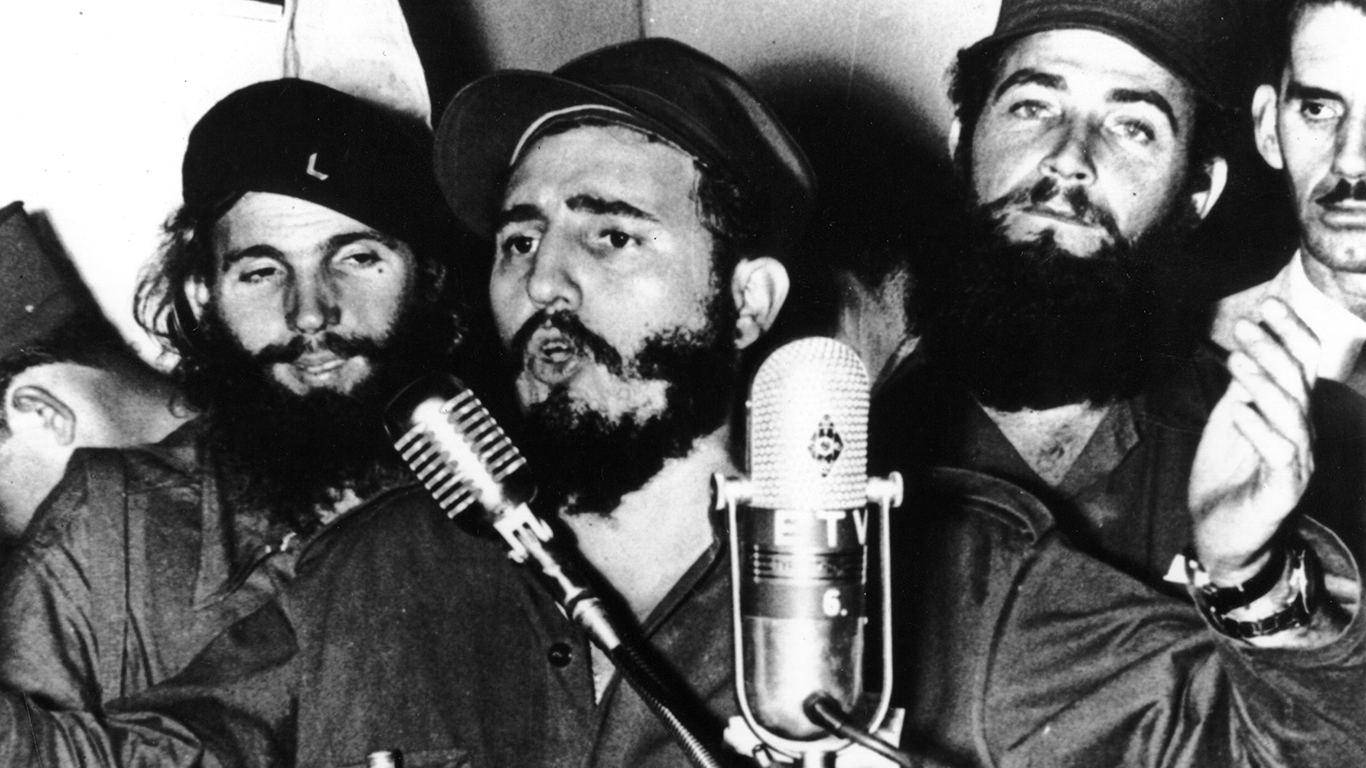
Castro inspired intense devotion among Cubans and global leftists. He became a symbol of anti-imperialism, with his speeches and principles honored almost religiously. His fiery speeches and revolutionary ideals made him a global anti-imperialist hero. For many, he represented resistance against U.S. authority, even as his policies led to financial struggles.
8. Hugo Chávez (Venezuela)
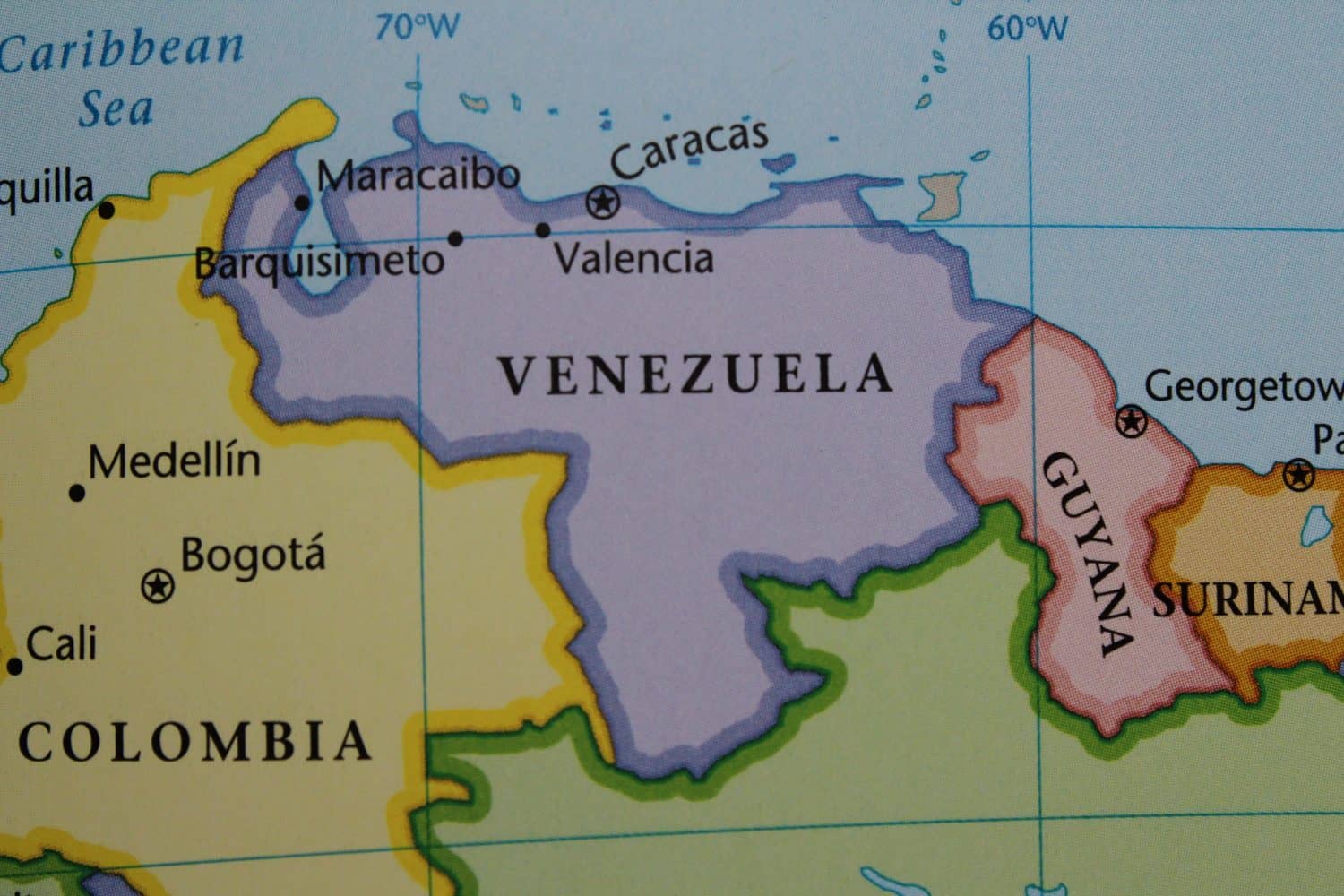
Hugo built a strong populist movement around himself using charisma and the promise of social reform. His followers saw him as a champion of the poor, despite the economic collapse that occurred during his tenure. He led the Bolivarian Revolution, which was all about challenging imperialism and helping the little guy.
9. Donald Trump (United States)
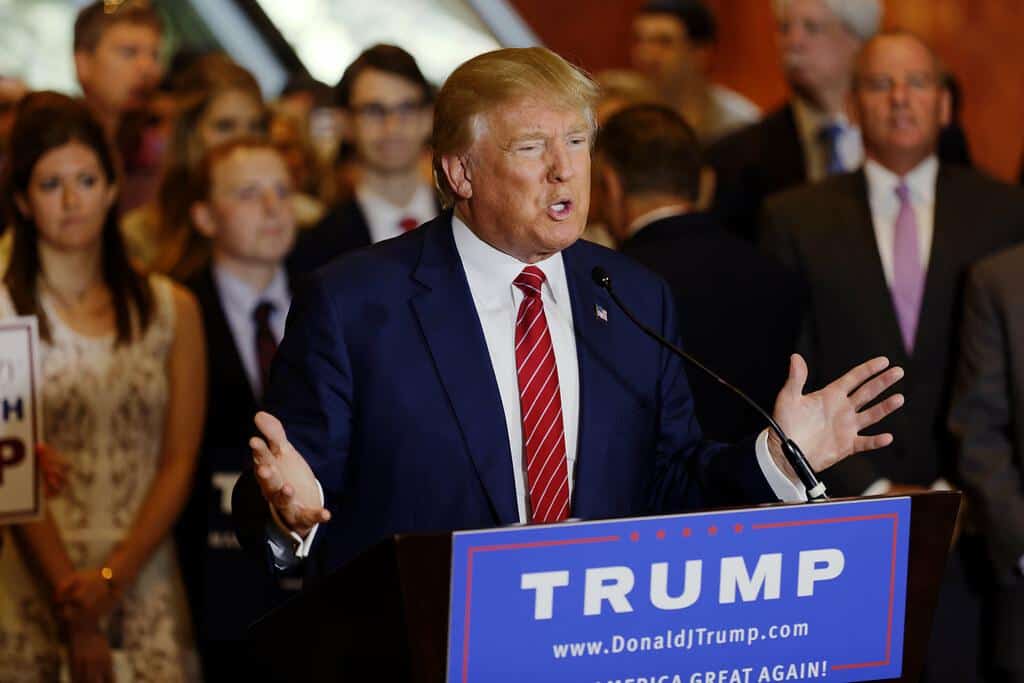
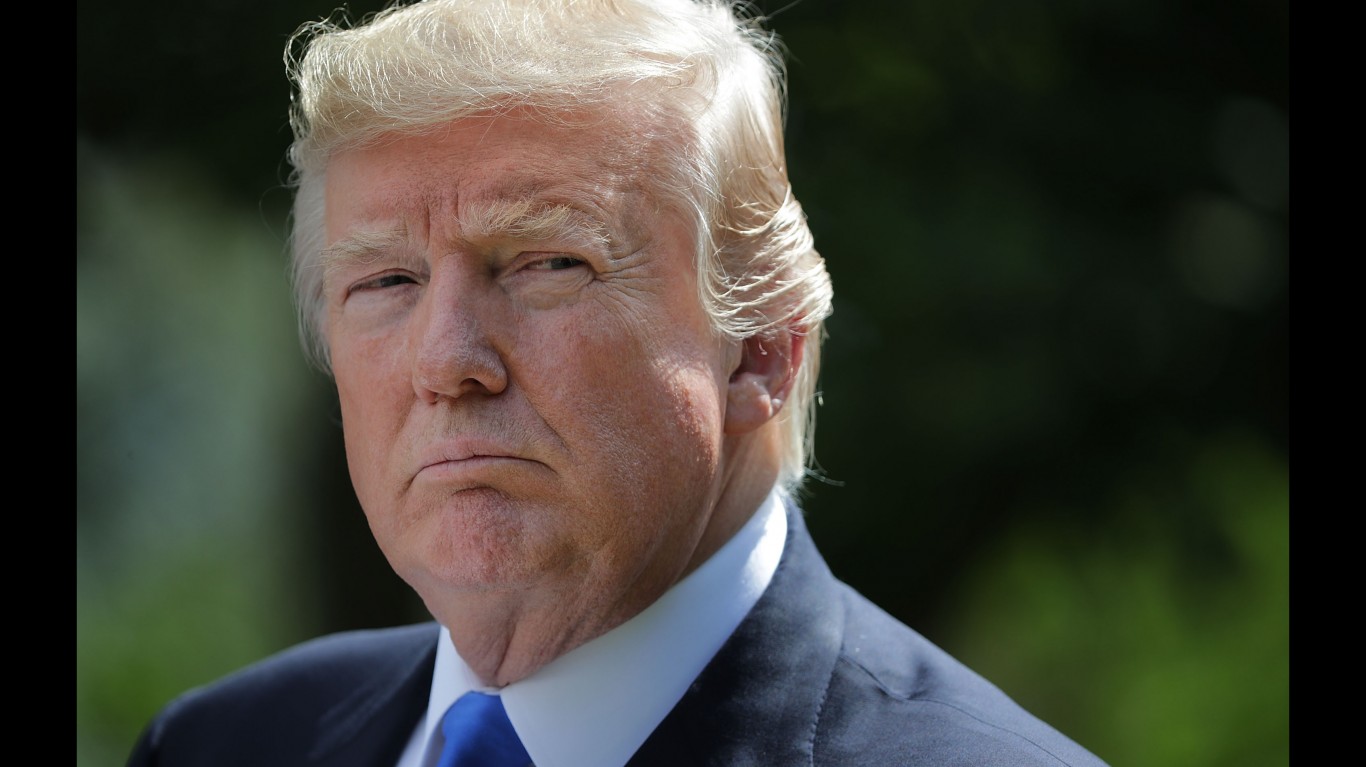
Trump’s appeal to his base created loyalty that transcended traditional political boundaries. His followers often see him as the only one capable of fighting establishment corruption. His followers often defend him passionately, even in the face of controversies or legal challenges.
10. Vladimir Putin (Russia)
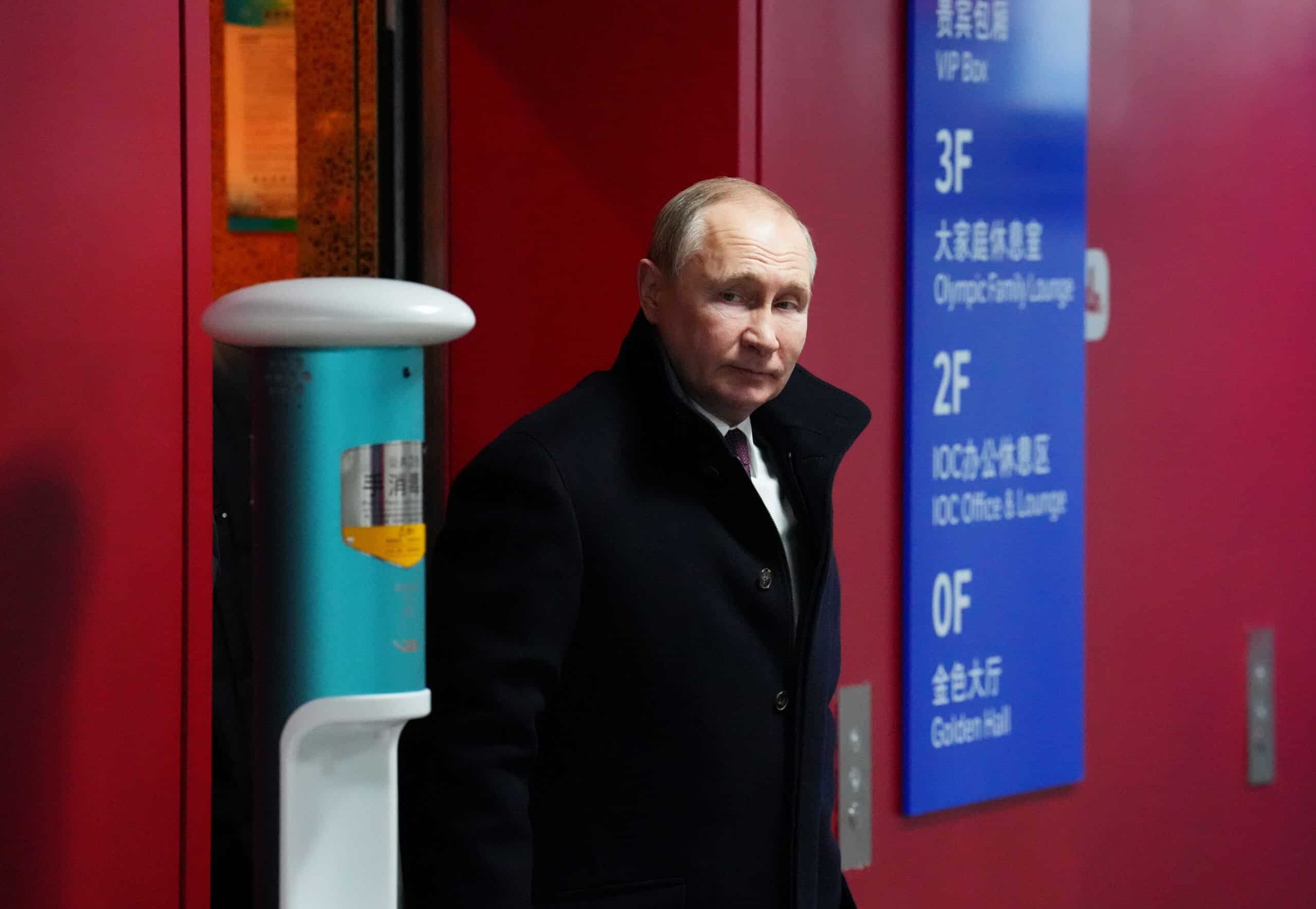
Putin’s image as a strongman has allowed him to foster a loyal base that sees him as the ultimate defender of Russia. He uses media coverage to bolster this image. Many Russians credit him for bringing peace and dignity back after the confusion of the 1990s.
11. Xi Jinping (China)
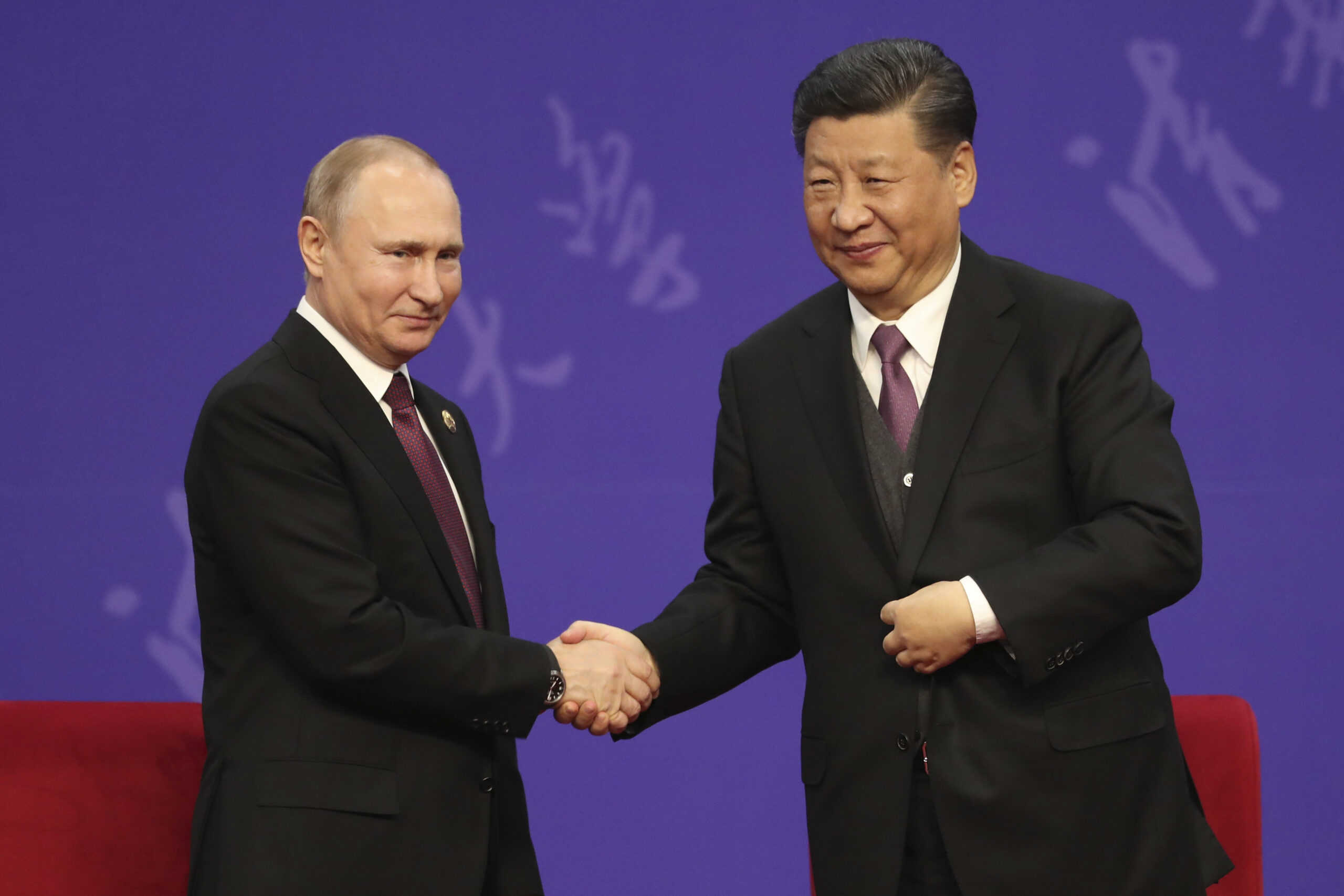
Xi’s centralization of power and the promotion of his ideology in schools and media have elevated him to a status comparable to Mao, with an unquestionable authority. Critics are often silenced, further consolidating his unchallenged authority.
12. Narendra Modi (India)
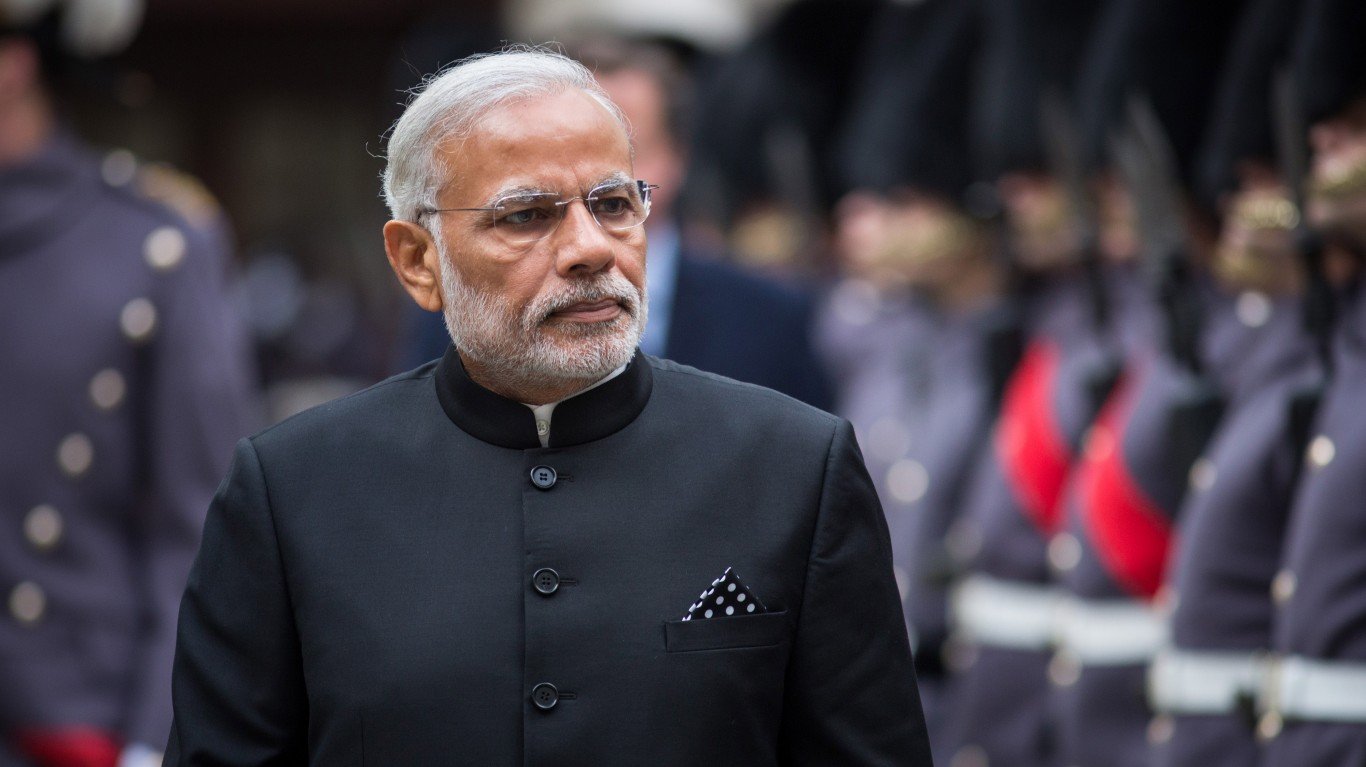
Modi’s followers treated him as a messianic figure. He built up an image as a nationalist leader, which has solidified his base in India. He’s particularly popular among the Hindu majority. Modi’s persona as a self-made leader strengthens his appeal, making criticism of his policies difficult within his loyal circles.
13. Barack Obama (United States)
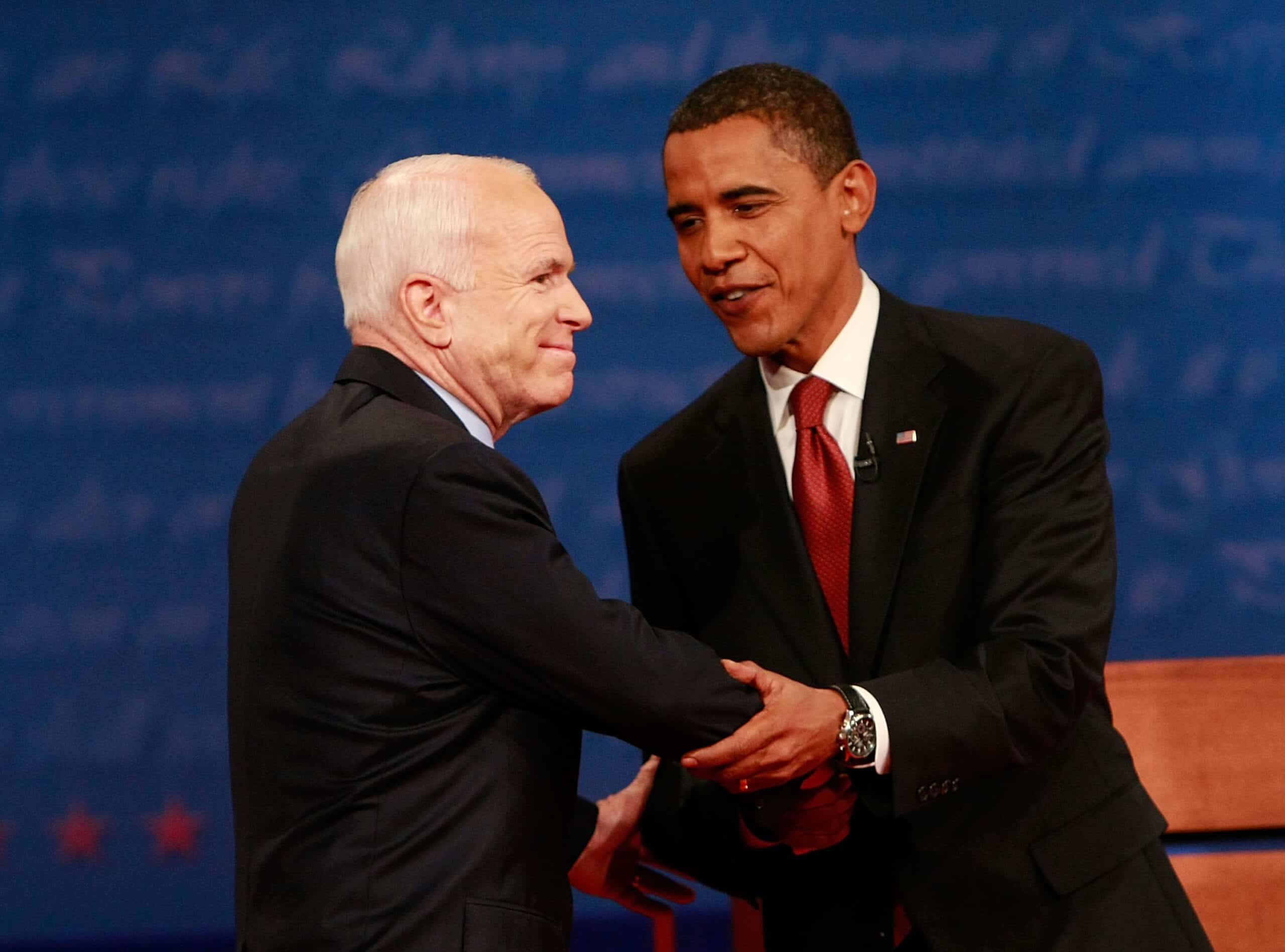
Obama’s charisma and hope-driven campaign inspired a near-religious devotion from his supporters. Many viewed him as a transformative figure for progress and inclusivity. His presidency is still seen as a historic moment of progress for many, particularly for marginalized communities.
14. Julius Nyerere (Tanzania)

Nyerere’s implementation of Ujamaa socialism has led many to consider him as the fatherly moral guide of Tanzania. He was celebrated for his emphasis on education and unity, earning the title “Mwalimu” (Teacher). He did face lots of criticism for his economic policies. However, he’s still remembered for his legacy of integrity.
15. Muammar Gaddafi (Libya)
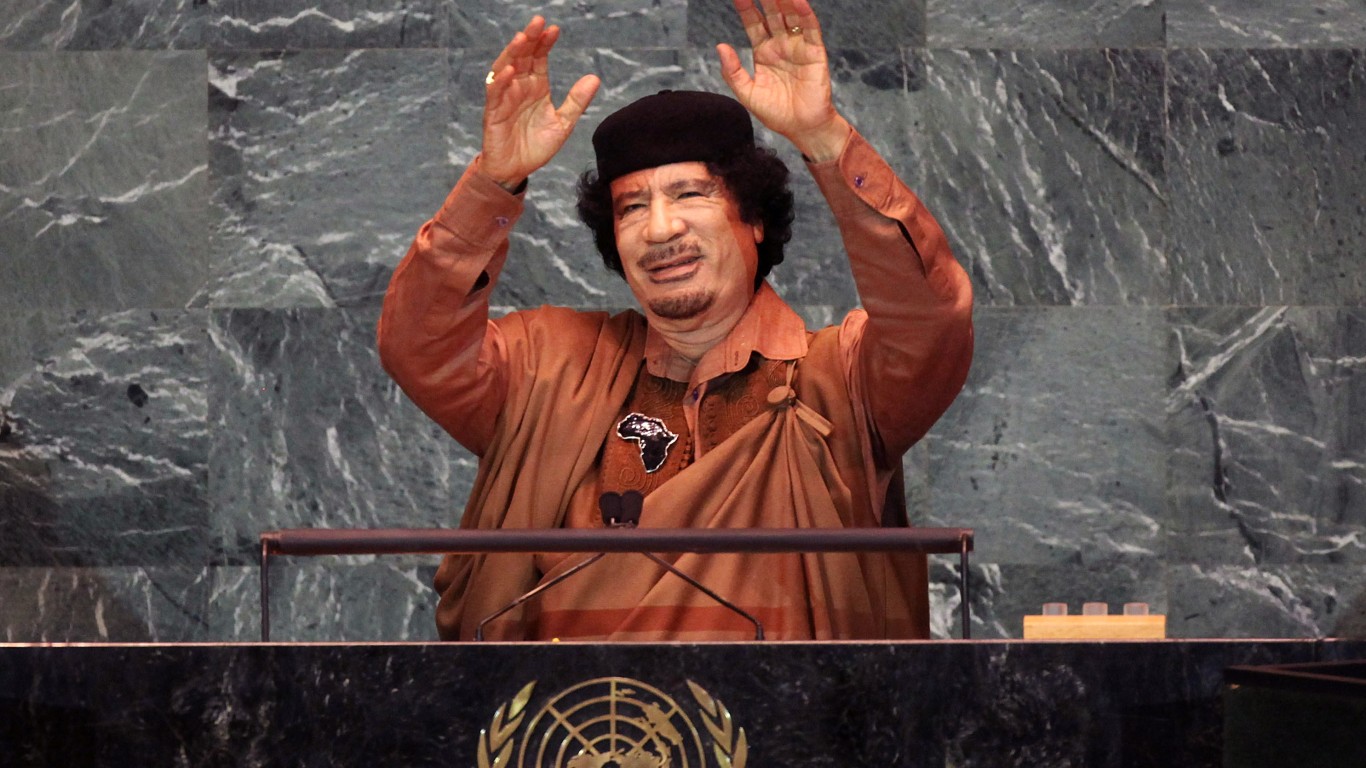
Gaddafi’s Green Book and revolutionary rhetoric created a fervent loyalty among many in Libya. His rule blended anti-Western sentiment with a vision of pan-Africanism. His eccentric personality only helped make him the polarizing, iconic figure that he remains today.
16. Juan Domingo Perón (Argentina)

Perón’s populist policies lead to the creation of “Peronism,” which transcends even politics. Despite decades having passed since his death, he still inspires intense loyalty amongst many in Argentina. His followers see him as a protector of the working class and a unifying figure in Argentina.
17. Recep Tayyip Erdoğan (Turkey)
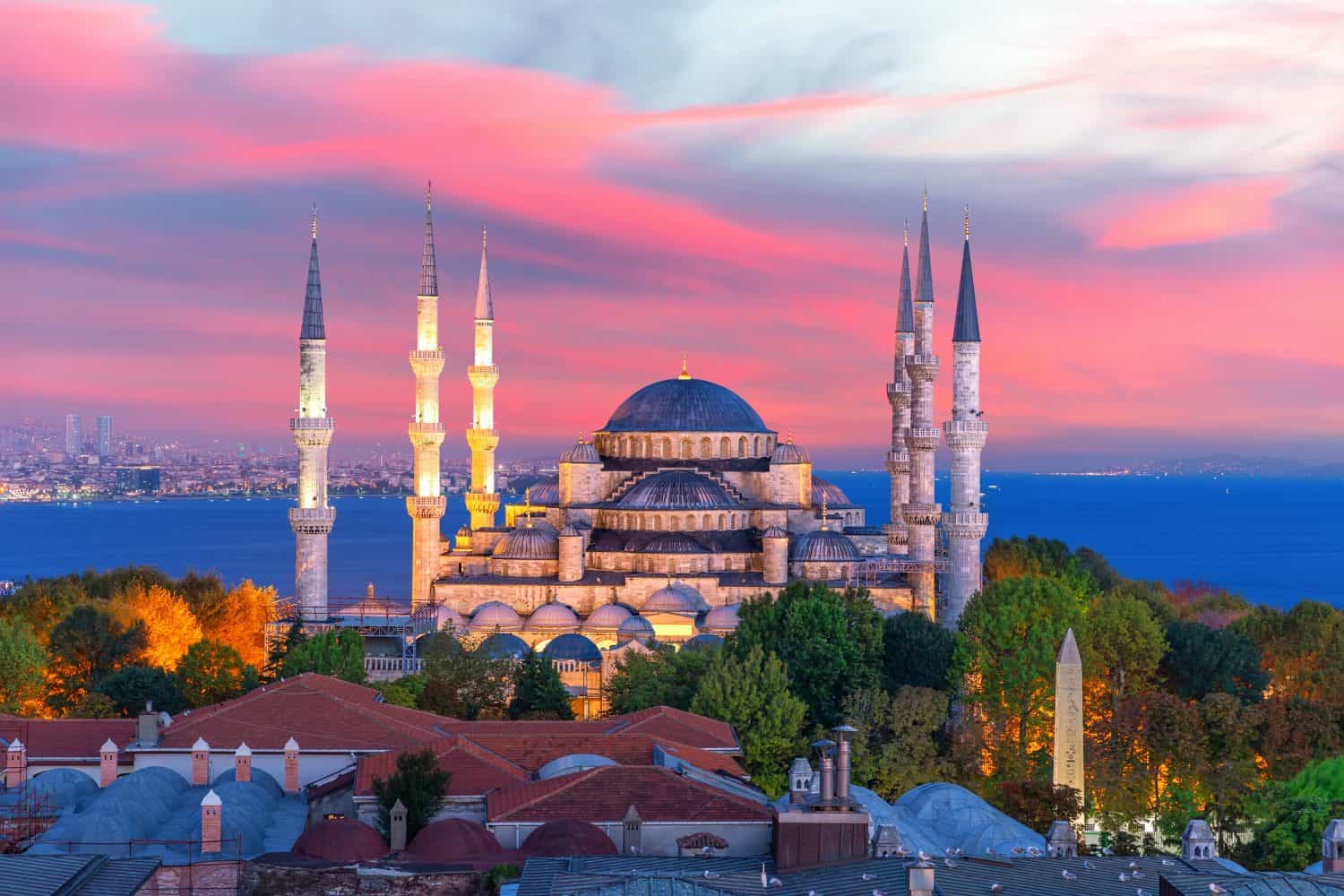
Erdoğan built a loyal following using his emphasis on Islamic identity and nationalism. He has set himself up as the protector of Turkey’s sovereignty and a visionary leader. His control of the media only helps build up his image as a protector of Turkey’s values and sovereignty. Many of his supporters view him as a transformative leader that brought Turkey back up to the top of the region again.
Contact [email protected] for any questions or corrections.
Kristin Hitchcock is a financial expert who has been writing on topics related to retirement for over eight years. Her knowledge spans a wide range of areas, including navigating the complexities of Social Security, developing sustainable investment strategies, and helping individuals achieve their retirement goals.
Throughout her career, she has written for various platforms, including several retirement communities, to ensure that seniors have access to clear and actionable financial advice.
Kristin is also an active investor with more than ten years of experience in a diverse range of investment strategies, including short-term trades, dividend stocks, and options. She enjoys simplifying complex trading concepts by writing easy-to-follow guides that help readers meet their investment goals.