The 10 Biggest Reasons the National Debt Is On Everyone’s Mind
If it feels like everyone is talking about the national debt, it’s because they usually are. The national debt has always been used as a political weapon by whatever political party isn’t in power at the time, yet it also…


If it feels like everyone is talking about the national debt, it’s because they usually are. The national debt has always been used as a political weapon by whatever political party isn’t in power at the time, yet it also poses a very real danger. But why does it seem like it’s getting more attention than ever before?
Unfortunately, we live in unprecedented times, and nobody actually knows when or how the national debt will come back to destroy us, or how much debt the United States can actually handle. As a result, subsequent presidencies have ignored or disregarded the debt. Here are the top ten reasons why that is making experts panic.
#1 Possible Incoming Default
According to several national news reports, the United States government faces an impending default on its debts in August if it doesn’t raise the debt ceiling or (as unlikely as it is) reduce the amount of debt it currently has.
The Congressional Budget Office announced last week that the government would hit the debt limit in either August or September of this year. However, analysts have commented that since Trump’s administration is showing higher expenditures and higher borrowing needs than they predicted, it is possible the government will hit the limit as soon as May or June.
Possible Incoming Default
A default occurs when a borrower is unable to pay or service the loan that has been taken out. In this case, it comes in the form of billions of dollars in interest payments. If the government misses just one payment due to being unable to take out more debt to service existing debt, it will default, causing lenders to demand their money back, its credit rating to plummet, and probably an economic crash as the government would be unable to pay for many of the services it provides.
#2 Highest Level of Debt
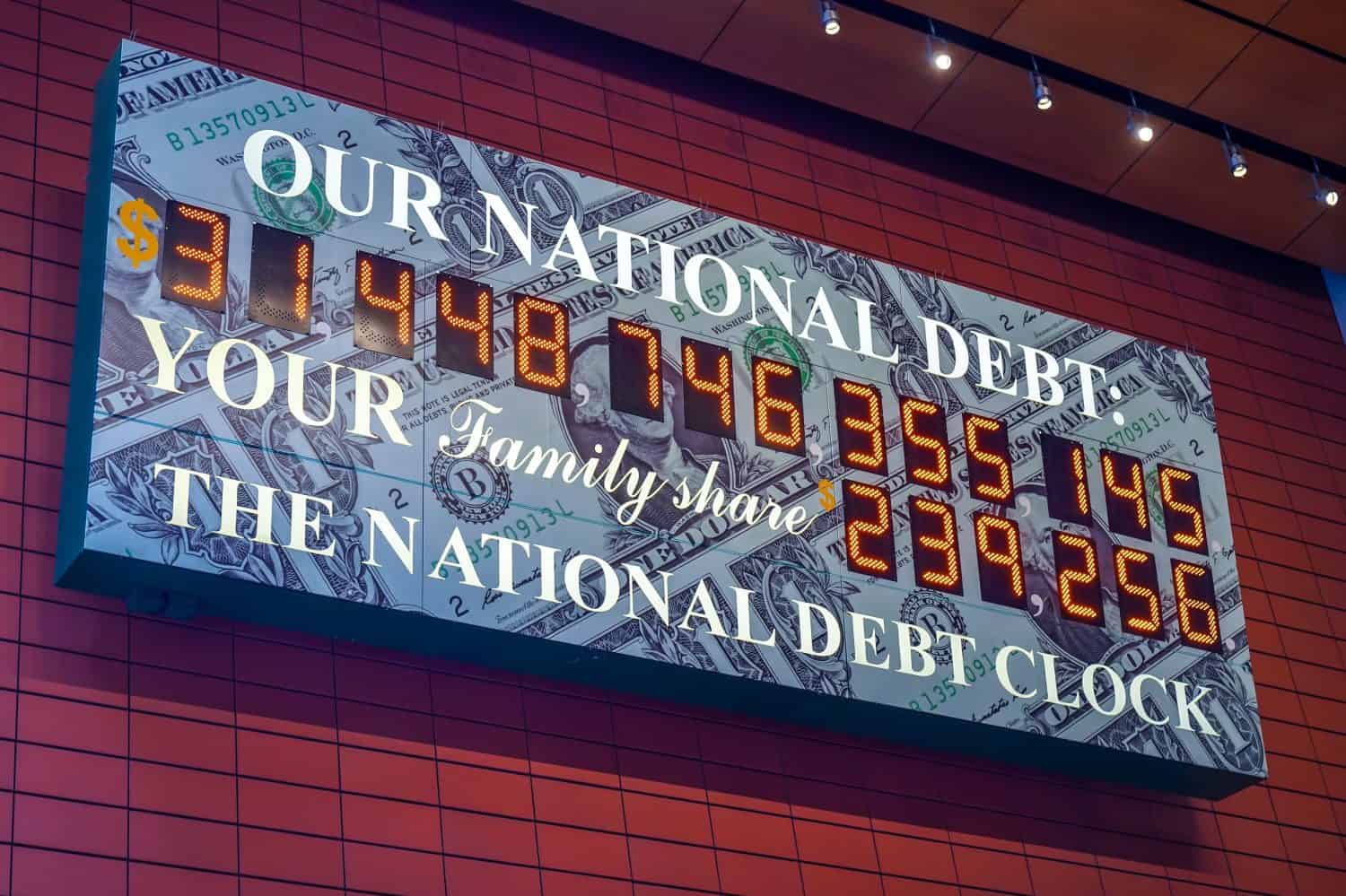
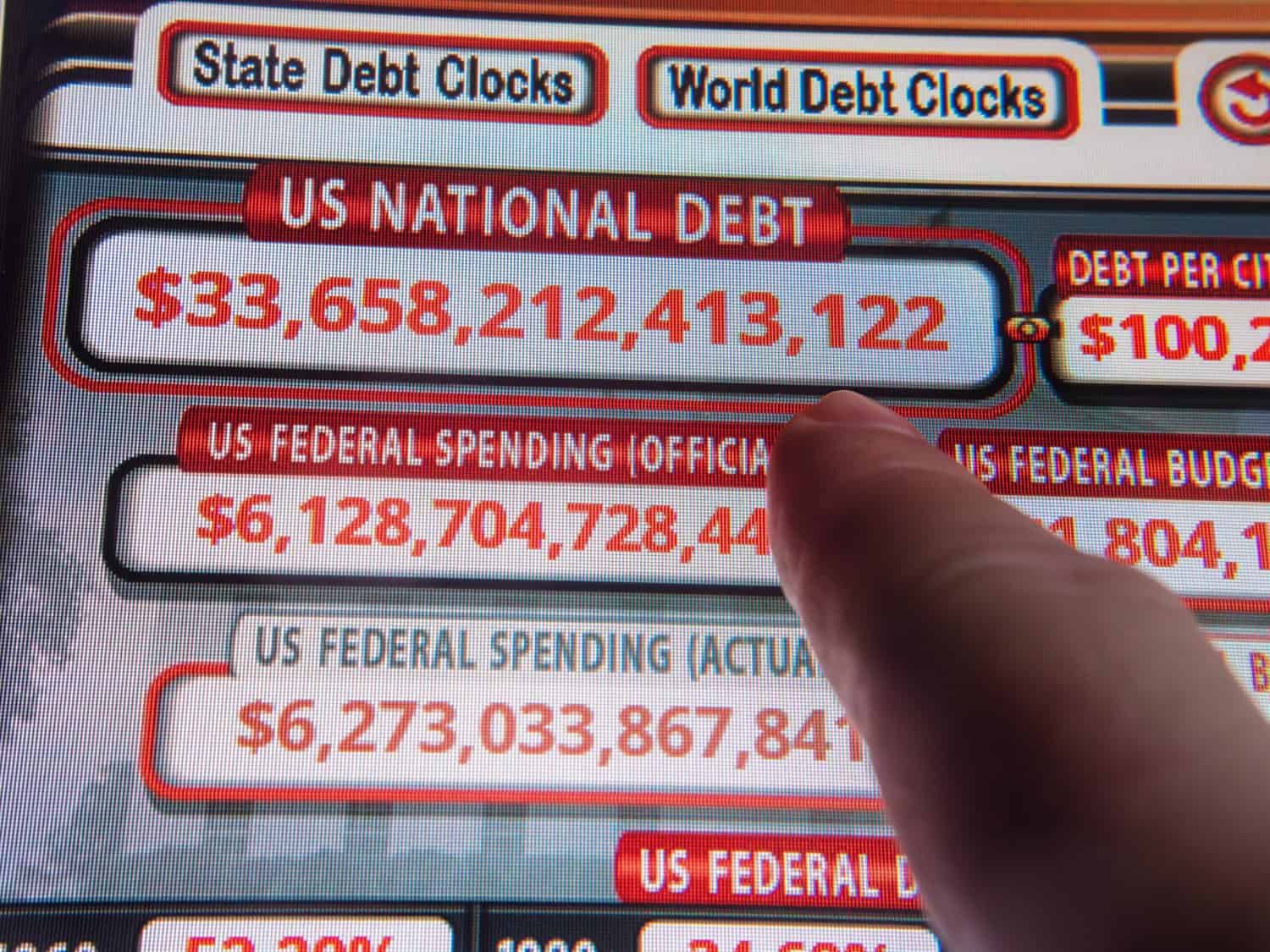
No country has ever had as much debt as the United States has today. As of the writing of this article, the national debt has reached $36.22 trillion and is only increasing. Most of this debt funded the military and economic bailouts, and with expected tax cuts from the Trump administration and anticipated increases in military spending, it will only get worse.
Highest Level of Debt

The COVID-19 pandemic and the subsequent recession caused by the sub-par response to the emergency forced Donald Trump to pass the CARES Act to help alleviate the economic burden of the crisis.
The CARES Act provided loans to businesses, sent small payments to individuals, and added more funding to unemployment insurance. In total, the CARES Act cost $2.3 trillion. The promise was that the loans would be paid back with interest, providing at least some additional government revenue for the next few years. But most of the loans were forgiven.
Estimates are that the CARES Act would increase the national deficit by $1.8 trillion over ten years, and result in the largest wealth transfer from the poor and working class to the rich, who notoriously do not pay as much taxes as they should, further lowering government revenue.
President Biden added to this huge amount of spending, including around $5.72 trillion in COVID-19 relief and other programs. This contributed to a significant spike in inflation from 2021 to 2022.
#3 Unprecedented GDP Ratio
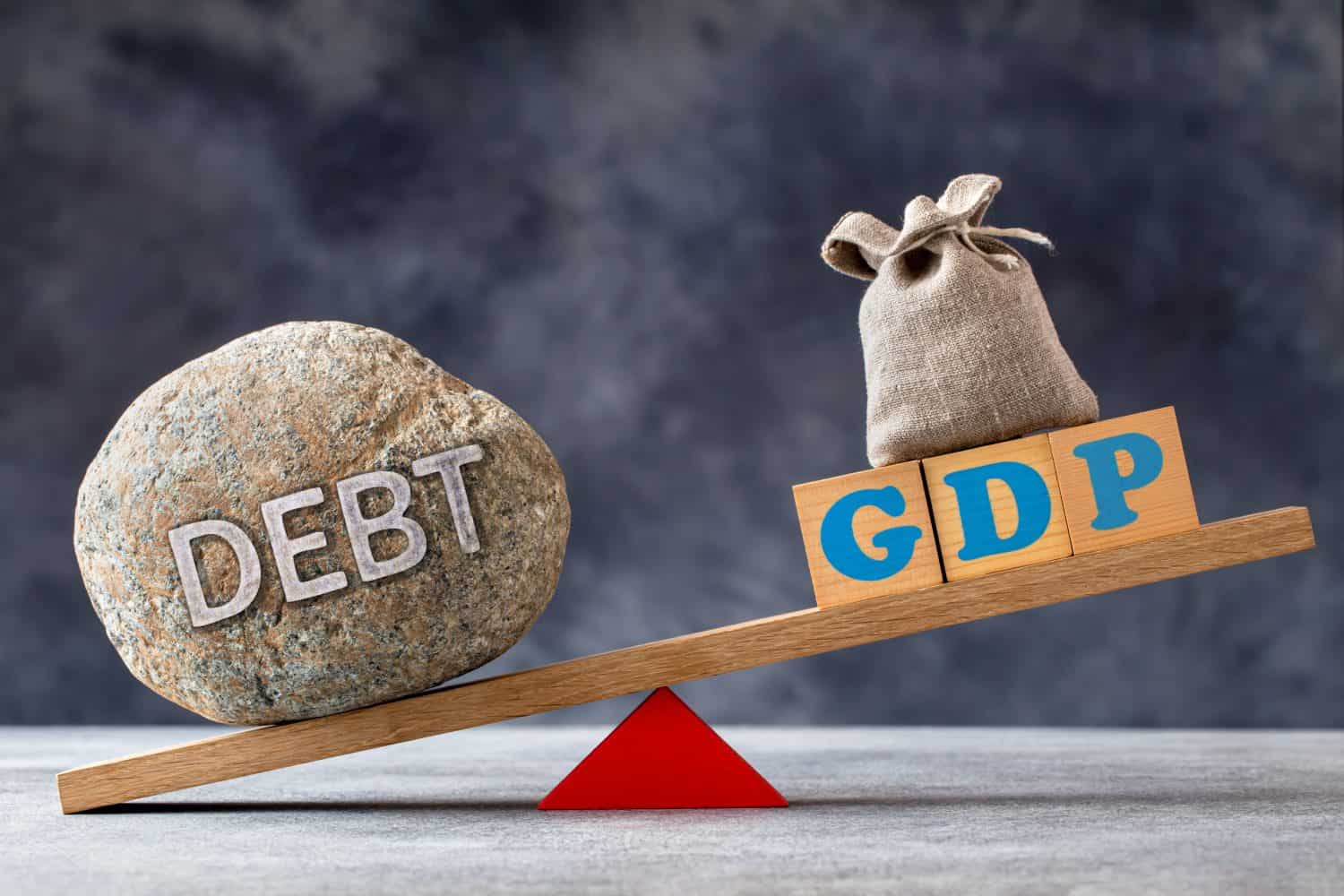
This amount of debt is unprecedented by itself, but having huge amounts of debt isn’t necessarily bad as long as the country can pay for it. There is growing doubt, however, that the United States will be able to continue servicing its debt ever since the debt surpassed the value of our entire GDP.
Unprecedented GDP Ratio
Throughout our history, the United States has averaged a GDP-to-debt ration of around 65%, which means that the country was generating more money each year than it had in debt. Today, however, after reaching a historic high of 126.30% in 2020, it stands at 120.7%, which means that we have more debt than the value our entire economy can generate in a year.
Experts agree that a GDP/debt ratio above 77% begins to damage economies and slow down economic growth. With a country as powerful and as rich as the United States, it is unknown at what point economic collapse will occur, but it will happen eventually.
#4 Growing Chinese Power
The reason why U.S. debt is so attractive is because the U.S. is seen as a stable investment opportunity, and it has yet to officially default on its loans (with one technical exception). However, as other countries with more promising economic outlooks, better income equality, and more stable political systems rise to power, experts anticipate that U.S. debt will become less attractive, causing countries to offload their debt.
Growing Chinese Power

The United States has only been able to push its luck with regard to its debt and finances because it effectively controls the world economy and has enjoyed negative real interest rates (inflation has been higher than interest). But this will not remain true forever, and as China’s star rises, economic conflict will inevitably begin to show the flaws in the American system.
#5 Dropping U.S. Credit Rating
In 2023, Fitch Ratings dropped the credit rating of the United States from AAA to AA+. The reason for doing so was how the government handled addressing its debt crisis (that is, it did not, really).
S&P downgraded the United States as well in 2011 after a similarly irresponsible handling of the debt ceiling. It is becoming clear that large financial institutions are losing faith in the U.S. government and its position as a responsible world power.
Dropping U.S. Credit Rating

For its part, Fitch cited a number of reasons why a downgrade makes sense, and why the U.S. is not as good an investment as it used to be. It cited the government’s growing difficulty in paying its existing debts and its inability to reduce the growth of debt. Several times the operation of the government, and the threat of default, were taken to the last possible moment before being averted.
#6 Low Confidence in U.S. Leadership
In the middle of Trump’s gutting of the federal government and ongoing trade war, and Musk’s destruction of government department, mishandling of federal data, and cutting of social welfare programs, a number of countries have taken the opportunity to expand their own power and reclaim some control over their own destinies.
Low Confidence in U.S. Leadership
Australia, Canada, China, the European Union, and more have all begun to question their reliance on U.S. military support, and have even begun thinking about canceling existing arms purchases (extortion made under duress in the guise of defense). Some countries have moved their economies closer to China and the ongoing trade war will undoubtedly push our allies further away. This means less reliable debt and a more likely economic crisis.
#7 Backward Investment/Borrowing Balance

Economists and experts disagree about the optimal level of debt, but a large majority agree that large amounts of debt can be used and handled safely if the money being borrowed is actually invested into the economy, which will grow and increase tax revenues, helping the country pay back the debt.
Backward Investment/Borrowing Balance
The United States has historically been pretty good about using its debt responsibly. In recent decades, however, the U.S. has been extremely irresponsible. Most of the debt taken by the U.S. government has gone toward huge increases in military spending and funding tax cuts for the rich. This further damages the economy and slows economic growth.
Any time the country has been able to produce a budget surplus, pay off its debt, or even just reduce its existing debt, it has done so by taxing the wealthy and imposing corporate taxes. With an anticipated tax cut under the Trump administration anticipated to give bigger tax cuts to the rich, the problem will only get worse.
#8 Trump’s Promises to Cut Spending
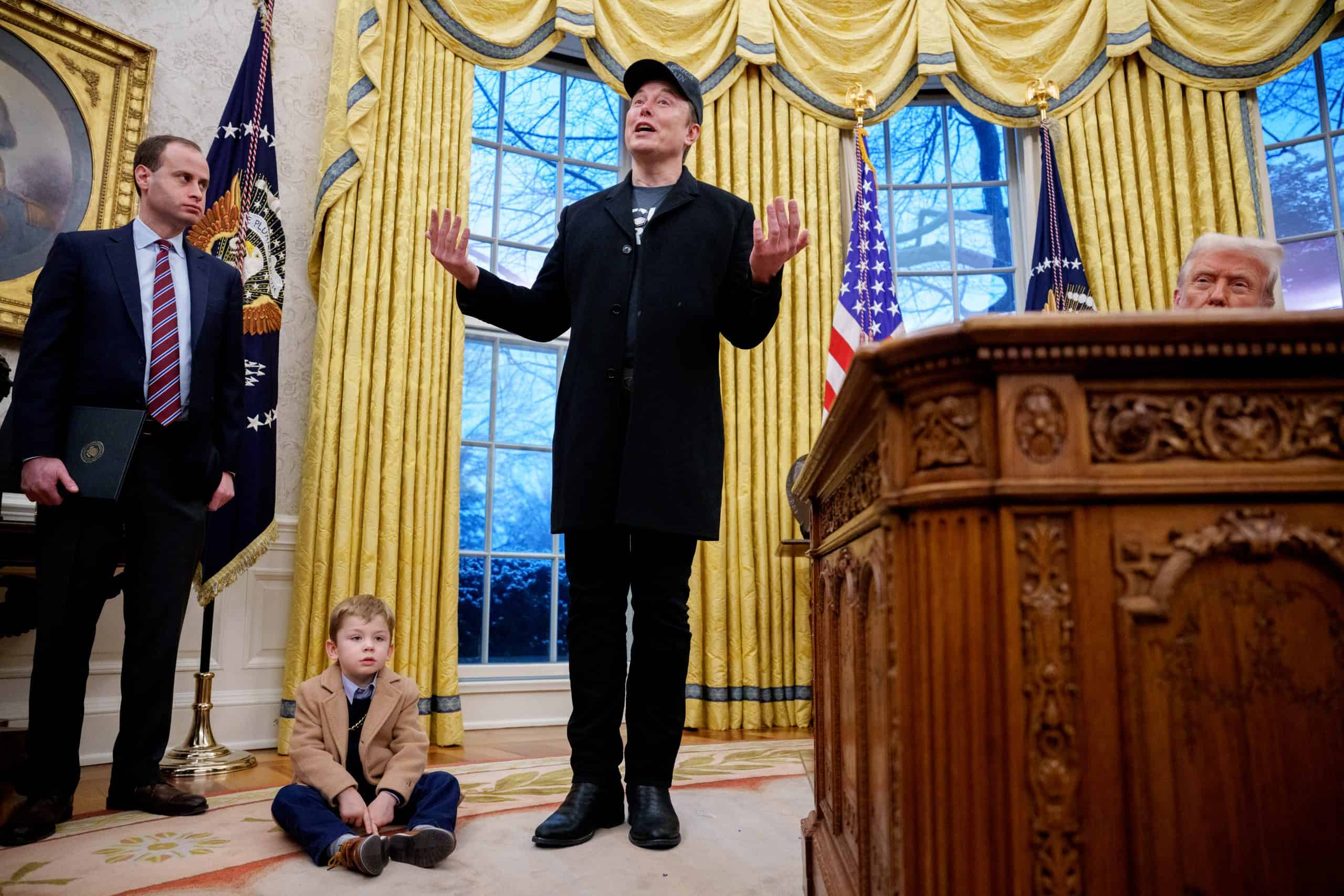
What many Americans might not realize is that the gutting of the federal government by Musk and Trump is showing the world how irresponsible the U.S. government is and is undermining our position as “leaders of the free world”. People both inside the country and without have begun to question what all the money the U.S. has borrowed is going to.
Trump’s Promises to Cut Spending
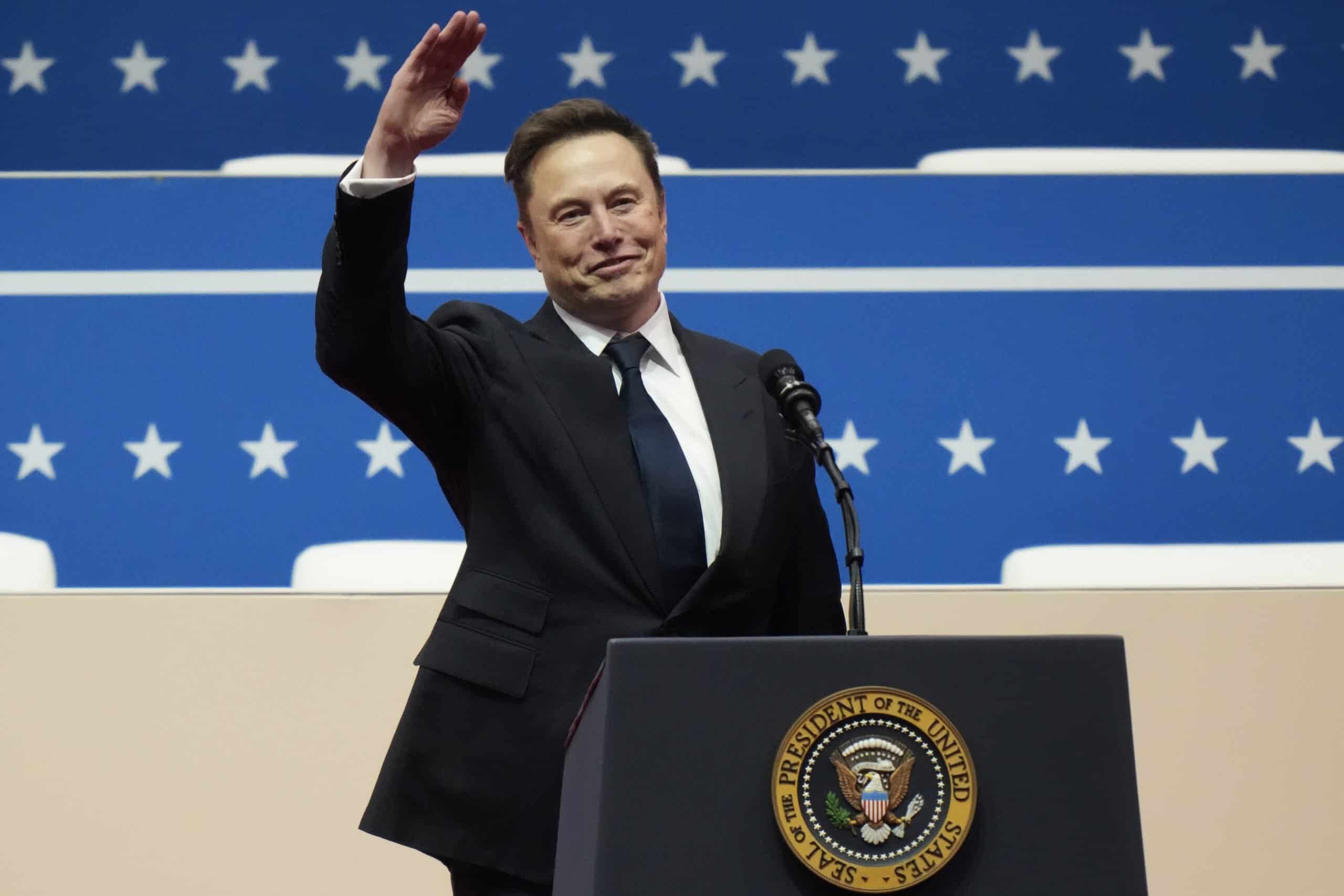
Congress has the power of the purse but has refused to stop Trump and Musk from infringing upon their constitutional powers. While constitutional conflict is nothing new to Trump, it is unknown how long this power grab will go before the government collapses or it finally erupts into blatant oligarchy. If Congress isn’t strong enough to resist Trump taking their power, then it is unlikely they will push back when he returns with bigger demands for money or debt with no concern for who will pay it back.
#9 Congress Not Serious About Debt
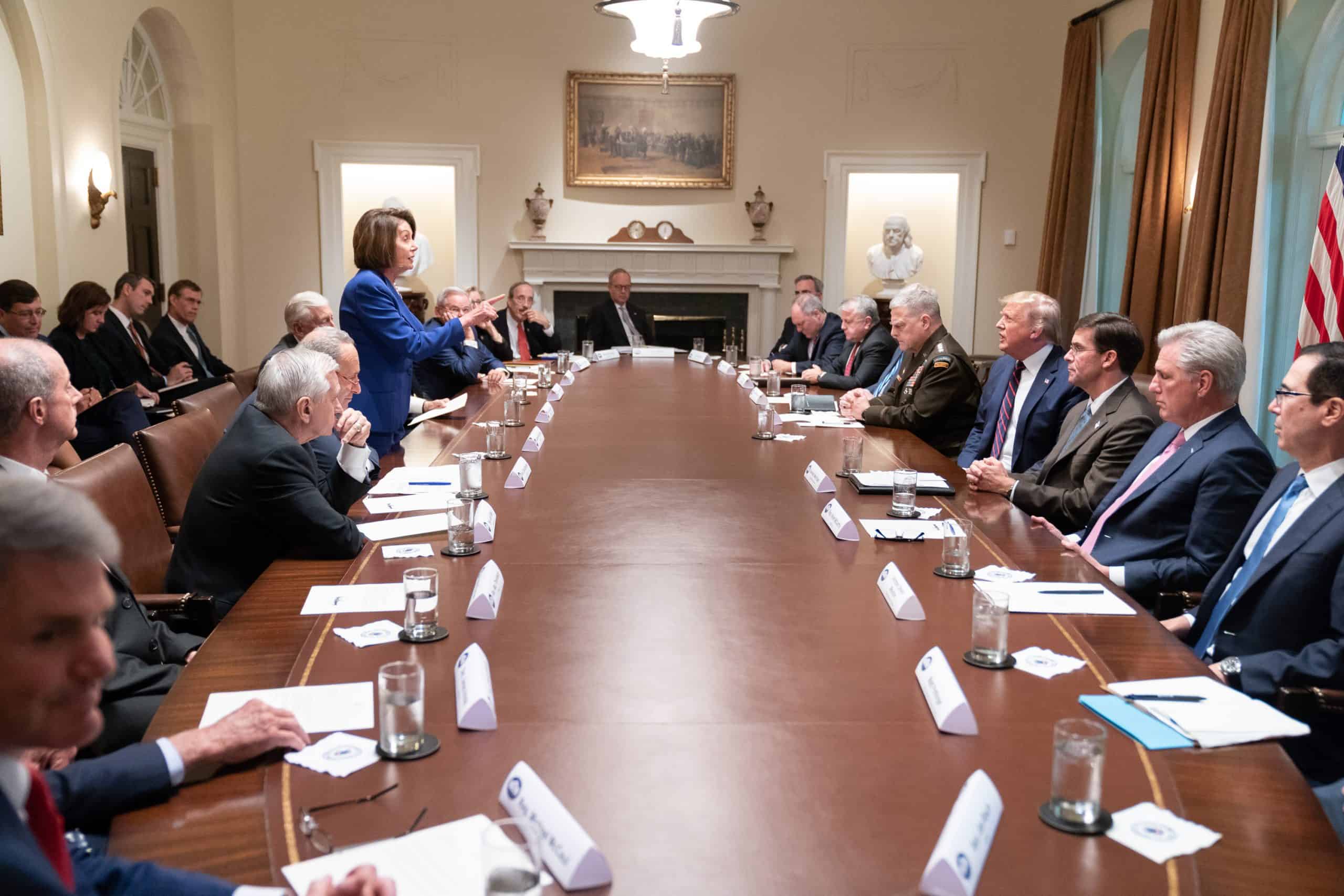
The underlying expectation that the government takes its debt seriously (like it expects its citizens to do) has disappeared. As USA Today reported last week, people are beginning to realize that their elected officials have no intention of controlling spending or reducing the debt. Instead, they have made obvious efforts to destroy government programs, provide tax cuts to the wealthy, and privatize government departments.
Congress Not Serious About Debt
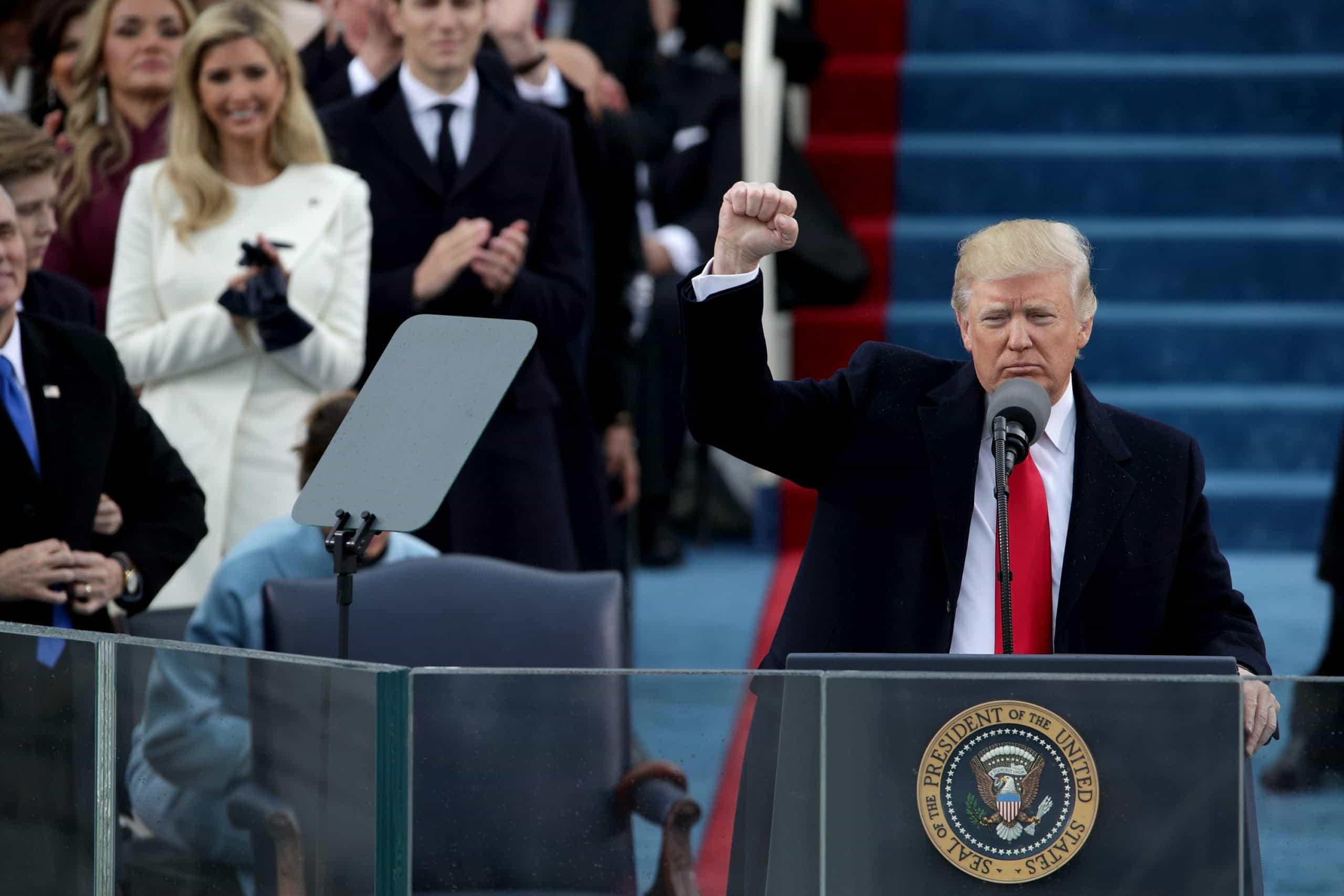
How long will people continue to file taxes or obey the law when they see their own government giving that tax money to the wealthy and breaking its own laws? How much will our laws and elections be civil and stable if they no longer guarantee we will be safe or that the police won’t seize our property? The blatant disregard for our national debt is a sign of things to come.
#10 Countries are Offloading U.S. Debt
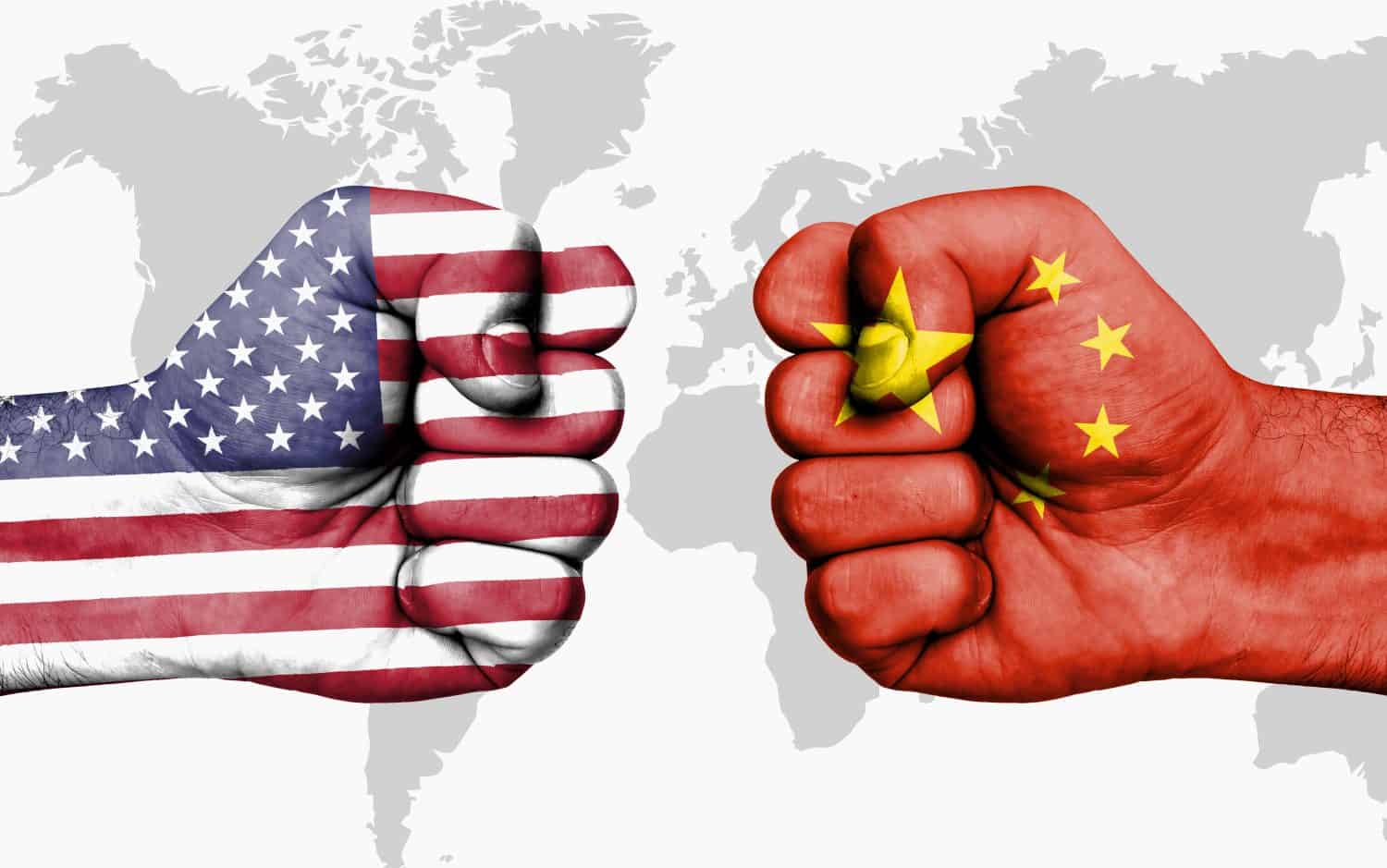
We have covered before how much U.S. debt other countries own, and how most of them are beginning to offload that debt. As the political future of the U.S. becomes ever more unpredictable, chaotic, and self-centered, countries like China, Japan, Germany, and the United Kingdom have begun selling the significant amounts of U.S. debt they own.
Countries are Offloading U.S. Debt

Like any other asset, as countries sell debt, that debt becomes less valuable. Lenders then will want to charge higher interest on that debt in order to recoup their expenses. Less countries and companies will want to buy it, and the U.S. will be unable to secure as much debt as they have been able to in the past. Slowly, the existing interest rates and less ability to get more debt to service it means that the noose has begun to tighten around the neck of the U.S. and it will slowly strangle itself unless something is done.
Contact [email protected] for any questions or corrections.
Aaron Webber is a veteran of the marketing, advertising, and publishing worlds. With over 15 years as a professional writer and editor, he has led branding and marketing initiatives for hundreds of companies ranging from local Chicago restaurants to international microchip manufacturers and banks. Aaron has launched new brands, managed corporate rebranding campaigns, and managed teams of writers in the education and branding agency industries. His experience extends to radio spots, mailers, websites, keynote presentations, TED talks, financial prospecti, launch decks, social media, and much more.
He is now a full-time freelance writer, editor, and branding consultant. Most of his work is spent ghost-writing for corporate executives, long-form articles, and advising smaller agencies on client projects.
Aaron’s work has been featured on INC.com and The Huffington Post. He has written for Fortune 100 companies and world-class brands. His extensive experience in C-suite ghostwriting has launched the personal branding initiatives of dozens of executives. He is a published fiction writer with publishing credits in science fiction, horror, and historical fiction.
Aaron graduated from Brigham Young University with a bachelor’s degree in macroeconomics, and is the owner and primary contributor of The Lost Explorers Club on www.lostexplorersclub.com. He spends his free time teaching breathwork and hosting healing ceremonies in his home.