Amazon And The Commercial Real Estate Disaster
Many of the largest mall operators in the US have gone into default. The Wall Street Journal recently said that the problem is caused by the effects of the economy on small business owners and a rise in e-commerce. The problem…


The problem is going to get much worse, much sooner than expected. Bankruptcies at Borders and Blockbuster have already gutted some stores. The retail prospects of healthy companies like Best Buy (NYSE: BBY) are also failing sooner than expected.
Malls may have been hurt as much by big box retailers as anything else. Wal-Mart (NYSE: WMT) often builds its stores as standalone structures. The same is true with Costco (NASDAQ: COST) which recently said that last month’s same store-sales rose 13%.
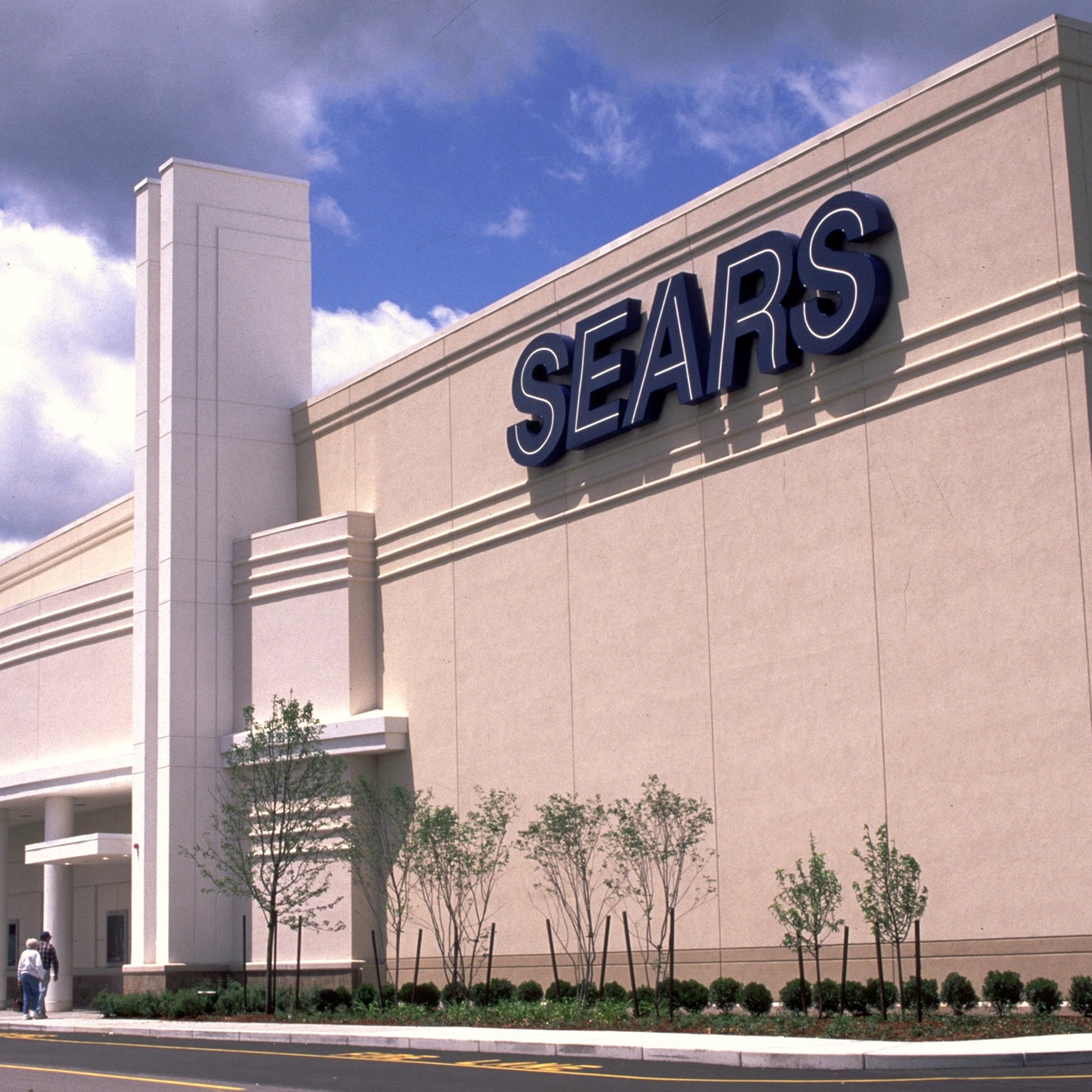
Amazon.com (NASDAQ: AMZN) has gotten much bigger, much faster than most bricks-and-mortar retailers expected. But, that is not the core of the malls’ problems. Small stores in malls have started to expand their e-commerce operations. They have begun to destroy their own businesses to save them. Amazon may have a large number of users, but so do Walmart.com and Target.com. These large retail operators have become the benchmark for smaller companies just as they were twenty years ago when Wal-Mart challenged Sears (NASDAQ: SHLD) and JC Penney (NYSE: JCP).
The trouble for the mall operator is that the little store is pushing its customers online. This store owner does not want a store. They want a website. It cuts their cost of doing business. It should improve his margins. Employees and real estate have become less and less necessary.
Douglas A. McIntyre
Contact [email protected] for any questions or corrections.
Douglas A. McIntyre is the co-founder, chief executive officer and editor in chief of 24/7 Wall St. and 24/7 Tempo. He has held these jobs since 2006.
McIntyre has written thousands of articles for 24/7 Wall St. He is an expert on corporate finance, the automotive industry, media companies and international finance. He has edited articles on national demographics, sports, personal income and travel.
His work has been quoted or mentioned in The New York Times, The Wall Street Journal, Los Angeles Times, The Washington Post, NBC News, Time, The New Yorker, HuffPost USA Today, Business Insider, Yahoo, AOL, MarketWatch, The Atlantic, Bloomberg, New York Post, Chicago Tribune, Forbes, The Guardian and many other major publications. McIntyre has been a guest on CNBC, the BBC and television and radio stations across the country.
A magna cum laude graduate of Harvard College, McIntyre also was president of The Harvard Advocate. Founded in 1866, the Advocate is the oldest college publication in the United States.
TheStreet.com, Comps.com and Edgar Online are some of the public companies for which McIntyre served on the board of directors. He was a Vicinity Corporation board member when the company was sold to Microsoft in 2002. He served on the audit committees of some of these companies.
McIntyre has been the CEO of FutureSource, a provider of trading terminals and news to commodities and futures traders. He was president of Switchboard, the online phone directory company. He served as chairman and CEO of On2 Technologies, the video compression company that provided video compression software for Adobe’s Flash. Google bought On2 in 2009.