Sears Will Finally Go Out of Business
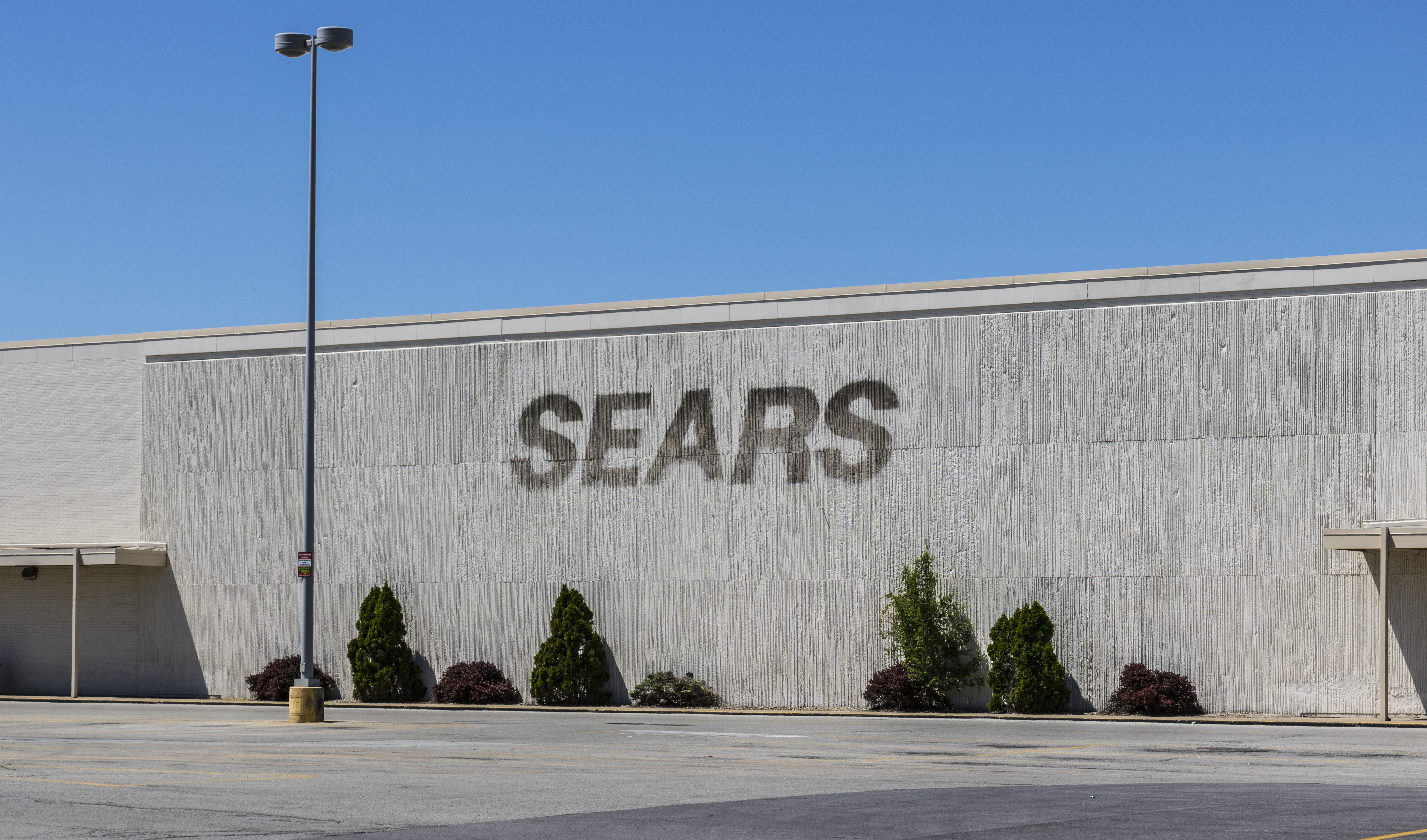
The current Sears store count is five, and this year’s Black Friday will probably be its last. The old-school retailer could not defend itself from startups Walmart and Amazon.

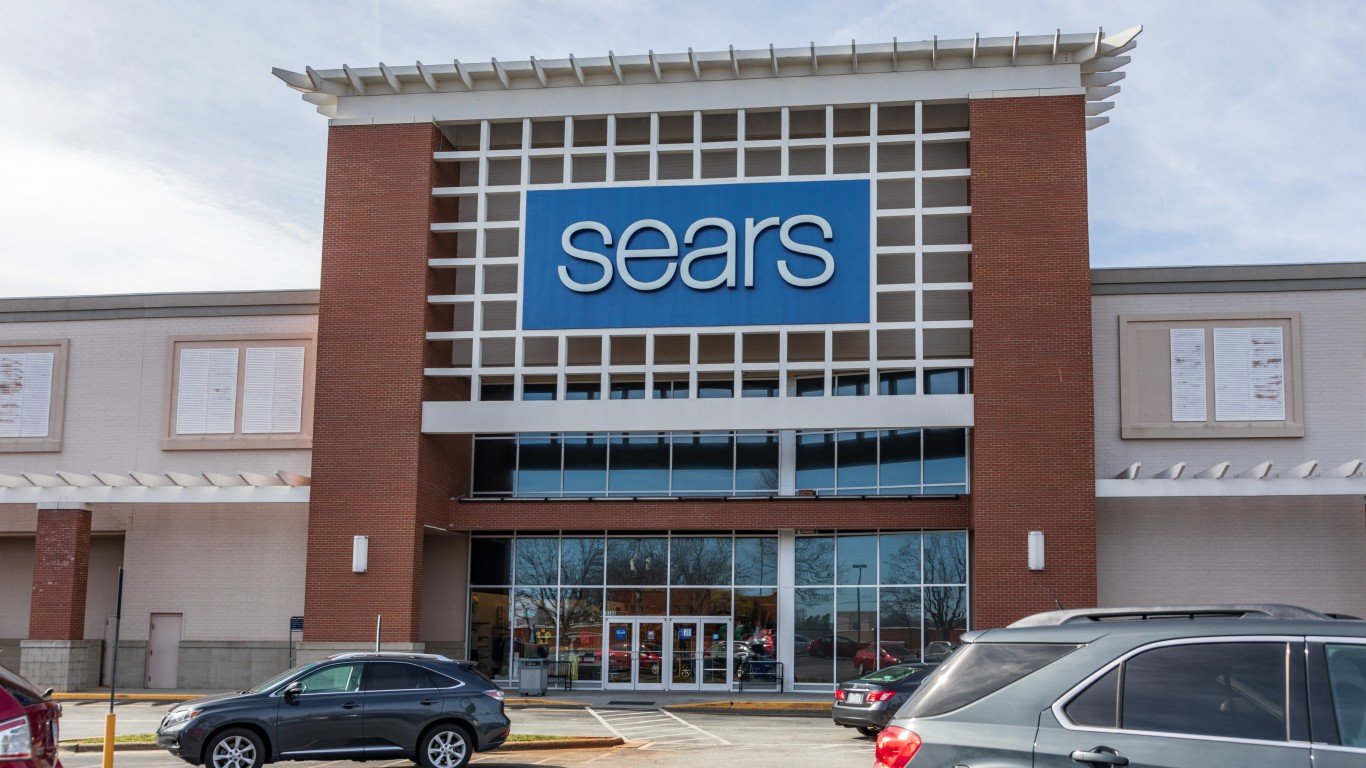
Sears, once known as Sears, Roebuck and Co, was founded in 1892. Its store count peaked at over 3,000, and it was the largest retailer in America for decades, until Walmart topped it in 1990.
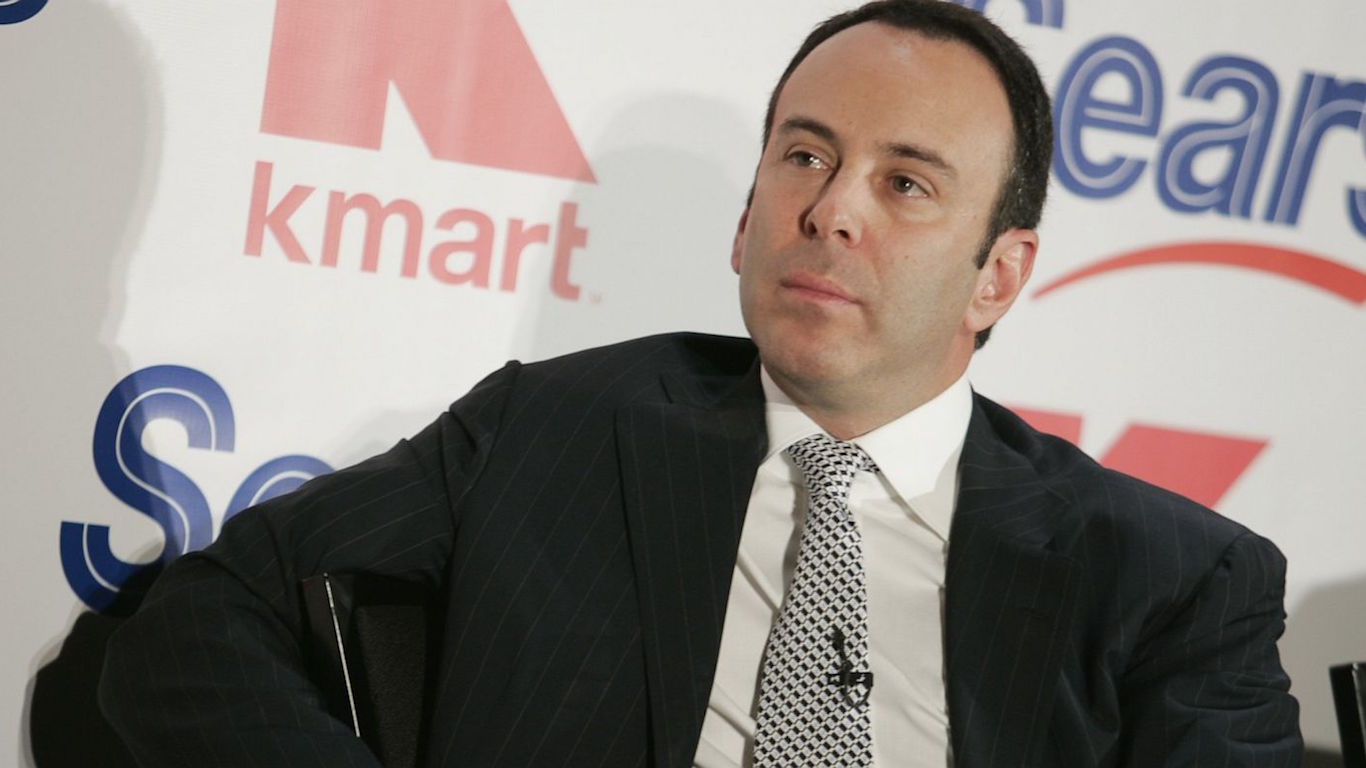
By 2005, Sears had weakened so much that hedge fund manager Eddie Lampert bought it for $11 billion, using his ownership in Kmart to complete the transaction. The combined business declared Chapter 11 bankruptcy in 2018.
The current Sears store count is five. CNN recently reported that this year’s Black Friday will probably be its last. A former Sears executive, Mark Cohen, told the cable channel, “Someone unlocks the door in the morning and locks it at night, but there’s actually nothing to sell in the stores.” In a world in which most even modest-sized retailers have hundreds of stores, and Walmart has almost 5,200, five locations means a retailer already has more than one foot in the grave.
The debate about what killed Sears is endless. One reason is how much debt Lampert had to take on to buy the company. This led to an inability to update aging stores. Another is that Sam Walton ran Walmart so well that hordes of retail customers moved to its stores. Walmart has also been blamed for the demise of Kmart, which was founded in 1899 as S.S. Kresge.
The most convincing case is that Sears lost most of its traffic to Amazon, which grew rapidly after Jeff Bezos started it in 1994 and it went public in 1997. The company expanded from an online bookstore to a massive retailer of almost anything available at a brick-and-mortar retailer. Sears never had much of an online presence.
Clearly, Sears could not defend itself from startups Walmart and Amazon. That was enough to put it out of business.
Amazon Stock Price Prediction and Forecast 2025–2030
Contact [email protected] for any questions or corrections.
Douglas A. McIntyre is the co-founder, chief executive officer and editor in chief of 24/7 Wall St. and 24/7 Tempo. He has held these jobs since 2006.
McIntyre has written thousands of articles for 24/7 Wall St. He is an expert on corporate finance, the automotive industry, media companies and international finance. He has edited articles on national demographics, sports, personal income and travel.
His work has been quoted or mentioned in The New York Times, The Wall Street Journal, Los Angeles Times, The Washington Post, NBC News, Time, The New Yorker, HuffPost USA Today, Business Insider, Yahoo, AOL, MarketWatch, The Atlantic, Bloomberg, New York Post, Chicago Tribune, Forbes, The Guardian and many other major publications. McIntyre has been a guest on CNBC, the BBC and television and radio stations across the country.
A magna cum laude graduate of Harvard College, McIntyre also was president of The Harvard Advocate. Founded in 1866, the Advocate is the oldest college publication in the United States.
TheStreet.com, Comps.com and Edgar Online are some of the public companies for which McIntyre served on the board of directors. He was a Vicinity Corporation board member when the company was sold to Microsoft in 2002. He served on the audit committees of some of these companies.
McIntyre has been the CEO of FutureSource, a provider of trading terminals and news to commodities and futures traders. He was president of Switchboard, the online phone directory company. He served as chairman and CEO of On2 Technologies, the video compression company that provided video compression software for Adobe’s Flash. Google bought On2 in 2009.