You Won’t Believe How Long It Takes for These Popular Items to Decompose
JoZtar / iStock via Getty Images Aluminum cans > How long they take to decompose: 80 to 100 years KevinDyer / Getty Images Aluminum foil > How long it takes to decompose: Never SergeyKlopotov / iStock via Getty Images Batteries…


Merriam-Webster defines “decompose” as “to separate into constituent parts or elements or into simpler compounds.” That happens to all living things after they pass on. But what about inanimate objects – the things we use every day? When do their components break down and drift off into the wind?
To determine how long it takes for 32 popular non-organic items and materials to decompose, 24/7 Tempo gleaned information from the websites Eco-Friendly Lifestyle and The Balance Small Business.
Paper waste and cardboard are the items that decompose the fastest among everyday things – two to six weeks for paper, two months for cardboard. Items such as aluminum foil, cans, plastic, glass, and disposable diapers stay around quite a while longer. (Here are 30 ways to be more environmentally friendly.)
Many things on our list take a century or longer to decompose. The rates of decomposition can vary greatly based on environmental factors such as temperature, humidity, and exposure to the elements. But these factors aside, it could take a tire a million years to break down – and aluminum foil is one of the substances that never decomposes.
Click here to see how long it takes 32 everyday things to decompose
No discussion of the decomposition (or lack of decomposition) of inorganic items would be complete without mentioning plastic. It has become such a litter problem that states such as Colorado, California, and New Jersey have banned single-use plastic bags. And discarded plastic six-pack holders are the bane of existence for sea creatures. The Plastic Free Turtles project operating in Uruguay, for instance, found that as many as 70% of the juvenile green turtles feeding in waters off of that South American nation have been ingesting plastic. (These are the countries that generate the most plastic waste.)

Aluminum cans
> How long they take to decompose: 80 to 100 years
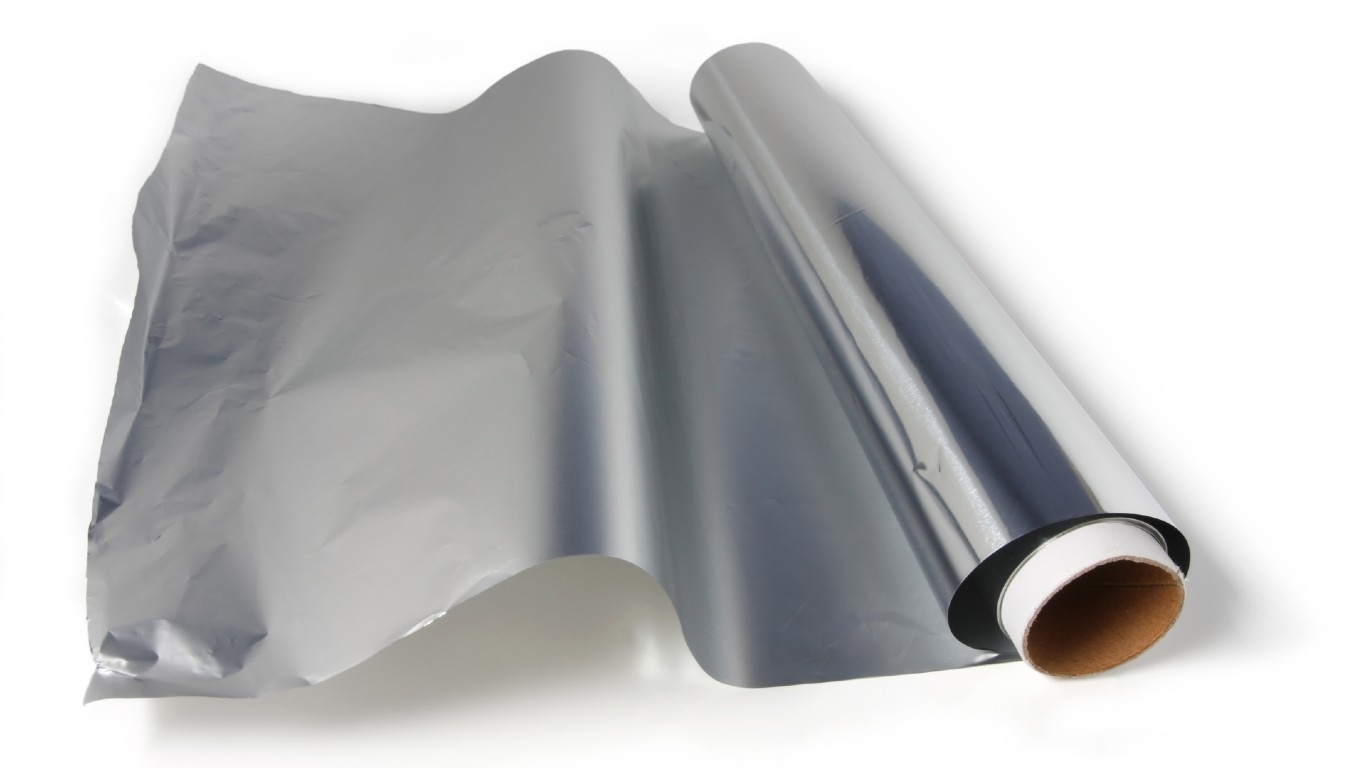
Aluminum foil
> How long it takes to decompose: Never
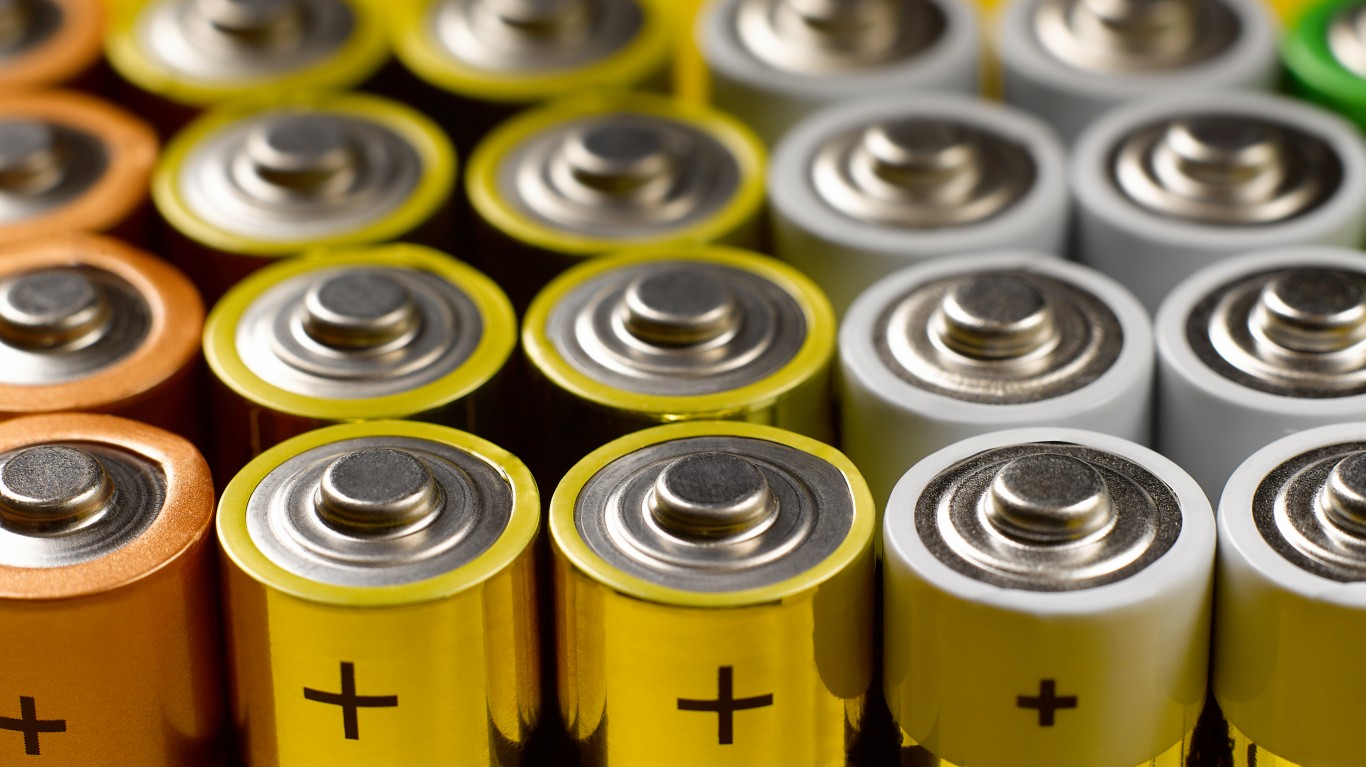
Batteries
> How long they take to decompose: 100 years

Carton packaging
> How long it takes to decompose: 2 weeks to 4 weeks
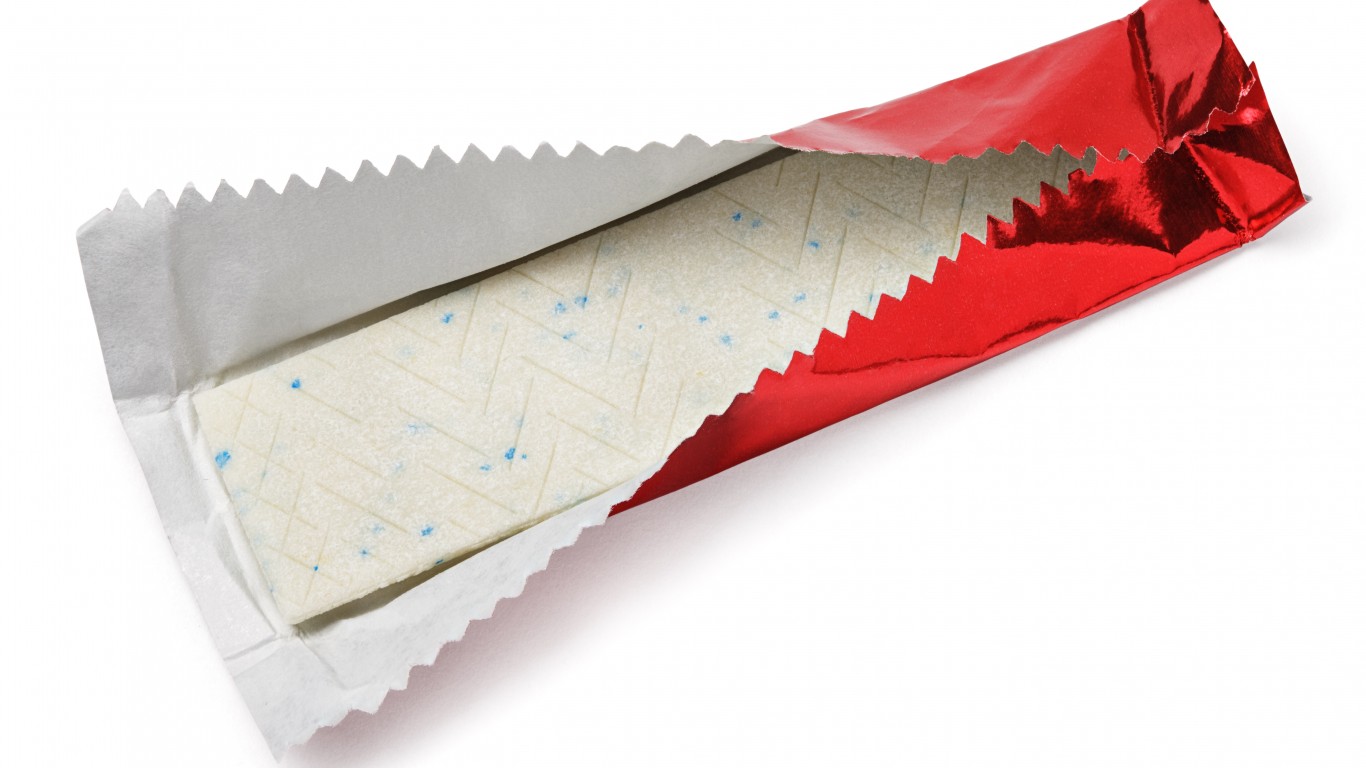
Chewing gum
> How long it takes to decompose: Hundreds of years

Cigarettes
> How long they take to decompose: 18 months to 10 years
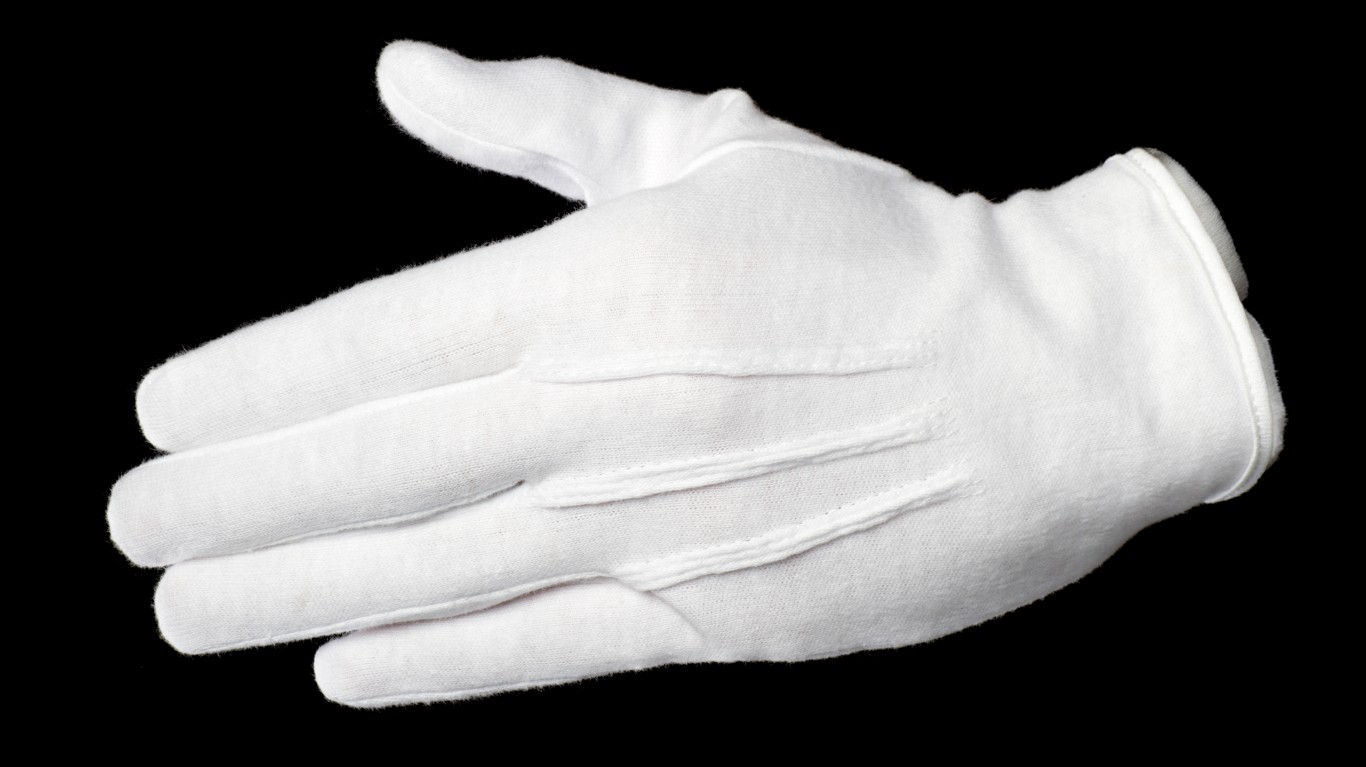
Cotton gloves
> How long they take to decompose: 3 months

Disposable diapers
> How long they take to decompose: 500 years

Foam cups
> How long they take to decompose: 50 years
Glass bottles
> How long they take to decompose: 1 million years
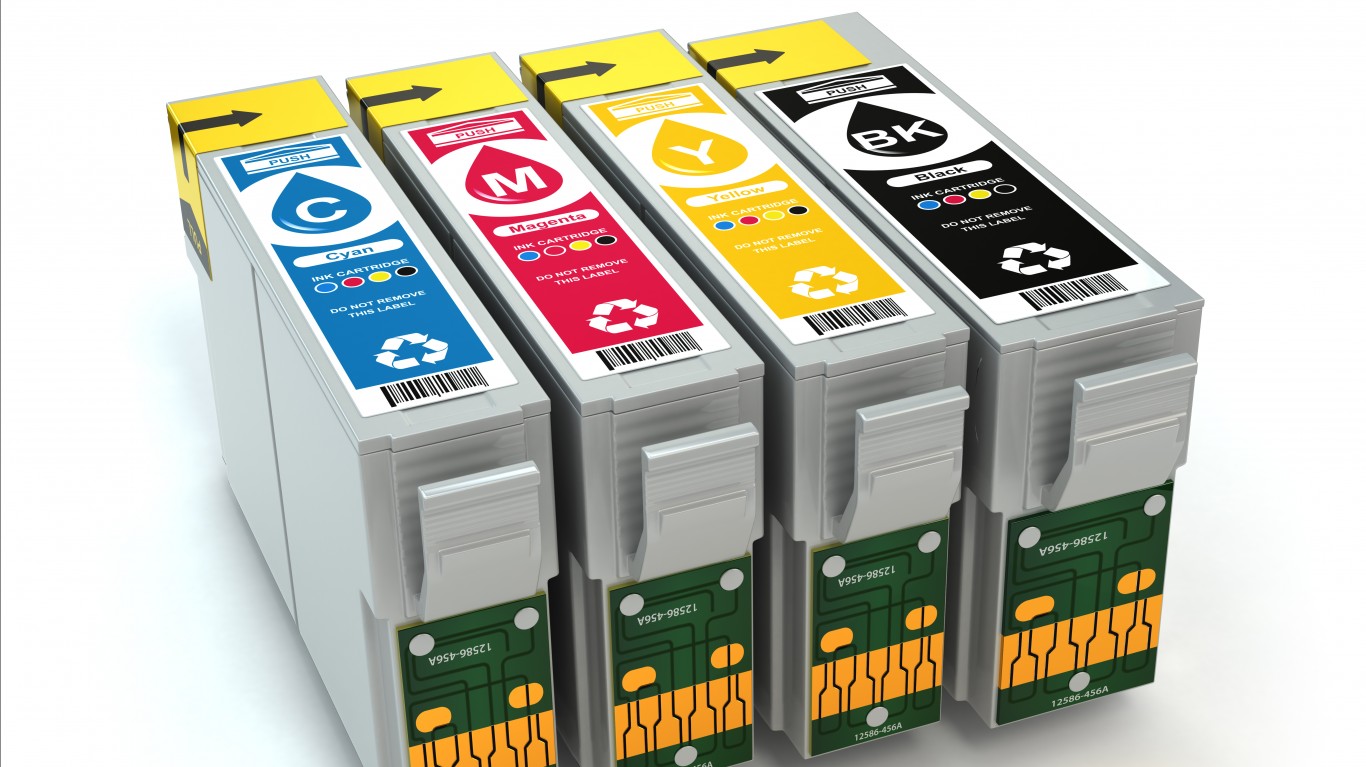
Ink cartridges
> How long they take to decompose: 450 to 1,000 years

Latex gloves
> How long they take to decompose: Several months to several years

Nylon fishing nets
> How long they take to decompose: 40 years

Plastic bags
> How long they take to decompose: 10 to 1,000 years

Plastic bottles
> How long they take to decompose: 450 years

Plywood
> How long it takes to decompose: 1 to 3 years

Polyester clothes
> How long they take to decompose: More than 100 years

Polyurethane cushions
> How long they take to decompose: 1,000 years

Rope
> How long it takes to decompose: 3 to 14 months

Rubber soles
> How long they take to decompose: 50 to 80 years

Sanitary pads
> How long they take to decompose: More than 25 years

Shoes
> How long they take to decompose: 25 to 40 years

Six-pack holders
> How long they take to decompose: 450 years

Steel cans
> How long they take to decompose: 50 years

Straws
> How long they take to decompose: 200 years

Styrofoam
> How long it takes to decompose: Never

T-shirts
> How long they take to decompose: 6 months

Tin cans
> How long they take to decompose: 50 years
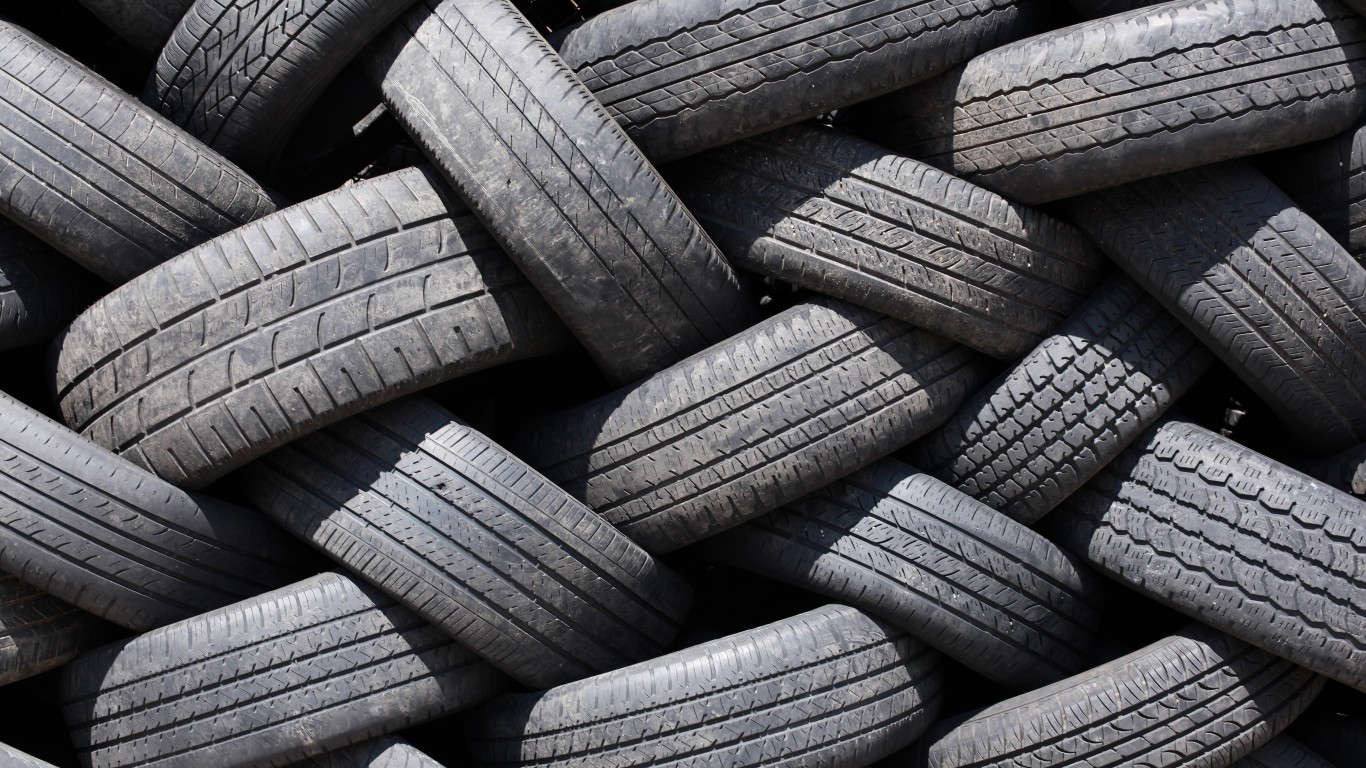
Tires
> How long they take to decompose: 2,000 years

Waxed milk cartons
> How long they take to decompose: 3 months

Wet wipes
> How long they take to decompose: 100 years

Ziploc bags
> How long they take to decompose: 20 years to 1,000 years
Contact [email protected] for any questions or corrections.
I'm a journalist who started my career as a sportswriter, covering professional, college, and high school sports. I pivoted into business news, working for the biggest newspapers in New Jersey, including The Record, Star-Ledger and Asbury Park Press. I was an editor at the weekly publication Crain’s New York Business and served on several editorial teams at Bloomberg News. I’ve been a part of 24/7 Wall St. since 2017, writing about politics, history, sports, health, the environment, finance, culture, breaking news, and current events. I'm a graduate of Rutgers University with a Bachelor of Arts degree in History.