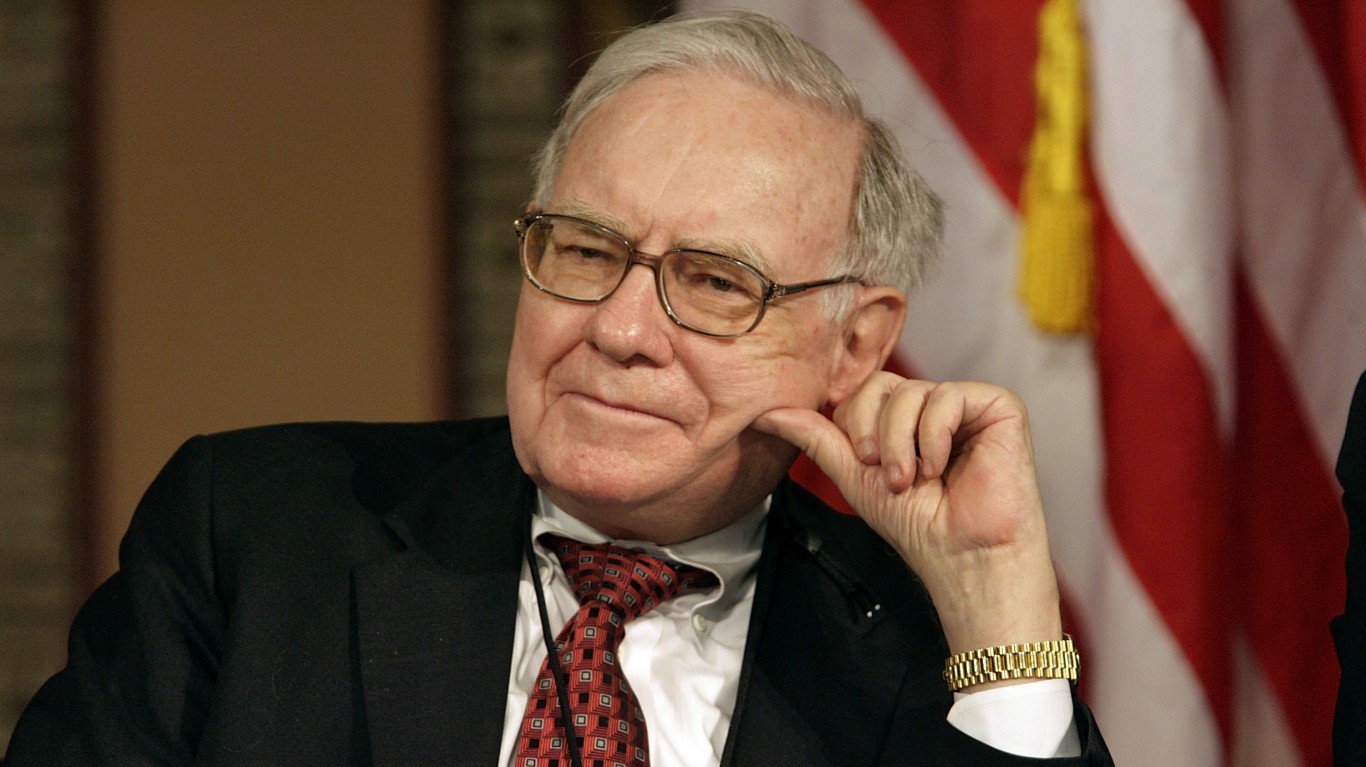
10 Warren Buffett Quotes For Anyone Nearing Retirement
Following his formal transition out of the CEO role on December 31, 2025, Warren Buffett’s long-planned succession is complete, with Greg Abel now fully steering the ship as CEO of Berkshire Hathaway. While the 95-year-old legendary investor remains an advisor…

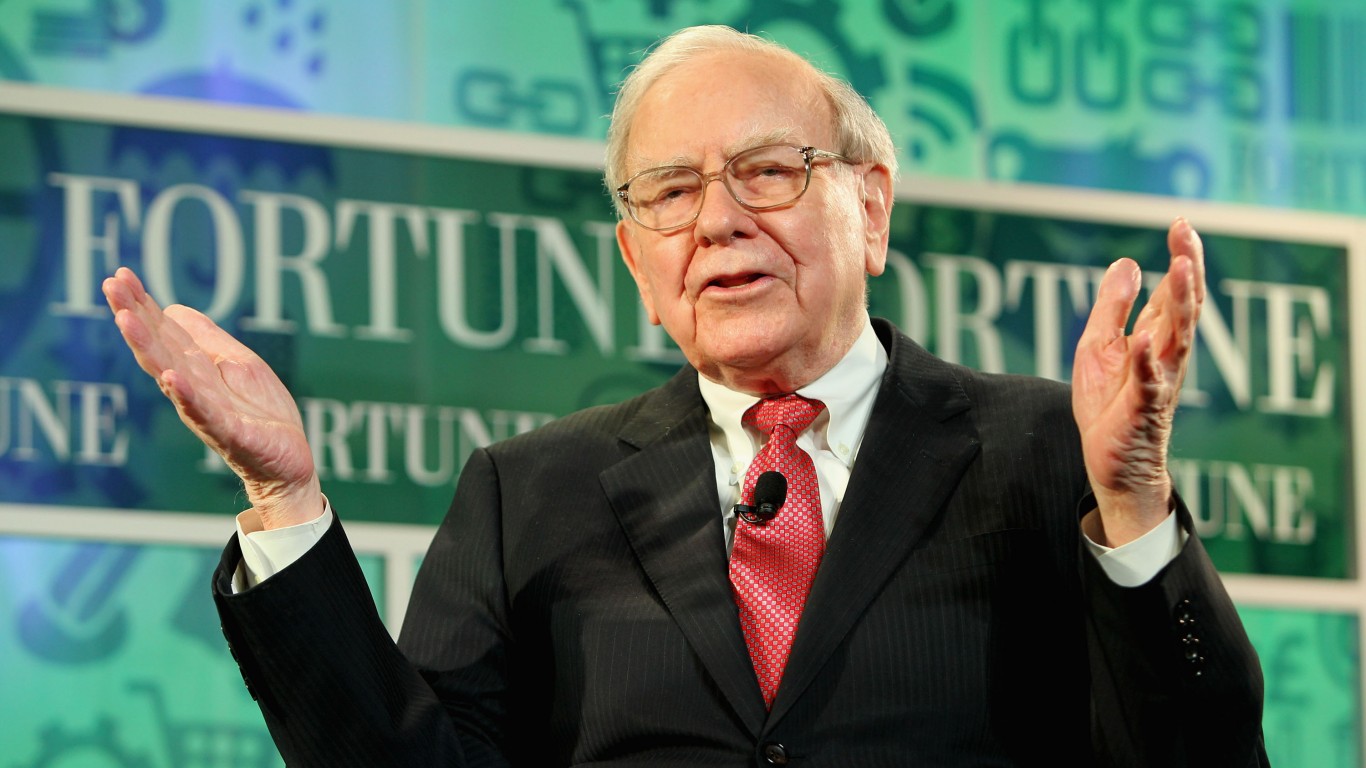
Following his formal transition out of the CEO role on December 31, 2025, Warren Buffett’s long-planned succession is complete, with Greg Abel now fully steering the ship as CEO of Berkshire Hathaway. While the 95-year-old legendary investor remains an advisor and Chairman of the Board, the first half of 2026 has already given investors a clear view of how Berkshire operates in this historic new era.
Even into his 10th decade, Warren Buffett continues to dominate Wall Street with his legendary investment prowess. As one of the world’s top richest individuals, with a net worth of approximately $138 billion, Buffett has long been a titan in the financial world. From a young age, he had a natural aptitude for business and investing. (These are the best dividend stocks to buy with $1000.)
Yet, despite his immense wealth, Buffett remains grounded, emphasizing discipline and strong relationships. In fact, he has pledged to donate his fortune to charity rather than to his children. A surprisingly frugal billionaire, Buffett still lives in the same house he purchased back in 1958!
Renowned as the “Oracle of Omaha”, Buffett is undoubtedly a titan in the investment world. However, his wisdom extends far beyond the realm of finance. While associated with legendary stock picks, Buffett’s philosophies resonate deeply with any age, including those navigating the complexities of middle age and the runway to retirement. (These investments and strategies can help lower your taxes.)
As people in their 50s grapple with unique life decisions like retirement planning and future endeavors, Buffett’s insights offer a broader perspective on achieving a fulfilling life. Here at 24/7 Wall Street, we’ve compiled Buffett’s wisdom into ten life lessons that can benefit everyone in their 50s.
Why Does This Matter?

Life isn’t just about being financially stable. It’s also about living a fulfilling life! And Warren Buffett offers excellent advice on both accounts.
These are the ten life lessons everyone in their 50s can learn from Warren Buffett:
1. Find Your Passion and Live It

“The difference between successful people and really successful people is that really successful people say no to almost everything.”
Here, Warren Buffett highlights the importance of focus. Often, saying “no” in life matters more than saying “yes”. Dedicating time and energy to activities you’re passionate about can be very fulfilling. When you’re engrossed in something you love, the work no longer feels like work.
Berkshire Hathaway practices this exact restraint today by maintaining a historic cash and Treasury bill stockpile of $373 billion. Instead of forcing money into an expensive, overvalued market, the firm comfortably says “no” to marginal deals, waiting on the sidelines for generational opportunities. For those nearing retirement, learning to say no to distracting financial risks or unfulfilling obligations is the ultimate key to protecting your time and nest egg.
2. Invest in Yourself

“The most important investment you can make is in yourself.”
This statement is particularly true for those in their 50s. While some might view this age as a time to wind down, Buffett’s philosophy is to continuously learn and invest in yourself. The world is constantly evolving, with new technologies and industries always emerging. Continuous learning allows you to stay current with these changes.
Learning new skills can also open doors to exciting careers and possibilities. This could involve a shift in your current field or a complete career change. People are changing jobs more often than ever today. Plus, lifelong learning can help maintain cognitive function and even improve memory. Engaging your brain with new challenges can help keep you adaptable.
3. The Power of Patience

“It’s far better to buy a wonderful company at a fair price than a fair company at a wonderful price.”
Warren Buffett’s investing philosophy emphasizes quality over bargains. While it is often tempting to snag a cheap stock, Buffett argues that long-term value is more important. But this concept of patience and long-term thinking extends far beyond the world of finance, too. True happiness and fulfillment rarely come from quick fixes. They stem from setting meaningful goals and making consistent efforts. In your 50s, you have time and experience to cultivate long-term goals. Mastering a new skill and pursuing a passion project are great ways to keep moving forward.
Important life decisions in your 50s, such as career changes, financial planning for retirement, or navigating relationships with aging parents, all benefit from careful consideration and long-term planning. It’s important not to rush into decisions based on short-term emotions and immediate needs. Rushing can lead to consequences with long-term impacts.
4. Fear and Greed

“Be fearful when others are greedy and greedy when others are fearful.”
This statement highlights the importance of logic when making decisions. Financial markets can be highly susceptible to herd mentality. Grounding this advice in the current climate is vital: the famous “Buffett Indicator”—the ratio of total US market capitalization to gross domestic product—has recently hovered at historic highs over 230%. This suggests an equity market driven heavily by greed.
For individuals in their 50s and nearing retirement, fighting off the fear of missing out (FOMO) during massive market rallies is critical. When the crowd is aggressively buying, a calm and analytical approach allows you to shelter your hard-earned capital, ensuring you have liquidity available to buy undervalued assets when the market eventually turns fearful.
5. Avoiding Debt

“Our firm has never borrowed money to buy securities.”
Warren Buffett’s company famously adheres to the principle of financial responsibility. This quote underscores the dangers of debt and the importance of living within your means. While debt can be useful in certain situations, it can become a dangerous burden as you approach retirement.
Developing frugal habits in your 50s lays a foundation for retirement and managing financial stress. Living comfortably within your means will help you adjust to a potentially fixed or lower income later. This financial discipline ensures that your transition to retirement is smooth and easy, unencumbered by monthly high-interest liabilities.
6. Value Relationships

“It’s better to hang out with people who are better than you. Pick out associates whose behavior is better than yours and who are constantly improving.”
Life is about a lot more than money, of course. Relationships matter, too. Warren Buffett emphasizes the power of positive relationships, highlighting the importance of surrounding yourself with positive and supportive people, especially in your 50s.
Cultivating strong relationships is crucial as priorities shift. A strong support system can be very helpful, especially if you surround yourself with positive and encouraging people. The people you spend time with heavily influence your retirement outlook, lifestyle habits, and mental well-being. By surrounding yourself with individuals constantly learning and striving for personal excellence, you’ll naturally be inspired to do the same.
7. Delegate
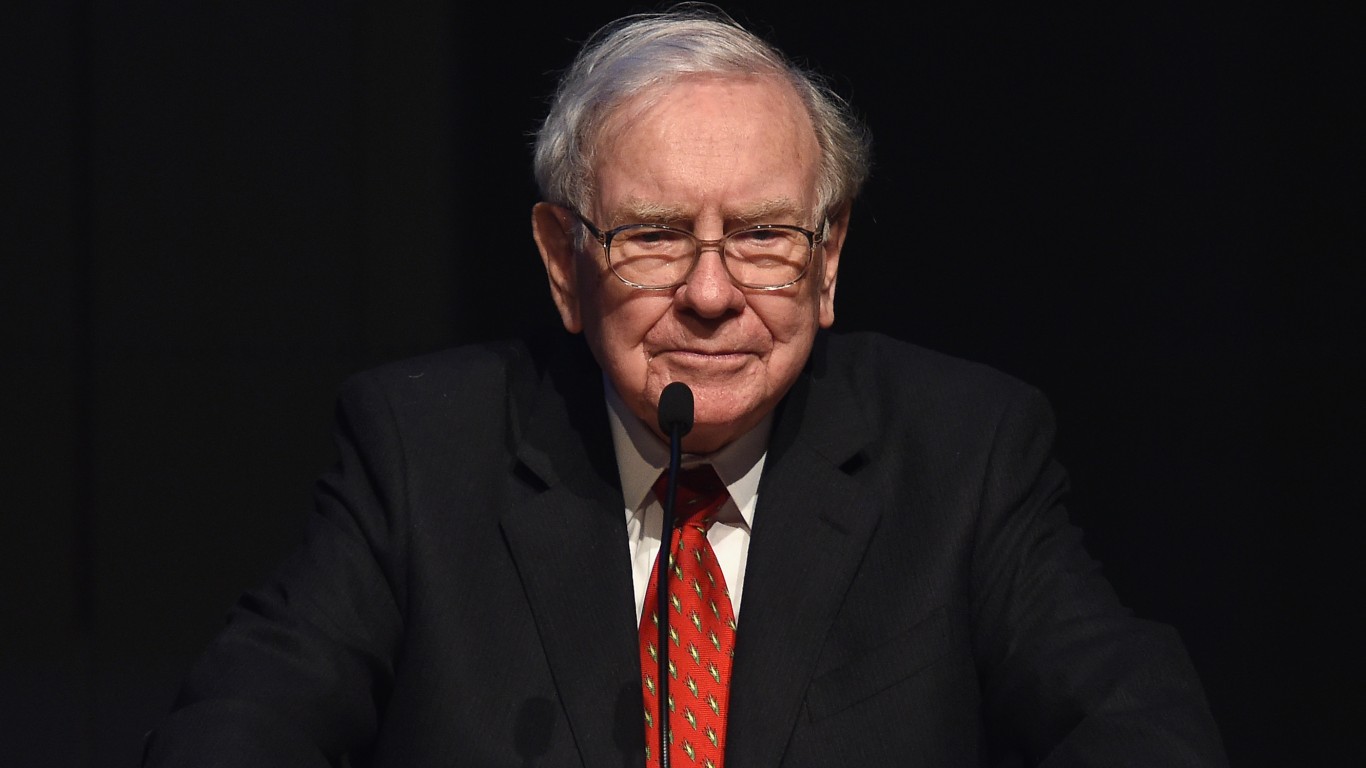
“Delegation is the most important skill any manager can have.”
In leadership, Warren Buffett emphasizes the operational importance of delegation, granting his subsidiary CEOs immense autonomy. Anyone in their 50s can optimize their time and energy through this exact concept by letting go of micromanaging every minor detail of life.
Delegation isn’t just a corporate tool; it’s about preserving your peak cognitive energy. As you age, your priorities and energy levels shift. Delegating tasks—whether that means hiring a trusted financial planner to stress-test your retirement model or utilizing specialized software to handle tedious chores—allows you to focus heavily on your strengths and spend invaluable time with your family.
8. Give Back

“If you’re in the luckiest 1 percent of humanity, you owe it to the rest of humanity to think about the other 99 percent.”
Warren Buffett isn’t just a legendary investor. He’s also a renowned philanthropist who famously pledged to donate over 99% of his wealth to charitable causes. His commitment to giving back demonstrates the importance of philanthropy, which has many benefits beyond helping others.
As you navigate your 50s, you may reevaluate your priorities and seek new sources of meaning outside of a standard corporate identity. Volunteering your time, skills, or resources to a cause you believe in can provide a renewed sense of purpose and fulfillment that carries directly into your post-career life. Your 50s offer a unique opportunity to reflect on your legacy, knowing that your contributions will benefit future generations.
9. Maintain a Sense of Humor

“Life is like a snowball. The important thing is finding wet snow and a really long hill.”
It’s important not to get too worked up by the volatile, little things. Warren Buffett’s famous metaphor for compounding applies heavily to life itself. While you can set up the perfect conditions for compound growth—both financially and socially—maintaining a sense of humor allows you to approach unexpected macro disruptions with resilience.
True happiness in your later years means appreciating the simple things in life. Embracing the compounding effects of a lifetime of good choices requires patience, a playful spirit, and the ability to laugh off short-term market noise or minor setbacks along the way.
10. Never Stop Learning and Adapting
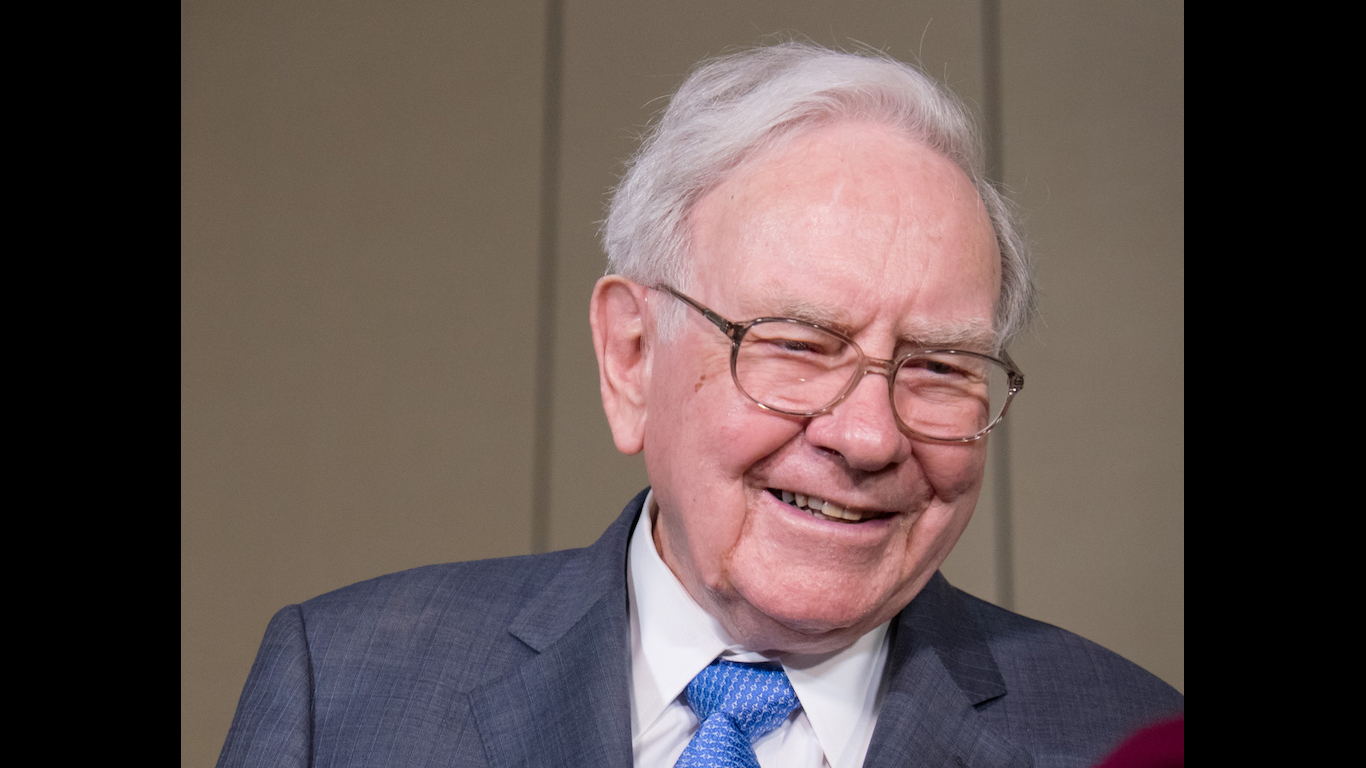
“Should you find yourself in a chronically leaking boat, energy devoted to changing vessels is likely to be more productive than energy devoted to patching leaks.”
While Warren Buffett is known for value investing, his immense success stems from a radical willingness to adapt. Berkshire Hathaway put this philosophy into practice by executing a massive portfolio housecleaning, aggressively exiting long-term equity positions including Amazon, Visa, and Mastercard, to narrow down its core holdings and reduce exposure to legacy financial sectors.
Just because you are in your 50s or nearing retirement does not mean you can stop adapting. Relying on an outdated financial plan or an unfulfilling career track is the equivalent of patching a leaking boat. Embracing structural changes—whether that means rebalancing an aggressive portfolio into capital-preservation assets or altering your lifestyle expectations—ensures you are always sailing in a sturdy vessel.
Editor’s Note: This article has been comprehensively revised to reflect Berkshire Hathaway’s official 2026 executive leadership transition, updated market valuations via the current Buffett Indicator, the firm’s recent cash position metrics, and significant structural updates regarding Berkshire’s equity portfolio concentrations.
Contact [email protected] for any questions or corrections.
Kristin Hitchcock is a financial expert who has been writing on topics related to retirement for over eight years. Her knowledge spans a wide range of areas, including navigating the complexities of Social Security, developing sustainable investment strategies, and helping individuals achieve their retirement goals.
Throughout her career, she has written for various platforms, including several retirement communities, to ensure that seniors have access to clear and actionable financial advice.
Kristin is also an active investor with more than ten years of experience in a diverse range of investment strategies, including short-term trades, dividend stocks, and options. She enjoys simplifying complex trading concepts by writing easy-to-follow guides that help readers meet their investment goals.