




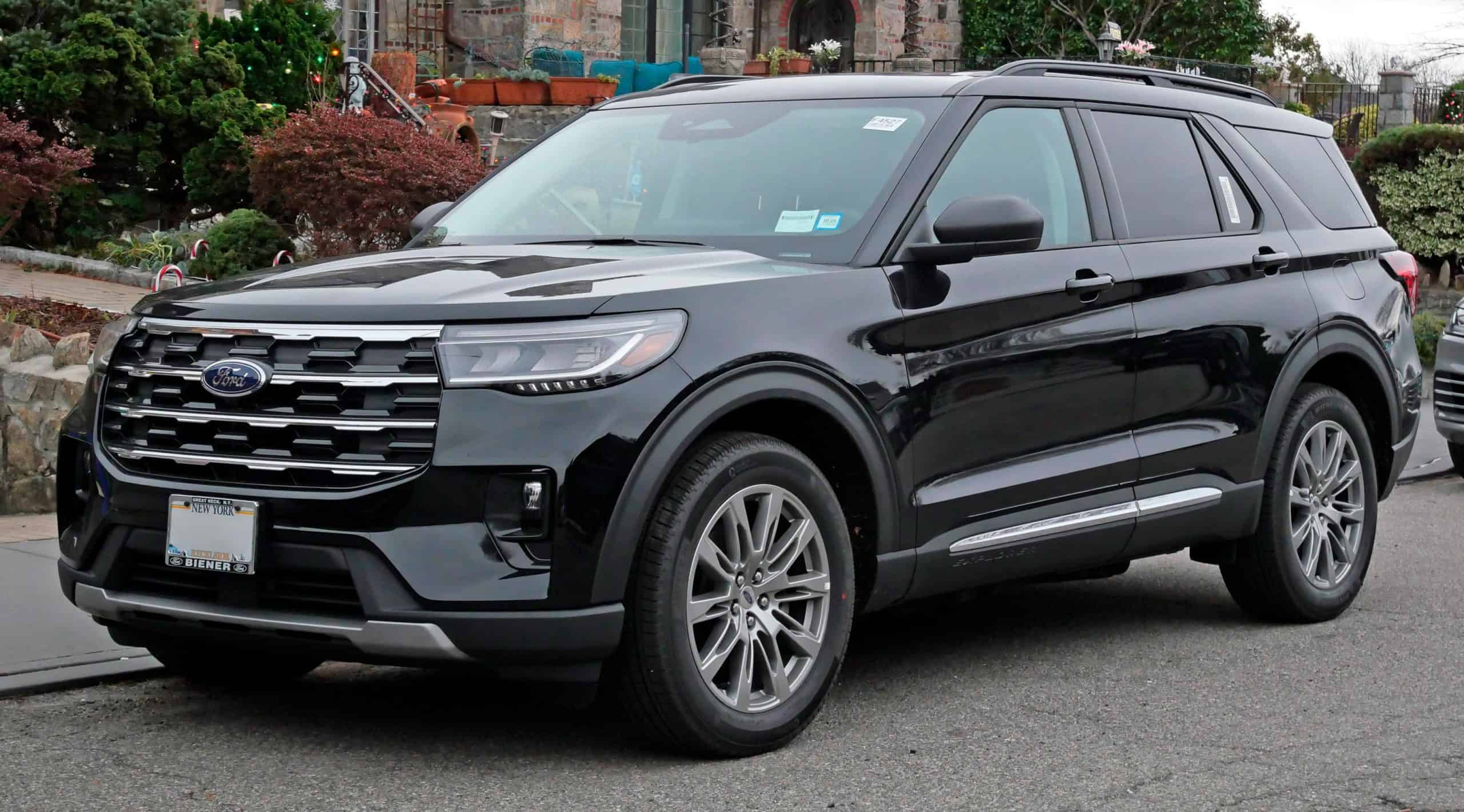
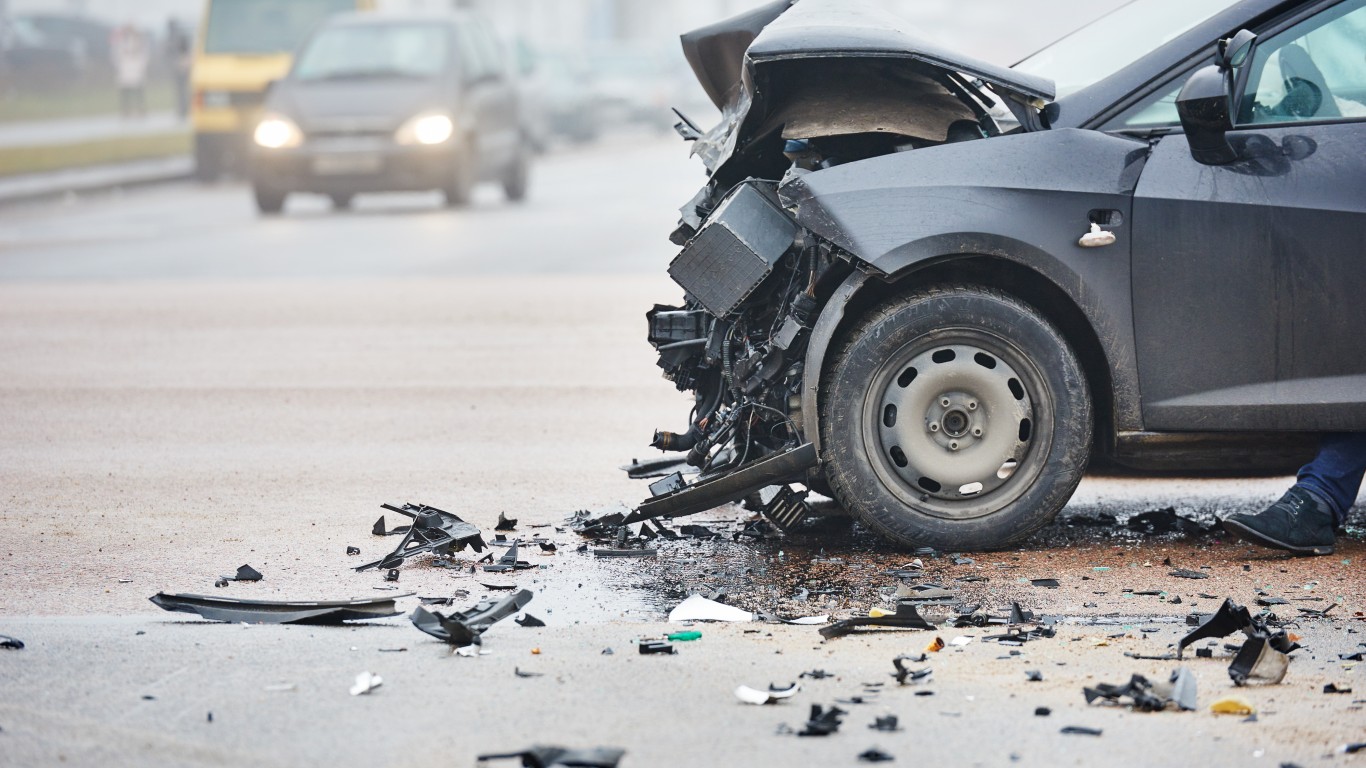
The National Highway Traffic Safety Administration has escalated a long-running defect probe into roughly 135,551 Ford Fiesta, Focus, and EcoSport vehicles with 1.0L turbocharged three-cylinder engines from model years 2014 to 2021, declaring an “unreasonable risk to motor vehicle safety.” The trigger: timing belt material that degrades and clogs the oil pump pick-up screen, starving the engine of oil pressure and, in some cases, causing sudden power loss or seizure.
The upgrade to an “engineering analysis” is the formal step required before NHTSA can move to compel a recall. Regulators cited 355 incidents in which a low oil pressure warning light appeared shortly before power loss, an average failure mileage of about 70,000 miles, and 98% of failures occurring before the recommended 150,000-mile belt replacement. One 2017 Focus driver on a Delaware highway reported the oil light came on and the car “lost all power” and began “sound[ing] like a tank” within an eighth of a mile. NHTSA’s verbatim finding: “Based on NHTSA’s analysis of the data, failure rates, information provided by Ford, preliminary engine teardown analysis, and precedent recalls regarding loss of engine oil pressure with the presence of driver facing warnings, [the agency] believes there is an unreasonable risk to motor vehicle safety.”
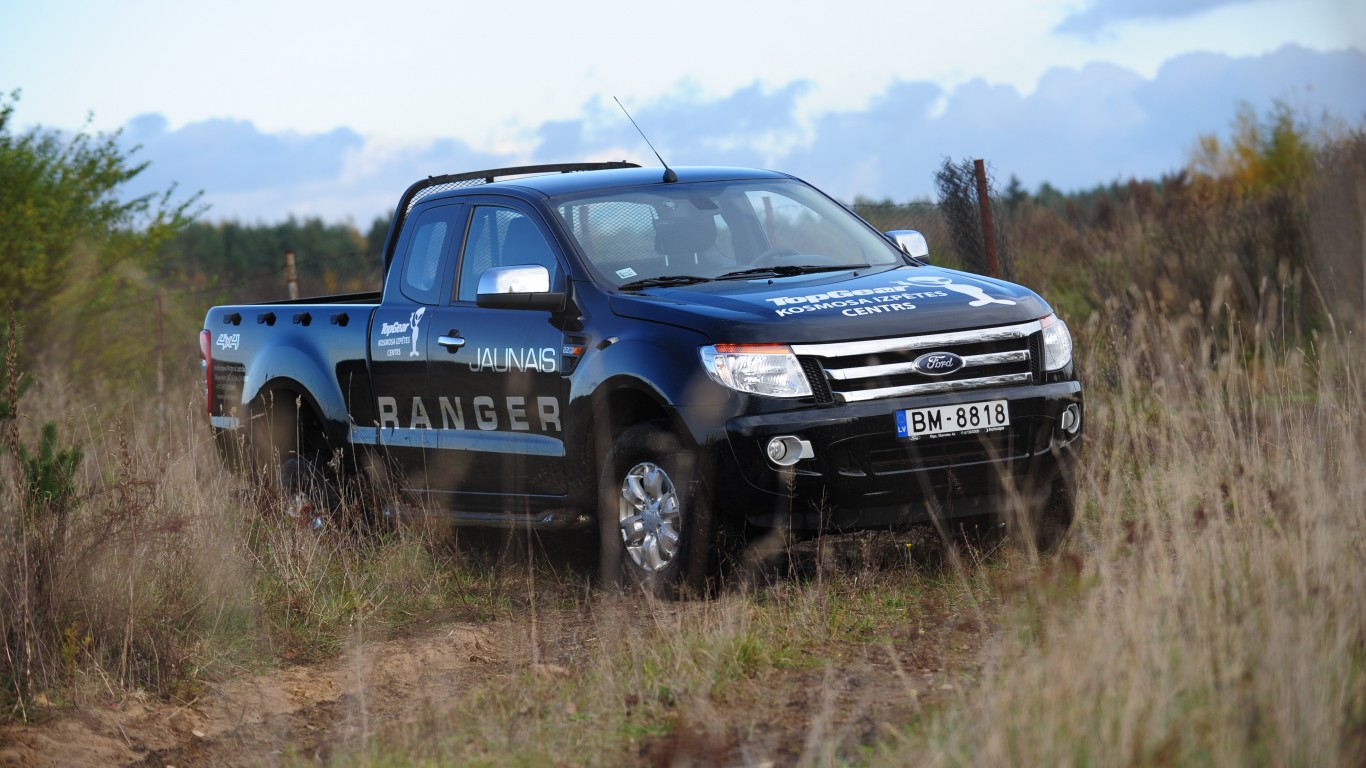
Ford (NYSE:F | F Price Prediction) has not yet issued a formal recall. In June, it told NHTSA it was rolling out a non-safety “customer satisfaction program,” shortening the recommended timing belt interval to 100,000 miles or 6 years, and offering reimbursement to some customers who already paid for related repairs. All three affected nameplates are discontinued in the U.S., so the defect does not touch Ford’s current F-Series, Bronco, Explorer, or Maverick lineup.
One Entry in a Very Long 2026 List
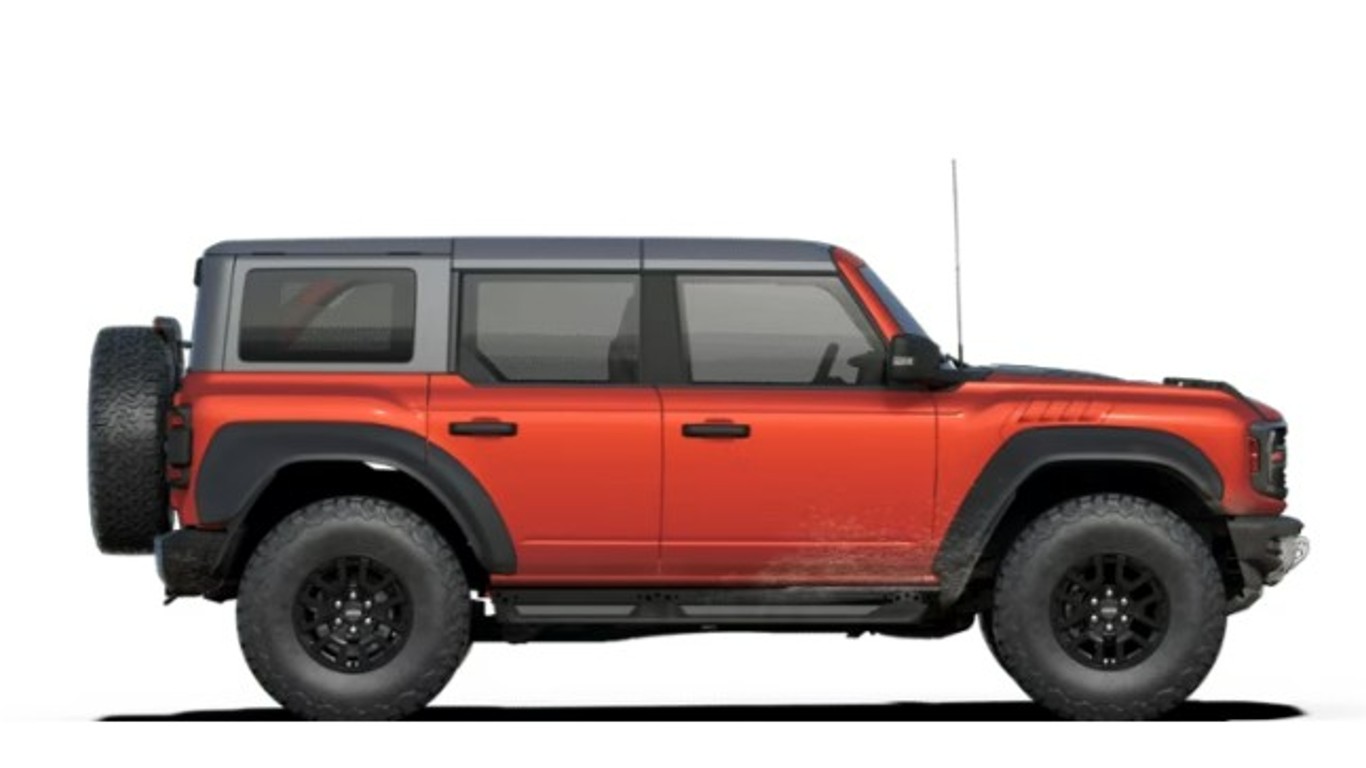
The timing belt case lands atop an unusually crowded year. NHTSA has logged 36 Ford-linked recalls in 2026 covering an estimated 9.8 million vehicles, one carrying a rare “Do Not Drive” warning. Notable campaigns include 741,195 vehicles pulled over a transmission park-system defect that could let cars roll away, 565,691 Bronco and Bronco Raptor vehicles recalled for engine-compartment wiring fire risk, 387,911 Explorer and Aviator vehicles for a seat defect, and a 2.4 million-vehicle recall tied to rearview camera and windshield wiper issues, after which Ford’s stock fell about 2% in a single session. Each is mechanically distinct, but together they define the reliability perception problem CEO Jim Farley has spent two years trying to fix.
The Earnings Beat and the Structural Drag
Ford’s Q2 2026 report on July 28 was strong: adjusted EPS of $0.42 against a $0.35 consensus, adjusted EBIT up 17% year-over-year to $2.5 billion, and full-year adjusted EBIT guidance raised to $10 billion to $11 billion. Shares jumped roughly 6.8% to 8% after hours. The NHTSA action reinforces the through-line analysts already fixate on. Warranty expenses peaked at $4.8 billion in 2023, and while Ford cut warranty and material costs by $1.5 billion in 2025 and is targeting another roughly $1 billion in 2026, Farley conceded on the Q1 call: “We’re on track to deliver another over $1 billion in material and warranty cost improvements this year, and we will never stop.” That progress is measured against a FY2025 GAAP net loss of $8.16 billion, driven largely by $10.7 billion in EV-related impairments.

As of early August, Ford trades around $14.64, and the sell side remains skeptical. Jefferies carries a $13.50 target with a Hold, Wells Fargo sits at $11 with an Underweight, and the broader analyst average target is $14.78. Recalls are the reason the earnings beat has not translated into a rerating. The signal to watch next quarter is whether Ford preempts NHTSA with a formal recall on the timing belt fleet, and what that does to the roughly $1 billion in warranty savings Farley promised investors for the balance of the year.
Contact [email protected] for any questions or corrections.






 Top Gaining Stocks
 Top Losing Stocks