Americans Aren’t Yet Sold on Self-Driving Cars
Americans remain skeptical of self-driving cars according to survey results published Tuesday by Gallup. The technology has not made impressive strides toward consumer acceptance.

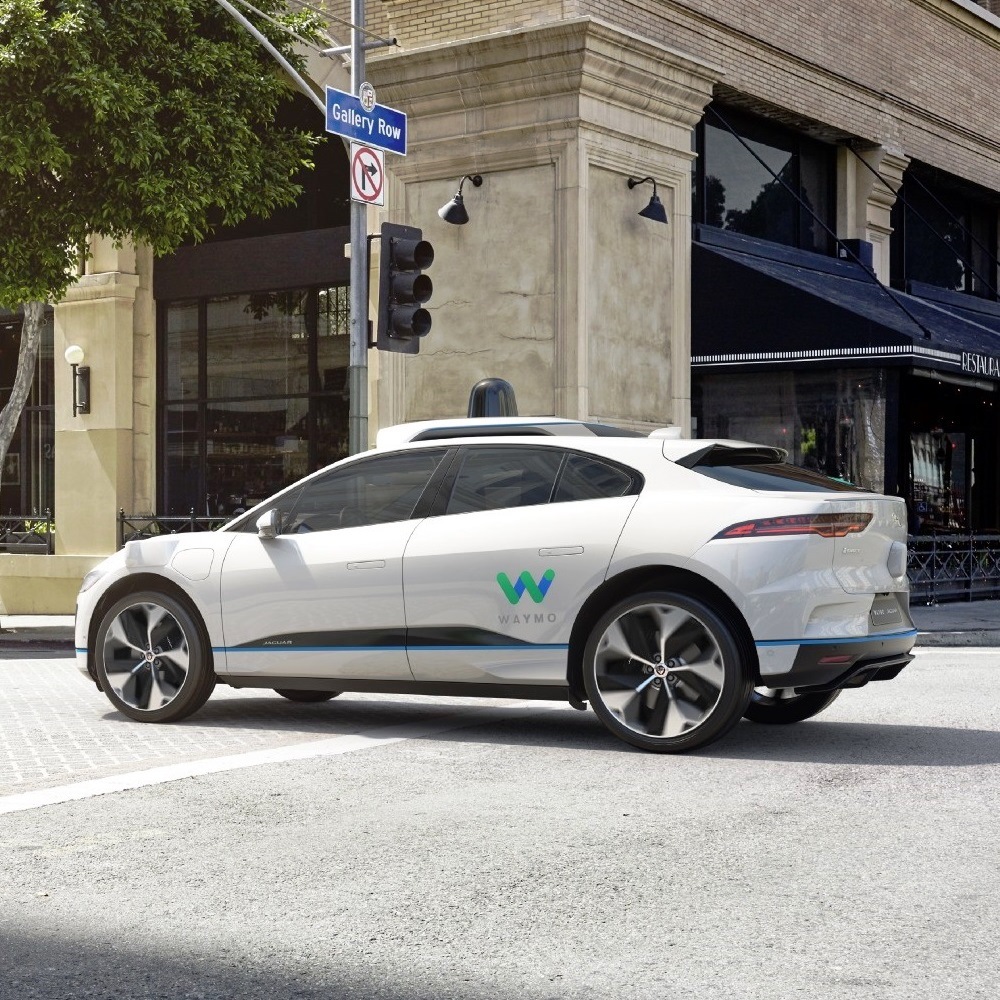
For automakers and technology companies racing to be first to market with a fully (or mostly fully) self-driving vehicle, one of the big questions is whether Americans will be willing to buy a driverless vehicle once such machines are available.
There have been many polls and surveys over the past few years that seek to get a car buyer’s pulse, not only on whether they would buy a driverless vehicle but also on what kind of technology they want and what they’re willing to pay for it.
Gallup is out Tuesday with results of a new survey, and the hurdles driverless carmakers and tech companies face seem just as high as ever. Among U.S. adults surveyed, only 19% said they would own or lease a driverless vehicle, compared to 75% who said they preferred driving their own vehicles.
In an Autotrader survey published in January 2017, 48% of Americans said they were not interested in self-driving vehicles; however, only 30% of those surveyed were even aware that such features were being developed. That indicates that only about half of that 30% — 15% in all — would be interested in owning a self-driving car.
ReportLinker cited a study last summer in which 65% of U.S. consumers say they would prefer to own their own vehicles while 35% say they’d rather use a self-driving vehicle through a car-sharing service such as Lyft or Uber. If you believe that ride-sharing businesses like Lyft and Uber will replace car ownership for many Americans, this better news for the driverless car makers.
Still, the percentage of Americans who say they are not interested in owning a self-driving car is 10 points higher in this year’s Gallup survey than in last year’s ReportLinker survey. Still, that’s 10 points better than the January 2017 Autotrader survey.
Gallup concludes:
Although positive impressions of the auto industry reached record highs recently, the American public is not yet on board with the direction auto manufacturers are headed—rolling out driverless cars on U.S. roads. Americans are reliant on their cars and enjoy driving. Automakers will have to convince the public that not only is self-driving technology safe, but that the safety, environmental and other benefits it offers outweigh the pleasure people get from driving.
Visit the Gallup website for more details.
Contact [email protected] for any questions or corrections.
Paul Ausick has been writing for 247Wallst.com for more than a decade. He has written extensively on investing in the energy, defense, and technology sectors. In a previous life, he wrote technical documentation and managed a marketing communications group in Silicon Valley.
He has a bachelor's degree in English from the University of Chicago and now lives in Montana, where he fishes for trout in the summer and stays inside during the winter.