Tesla Self-Driving Feature Is a Loser
A recent analysis reveals that car buyers do not favor a self-driving feature. That sentiment is a headwind to Tesla’s sales recovery.


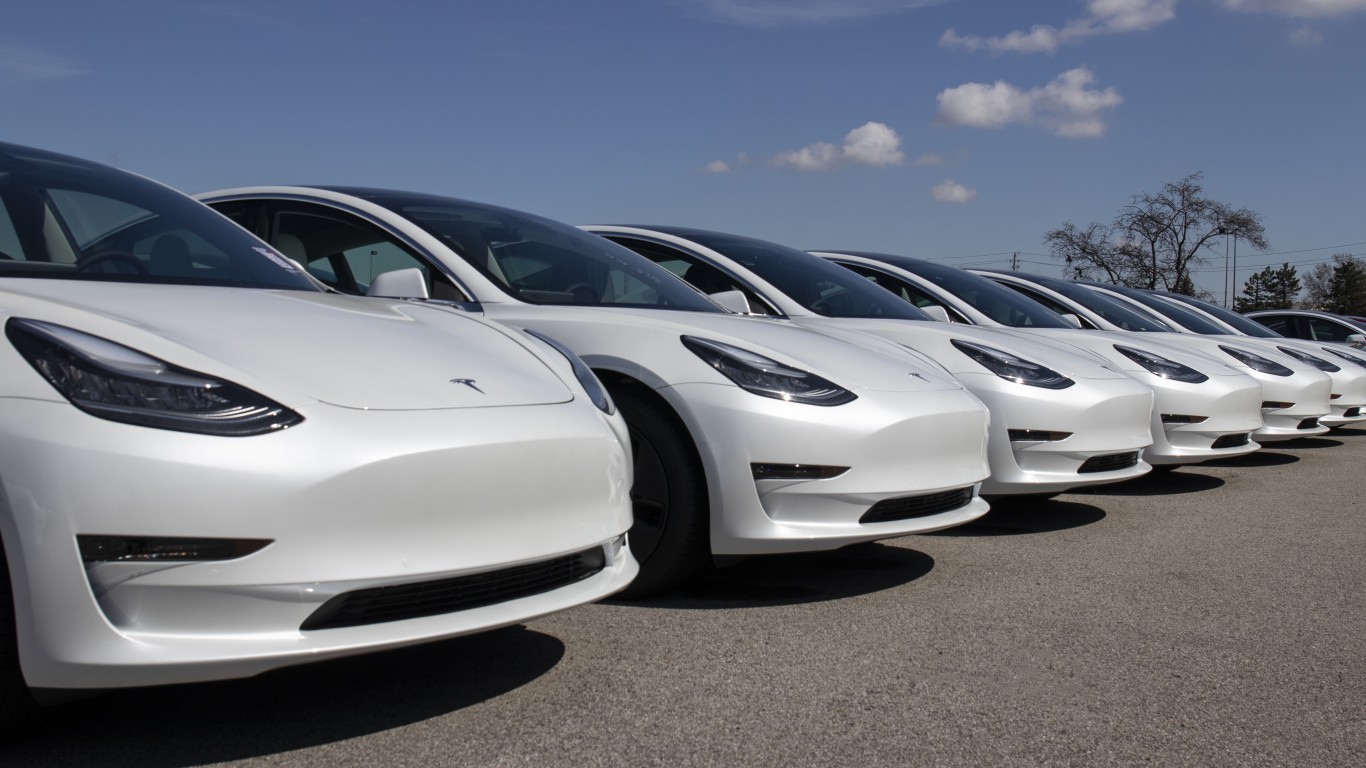
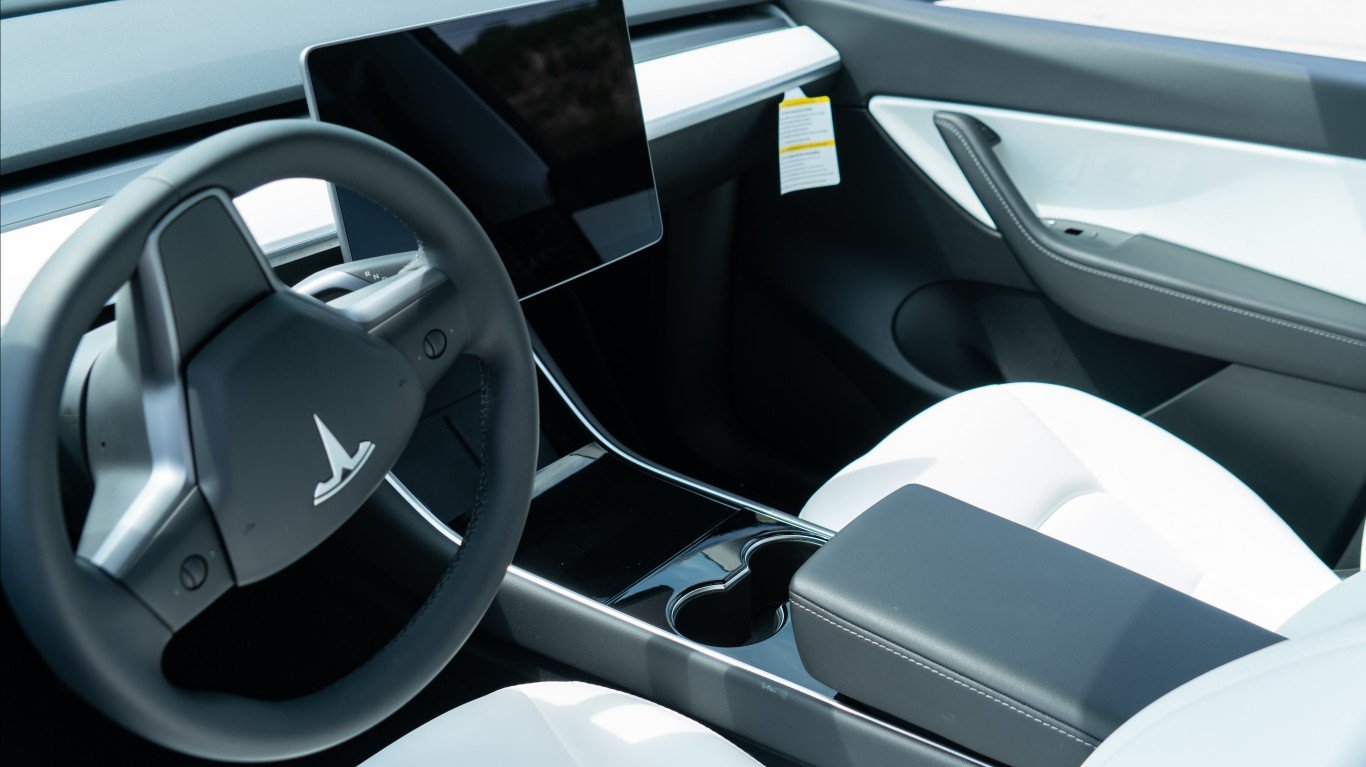
A new study shows that only a small fraction of people who might buy a Tesla Inc. (NASDAQ: TSLA | TSLA Price Prediction) vehicle want a self-driving car. However, Tesla believes that its Full Self-Driving (Supervised), or FSD, is a primary reason people buy its cars. It is not so, and the gulf between people who want it and those who don’t is huge.
The major conclusion of the Electric Vehicle Intelligence Report’s “Self-Driving Cars and Electric Vehicles: U.S. Market Insights & Analysis” research paper was this: “Nearly half of consumers believe FSD technology should be illegal, and consumers say FSD features make them less likely to buy a Tesla by a two-to-one margin.” It is a shock that “illegal” is part of their reasoning. There have been a few cases when Tesla drivers have been in crashes while their cars were in FSD, but that number is quite small. Yet, the accidents have drawn several lawsuits.
About a third of the 8,000 people who were questioned said the self-driving feature would make them less likely to buy a Tesla. Only 14% said it would make them more likely. (In each case, these figures included “unlikely” and “somewhat less likely” added together.)
Perception of the Tesla brand was −15 in August. That is the net difference between those who have a negative view and those who have a positive one. In April, the figure was −7.
The news is a large blow to Tesla, which has seen a drop in sales in the European Union and sales and market share problems in China and the United States. BYD sold many more vehicles in Europe in July. Tesla’s sales in the region during the month fell 40%.
Self-driving, which is largely based on artificial intelligence, is supposed to be among the most important marketing for Tesla cars. The negative view is another headwind to Tesla’s sales recovery.
Tesla Bull, Base, and Bear Stock Price Prediction and Forecast
Contact [email protected] for any questions or corrections.
Douglas A. McIntyre is the co-founder, chief executive officer and editor in chief of 24/7 Wall St. and 24/7 Tempo. He has held these jobs since 2006.
McIntyre has written thousands of articles for 24/7 Wall St. He is an expert on corporate finance, the automotive industry, media companies and international finance. He has edited articles on national demographics, sports, personal income and travel.
His work has been quoted or mentioned in The New York Times, The Wall Street Journal, Los Angeles Times, The Washington Post, NBC News, Time, The New Yorker, HuffPost USA Today, Business Insider, Yahoo, AOL, MarketWatch, The Atlantic, Bloomberg, New York Post, Chicago Tribune, Forbes, The Guardian and many other major publications. McIntyre has been a guest on CNBC, the BBC and television and radio stations across the country.
A magna cum laude graduate of Harvard College, McIntyre also was president of The Harvard Advocate. Founded in 1866, the Advocate is the oldest college publication in the United States.
TheStreet.com, Comps.com and Edgar Online are some of the public companies for which McIntyre served on the board of directors. He was a Vicinity Corporation board member when the company was sold to Microsoft in 2002. He served on the audit committees of some of these companies.
McIntyre has been the CEO of FutureSource, a provider of trading terminals and news to commodities and futures traders. He was president of Switchboard, the online phone directory company. He served as chairman and CEO of On2 Technologies, the video compression company that provided video compression software for Adobe’s Flash. Google bought On2 in 2009.