Occupy Wall Street Protests: The Million Message March
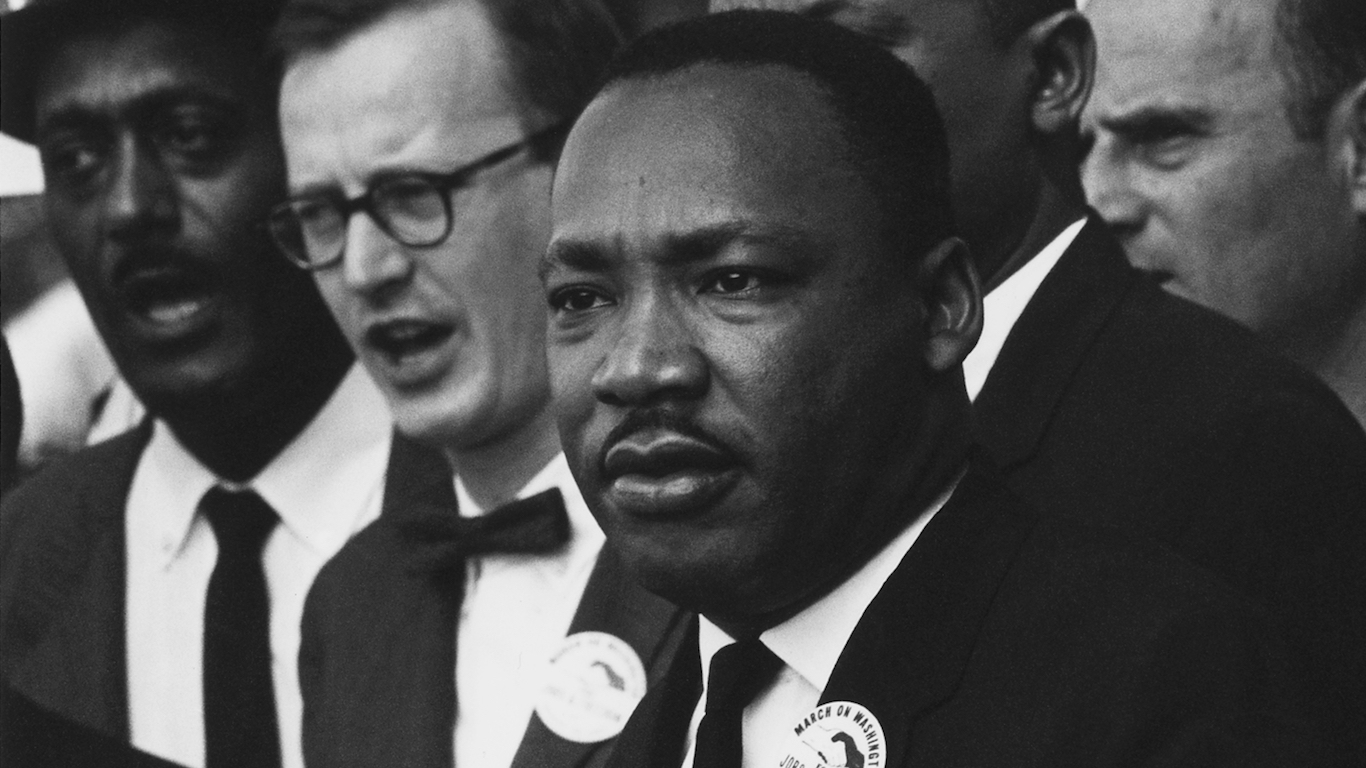
The Martin Luther King, Jr., memorial was dedicated in Washington about the time that the Occupy Wall Street movement grew in southern Manhattan and elsewhere. It was a reminder of how effective public protests used to be and how they…


A casual walk among the people rallied in the streets outside the doors of Wall St.’s major banks reveal nearly as many causes as there are protest participants. One woman with her two children believes that her student loans should be forgiven because she does not have a job. She is a one-person protest without other supporters. Some of the protesters believe that “Too Big Too Fail” is not a reasonable stance for the government to take with regard to major financial firms. Another person has a sign that shows how much CEO pay is up compared to other American workers. One of the largest placards reads “Man Is Born Free, but Everywhere I See Him in Chains.” What man? What chains? And, where is “everywhere”?
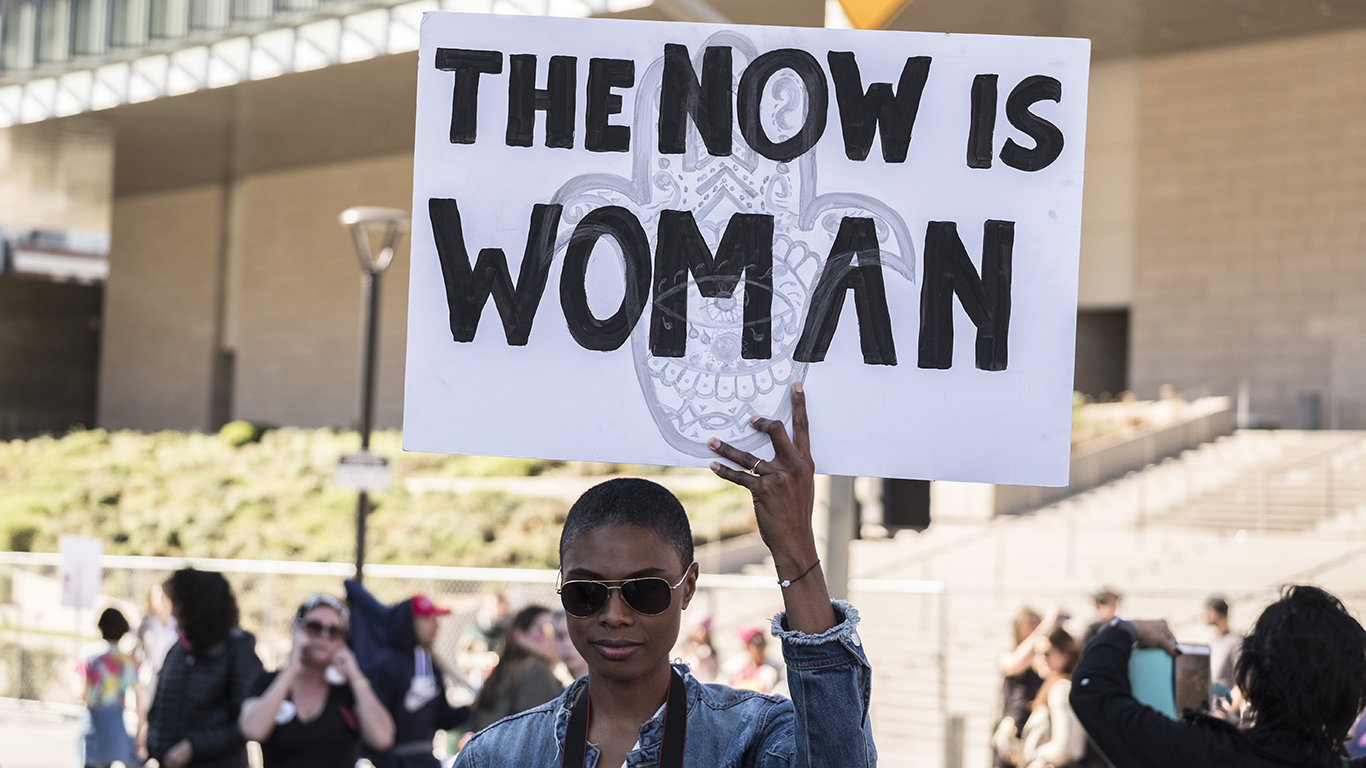
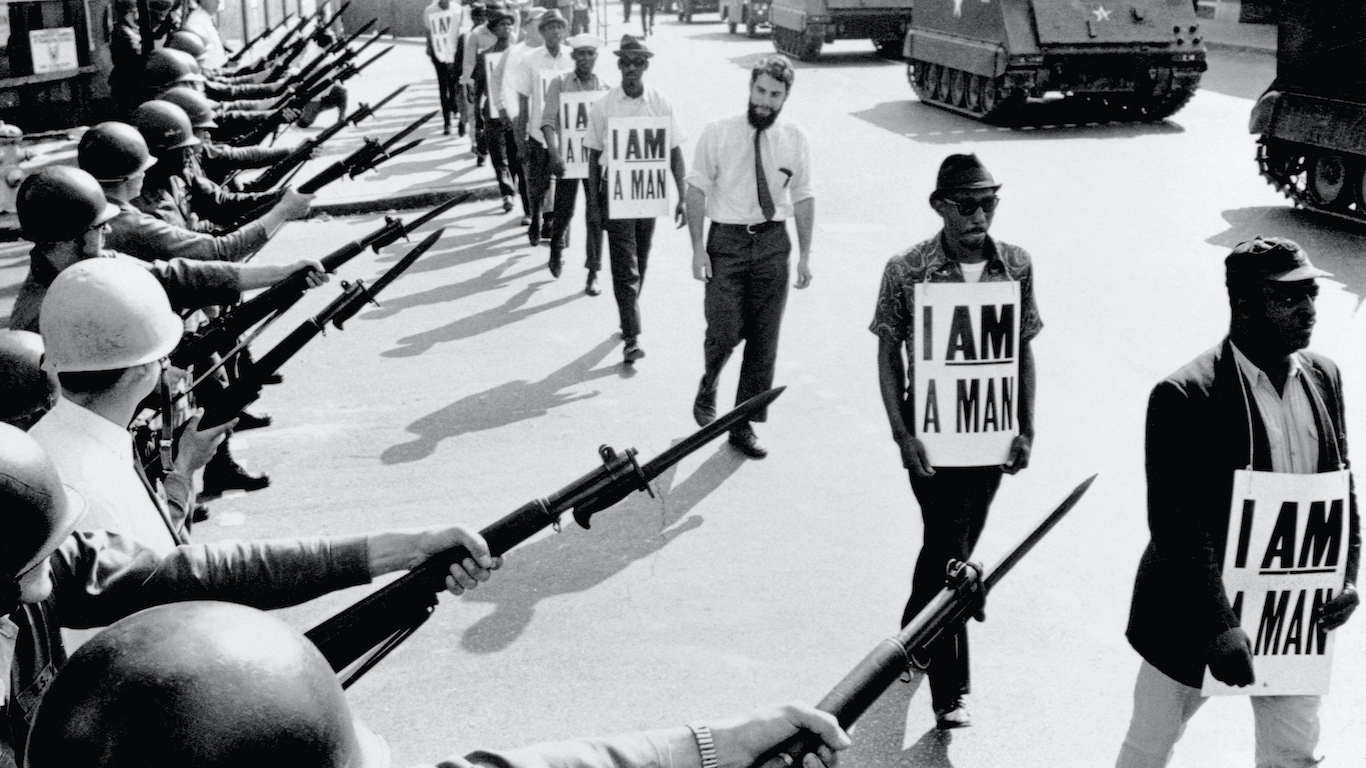
The civil rights protests had real purpose. Blacks faced discrimination throughout large portions of American society, but that changed somewhat between when the protests started in 1955 and ended in 1968. The agitation of women to improve their rights and the burgeoning feminist movement helped women get better wages and increased their opportunities for advancement in the work place. The gay rights movement helped bring about the end of much discrimination against gays in society, in the workplace and, to a lesser extent, the military.
Americans have forgotten how to protest effectively. A mass of people who rally in a small area of New York with no unified message will lose the media’s attention soon. The rain and cold will thin the ranks of the protestors. By some time in November, Wall St. will be clear of the people who sleep in the street. And the woman who wants to have her loans forgiven will still owe them.
Douglas A. McIntyre
Contact [email protected] for any questions or corrections.
Douglas A. McIntyre is the co-founder, chief executive officer and editor in chief of 24/7 Wall St. and 24/7 Tempo. He has held these jobs since 2006.
McIntyre has written thousands of articles for 24/7 Wall St. He is an expert on corporate finance, the automotive industry, media companies and international finance. He has edited articles on national demographics, sports, personal income and travel.
His work has been quoted or mentioned in The New York Times, The Wall Street Journal, Los Angeles Times, The Washington Post, NBC News, Time, The New Yorker, HuffPost USA Today, Business Insider, Yahoo, AOL, MarketWatch, The Atlantic, Bloomberg, New York Post, Chicago Tribune, Forbes, The Guardian and many other major publications. McIntyre has been a guest on CNBC, the BBC and television and radio stations across the country.
A magna cum laude graduate of Harvard College, McIntyre also was president of The Harvard Advocate. Founded in 1866, the Advocate is the oldest college publication in the United States.
TheStreet.com, Comps.com and Edgar Online are some of the public companies for which McIntyre served on the board of directors. He was a Vicinity Corporation board member when the company was sold to Microsoft in 2002. He served on the audit committees of some of these companies.
McIntyre has been the CEO of FutureSource, a provider of trading terminals and news to commodities and futures traders. He was president of Switchboard, the online phone directory company. He served as chairman and CEO of On2 Technologies, the video compression company that provided video compression software for Adobe’s Flash. Google bought On2 in 2009.