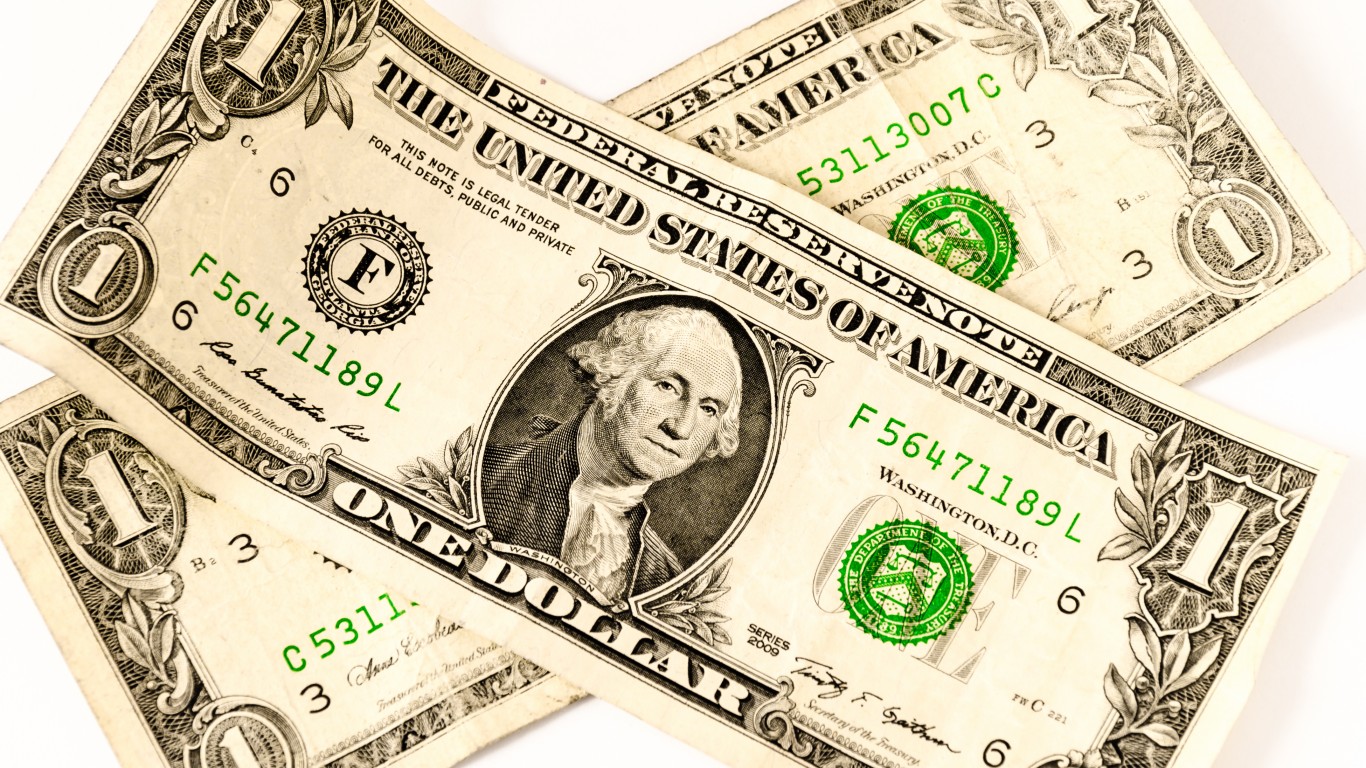
Gas Moves Back Toward $3
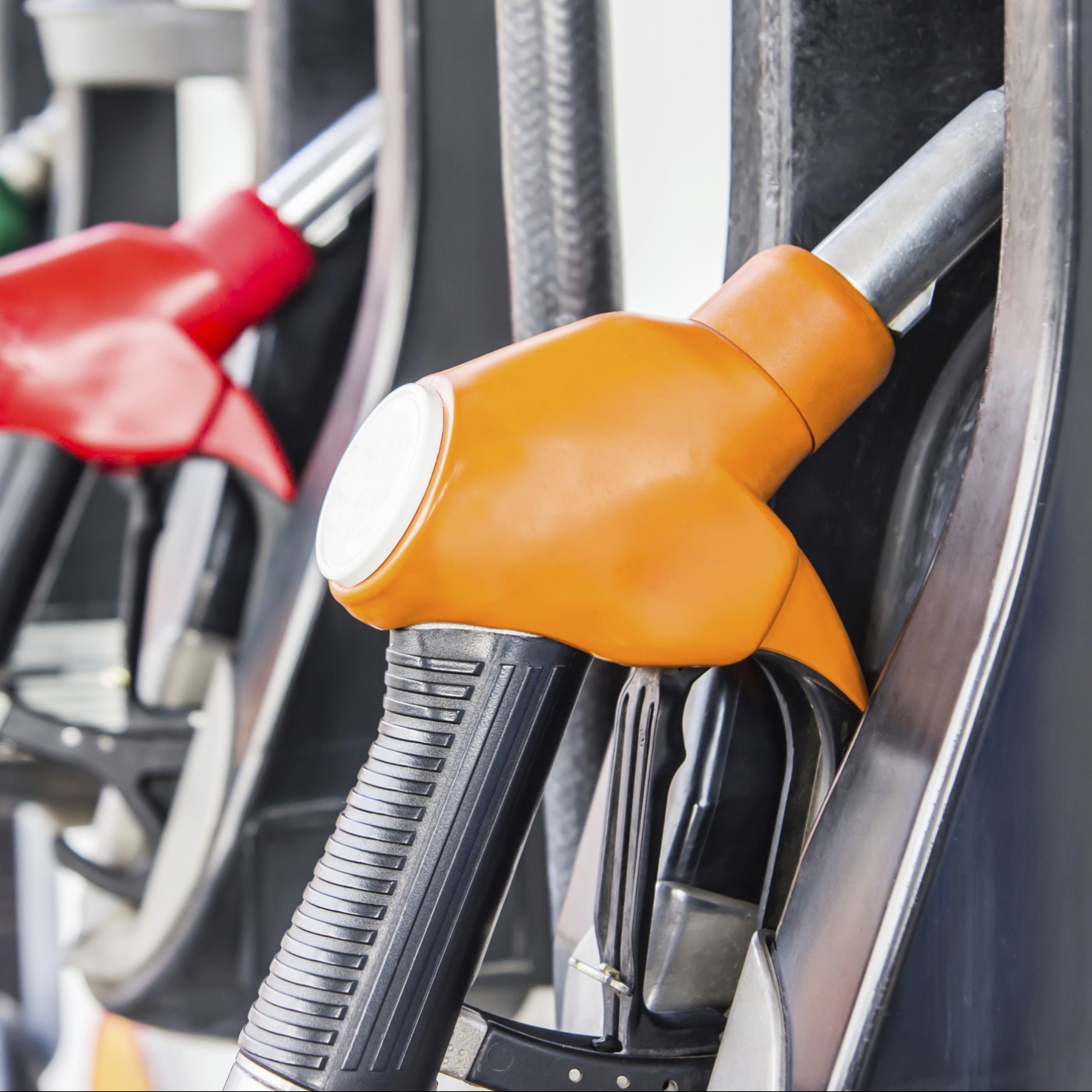
Gasoline prices have started to march back to $3 a gallon, after breaking the $2 barrier on the way down just weeks ago.

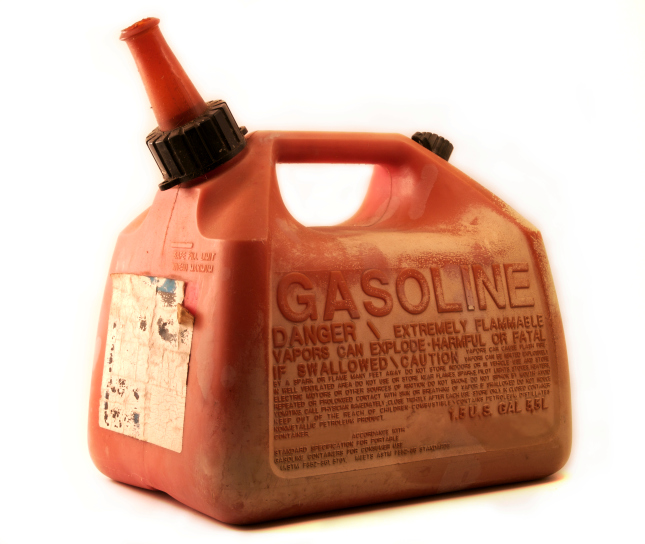 Gasoline prices, based on the average for a gallon of regular, were $3.67 nationwide a year ago. In some parts of the country, including California, the price was closer to $4. Gas prices have started to march back to $3, after breaking the $2 barrier on the way down just weeks ago.
Since gas prices are primarily affected by oil prices, the reason for the rise is simple. The price per barrel was about $45 in mid-March. Now it is back to $56, up 25%, and rising.
Too many oil production facilities in the United States had their backs broken financially to get back online soon. In particular, this includes fracking operations in the Bakken formation, much of which is in western North Dakota. The boom pushed the jobless rate in the state down toward 2%. The most recent government unemployment data by state shows the rate has already started to rise.
Fracking operations are not the only ones to lower activity. The rig count, which measures the number of operations in facilities directly producing oil, recently has dropped rapidly. The lower production rates in the United States beg the question whether Saudi Arabia will start to have a large influence on oil prices again, which it lost to a great extent when U.S. production rates took national production to historic highs.
ALSO READ: 5 Oil and Gas Stocks Analysts Want You to Buy
A recent report from the International Energy Agency (IEA) forecast higher global demand for the second half of this year. The forecast was a surprise because agencies, such as the World Bank, have lowered their global gross domestic product (GDP) growth forecasts. But the IEA has a better sense of the pulse of crude demand. It will rise as global production does not.
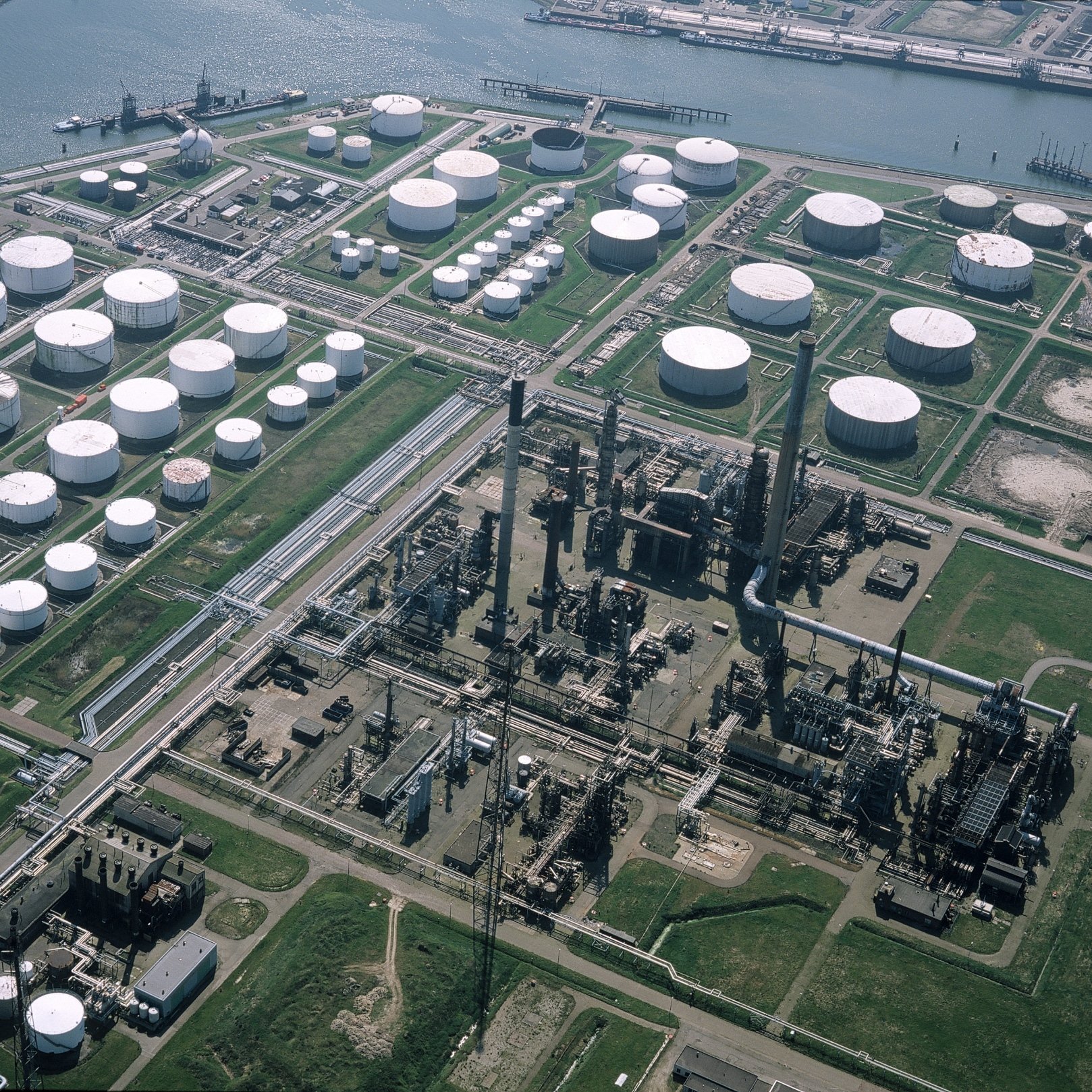
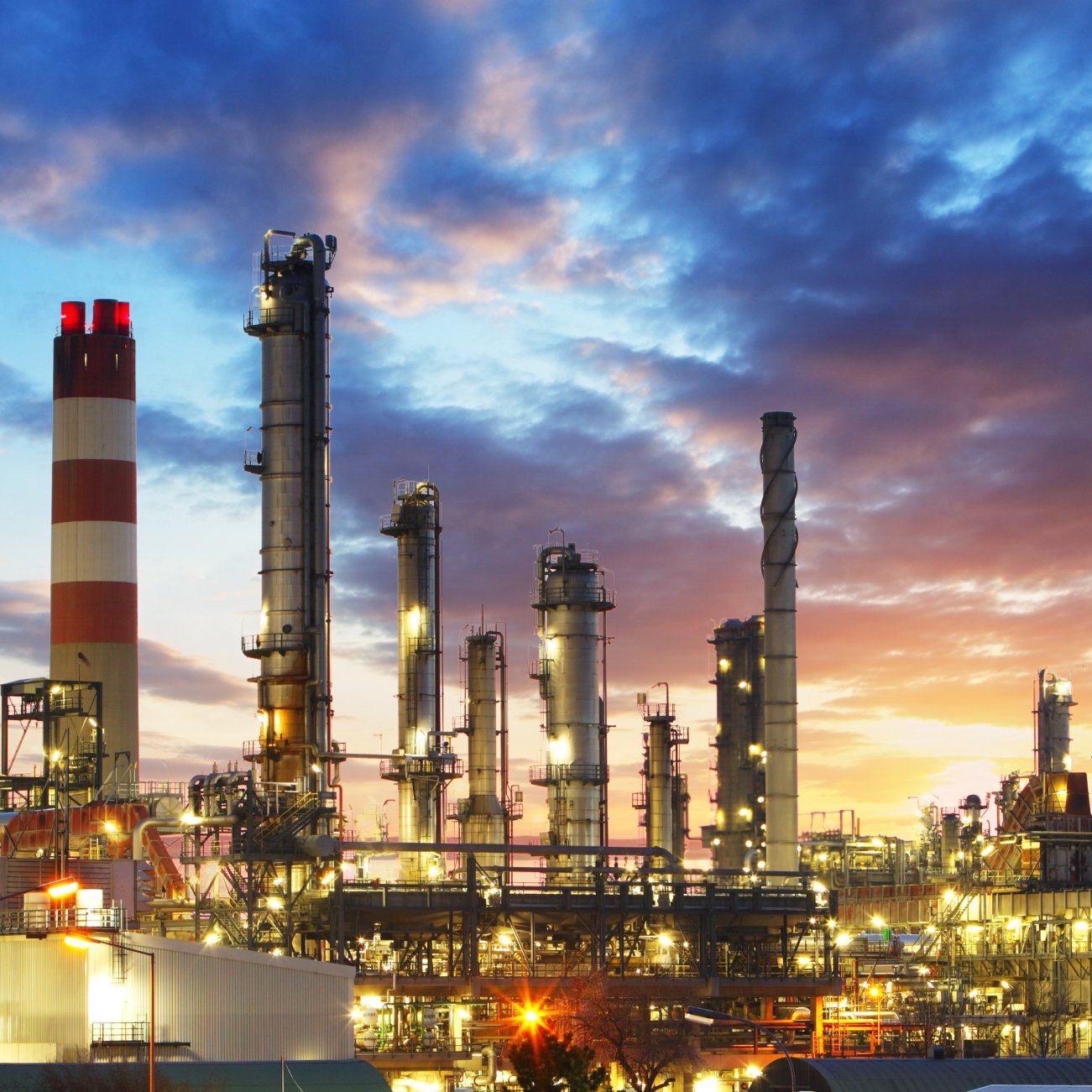
Normally, local gas taxes and refinery production have large influences on oil prices. Forecasts for refinery capacity include the normal shuttering of some facilities for upgrades and infrastructure improvements, which, in sum, could take production capacity offline enough to lower gas availability.
Gas prices were over $3 for years, and only recently have they plunged. However, the trend has started to reverse itself, and there are more reasons to think gasoline prices are moving up and not down.
Contact [email protected] for any questions or corrections.
Douglas A. McIntyre is the co-founder, chief executive officer and editor in chief of 24/7 Wall St. and 24/7 Tempo. He has held these jobs since 2006.
McIntyre has written thousands of articles for 24/7 Wall St. He is an expert on corporate finance, the automotive industry, media companies and international finance. He has edited articles on national demographics, sports, personal income and travel.
His work has been quoted or mentioned in The New York Times, The Wall Street Journal, Los Angeles Times, The Washington Post, NBC News, Time, The New Yorker, HuffPost USA Today, Business Insider, Yahoo, AOL, MarketWatch, The Atlantic, Bloomberg, New York Post, Chicago Tribune, Forbes, The Guardian and many other major publications. McIntyre has been a guest on CNBC, the BBC and television and radio stations across the country.
A magna cum laude graduate of Harvard College, McIntyre also was president of The Harvard Advocate. Founded in 1866, the Advocate is the oldest college publication in the United States.
TheStreet.com, Comps.com and Edgar Online are some of the public companies for which McIntyre served on the board of directors. He was a Vicinity Corporation board member when the company was sold to Microsoft in 2002. He served on the audit committees of some of these companies.
McIntyre has been the CEO of FutureSource, a provider of trading terminals and news to commodities and futures traders. He was president of Switchboard, the online phone directory company. He served as chairman and CEO of On2 Technologies, the video compression company that provided video compression software for Adobe’s Flash. Google bought On2 in 2009.