What Happens If You Miss a Mortgage Payment
Skipping a mortgage payment sets off a chain of events that most homeowners never see coming, and the timeline moves faster than you might expect. Knowing what lenders actually do and when can mean the difference between a minor setback…


Missing a mortgage payment can be anxiety-inducing and super overwhelming, but it doesn’t mean you’ll lose your home overnight. Most lenders follow a series of steps that give homeowners opportunities to catch up before serious consequences occur. Exactly what happens depends on how late the payment is and whether you’ve fallen behind before. Here are eight things that can happen if you miss a mortgage payment.
1. You May Get a Short Grace Period
Many mortgage lenders have a grace period after the official due date, generally around 15 days. During this time, you can usually make your payment without even being charged a late fee. However, interest still continues to accrue according to your loan terms, and it’s still best for your record to pay as soon as possible. Check your mortgage agreement to see if your loan includes a grace period and how long it is.
2. You’ll Probably Be Charged a Late Fee
Once the grace period ends, most lenders charge a late fee. The amount varies but is often a percentage of your monthly payment or a flat fee listed in your mortgage agreement. While one late fee is not devastating, repeated missed mortgage payments can look bad and be expensive. Paying the overdue amount fast can help prevent penalties from piling up.
3. Your Credit Score Could Be Affected
A payment that’s more than 30 days late may be reported to the major credit bureaus. Even a single late payment can lower your credit score, especially if you’ve had a strong payment history in the past. A lower score can make it more difficult or expensive to qualify for loans, credit cards, or even insurance policies. Staying current on your mortgage is one of the most important factors in keeping good credit.
4. Your Lender Will Likely Contact You
If your payment goes unpaid, expect your lender or loan servicer to reach out by phone, email, or mail. While these notices can be stressful, they’re an opportunity to fix the problem before it becomes serious. If you’re experiencing financial struggles, lenders are willing to discuss payment plans or other assistance. Facing the situation is almost always better than ignoring calls or letters.
5. You May Have Options to Catch Up
If you’ve missed a payment because of a temporary financial setback, your lender might offer ways to help you get back on track. Depending on your situation, this could include a repayment plan, temporary payment reduction, loan modification, or mortgage forbearance. Not every borrower will qualify, but it doesn’t hurt to ask about any or all of these forms of help. Asking about your options gives you the best chance of finding a solution. Avoiding the problem and waiting too long can limit the assistance that’s available.
6. Additional Fees Can Begin to Add Up
The longer a mortgage goes unpaid, the more expensive it can become. In addition to late fees, you may owe interest on the overdue balance. In some cases, servicing or legal costs can be factors if delinquency is ongoing. Unfortunately, added expenses make it harder to catch up. Addressing the missed payment as early as possible can help keep the total amount owed from growing.
7. Foreclosure Doesn’t Happen Immediately
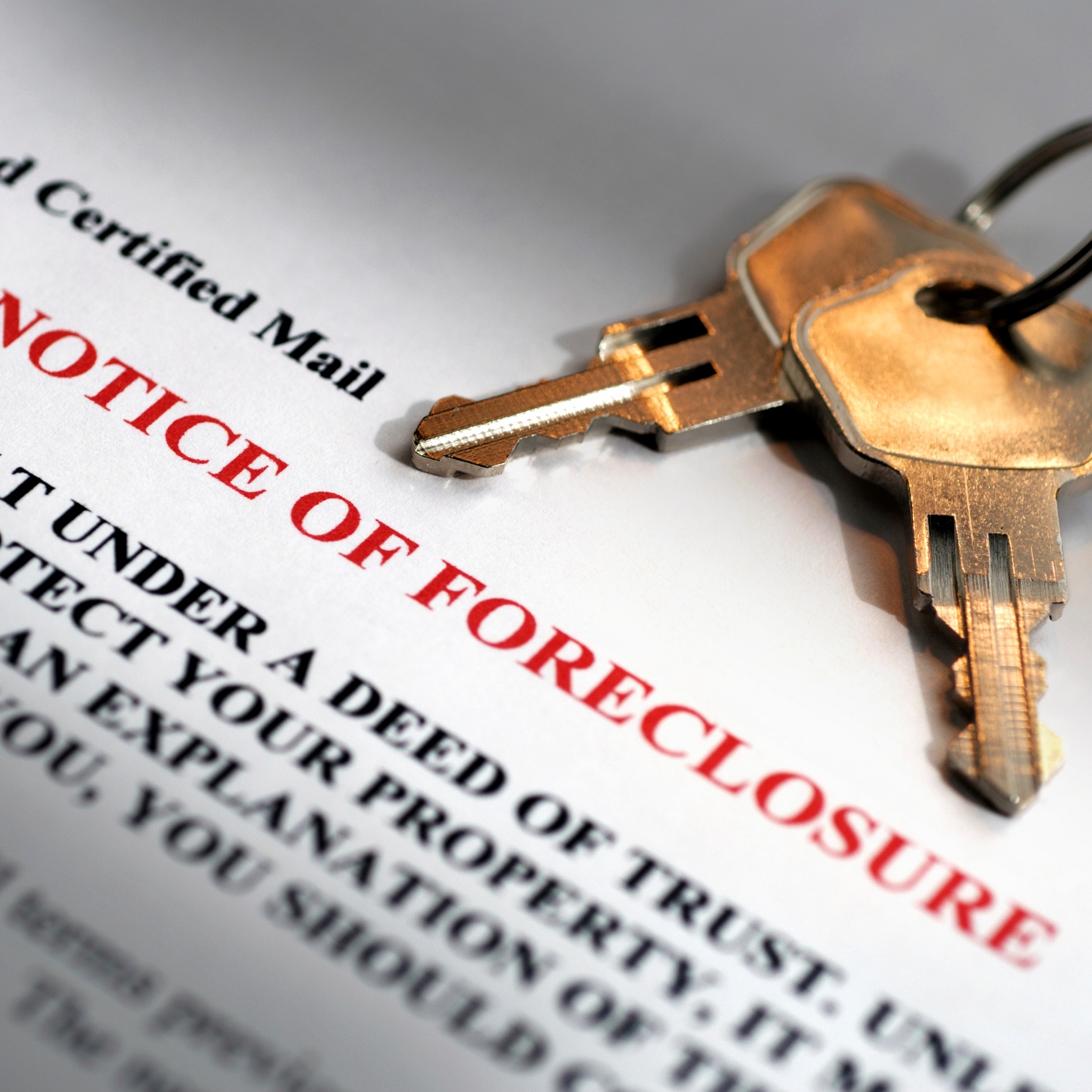
Many people worry that missing one payment means they might lose their home, but foreclosure is generally a much longer process. Before foreclosure begins, lenders typically send multiple notices to the residence. They try to give borrowers plenty of opportunities to become current or work out another solution. The exact way it plays out depends on things like your state and your lender’s policies. While foreclosure is a serious possibility after ongoing nonpayment, it usually happens after several missed payments and notices.
8. Calling Your Lender Early Can Make a Big Difference
One of the most helpful things you can do after missing a payment is contact your lender as soon as possible. Many lenders can and will help borrowers stay in their homes. They would rather be helpful than go through the lengthy and expensive foreclosure process. While it can be a difficult topic to discuss, being honest about your financial situation may open the door to repayment options that won’t be available if you simply go silent. Acting quickly can lead to the best outcomes.
Contact [email protected] for any questions or corrections.