China Subsidies for Clean-Tech Under Fire (FSLR, JASO, STP, TSL, YGE, LDK)
The government of China has made no secret of its intention to become the world’s leading supplier of solar PV panels and a major player in other sectors related to green technology. The government’s policy has two main prongs: first,…


In September, the United Steelworkers union filed a petition with the US Trade Representative’s office alleging that China is violating World Trade Organization policies in an effort to protect and support the country’s green technology industries. The USTR has agreed to initiate an investigation into the USW’s complaints, but delayed the beginning of the inquiry for 90 days.
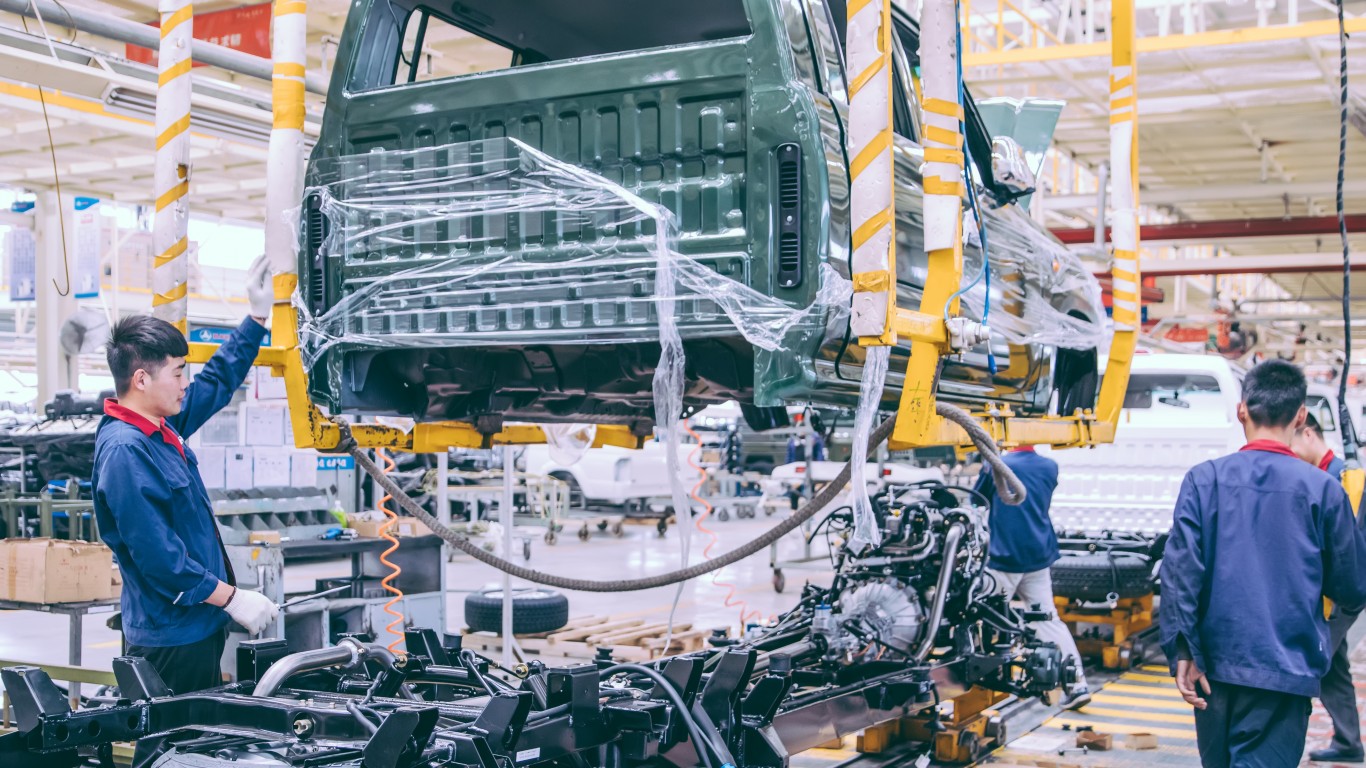
The USW complains, among other things, that China restricts access to critical materials that are necessary for the production of green energy products and that joint venture agreements between Chinese and US companies require US companies to share proprietary technologies with China. The union also complains about export subsidies and “trade distorting domestic subsidies.”
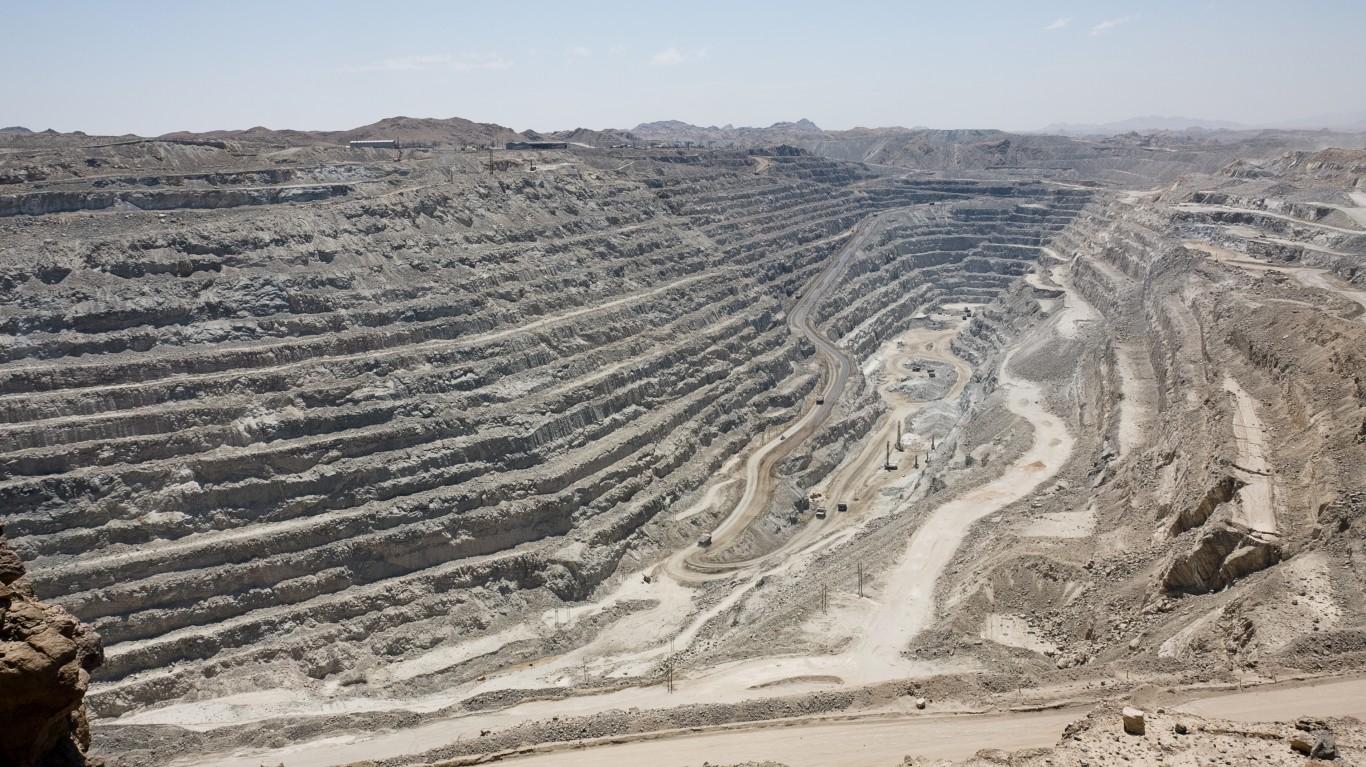
Regarding the restriction on access to critical materials, the USW specifically cites the restrictions China has imposed on exports of rare earth elements. This particular issue has been much in the news recently because China has reduced exports of the minerals in each of the last two years and plans to reduce exports again in 2011. The Chinese government says it is merely trying to rationalize its mining practices to ensure a long-term supply of the rare earths. But the country has also made it pretty clear that it wants the minerals, some of which are critical to products like wind turbines and electric vehicles, to be available to its own green industry sector. Because China produces about 97% of the world’s supply of rare earths, the country believes it can pretty much do as it likes.
The USW claims that restrictions on exports “through a combination of export quotas, export taxes, and export licenses … violate WTO rules.” That is one thing the USTR inquiry will try to determine.
The Chinese government’s requirement that foreign companies be restricted to minority stakes in any joint venture in the green energy industry effectively amounts to a technology transfer from the junior partner to the majority partner. The USW claims that this requirement, “if imposed as a condition of investment approval, violate China’s WTO commitments.”
China’s accession to the WTO in 2001 came with a number of waivers because China was, at the time, viewed as a developing country. Now that it is the world’s second largest economy at least some of those waivers need to disappear. The most important is the WTO government procurement agreement that requires government contracts to be open to bids from all WTO countries.
China’s requirement that 80% of the content of some green energy products be produced in China in order to qualify to bid on a project seems to fly in the face of the WTO procurement rules.
Rather than fighting with China over specific tariffs, the US ought to press for nothing less than China’s signature on the procurement agreement. Until China signs, no Chinese-controlled companies would be allowed to bid on US government-funded projects. This is an issue on which the US could prevail. Fighting over subsidies and tariffs lets the Chinese government drag this out for years if not decades.
Paul Ausick
Contact [email protected] for any questions or corrections.
Jon Ogg has been a financial news analyst since 1997. Mr. Ogg set up one of the first audio squawk box services for traders called TTN, which he sold in 2003. He has previously worked as a licensed broker to some of the top U.S. and E.U. financial institutions, managed capital, and has raised private capital at the seed and venture stage. He has lived in Copenhagen, Denmark, as well as New York and Chicago, and he now lives in Houston, Texas. Jon received a Bachelor of Business Administration in finance at University of Houston in 1992. www.247wallst.com.