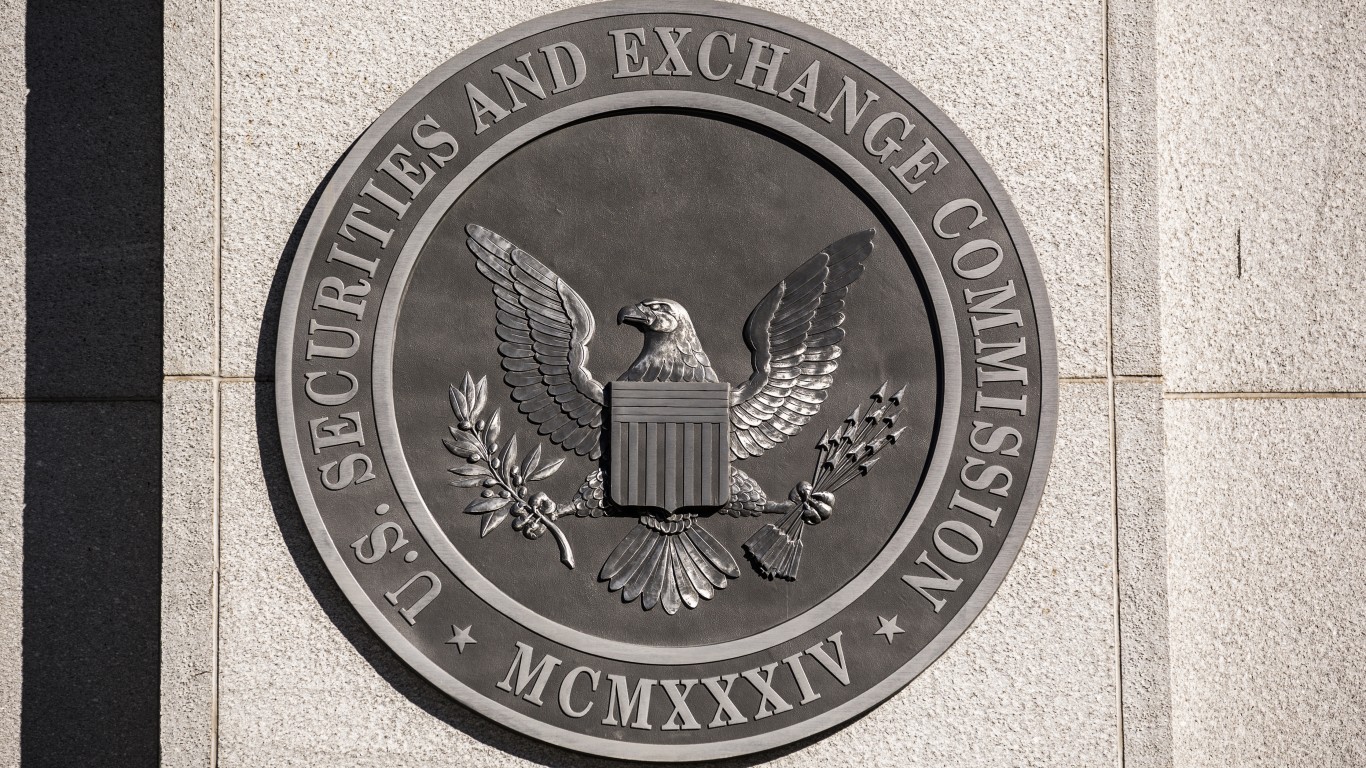
SEC Seeks Comments on Mom-and-Pop Access to Hedge Funds
The SEC has issued a concept document that explores opening hedge funds and private equity funds to small retail investors.


The U.S. Securities and Exchange Commission (SEC) on Tuesday issued a request for comment on a concept release document that the agency says is intended to “simplify, harmonize, and improve the exempt offering framework,” governing who may and who may not put money into certain kinds of investments. Exempt offerings under SEC rules are not subject to the same registration and reporting requirements as common stock offerings.
If the agency ultimately broadens its definition of exempt offerings, small investors may have the opportunity to invest in hedge funds and private equity funds, opportunities that are currently available only to institutional and wealthy individual investors. Under existing SEC rules, hedge funds may not generally accept investments from individuals who earn less than $200,000 annually or whose net worth is less than $1 million.
In an interview with Bloomberg TV in April, SEC Chairman Jay Clayton distilled the argument for allowing hedge funds to seek capital from small investors: “Our retail investors, people who aren’t qualified investors, aren’t having access to those investment opportunities and over some periods of time those investment opportunities perform better. We want to make sure retail isn’t left behind.”
Clayton seems to want to allow mom-and-pop investors to get in on a hot initial public offering like the recent Beyond Meat IPO that has jumped by around 600% since becoming available in early May. Those investments are generally only available to institutions and other wealthy investors. Conversely, should the proposed change go into effect, then small investors can be subject to big losses, too. For example, from July to December of last year, IPO investors in EverQuote lost 75% of their investment.
Typical hedge fund investors also benefit from a lot of expensive advice that is not generally available to small retail investors. How many mom-and-pop investors are aware of a hedge fund’s fee structure or the fees that go along with an investment in a private equity fund? How many know that once they put their money in, they won’t be able to get it back for at least two to three years? Small investors are also more likely to be pummeled with offers from funds that have a long line of promises with no intention of making good on any of them.
The SEC’s concept release is a 211-page document that is just the first step in what could be a years-long path to changes in the rules governing exempt offerings and who may invest in them. It’s fairly certain that hedge funds and private equity firms will be solidly behind ideas that expand their reach into a pool of capital that currently excludes them. Who, then, will stand up for small investors is the big question.
For small investors who think they are missing out on the big returns coming out of hedge funds and private equity firms, they can currently invest in five exchange-traded funds (ETFs) owned by the country’s largest hedge fund, or they can invest in ETFs that follow the same investing strategies as large hedge funds.
Contact [email protected] for any questions or corrections.
Paul Ausick has been writing for 247Wallst.com for more than a decade. He has written extensively on investing in the energy, defense, and technology sectors. In a previous life, he wrote technical documentation and managed a marketing communications group in Silicon Valley.
He has a bachelor's degree in English from the University of Chicago and now lives in Montana, where he fishes for trout in the summer and stays inside during the winter.