Honda Unveils Second Gen AI Driving Technology, Will Build Fuel Cell Hybrid CRV in US Starting in 2030
Honda Motor said it is expanding the capabilities of two autonomous driving programs and would roll out the features by 2030.

Honda Motor (US:HMC) (TYO:7627) said Wednesday it is expanding the capabilities of two autonomous driving programs and would roll out the features by 2030.
The Honda Sensing 360 system will be standard on all new Honda and Acura models in the US by 2030. The Acura version of the Honda Sensing 360 will be called AcuraWatch. Honda said it would also expand its Honda Sensing Elite technology simultaneously.
“These latest safety advances reflect a global vision announced by Honda global CEO Toshihiro Mibe in April 2021, to strive for both zero traffic collision fatalities involving Honda motorcycles and automobiles globally by 2050 and carbon-neutrality for its products and corporate activities by 2050,” the company said in a news release.
Honda already sells cars with first generation assisted driving technology in China that mitigates blind spots and prevents driver fatigue.
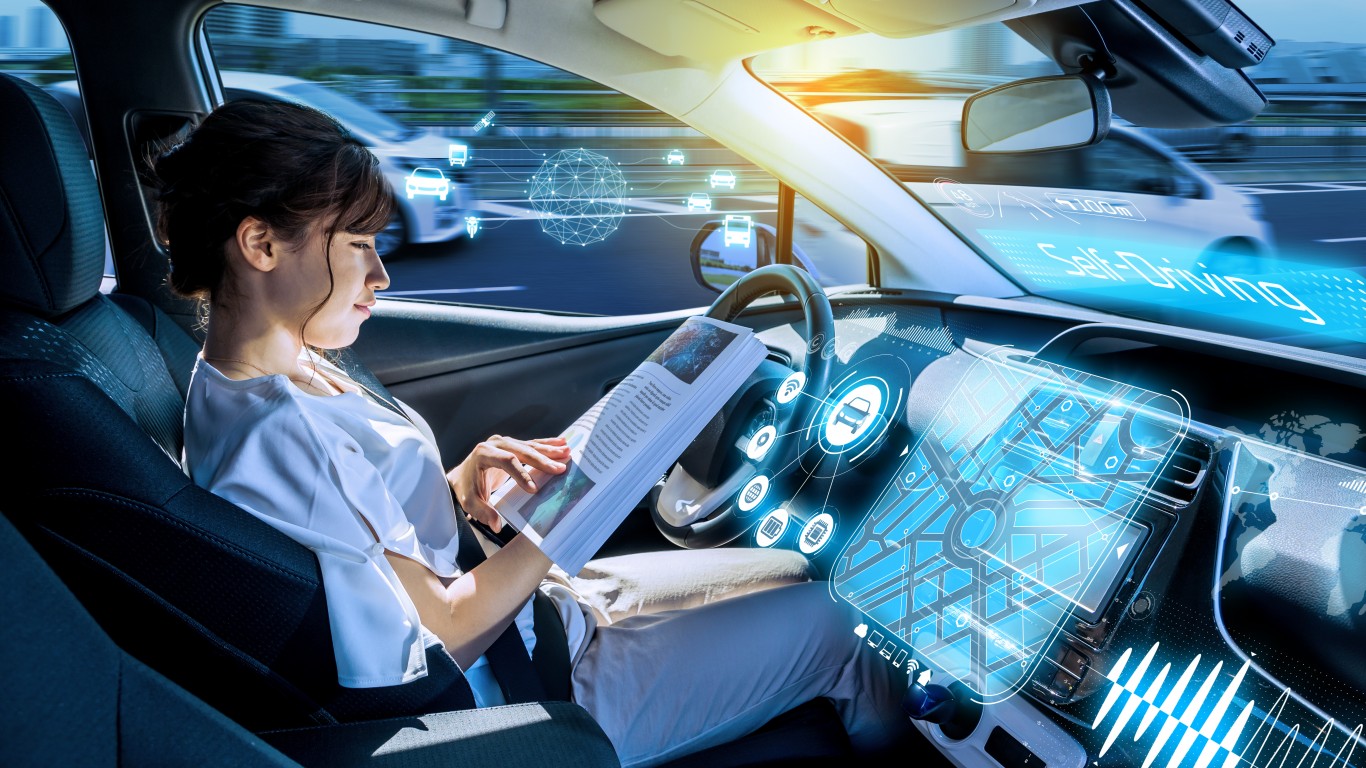
The upgrade includes technologies to help drivers on non-expressways, including a hands-off function for driving in congested traffic and on arteial roads, the company said. It also allows hands-off functions during merging onto and exiting highways and while parking.
Honda said the artificial intelligence-based system learns while accumulating experiences. “Much like humans, Honda Sensing Elite increases its capability to recognize complex scenes and handle driving situations that occur in complex environments such as on non-expressways.”
The carmaker has not released specific dates for Honda Sensing Elite availability.
Honda also unveiled plans on Wednesday to begin producing an all-new hydrogen fuel cell-powered vehicle in the US, the all-new Honda CR-V, starting in 2024
The company said that like its new driving technologies, the new zero-emissions vehicle would contribute to Honda’s previously announced goal to make battery electric vehicles (BEVs), and FCEVs represent 100% of its global auto sales by 2040.
“The new CR-V-based FCEV also will mark North America’s first production vehicle to combine a plug-in feature with FCEV technology in one model, which enables the driver to charge the onboard battery to deliver EV driving around town with the flexibility of fast hydrogen refueling for longer trips,” the company said.
The company will build the cars at its Performance Manufacturing Center (PMC) in Marysville, Ohio.
Honda called the PMC “a small volume, specialty manufacturing facility, focused on craftsmanship and hand-assembled vehicles. Since opening in 2016, the PMC has been responsible for producing the Acura NSX supercar, multiple Acura PMC Edition vehicles (including TLX, RDX and MDX), and Honda Performance Development race cars. This makes the PMC uniquely suited to producing high-quality FCEVs, which require special assembly procedures,” Honda said.
The company said it would update the vehicle project’s full details closer to its introduction in 2024.
This article originally appeared on Fintel
Contact [email protected] for any questions or corrections.