New ASEAN Cross-Border Payment System Reduces Fees by 30%
A new cross-border payment system in Southeast Asia allows some member nations to save up to 30% in transaction fees.

This post may contain links from our sponsors and affiliates, and Flywheel Publishing may receive compensation for actions taken through them.
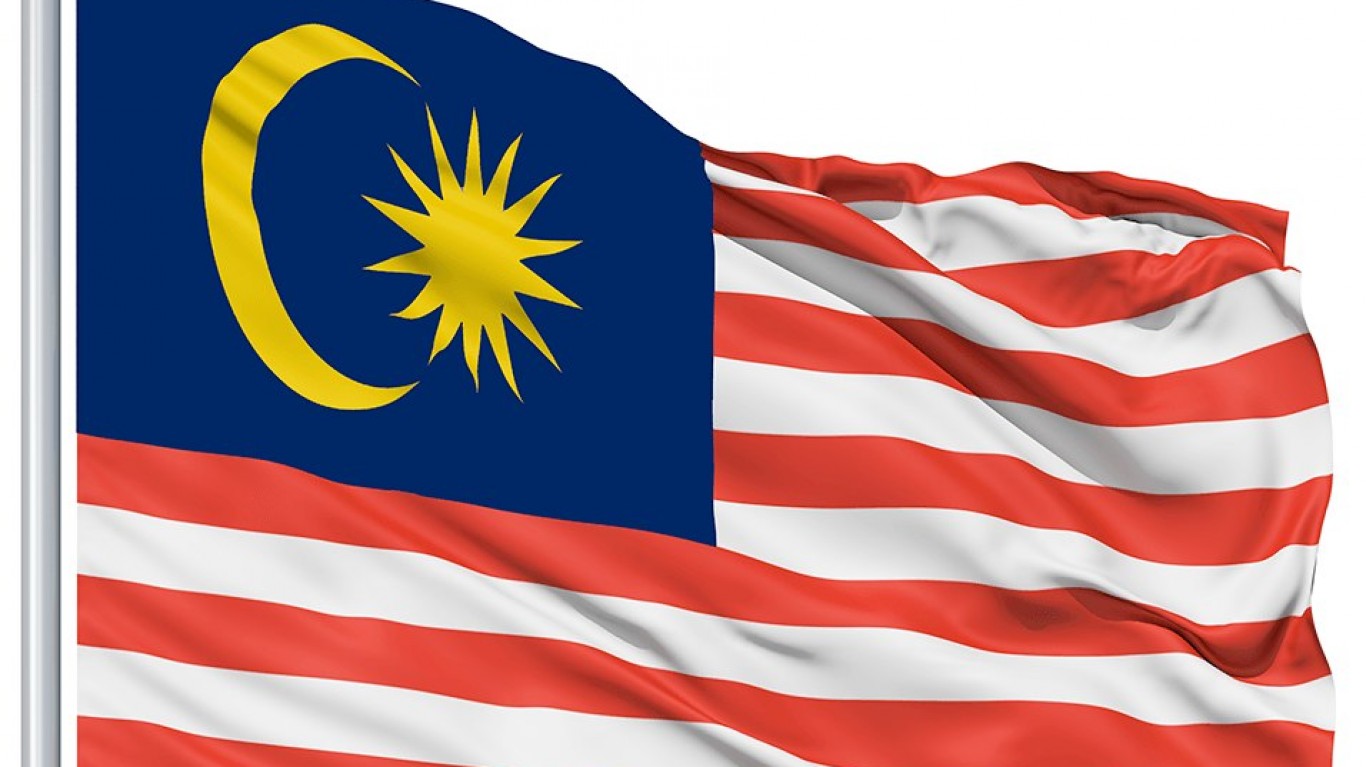
A new cross-border payment system in Southeast Asia allows some member nations to save up to 30% in transaction fees by allowing residents from Indonesia and Malaysia to pay for goods and services using direct transactions between their local currencies. This removes the need for US dollars to act as an intermediary and significantly reduces transaction costs.
More ASEAN Member Nations to Be Included in the Initiative
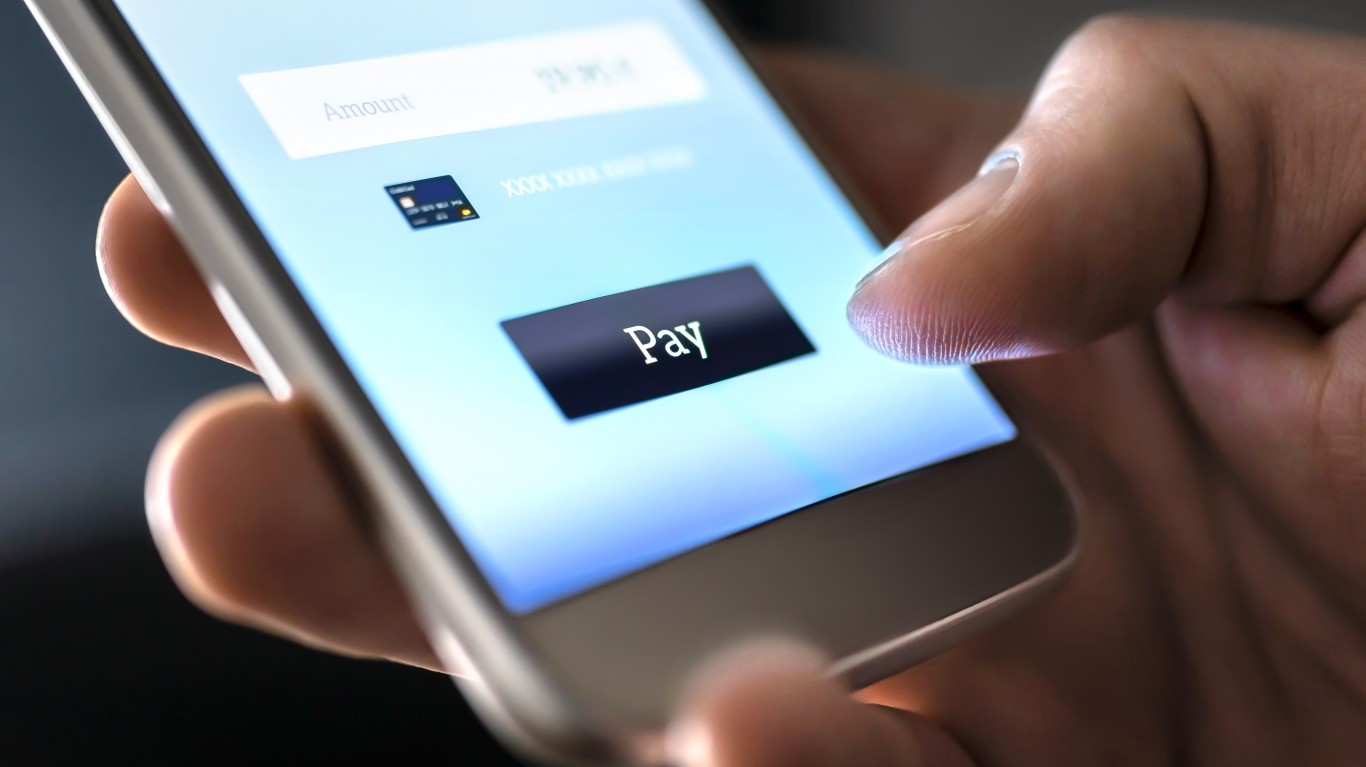
Malaysians visiting Indonesia, and vice-versa, can now pay for retail goods and services by simply scanning quick response (QR) codes using their mobile phones, thanks to a new cross-border system used by the members of the Association of Southeast Asian Nations (ASEAN). According to Asia Nikkei, the system allows residents from these nations to settle payments in local currencies.
In other words, people from Indonesia and Malaysia can now pay for goods and services using direct transactions between the Malaysian ringgit and the Indonesian rupiah. This eliminates the need to use the US dollar as an intermediary currency, allowing them to save up to 30% in transaction costs.
The move comes from an ASEAN effort to link cross-border payment systems through QR codes, aimed at streamlining transactions within the 10 member states of the economic union. The central banks of Indonesia and Malaysia announced the commercial launch of their cross-border linkage in May, while other countries in the region, such as Singapore, Vietnam, and the Philippines, are expected to be connected in the coming months.
Cross-border payments have become increasingly popular over the years, driven by various factors, including digital transformation, the expansion of international trade, and technological advancements.
However, this payment system is not supported by all. Last year, IMF Financial Counsellor and Director of the Monetary and Capital Markets Department, Tobias Adrian, described today’s cross-border payments as “slow, expensive, and risky.” Adrian said that lack of coordination on the international level leads to “inefficient arrangements for cross-border transactions.”
The worldwide community has acknowledged this need for an enhanced cross-border payment system. For instance, in 20202, G20 finance ministers and central bank governors supported 19 ‘Building Blocks’ to create faster, more efficient, and transparent cross-border payment services.
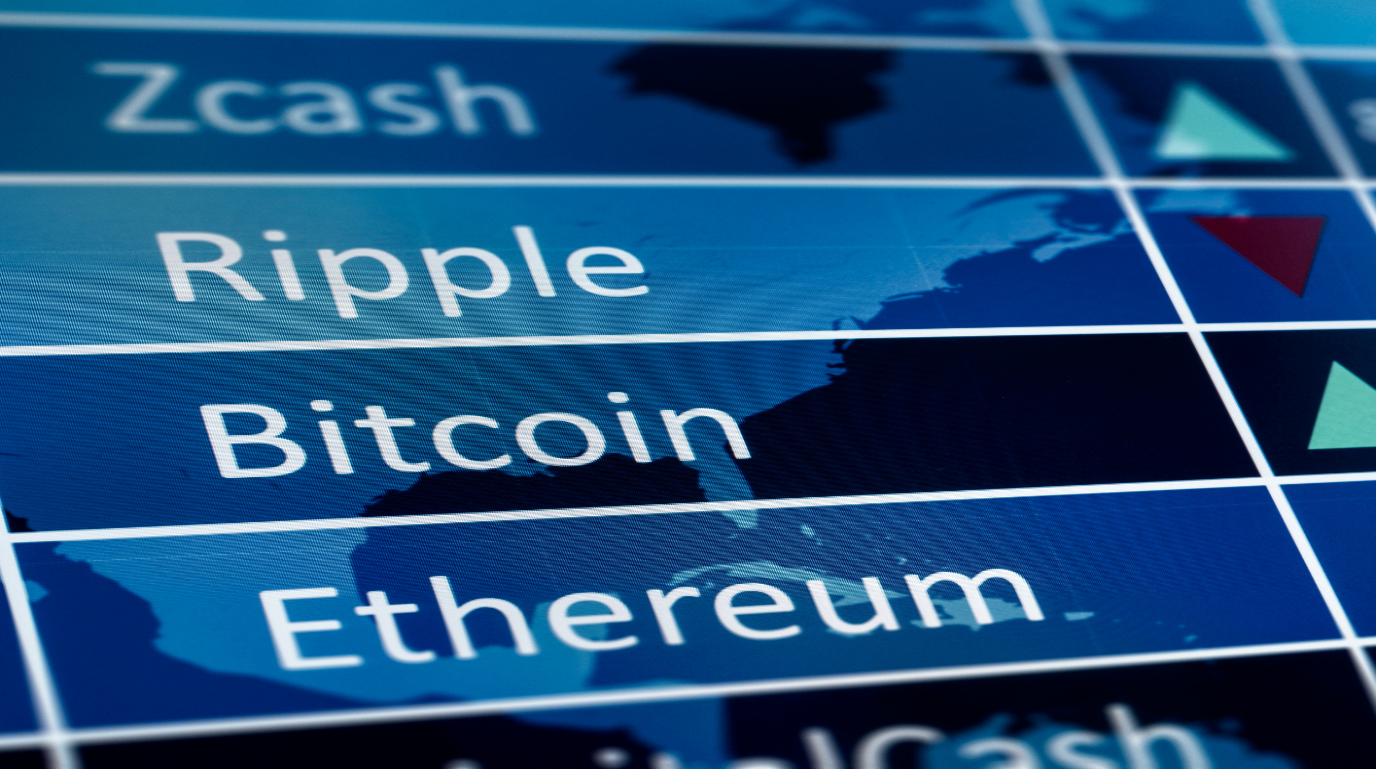
At the same time, some institutions and governments are choosing to embrace Bitcoin and other cryptocurrencies as their go-to payment service. This preference stems from the decentralized nature of cryptocurrencies, which offers increased privacy, reduced transaction fees, and faster cross-border transfers compared to traditional banking systems.
This article originally appeared on The Tokenist
Contact [email protected] for any questions or corrections.