Buffett Keeps Loading Up On A Dividend Stock, and Wall Street Disagrees. Who Is Right?
One of the richest men in the world, Warren Buffett famously loves legal monopolies, businesses with moats so big as to prevent more than one company from competing in the market they dominate. It’s no surprise, then, that he also…

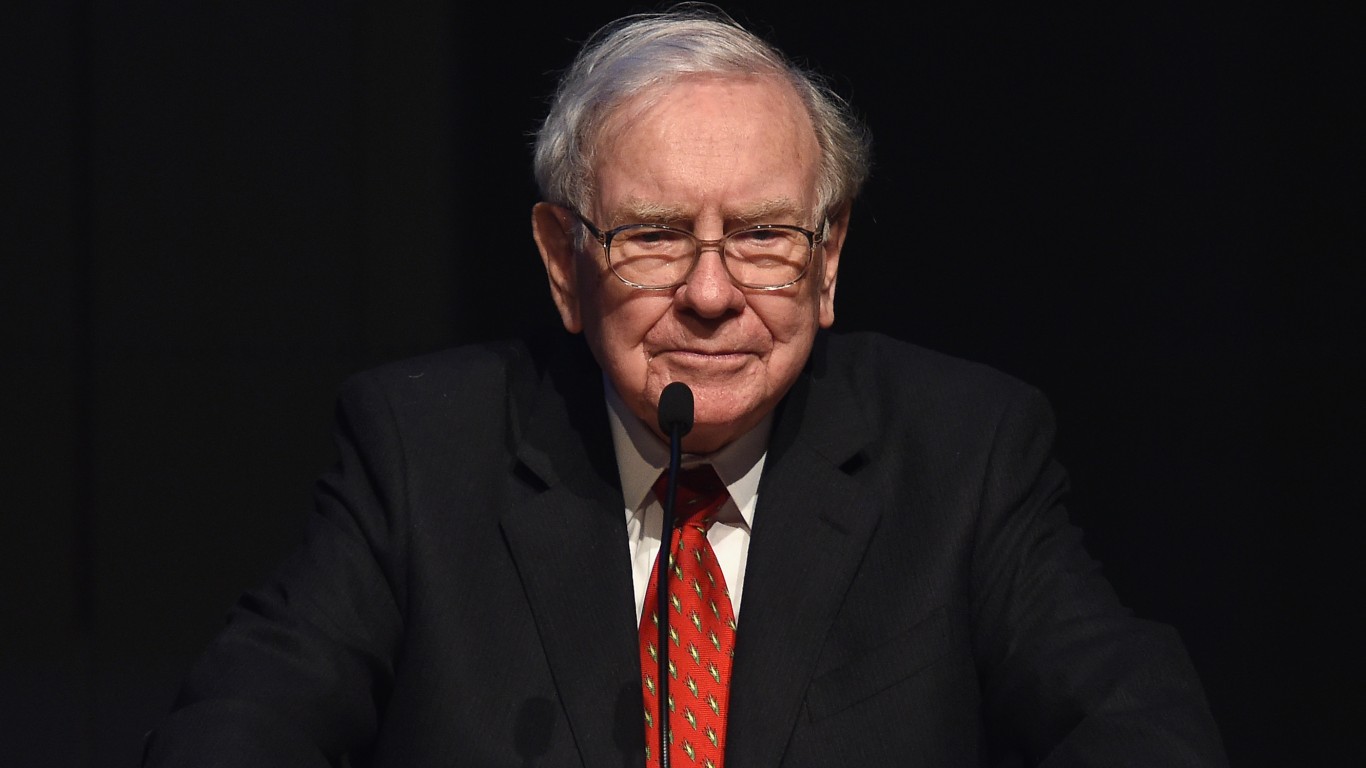
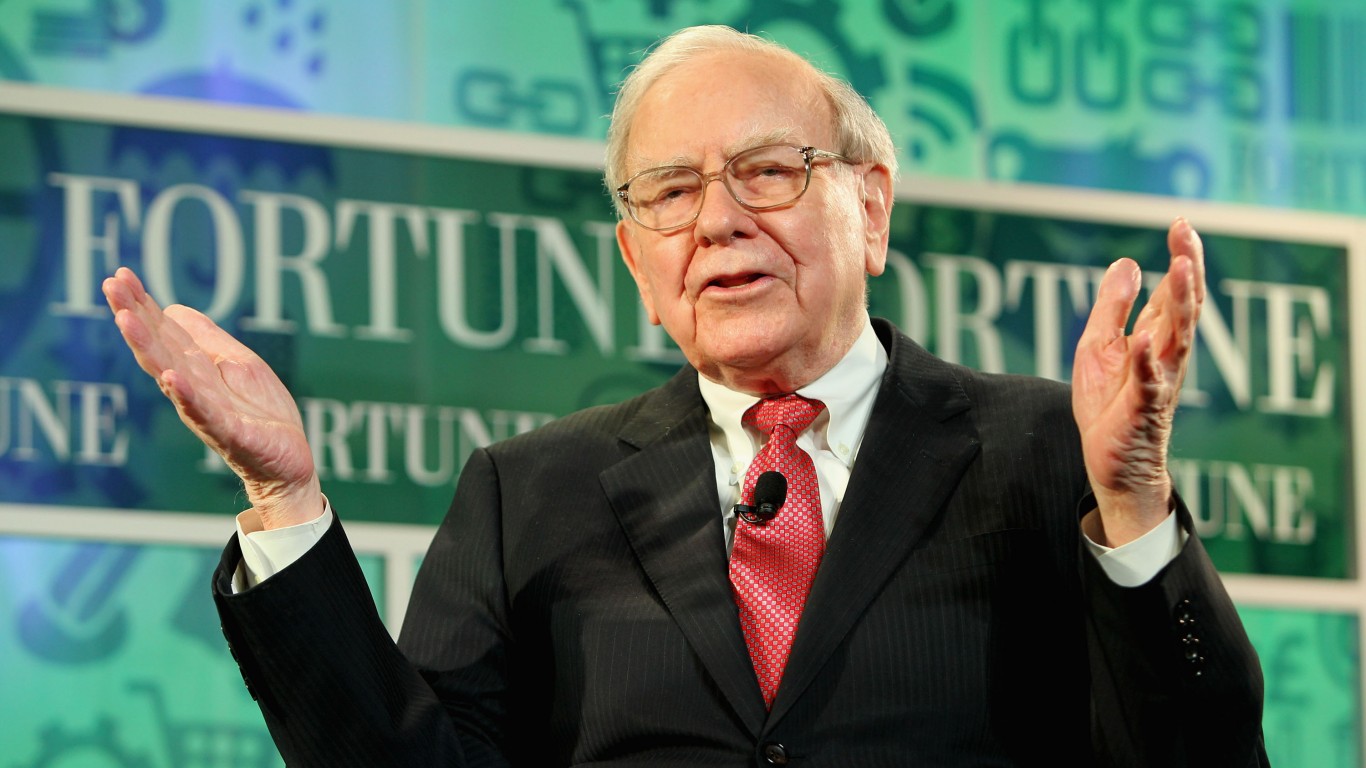
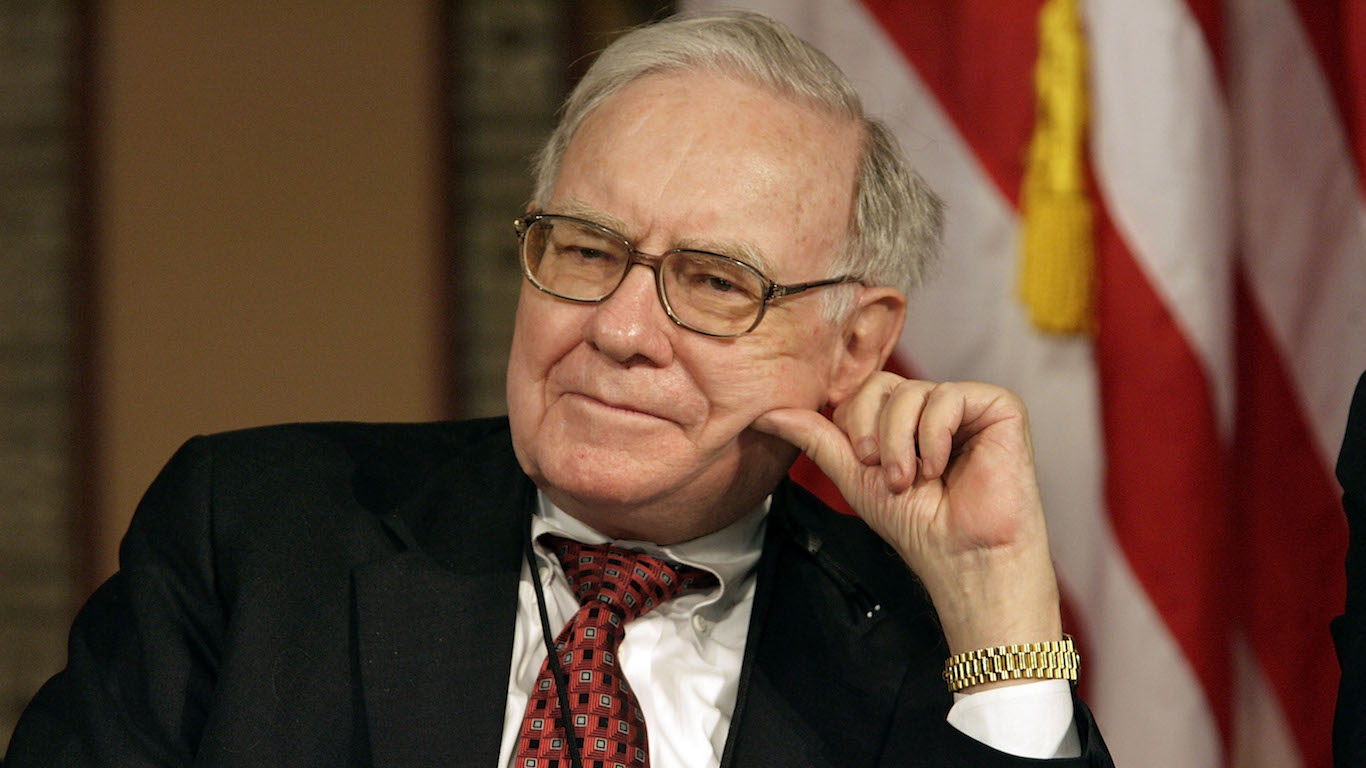
One of the richest men in the world, Warren Buffett famously loves legal monopolies, businesses with moats so big as to prevent more than one company from competing in the market they dominate. It’s no surprise, then, that he also loves Sirius XM Holdings (Nasdaq: SIRI | SIRI Price Prediction), currently the only company in the U.S. that possesses a Federal Communications Commission license to broadcast satellite radio.
Since initially dipping its toe in Sirius in 2023, Berkshire Hathaway (NYSE: BRK-A) (NYSE: BRK-B), Warren Buffett’s investment holding company, has steadily grown its stake in the satellite radio pioneer to the point where it now owns 35% of Sirius stock.
This hasn’t been done in secret. Marketwatch reported on the latest rise in Berkshire’s interest in Sirius just last month. What’s surprising, though, is that, despite the high publicity of Buffett’s Sirius purchases, and despite Buffett’s own well-earned reputation as being arguably the best stock market investor of all time, other investors don’t seem very interested in following Mr. Buffett’s lead on this one.
Fact is, over the past year, as Buffett continued buying, other investors have sold Sirius stock so much that the shares have lost 44% of their value in the last 52 weeks. As a result, Sirius stock currently costs just 7.3 times trailing earnings (and 7.4 times forward earnings), even as it pays a superb 4.8% dividend yield.
Why investors hate Sirius XM Holdings
Mind you, there’s a lot not to like about Sirius XM. While satellite radio was once hailed as a technological marvel, and a remarkable improvement over terrestrial radio, it’s arguably been displaced by the widespread availability of smartphones that, so long as you’ve got “bars,” can play music and podcasts all across the nation, just like a satellite, and often for free.
Result: For the past five years, Sirius has showed zero to negative growth in its subscriber numbers, leading many investors to speculate that in a market where companies are expected to grow or die, Sirius would do… the latter.
This hasn’t happened yet. Indeed, Sirius’s most recent 2024 earnings report even contained some small evidence that things might be improving, with “self-pay subscribers” growing by a tiny 18,000 customers in Q4 2024.
That number was still down for the year, however, as was annual revenue, down 3%. Earnings for the year flipped to negative $6.14 per share on a goodwill impairment. On the plus side, earnings improved by 24% at Sirius in the fourth quarter, concurrent with the uptick in subscribers.
Going forward, Sirius management says it’s focusing on cutting costs by an additional $200 million, paying down debt, “returning capital to stockholders.” Management does warn that revenues are continuing to shrink, forecasting sales of only $8.5 billion this year. Still, Sirius says it can grow free cash flow to $1.15 billion, a 14% increase over 2024.
Call me crazy, but those don’t sound like going-out-of-business numbers to me.

Warren Buffett versus Wall Street
Nevertheless, on Wall Street, sentiment has turned decidedly negative on Sirius, with only four analysts recommending that investors “buy” the stock, while five others say “sell.” (Five more say “hold,” which is generally considered a polite way of saying “sell” on Wall Street).
Are they right? Is Buffett crazy to be buying this no-growth dividend stock?
The answer is not clear-cut. With more than $10 billion in net debt, Sirius could be in really dire straits if, for example, interest rates rise from where they’re at right now, eating into profits and causing earnings to resume drifting lower. Sirius’s debt also affects the stock’s valuation. While seemingly cheap at only “7.3 times earnings,” once you factor debt into the picture, the stock’s debt-adjusted P/E soars to nearly 18x, which could be expensive if sales keep shrinking, and earnings are unable to grow.
On the other hand, 18x earnings isn’t necessarily too much to pay if Sirius delivers on its promise of 14% free cash flow growth, and maintains its market-beating 4.8% dividend yield.
So long as Sirius delivers on its promises, however, my hunch is that Buffett will be proven right (once again) on this investment. Between the modest FCF growth and the great dividend yield, Sirius has a clear path towards paying down its debt and rewarding its investors. Buffett is willing to bet it will succeed.
Are you?
Contact [email protected] for any questions or corrections.
Joel South covers large-cap stocks, dividend investing, and major market trends, with a focus on earnings analysis, valuation, and turning complex data into actionable insights for investors.
He brings more than 15 years of experience as an investor and financial journalist, including 12 years at The Motley Fool, where he served as an investment analyst, Bureau Chief, and later led the Fool.com investing news desk. He has also co-hosted an investing podcast and appeared across TV and radio discussing market trends.