





While reaching retirement age can be both a blessing and a curse, relying on the U.S. government to provide for your needs is not the best idea. The full retirement age is 66 if you were born from 1943 to 1954. The full retirement age increases gradually for those born between 1955 and 1960, reaching 67. For anyone born in 1960 or later, full retirement benefits are payable at age 67. One thing is sure: securing a long and happy retirement boils down to managing your risk. Those looking to secure the funds they have acquired over the years need to play it safe.
The “buy the dip” financial news teleprompter readers and the 35-year-old portfolio managers who have never experienced a market crash are pounding the table, claiming that stocks are still headed to the moon. Market veterans and “hey boomer” professionals have seen this show before. In 1987, the Dow Jones industrial average plunged a stunning 22% in one day. Today, a similar drop in the venerable index would be equivalent to almost 9,300 points.
A market crash, though devastating, is workable if you are in your 40s and making peak money. However, for baby boomers who have enjoyed unprecedented gains over the past 35 years, being overweight in the stock market now is like picking up nickels in front of a bulldozer, and it could be a fatal shock to their retirement savings. Five very safe ideas make sense for those in their 60s or older who need to protect their hard-earned money that will helps pay for a comfortable future.
U.S. Treasury Bonds

Look at the short end of the Treasury market. The two-year note, like all Treasury debt, is guaranteed by the full faith and credit of the United States and yields a solid 4.01%. The shorter six-month T-bill yields 4.25%. Note that shorter government debt of a year or less is bought at a discount and matures at full value instead of paying interest. They work the same way as savings bonds you might have had as a kid. Baby boomers can buy Treasury bills and bonds through banks and brokerage firms.
Certificates of Deposit
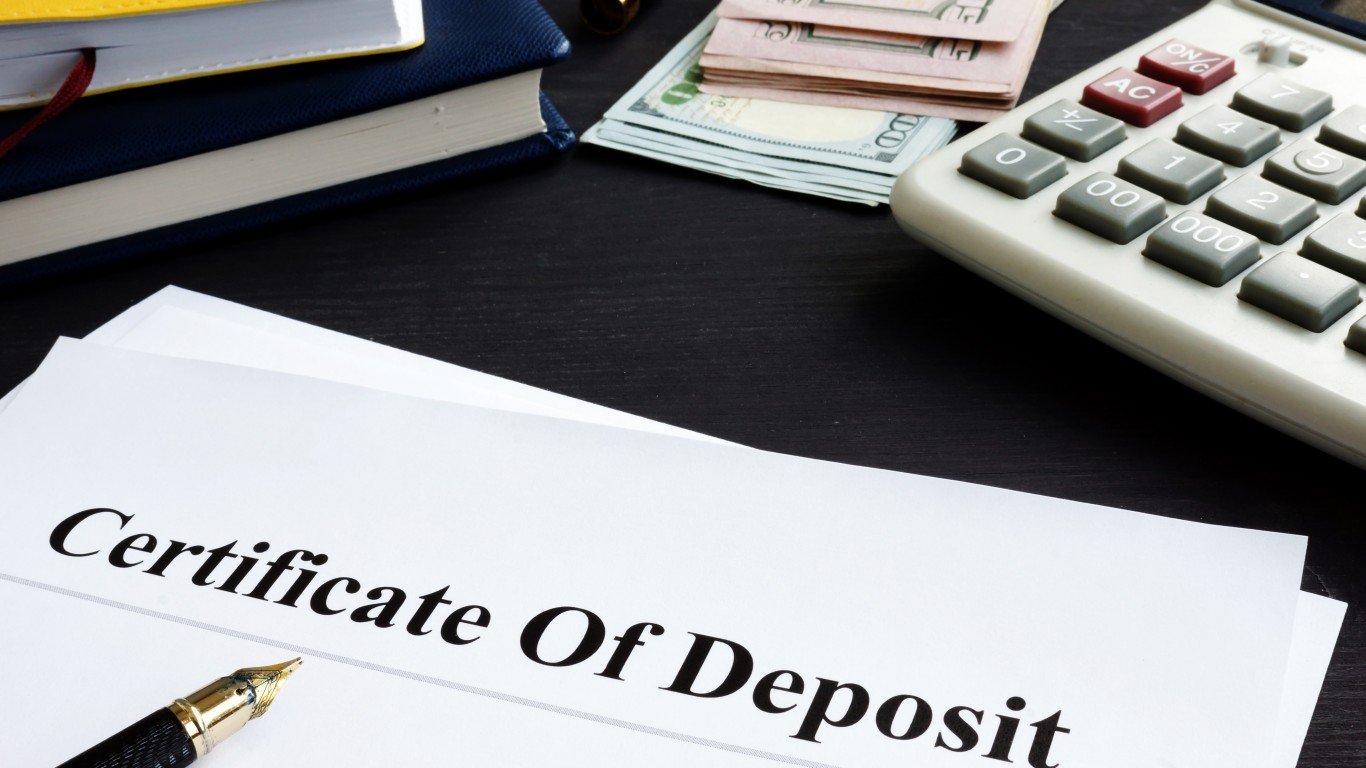
Certificates of deposit (CDs) are insured by the Federal Deposit Insurance Corporation (FDIC), an independent agency that protects deposits in U.S. banks and other financial institutions. The FDIC insures up to $250,000 per depositor per insured bank. In other words, you can have multiple CDs at different banks, each of which has up to $250,000 in insurance.
The best current rates for a one-year CD were at 4.40%. Longer-term CD yields range from 4.00% to 4.80% with a minimum deposit of $500. It is essential to note that many banks charge a penalty for early withdrawals of funds. Therefore, if you have an emergency and need to access your money, you may receive less back than you initially deposited. Baby boomers will want to make sure the terms are clear when they purchase one.
High-Yield Money Market Funds

A high-yield money market fund is an investment that aims to generate income while maintaining a relatively stable and liquid principal. It is considered a very low-risk investment and can have higher interest rates than savings accounts. Money market funds invest in short-term securities, such as government securities, commercial paper, and corporate debt. They are intended to be safe and not lose value. Best of all, baby boomers, or anyone, can withdraw cash from a money market fund without penalties. In addition, they pay interest monthly and the FDIC insures them up to $250,000.
Here are the rates from some well-known companies:
- American Express High Yield Savings: 3.60%
- PNC Bank High Yield Savings: 3.95%
- CIT Bank Platinum Savings: 4.10% on balances of $5,000 and more
Open-End Mutual Funds
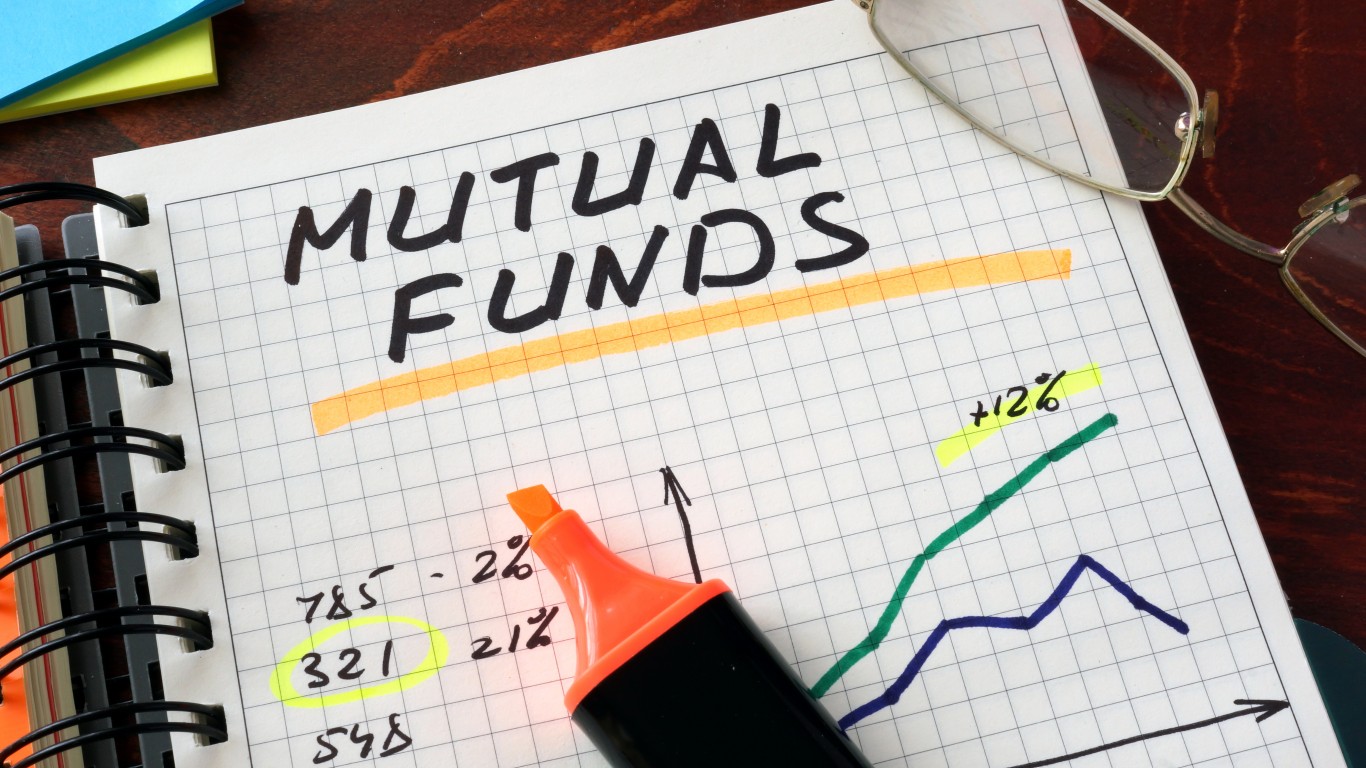
An open-end mutual fund is a type of investment fund that allows investors to buy or sell shares at any time, based on the current net asset value of the fund. Essentially this means new shares are created when investors want to buy in, and shares are redeemed when investors want to sell out. This provides continuous liquidity compared to closed-end funds with fixed entry and exit points, which makes open-end funds highly accessible for investors to enter and exit as needed.
Both closed-end and open-end funds provide efficient investment options. Closed-end funds trade on exchanges throughout the day, while open-end funds are typically redeemed or bought at net asset value once daily.
For baby boomers, we recommend the BlackRock Liquidity Funds – FedFund (NASDAQ: BFCXX), which currently yields 4.23%. The fund maintains a $1 net asset value and can be bought and sold daily.
The BlackRock website provides the following description of the fund:
FedFund invests at least 99.5% of its assets in cash, U.S. Treasury bills, notes, and other obligations issued or guaranteed as principal and interest by the U.S. Government, its agencies, or instrumentalities, and repurchase agreements secured by such obligations or cash. The yield of the Fund is not directly tied to the federal funds rate. The Fund invests in securities maturing in 397 days or less (with certain exceptions), and the portfolio will have a dollar-weighted average maturity of 60 days or less and a dollar-weighted average life of 120 days or less. The Fund may invest in variable and floating-rate instruments and transact in securities on a when-issued, delayed-delivery, or forward-commitment basis.
Exchange Traded Funds (ETFs)

Unlike open-end mutual funds, ETFs trade on major exchanges like stocks. They own financial assets, including stocks, bonds, currencies, debt, futures contracts, and commodities such as gold bars. One significant advantage of ETFs is that they can be bought or sold at any time the market is trading. Additionally, there is a substantial market and significant demand from investors for exchange-traded funds.
One of the funds we at 24/7 Wall St. recommend for baby boomers is the SPDR Bloomberg 1-3 Month T-Bill ETF (NYSE: BIL). The fund invests substantially all, but at least 80%, of its total assets in the securities comprising the index and in securities that the adviser determines to have economic characteristics substantially identical to the financial characteristics of the securities comprising the index. The index measures the performance of public obligations of the U.S. Treasury that have a remaining maturity of one month or more and less than three months.
The fund currently pays a 4.76% yield and a monthly dividend /interest payment of $0.3828. Investors should note that the price of the ETF will decrease by that amount when the dividend is paid. However, at $91.47 at the time of this writing, the impact is minimal.
Boomers Are Buying Five Safe Monthly Dividend Stocks Delivering Huge Passive Income














 Top Gaining Stocks
 Top Losing Stocks