Are You Making Dave Ramsey’s Biggest Retirement Mistake? 3 Questions to Ask Before You Quit Working.
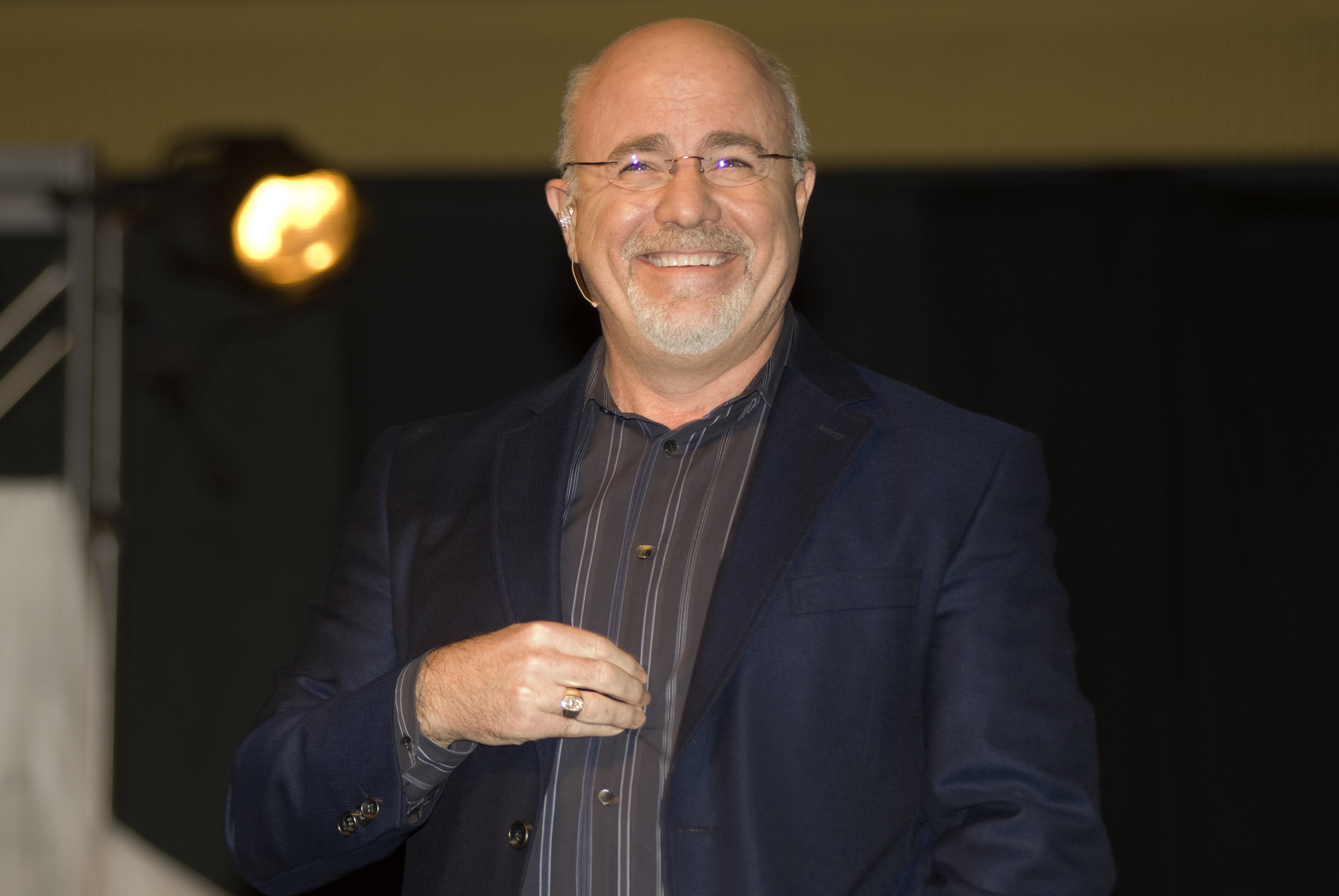
Dave Ramsey is a personal finance expert and the radio host of The Ramsey Show. Many retirees and prospective retirees look up to and follow Ramsey. He’s an author of numerous best-selling books and has a company that provides financial…


Dave Ramsey is a personal finance expert and the radio host of The Ramsey Show. Many retirees and prospective retirees look up to and follow Ramsey. He’s an author of numerous best-selling books and has a company that provides financial advice to people.
If you’re on the cusp of retiring, it’s a good idea to take stock of where you are and ask yourself some questions before taking the leap. Dave Ramsey can help.
Ramsey’s philosophy suggests you need honest answers to three key questions that could mean the difference between a comfortable retirement and a potential financial catastrophe.
What is Dave Ramsey’s biggest retirement mistake?

The core mistake is retiring without true readiness. Retiring with debt is the biggest issue that Ramsey encounters. “You can’t have a $750 F-150 payment,” he said. “You can’t have a student loan that’s been around so long you think it’s a pet.”
If you want to retire, get rid of that debt, and it will be much smoother. Otherwise, that debt can dent your income significantly, especially if you let it compound or if that debt carries a floating rate. If it does, any potential interest rate hikes will make servicing that debt even worse.
In short, if you are in debt, according to Ramsey, you’re not ready.
Let’s look at the questions you can ask yourself to figure out whether or not you are fully ready for retirement, according to Ramsey.
Question #1: Do you have clear retirement goals?

You must set goals before you enter your golden years. Do you want your retirement lifestyle to match your current lifestyle, or are you willing to scale back spending? Do you wish to retire in another country? Do you have any travel aspirations or hobbies you wish to spend liberally on?
If these goals are vague and you’re going to spend without accounting for the implications, this can lead to failure. This is because without specifics, you can’t calculate what you actually need.
Once you do set clear retirement goals, you can work back from there to see how much you need and when.
To do this, you can write out your vision for retirement in detail and attach dollar amounts to those details. Better, you can work with a financial advisor to stress-test your plan.
Question #2: Is your mortgage (and any other debt) paid off?

Debt is sure to burn a hole in your pocket and turn into a bottomless pit. This can burden you with recurring monthly payments and chip away if you’re on a fixed income. Mortgage is often the biggest culprit, and you do not want to carry it into retirement. If it is an inconsequential amount, you’d still ideally want to pay it off and not worry about it while retired.
Beyond the mortgage, you should try to eliminate any car loans, credit card balances, personal loans, and more.
Retiring debt-free will free you both financially and psychologically. No longer will you have to worry about interest rate hikes or interest payments.
People still have common objections. Many are sure to shout: “But my mortgage rate is low!” or “I’ll just refinance in my retirement,” but both are risky. Sure, you may be able to earn a 10% return in the stock market and pay off your 3.5% mortgage, but the market is unpredictable, whereas paying it off is guaranteed to free you financially.
As for refinancing, fixed income makes qualifying for a mortgage refinance harder, so it’s often not worth the risk.
Question #3: Are you prepared for the healthcare costs?

A couple retiring at age 65 will need ~$345,000 in savings to have a good chance of covering their health care costs during retirement.
It is one of the largest and most unpredictable expenses you will face as a retiree. It’s worse because employer-sponsored coverage disappears when you leave work, and Medicare doesn’t cover everything. There are gaps in dental, vision, hearing, and long-term care.
What’s more, healthcare costs have outpaced general inflation over the long run.
It’s a good idea to consider opening a health savings account (HSA) to contribute pretax dollars in advance. Your invested money will grow tax-free over time and help you cover medical costs in retirement.
You should also factor in long-term care insurance or self-insurance for nursing home/assisted living scenarios.
These three questions should give you a basic idea of whether or not you are retired. If you have already considered these and have them covered, you’re likely ready, at least according to Dave Ramsey.
Contact [email protected] for any questions or corrections.
Omor Ibne Ehsan is a writer at 24/7 Wall St. He is a self-taught investor with a focus on growth, cyclical, and dividend equities that have strong fundamentals, value, and long-term potential. He also has an interest in high-risk, high-reward investments such as penny stocks.