Memorial Day Shocker: Gas Prices Up 28%, Flights Up 21%, Coffee Up 18%, Even Hot Dogs Cost 11% More than Last Year
Memorial Day is supposed to feel like a victory lap into summer: gas tank full, cooler packed, suitcase in the trunk. This year, it feels like sticker shock. A snapshot circulated by Ed Elson, host of the Prof G Markets…


Memorial Day is supposed to feel like a victory lap into summer: gas tank full, cooler packed, suitcase in the trunk. This year, it feels like sticker shock. A snapshot circulated by Ed Elson, host of the Prof G Markets podcast, on X on May 25, lined up seven everyday inflation categories against last year’s holiday weekend and the numbers landed with a thud.
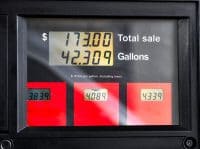
The headline movers: gas up 28%, flights up 21%, coffee up 18%, beef up 16%, hot dogs up 11%, hotels up 4%. The surprise sitting atop the pile is tomatoes. A pound of tomatoes costs 40% more than it did last Memorial Day, the largest single move in the data set and a number that’s gotten very little airtime so far.
Each category has its own story. Together, they describe an inflation picture broader than official aggregates suggest.
The Why Behind the Sticker Shock
Let’s start with energy. WTI crude oil closed at $112.25 per barrel on May 18, up roughly $26 in a single month and sitting in the 98th percentile of its 12-month range. Tight U.S. refining capacity and a persistent Middle East risk premium are doing the rest.
That same fuel bill shows up on airline income statements, where post-pandemic capacity discipline and stubborn leisure demand have given carriers pricing room.
Beef and hot dogs trace back to a U.S. cattle herd at multi-decade lows, drought in key ranching states, and elevated feed costs. Coffee is a weather story: Brazilian and Vietnamese harvest worries colliding with sustained global demand.
Tomatoes reflect produce supply-chain disruption and growing-region weather damage that grocers passed straight through to the shelf. Hotels, at +4%, are the disciplined outlier, suggesting the lodging side of travel hasn’t found the pricing power airlines have.
The Macro Behind the Cookout
Officially, the inflation picture is calmer than these snapshots imply, but not by as much as the Fed would like. The Consumer Price Index hit 333.020 in April, up from 320.795 a year earlier.
Headline Personal Consumption Expenditures (PCE) inflation ran 4% year over year in March, with the energy subcomponent up 14% and core PCE at 3%. The University of Michigan consumer sentiment index fell to 49.8 in April, deep in recessionary territory, and Americans aren’t imagining the squeeze.
Onto that desk lands Kevin Warsh, who took the Fed Chair role on Friday, May 22. As 24/7 Wall St. noted recently, Warsh is inheriting a Fed where AI infrastructure capital spending is reversing decades of disinflation, and today’s data adds a second front: consumer staples.
The federal funds target sits at 4% after three cuts since September, and Warsh’s hawkish reputation suggests he’d rather pause than chase further easing. Political pressure to keep cuts on the table will be substantial.
How This Compares, and What to Watch
The 2021-2022 surge featured gas above $5 a gallon, used cars up 40%-plus, and grocery aisles whipsawed by supply-chain breaks. The current data isn’t at that peak intensity yet, but it’s a meaningful re-acceleration from the calmer 2023-2025 backdrop.
Average hourly earnings reached $37.41 in April, up from $36.28 a year earlier. Whether wage gains keep pace with gas, beef, and produce is the real-income question of the summer.
For regular Americans, the policy debate is downstream of the cookout. Summer plans got more expensive. The signal to watch over the next two months is whether retail sales, which reached $757.1 billion in April, finally crack as consumers ration discretionary categories: a tank of gas they can’t avoid, a flight they suddenly can’t.
Contact [email protected] for any questions or corrections.
David Moadel is financial writer specializing in stocks, ETFs, options, precious metals, and Bitcoin. David has written well over 1,000 articles for leading online publications, helping investors understand markets, income strategies, and risk.His work has appeared in The Motley Fool, InvestorPlace, U.S. News & World Report, TipRanks, ValueWalk, Benzinga, Market Realist, TalkMarkets, Finmasters, 24/7 Wall St., and others.With a master’s degree in education, David has taught at the elementary, high school, and college levels. That teaching background shapes his writing style: clear, educational, and practical. David has also built a loyal social-media audience by providing trustworthy financial content on YouTube, X/Twitter, and StockTwits.