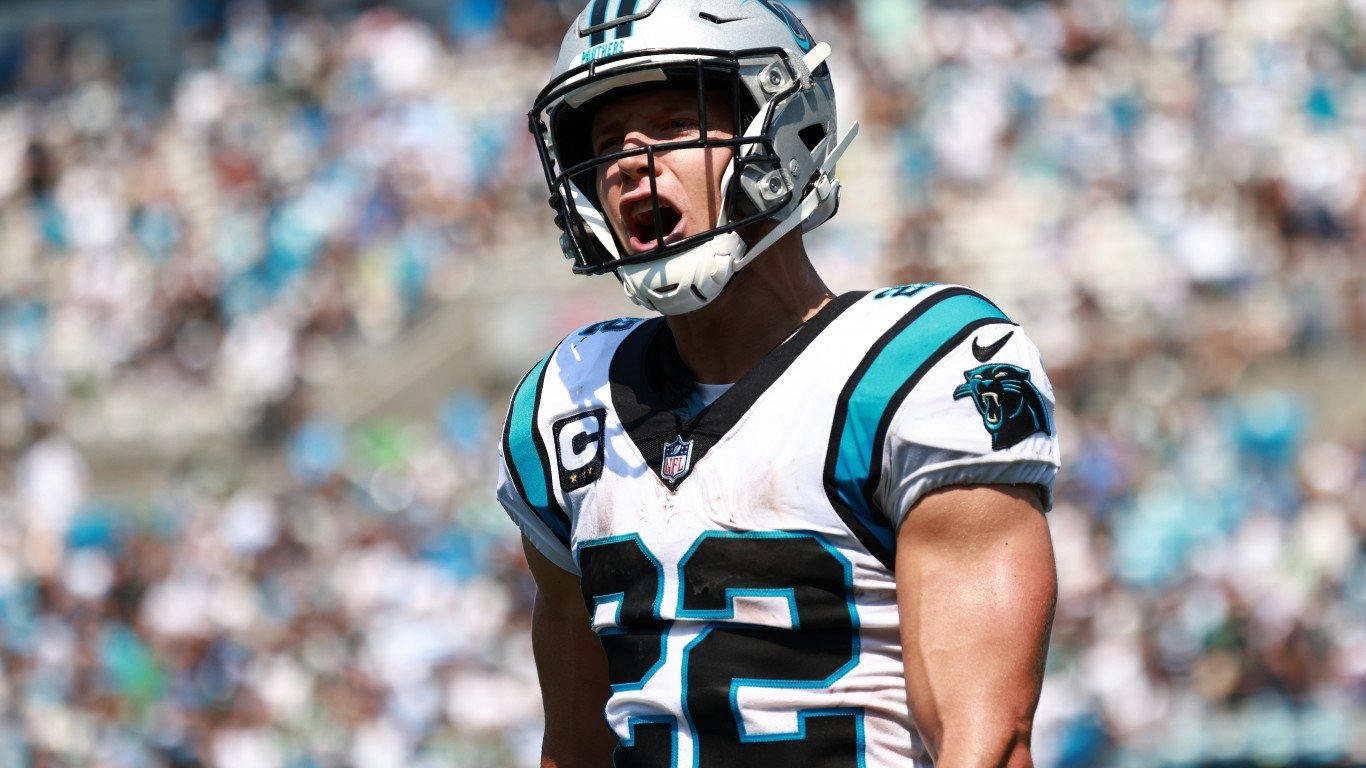
Billionaire David Tepper Sells These 5 Stocks to Buy This 1 Stock
David Tepper is one of the most successful hedge fund managers in history, with a net worth of ~$23.7 billion. He’s been selling UnitedHealth (NYSE:UNH | UNH Price Prediction), Intel (NASDAQ:INTC), Alibaba (NYSE:BABA), Vistra (NYSE:VST), and Micron (NASDAQ:MU). He’s piling…

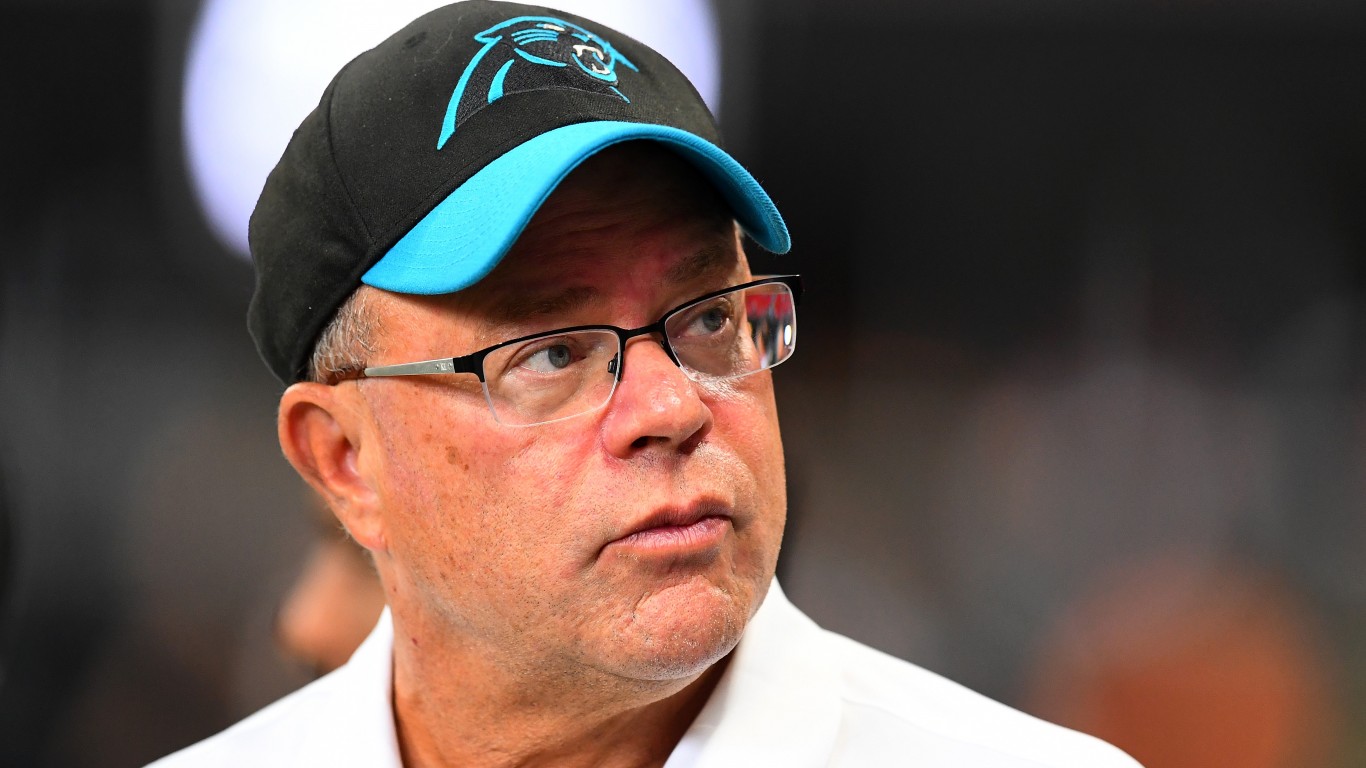
David Tepper is one of the most successful hedge fund managers in history, with a net worth of ~$23.7 billion. He’s been selling UnitedHealth (NYSE:UNH | UNH Price Prediction), Intel (NASDAQ:INTC), Alibaba (NYSE:BABA), Vistra (NYSE:VST), and Micron (NASDAQ:MU). He’s piling into a lesser-known stock instead called Whirlpool (NYSE:WHR), and we’ll look into why in a bit.
Tepper is the founder of Appaloosa Management and is also the proprietor of the NFL’s Carolina Panthers and Charlotte FC in Major League Soccer.
Tepper is credited with playing a major role in the survival of Goldman Sachs after the 1987 stock market crash. After being passed over for a partner at Goldman Sachs twice, Tepper quit in December 1992 and created Appaloosa Management in early 1993. This hedge fund has been raking it in. It has returned roughly 25% a year since its founding.
One of his hallmark strategies is to buy up distressed stocks, especially those of companies with debt-laden balance sheets. He has successfully invested in many such stocks, and the contrarian approach paid off as the companies recovered. This is exactly what he did in 2009 and earned $7 billion by buying distressed financial stocks in February and March.
He’s now selling many AI holdings and popular stocks, a very contrarian move. Let’s take a look.
Stock #1: UnitedHealth (UNH)
Tepper’s largest sale for Q3 2025 was UNH. He shaved off 92% of his position, or about $780 million worth of the stock. UNH turned into a fan-favorite for hedge funds after it halved in value. After all, how can you pass on America’s largest insurance business at a 50% discount?
Tepper is doing just that after buying a similar amount of shares in Q2 2025. It’s unknown when he bought in Q2 2025, but if he bought at the peak, he may be just cutting his losses. If he bought the dip, the ongoing “recovery” may be too slow for his liking, and he’s fine with the tidy profits.
Stock #2: Intel (INTC)
Wall Street’s hopes were dashed for Intel as it failed to make use of the AI headwinds… right up until the company’s new CEO, Lip-Bu Tan, cozied up with the Trump administration. He’s been able to secure U.S. government + SoftBank investments. Even Nvidia (NASDAQ:NVDA), a “competitor,” partnered up with Intel with a $5 billion deal this September. This led to Intel’s “best day since 1987“.
Tepper isn’t interested.
He sold $205 million worth of INTC stock. That’s his entire stake. Tepper likely did this to take profits as INTC stock became much more expensive. Analysts believe Intel won’t be able to make a full recovery (both profits and sales-wise) this decade. Thus, Tepper likely sees the hullabaloo as premature.
Stock #3: Alibaba (BABA)
Tepper trimmed his BABA holdings by 8.73%. Alibaba is still his largest holding and constitutes 15.61% of his portfolio, so it was still the third-largest sale, worth $110 million.
BABA is up 75.4% in the past year, and Tepper was loading up well before the rally. He’s likely just taking profits.
Stock #4: Vistra (VST)
Vistra holdings were reduced by 30.83% in Q3, or by $109 million. He bought in Q3 and Q4 of last year and has been taking profits in Q1, Q2, and Q3.
Tepper is likely just booking profits while maintaining exposure to the AI-driven power demand thesis.
Stock #5: Micron (MU)
He sold 39.39% of his MU stock, worth $54.4 million. Tepper has a long history with Micron, with multiple buys and sells dating back to 2006.
In Q2 2025, he more than doubled his stake and then took some profits in Q3. He still has plenty of exposure to this stock.
The stock he bought: Whirlpool (WHR)
Tepper’s biggest purchase in Q3 was increasing Appaloosa’s stake in Whirlpool by a whopping 1,967%. He added $411 million to his WHR holdings, making it his third largest in one swoop. This company sells home appliances.
WHR stock is down nearly 69% from its peak in mid-2021 and is yet to show any sign of bottoming out. What caused Whirlpool’s fall? Mainly, the company has been hit by the horrible post-pandemic housing bust. Homeowners have been reluctant to move due to locked-in low-rate mortgages.
Its total debt is at $8.28 billion against a market capitalization of $4.36 billion. This is a classic Tepper bet on an indebted company that is beaten down. In all likelihood, Tepper likely sees retailers reverting to buying Whirlpool items after China tariffs are fully implemented and interest rate cuts induce more homebuilding.
Contact [email protected] for any questions or corrections.
Omor Ibne Ehsan is a writer at 24/7 Wall St. He is a self-taught investor with a focus on growth, cyclical, and dividend equities that have strong fundamentals, value, and long-term potential. He also has an interest in high-risk, high-reward investments such as penny stocks.