Are EV Stocks Still Worth Buying Amid Waning Sales And No More Tax Credits?
Electric vehicle stocks haven’t fared well ever since the EV tax credit expired on September 30, 2025. While some companies delivered excellent results leading up to the deadline, that’s more of a reflection of last-second buyers than a long-term trend…


Electric vehicle stocks haven’t fared well ever since the EV tax credit expired on September 30, 2025. While some companies delivered excellent results leading up to the deadline, that’s more of a reflection of last-second buyers than a long-term trend that puts electric vehicles back on top.
The EV boom peaked during the pandemic, with SPACs making the public markets more accessible to questionable companies like Nikola Motors. While investors are always looking for good opportunities to buy dips, the drops in EV stocks may not be the best opportunities. These are some of the reasons why.
A Major Incentive Is Gone
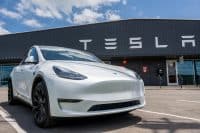
Tesla (NASDAQ:TSLA | TSLA Price Prediction) is the leading EV maker in the U.S., and even its status as a luxury auto manufacturer couldn’t save it from declining market share. The company delivered 418,227 vehicles in Q4 2025, which is a decline from 495,570 deliveries in Q4 2024. That’s a 15.6% year-over-year decline.
It’s also an accelerated dip from Tesla’s overall decrease in deliveries in the full-year 2025. The automaker delivered 1.6 million vehicles in 2025 compared to 1.8 million vehicles in 2024, marking an 8.6% year-over-year decline. Q4 2025 is the first full quarter of the EV tax credit’s expiration. The drop was immediate for Tesla and accelerated heading into the end of 2025.
Tesla wasn’t the only EV maker to sell fewer vehicles. Competitors like Rivian (NASDAQ:RIVN) also lost market share. Buying an EV was once a path to a tax credit of up to $7,500. That’s a major incentive, and now it’s gone. Many consumers have followed suit and feel less inclined to buy electric vehicles.
Trump’s Push Into Venezuela And Greenland Can Reduce Oil Costs
President Trump’s recent capture of Venezuelan President Maduro and his desire to acquire Greenland can dramatically increase the U.S. oil supply, and that will translate into lower gas prices. As the cost of fuel goes down, more people will want to drive traditional vehicles over electric cars.
It’s another headwind for electric vehicles, and although Trump hasn’t fully capitalized on this opportunity, oil prices are already falling. The lack of EV tax credits, combined with more affordable gas, can result in a prolonged correction for EV stocks and electric vehicle deliveries.
EV Infrastructure May Also Face Setbacks
Reduced demand for electric vehicles isn’t just bad for automakers. It also hurts the companies that install EV chargers across the country. Blink Charging (NASDAQ:BLNK) is officially a penny stock and has resorted to crypto payment offerings at select stations to boost demand. ChargePoint (NASDAQ:CHPT) is another struggling EV infrastructure stock that is down by more than 70% this year due to stalled revenue growth and significant net losses.
Oil infrastructure is far more robust, with all of the gas stations that line up U.S. streets and highways. Any shift to traditional vehicles over electric vehicles will create more headwinds for EV infrastructure companies. Those same companies may go out of business due to excessive debt and declining demand. In that scenario, the EV makers suddenly become responsible for scaling their infrastructure in addition to selling vehicles.
Automakers like Ford (NYSE:F) and Toyota (NYSE:TM) don’t have to worry about oil infrastructure as much since the oil giants cover it. However, many EV infrastructure leaders have questionable long-term financial profiles. As these options become less available and stop expanding into new areas, electric vehicle demand may dip even more. The EV industry is facing a reckoning, and there are plenty of better stocks available than EV picks.
Contact [email protected] for any questions or corrections.
Marc Guberti is a personal finance writer who has written for US News & World Report, Business Insider, Newsweek and other publications. He also hosts the Breakthrough Success Podcast which teaches listeners how to use content marketing to grow their businesses.