Dr. Oz Urges Seniors to Delay Retirement For Both Personal and National Benefit. Pros and Cons.
From a distinguished career at Presbyterian Hospital as a cardiac surgeon, inventor of the Mitra Clip for open-heart surgery, professor of surgery at Columbia University, TV show host and favorite of Oprah Winfrey to becoming the 17th US Administrator of…

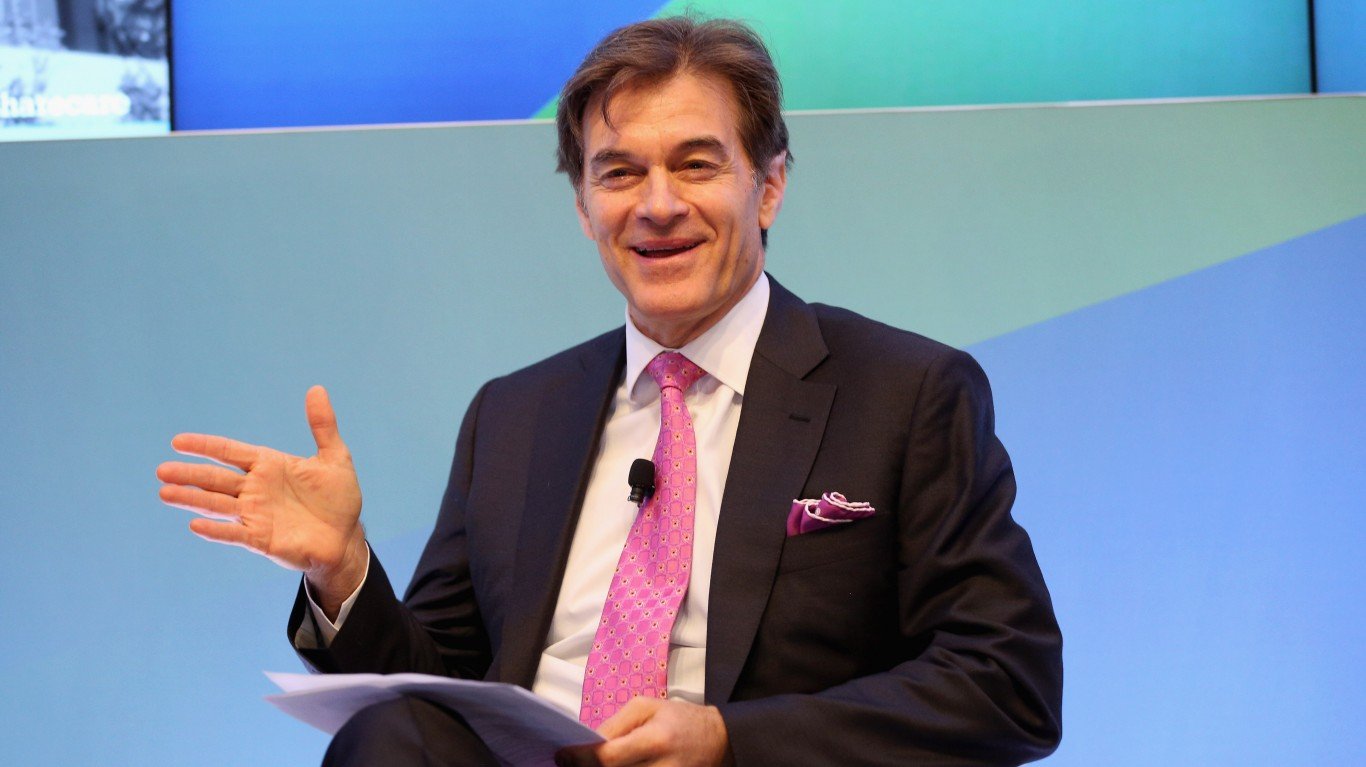
From a distinguished career at Presbyterian Hospital as a cardiac surgeon, inventor of the Mitra Clip for open-heart surgery, professor of surgery at Columbia University, TV show host and favorite of Oprah Winfrey to becoming the 17th US Administrator of the Centers for Medicare & Medicaid Services, Dr. Mehmet Oz has been in the public eye for most of his life.
The partisanship of politics could not be more blatant when one compares the praise Dr. Oz received when he was lauded by Oprah, Hollywood celebrities, and the mainstream media vs. the vitriol he encountered when he agreed to the Administrator post under President Trump. It’s an important position; Medicare & Medicaid policies combined ostensibly affect over 150 million people.
Dr. Oz recently came under fire when discussing the mental health initiative he had collaborated on with HHS Secretary Robert Kennedy, Jr. and about how improved health through better diets and other lifestyle habits would allow for less need for drugs and other treatments. When asked about how a number of new upgrades to the Medicare and Medicaid systems, including the use of AI, will be paid for, let alone be kept solvent, Oz mentioned that delaying retirement by just one year could cumulatively generate trillions in GDP annually to help cover that cost.
One Extra Year of Work Can Total $3 Trillion To The US Economy
The dual issues of US healthcare affordability and efficacy are of paramount importance to many Americans. HHS Secretary Kennedy has flipped the script on his predecessors’ protocols by taking a proactive, lead by example approach. Emphasizing pre-emptive measures towards maintaining health with a “lead by example” approach, he has taken on Big Pharma, the processed food industry, and a range of other special interests.
Dr. Oz has been coordinating with the Trump administration on the looming insolvency of Medicare and Medicaid, and of ways in which financial remediations don’t involve a profligate and politically divided Congress. In one of his speeches addressing these issues, Dr. Oz stated:
“Medicare doesn’t hit you until age 65, so they are retiring before they get Medicare benefits, before Social Security kicks in. If we could get the average American—because they feel healthy, they’re vital, they’re strong [and] have agency over their future—to start working a year earlier out of high school or work a year later before they retire … it would generate $3 trillion to the U.S. economy. That kind of productivity bump would more than remove the debt. The taxes on that $3 trillion would allow us to keep Medicare Part A solvent, to make a trust fund. It would allow us to make Social Security healthier”
The reactions from retirees, pundits, academics, economists, politicians and the media predictably spanned the gamut of political partisanship.
The Blowback

Some of the rebuttals emphasized the following points:
- Older workers are less productive; delaying hiring of younger workers to train hurts productivity.
- Statistics show that 54% retire due to employment reasons, while 31% do so over health reasons.
- Without incentives, a delay in retirement is unlikely for most workers.
- The $3 trillion in a single year figure is itself debatable, as age demographics for both high schoolers and retirees vary from year-to-year.
Dr. Oz’s Overlooked Facts

The cooperation between HHS and Centers for Medicare & Medicaid Services has emphasized focusing resources on working to prevent diseases rather than on treating them. This has manifest in initiatives like:
- The revised updated dietary guidelines that emphasize healthy foods and cutting SNAP payments for junk foods.
- Greater informational risk divulgence and safety protocols regarding vaccines, especially on newborns.
- A greater focus on exercise as part of a healthy lifestyle to promote longevity.
- Seniors who retire early often find themselves idle and missing the camaraderie of the workplace, leading to earlier onset of dementia and other mental health concerns.
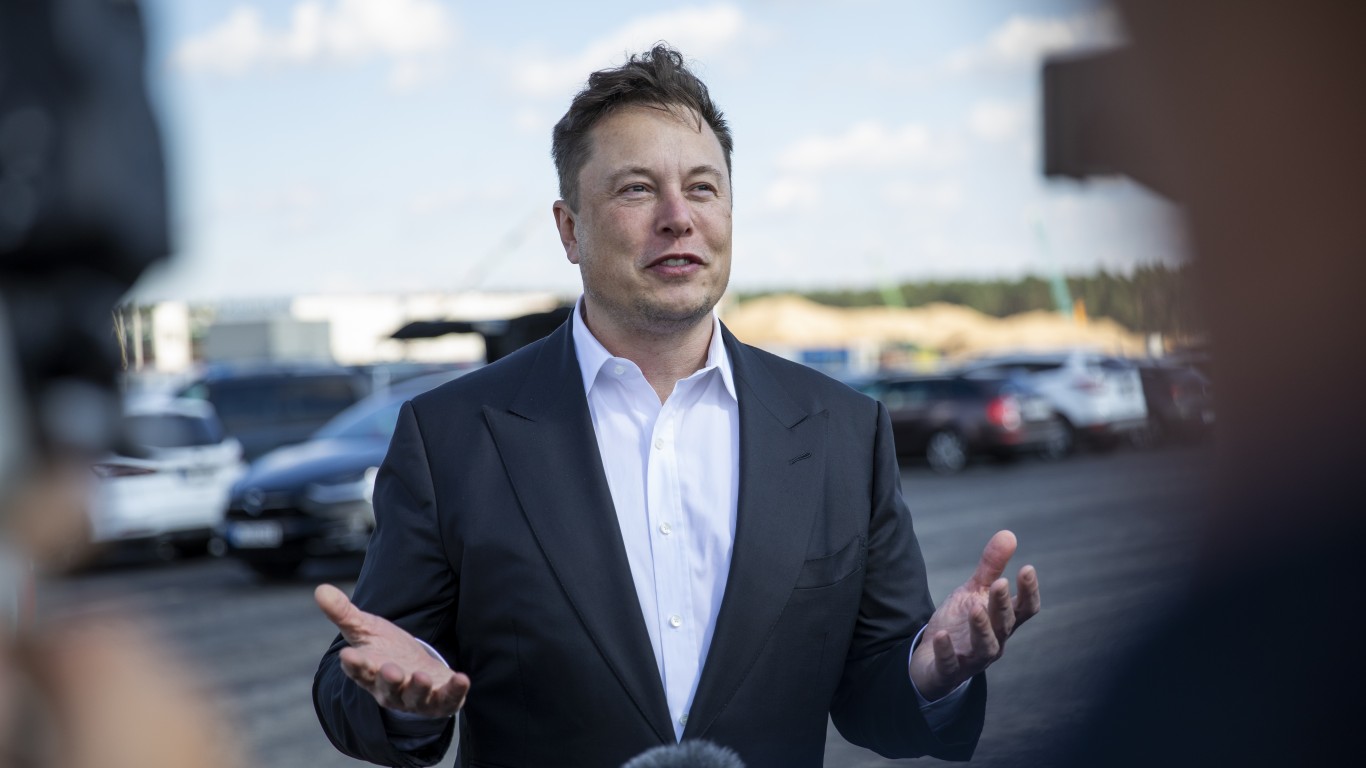
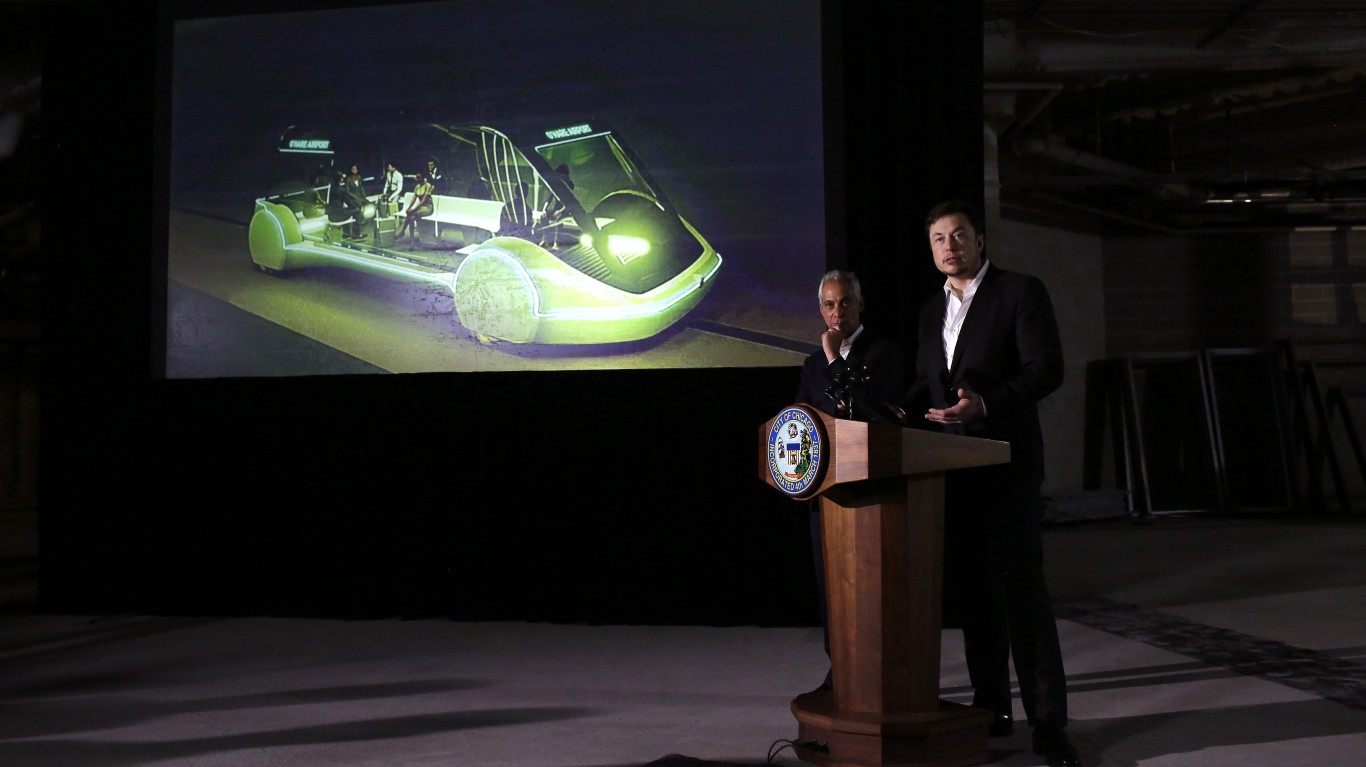
- Elon Musk believes that AI and robots will supercharge productivity so that there will be no need for retirement funds, and that AI will deliver better health care than anything available at present.
As for productivity, it appears that as of the most recent financial reports, nonfarm productivity grew at 4.9%, allowing businesses to increase output while keeping payrolls stable. The result: lower labor costs, better profits, lower inflation, and higher productivity. AI-powered efficiency is credited for the bulk of the productivity gains. Perhaps Dr. Oz and Elon Musk were aware of this before their statements, but in either case, Dr. Oz may be correct. With AI taking on more workloads, delaying retirement for an extra year for many may be an easy accomplishment.
Contact [email protected] for any questions or corrections.
After 15 years on Wall Street with 7 of them as Director of Corporate and Municipal Bond Trading for a NYSE member firm, I started my own project and corporate finance consultancy. Much of the work involves writing business plans, presentations, white papers and marketing materials for companies seeking budgetary allocations for spinoffs and new initiatives or for raising capital for expansion or startup companies and entrepreneurs. On financial topics, I have been published under my own byline at The Motley Fool, 247wallst.com, DealFlow Events’ Healthcare Services Investment Newsletter and The Microcap Newsletter, among others. Additionally, I have done freelance ghostwriting writing and editing for several financial websites, such as Seeking Alpha and Shmoop Financial. I have also written and been published on a variety of other topics from music, audiophile sound and film to musical instrument history, martial arts, and current events. Publications include Copper Magazine, Fidelity (Germany), Blasting News, Inside Kung-Fu, and other periodicals.