




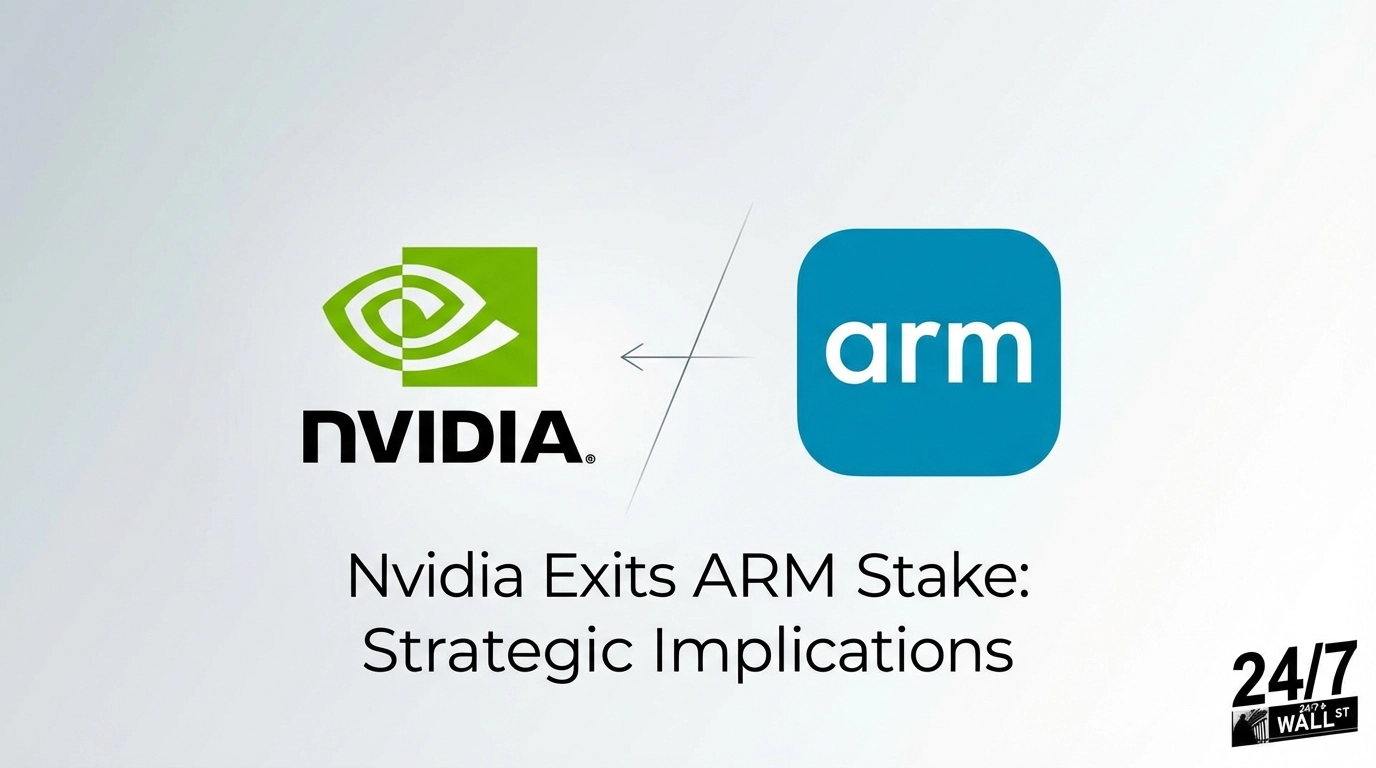
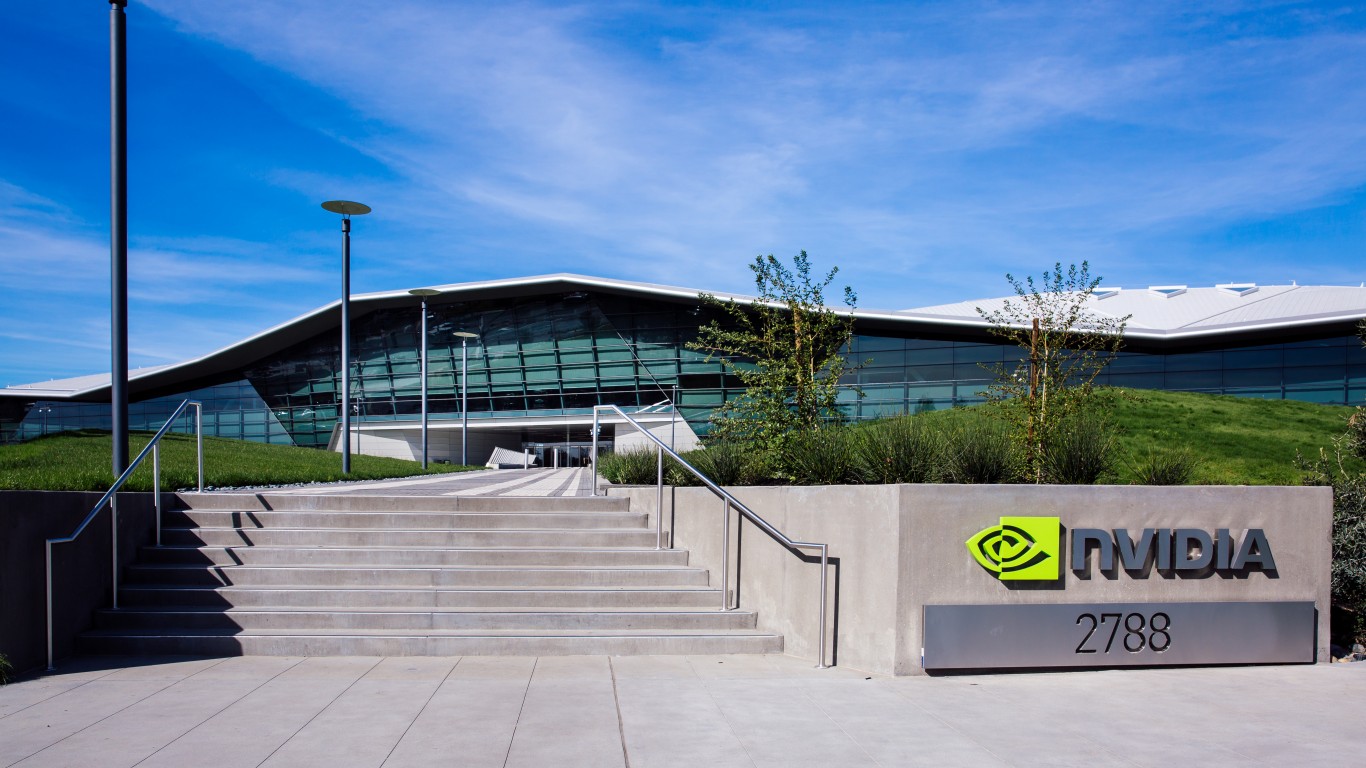
Nvidia (NASDAQ:NVDA | NVDA Price Prediction) has quietly exited its stake in ARM Holdings (NASDAQ:ARM). For two companies deeply intertwined in the AI chip ecosystem, Nvidia designs on ARM architecture, ARM powers everything from smartphones to AI chips, this exit raises some interesting questions. It wasn’t long ago NVIDIA tried to buy ARM, and now it’s exiting its position in the company.
The Failed Acquisition That Started It All
Nvidia attempted to acquire ARM for $40 billion in 2020, a deal that collapsed in 2022 under regulatory pressure from the U.S., U.K., and EU, who feared Nvidia would gain too much control over the ARM architecture powering nearly every smartphone and a growing share of data center chips.
ARM went public in September 2023 in one of the most anticipated chip IPOs. Nvidia’s retained minority stake was always more about goodwill than returns. The Grace CPU and Grace Hopper Superchip both rely on ARM architecture, making the relationship technically symbiotic even without equity ownership. The 1.1 million shares Nvidia sold were valued at roughly $140 million, a rounding error for a company with a $4.58 trillion market cap.
Why Nvidia Is Selling Now
NVIDIA has been focusing more on larger investments. The company has made more significant investments into CoreWeave, Intel, Nebius, and Synopsys.
NVIDIA’s stake in Synopsys was for $2 billion, its stake in Intel was worth $5 billion, and it invested $2 billion in CoreWeave in late January. Its investment in ARM was minor relative to these recent investments. NVIDIA sold $140 million worth of ARM stock, and it had originally invested alongside Apple, Google, Samsung, and TSMC. The combined investment was worth about $735 million.
Put simply, NVIDIA’s focus appears to be shifting to larger investments into partners. CoreWeave and Nebius are both neoclouds, NVIDIA will partner with Intel on limited production that could scale, and Synopsys is one of NVIDIA’s most important software vendors.
A small investment into ARM no longer fits into what the company is trying to achieve with its investment portfolio.
What It Means for ARM
ARM delivered a record $1.24 billion in revenue in Q3, up 26% year over year, with royalty revenue hitting $737 million. CEO Rene Haas said, “Arm delivered a record revenue quarter as demand for AI computing on our platform continues to accelerate.” ARM’s Compute Subsystem products are expanding beyond mobile into data centers, where the company expects to capture nearly 50% of CPUs deployed by top hyperscalers in 2026.
But the valuation remains stretched. Analysts have a $147.83 price target against a current price of $126.93, and a forward P/E of 56x leaves little room for error. SoftBank remains the dominant shareholder, and Nvidia’s exit could create mild overhang.
ARM’s royalty model ensures it benefits from the AI chip boom regardless of market share shifts amongst customers, but the company needs to prove it can convert licensing momentum into margin expansion. Net income fell 12% in Q3 despite revenue growth.
It’s widely expected that CPUs are going to see massive growth in 2026 thanks to the emergence of agents. How much ARM will benefit from this boom remains an open question.
Adjusted EPS is expected to grow only 7% this year. Yet, Wall Street is predicting 23% growth in Fiscal 2027, which begins in April. From there, earnings are expected to soar to $4.47 by 2030. That’s the reason ARM commands such a premium multiple. The opportunity is there, but recent results have been surprisingly disappointing.
The Technical Relationship Remains Intact
Nvidia will continue using ARM architecture. The Grace CPU and Grace Hopper Superchip are both ARM-based, and those designs aren’t changing.
Business relationships are contractual; equity ownership is separate. ARM’s licensing model means Nvidia pays for the architecture it uses, and that dynamic doesn’t shift because Nvidia no longer holds shares. This sale doesn’t change the big picture for ARM investors across the next year: there’s a boom coming in CPUs, and how much ARM will cash in on it remains the open question.









 Top Gaining Stocks
 Top Losing Stocks
