The BOAT ETF Is Destroying the S&P 500, And Everyone Misses It
Most investors have no direct way to access global shipping stocks — a sector that moves the vast majority of world trade by volume yet rarely appears in standard index funds. SonicShares Global Shipping ETF (NYSEARCA:BOAT) was built to fill…


Most investors have no direct way to access global shipping stocks — a sector that moves the vast majority of world trade by volume yet rarely appears in standard index funds. SonicShares Global Shipping ETF (NYSEARCA:BOAT) was built to fill that gap, offering targeted exposure to the companies whose vessels carry oil, containers, and bulk commodities across the world’s oceans.
What BOAT Is Designed to Do
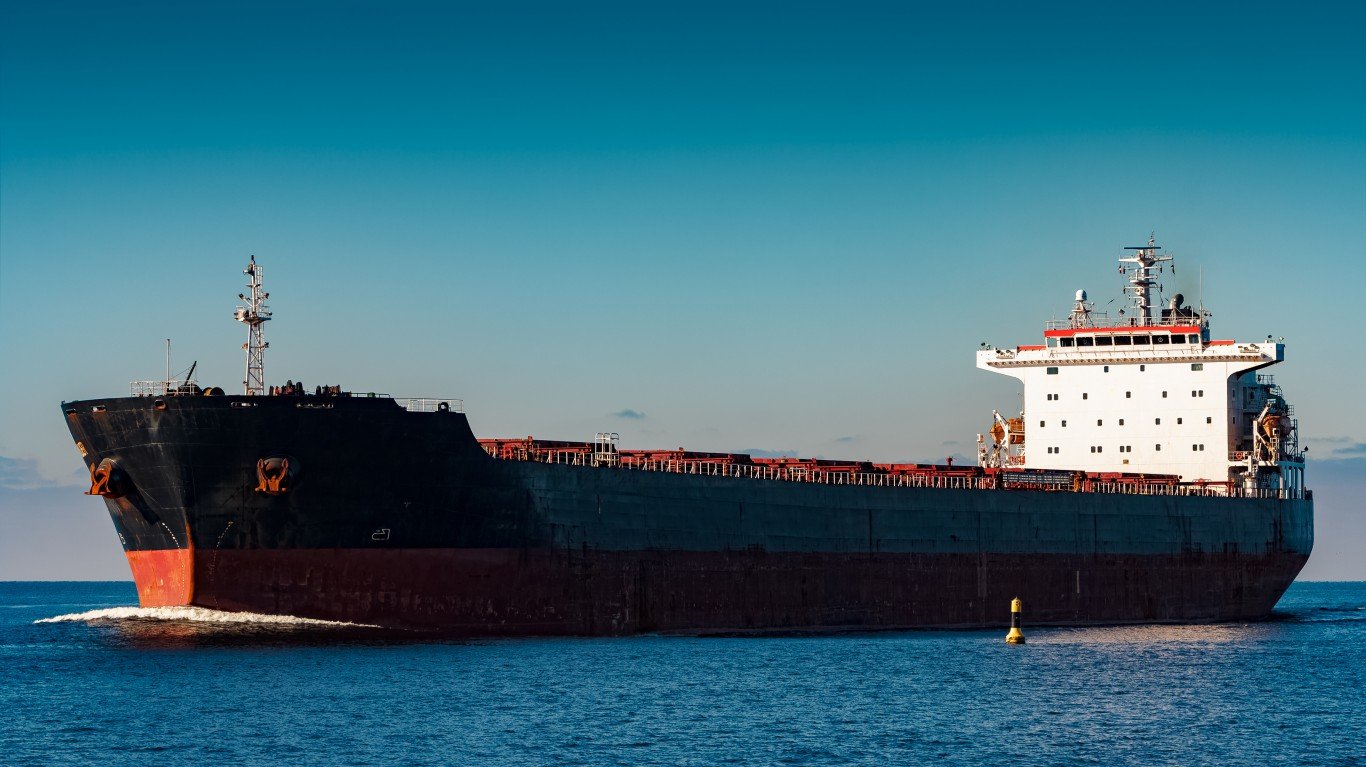
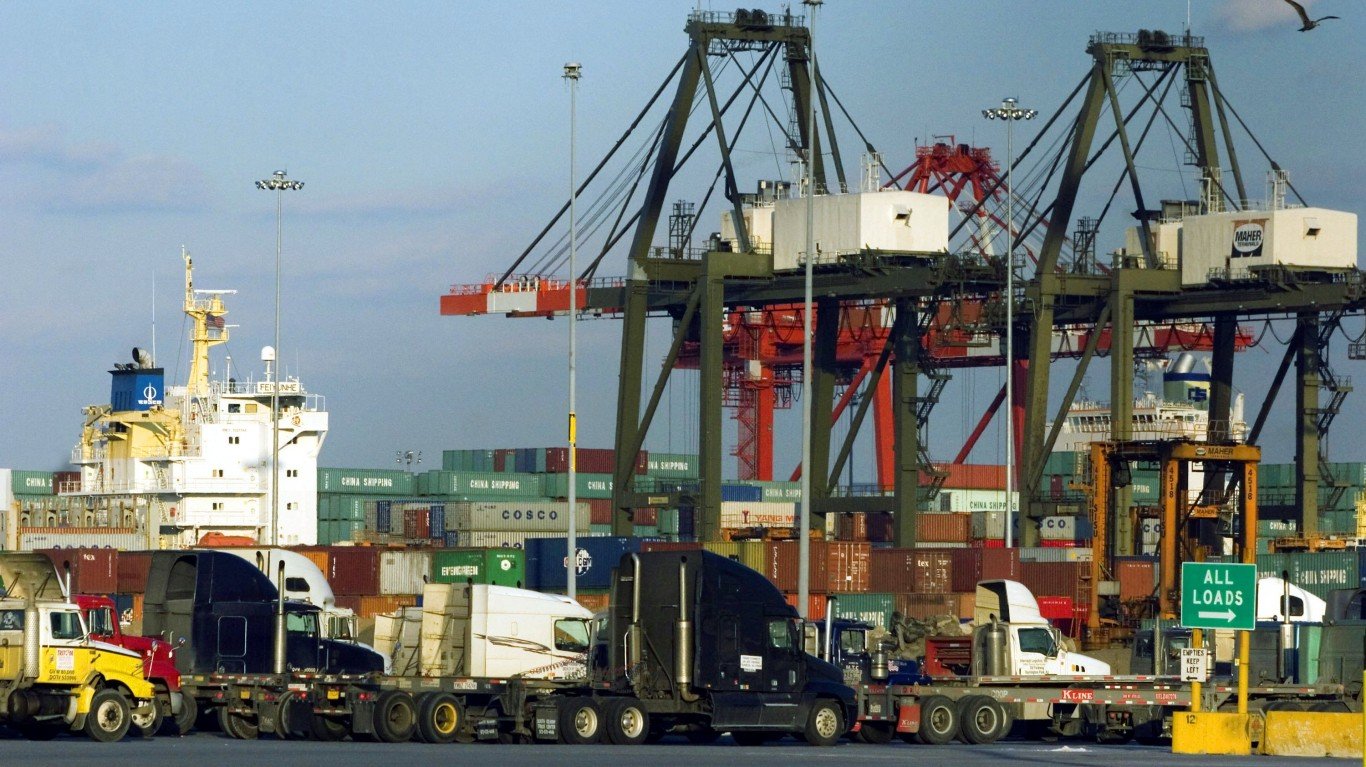
BOAT functions as a pure-play thematic ETF, concentrating almost entirely in maritime shipping equities across every major vessel category. The portfolio spans container shipping, tanker shipping, bulk carriers, and specialty carriers including car carriers and chemical tankers. The return engine is straightforward: shipping companies earn revenue from freight rates, which fluctuate with global trade volumes, fleet supply, and commodity demand. When trade is strong and vessel supply is tight, rates surge and profits follow. BOAT’s 4.32% dividend yield reflects the capital-intensive, cash-generative nature of these businesses, which tend to distribute earnings aggressively during up-cycles.
Does It Deliver?
BOAT’s performance has been striking. Over the past year, the fund returned 68.62% compared to 17.25% for SPY — a gap driven by surging freight rates and strong demand across container and tanker markets. That outperformance reflects the fund doing exactly what it was designed to do: capture the upside of a strong shipping cycle. Since its August 2021 inception, BOAT has compounded into one of the stronger thematic ETF track records in the market, with 2026 momentum adding another 32.78% year-to-date — though that record was built during a historically favorable cycle, making full-cycle durability the more important question going forward.
The Tradeoffs
Shipping is one of the most cyclical industries on earth. Freight rates can collapse as quickly as they rise, and BOAT’s concentrated, single-sector structure means there is no buffer when the cycle turns. The fund holds over 45 positions across multiple countries, but geographic diversification does not reduce sector risk — when global trade contracts, nearly every holding moves together.
The income story also requires context. BOAT’s 4.32% dividend yield looks attractive relative to the 10-year Treasury yield of 4.02%, but shipping dividends are notoriously variable. Many companies in the fund pay variable distributions tied to earnings rather than fixed payouts, meaning income can shrink dramatically during a freight rate downturn. The 0.69% expense ratio is reasonable for a specialized thematic ETF, but it compounds over time against a dividend yield that may not always clear 4%.
Contact [email protected] for any questions or corrections.
I am a long time investor and student of business, and believe finding good companies that can become great investments is the best game on earth. After 20 years of writing and researching the public markets it is clear that individuals have never had more tools and information to take control of their financial lives. From ETFs and $0 commissions to cryptos and prediction markets there has never been a greater democratization of access to investing.
I write to help people understand the investments available to them so they can make the best choice for their portfolio, whether they're starting out or looking for income in retirement.