Elon’s Big Idea Could Pop The Data Center Bubble
While Elon Musk has his fans and detractors, it’s safe to say that both camps would have to agree that, if nothing else, Musk is definitely someone who thinks outside-the-box. His announcement in February that he was making plans to…

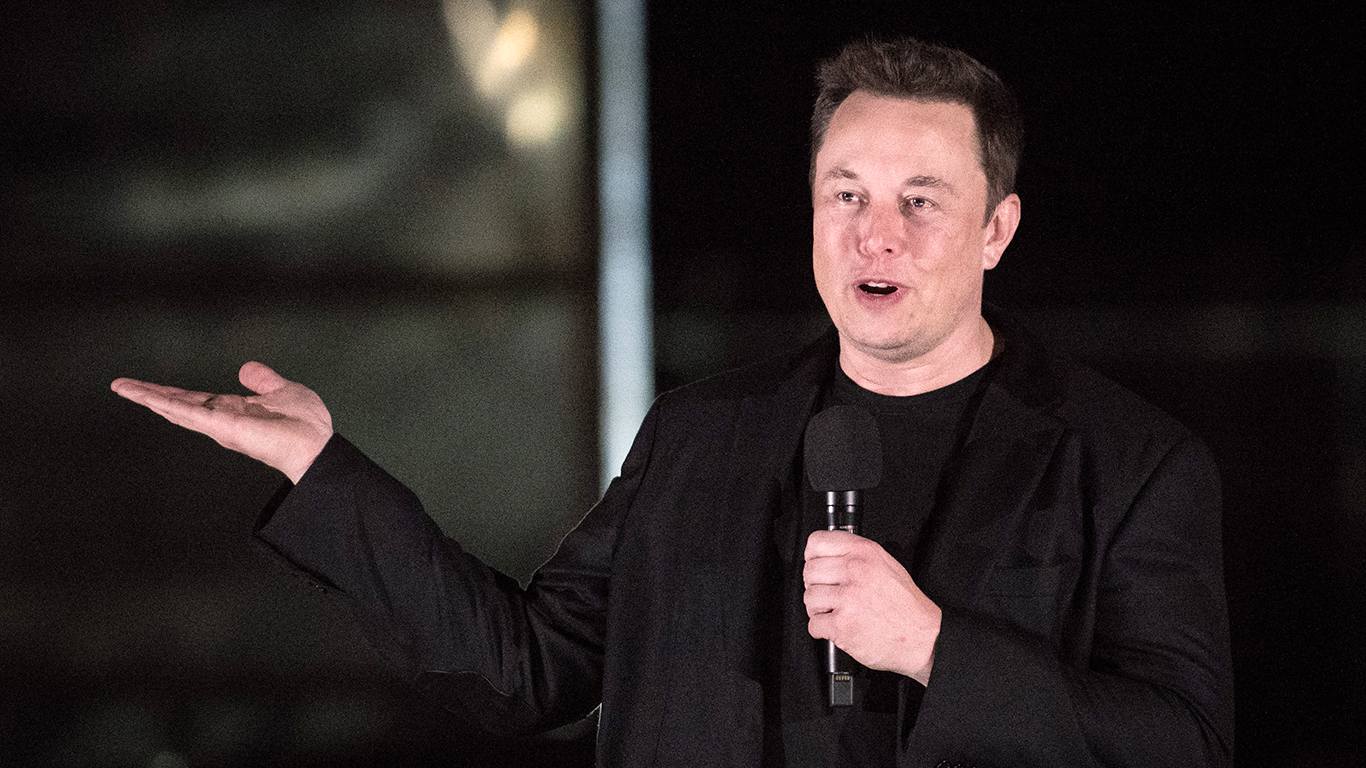
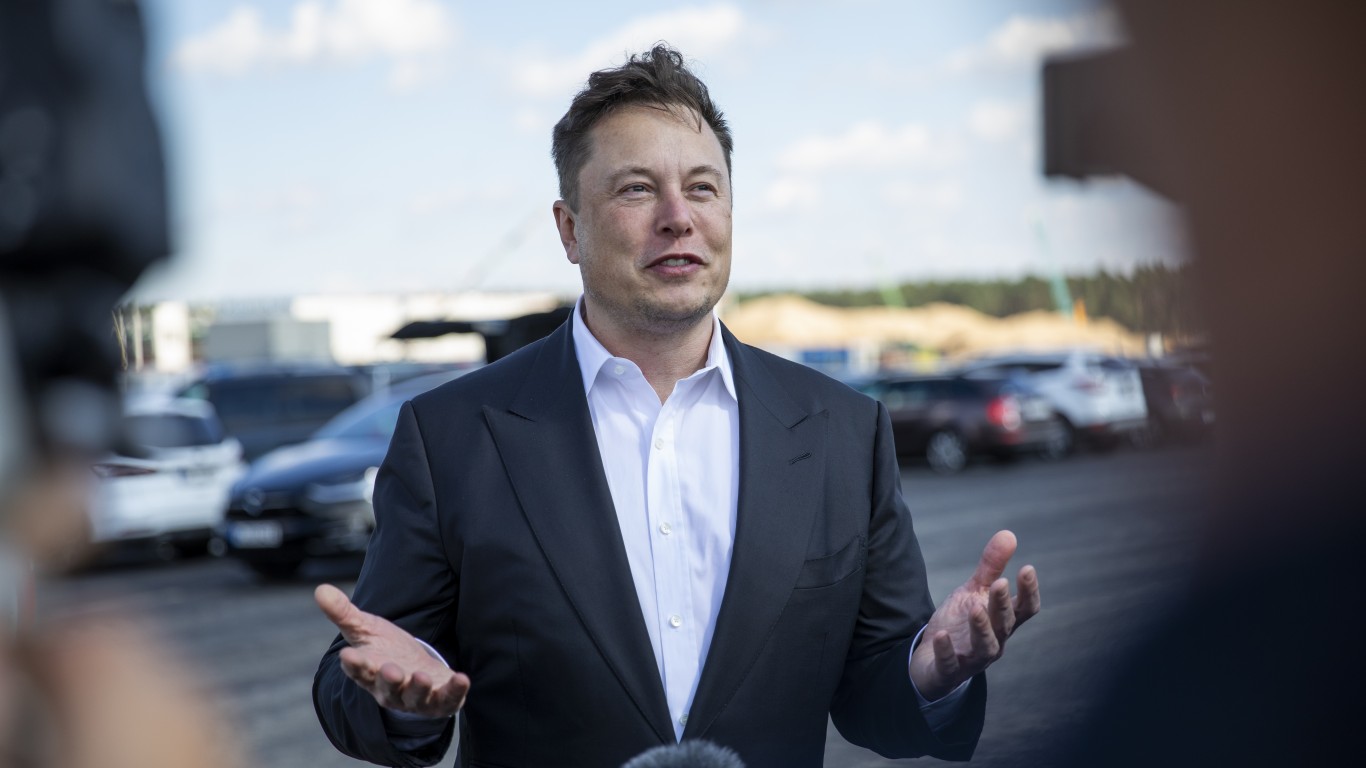
While Elon Musk has his fans and detractors, it’s safe to say that both camps would have to agree that, if nothing else, Musk is definitely someone who thinks outside-the-box. His announcement in February that he was making plans to move A.I. data centers into space within 30 months met with a range of reactions. While there were some who saw it as an extension of Musk’s successful ventures with SpaceX, Starlink, Tesla, X, and most recently, Optimus, others, like OpenAI CEO Sam Altman, called it “ridiculous”.
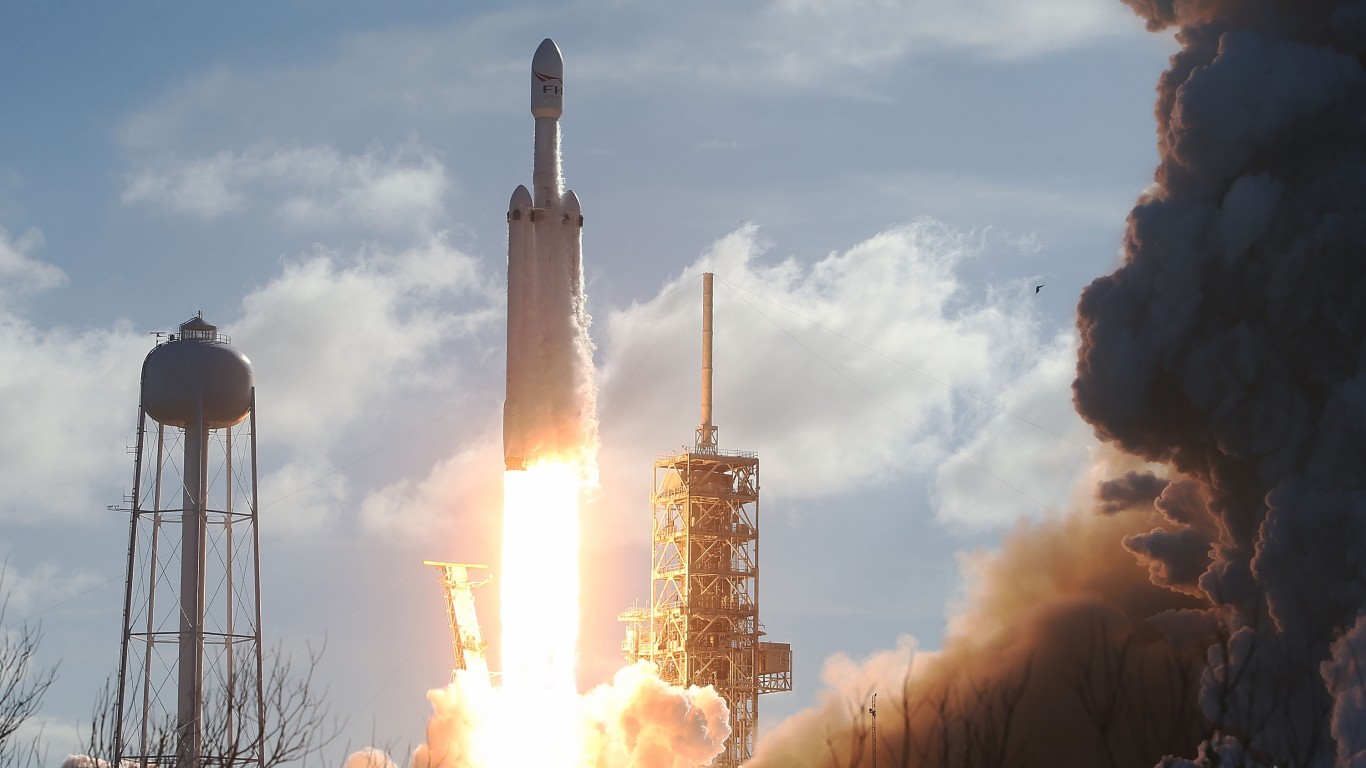
It’s no secret that this undertaking would be wholly dependent on Musk’s SpaceX, which is anticipated to announce its IPO sometime in 2026. Some analysts predict SpaceX’s IPO valuation could potentially go anywhere from $80 billion to $1 trillion. Given that private shares are already held by Tesla (NASDAQ: TSLA | TSLA Price Prediction), Alphabet (NASDAQ: GOOG), EchoStar (NASDAQ: SATS), Fidelity, Bank of America, and numerous other institutions, any indication of successful deployment could create a virtual monopoly for SpaceX and send its stock into the stratosphere.
Data Centers in Space
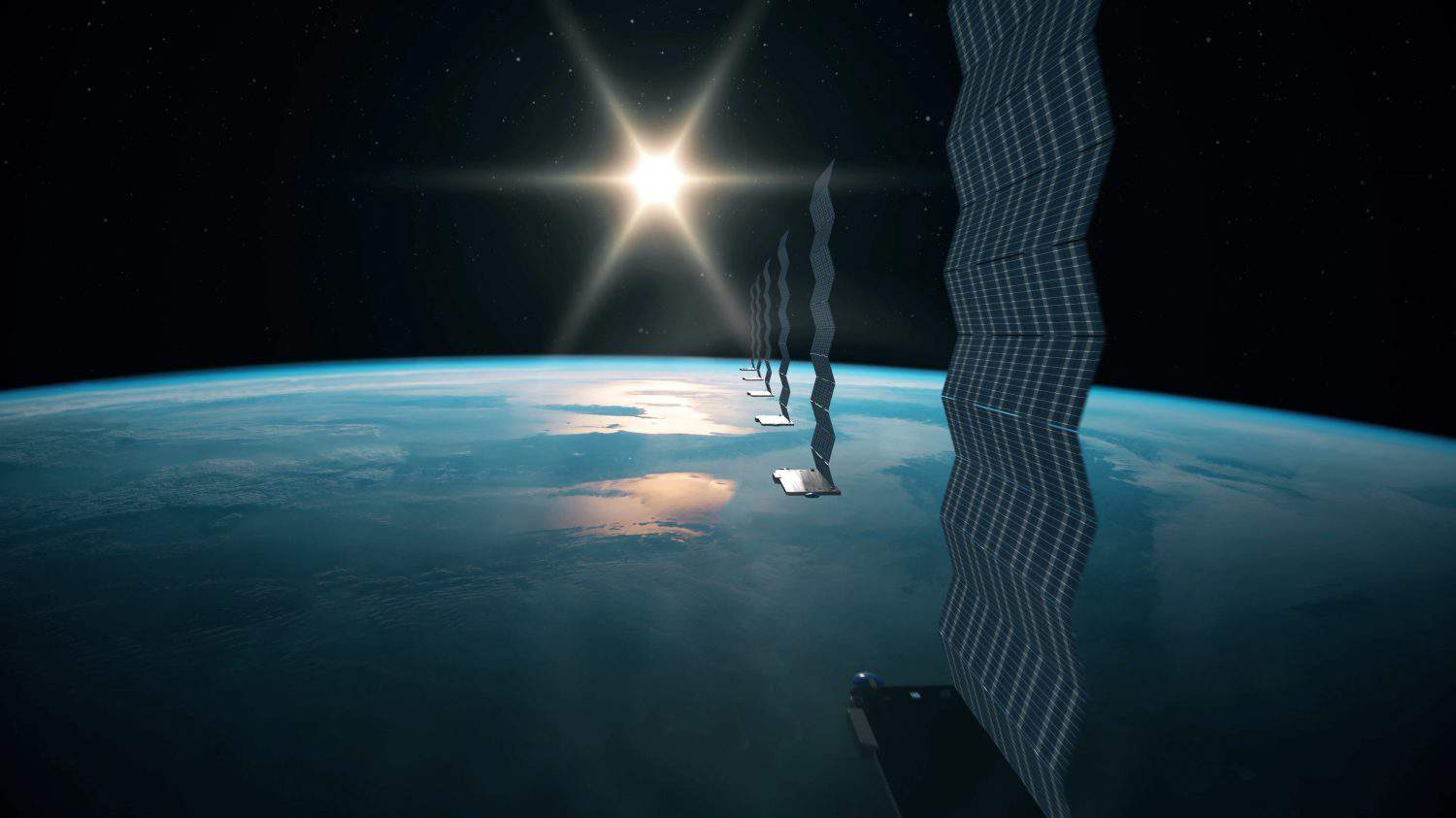
Musk’s rationale for sending A.I. data centers into space is premised on the following:
- The data centers would be powered by solar energy.
- The cold of space would help to prevent overheating, which is a common corruptor of stored data.
- Data centers in space solve the problems of land acquisitions and usage, environmental hazards, power grid disruption for local populations, and water needs for cooling the systems.
- Transmission of data via Starlink would obviate the need for hardwire cabled connections.
- Security in space would be tighter than earthbound transmission and storage systems.
- Developing Optimus robots to the point of them being able to execute maintenance and operational functions would address the need for on-site repair duties.
- SpaceX’s proven ability to launch over 10,000 Starlink satellites satisfies the logistical placement issues.
Arguments Against Data Centers in Space
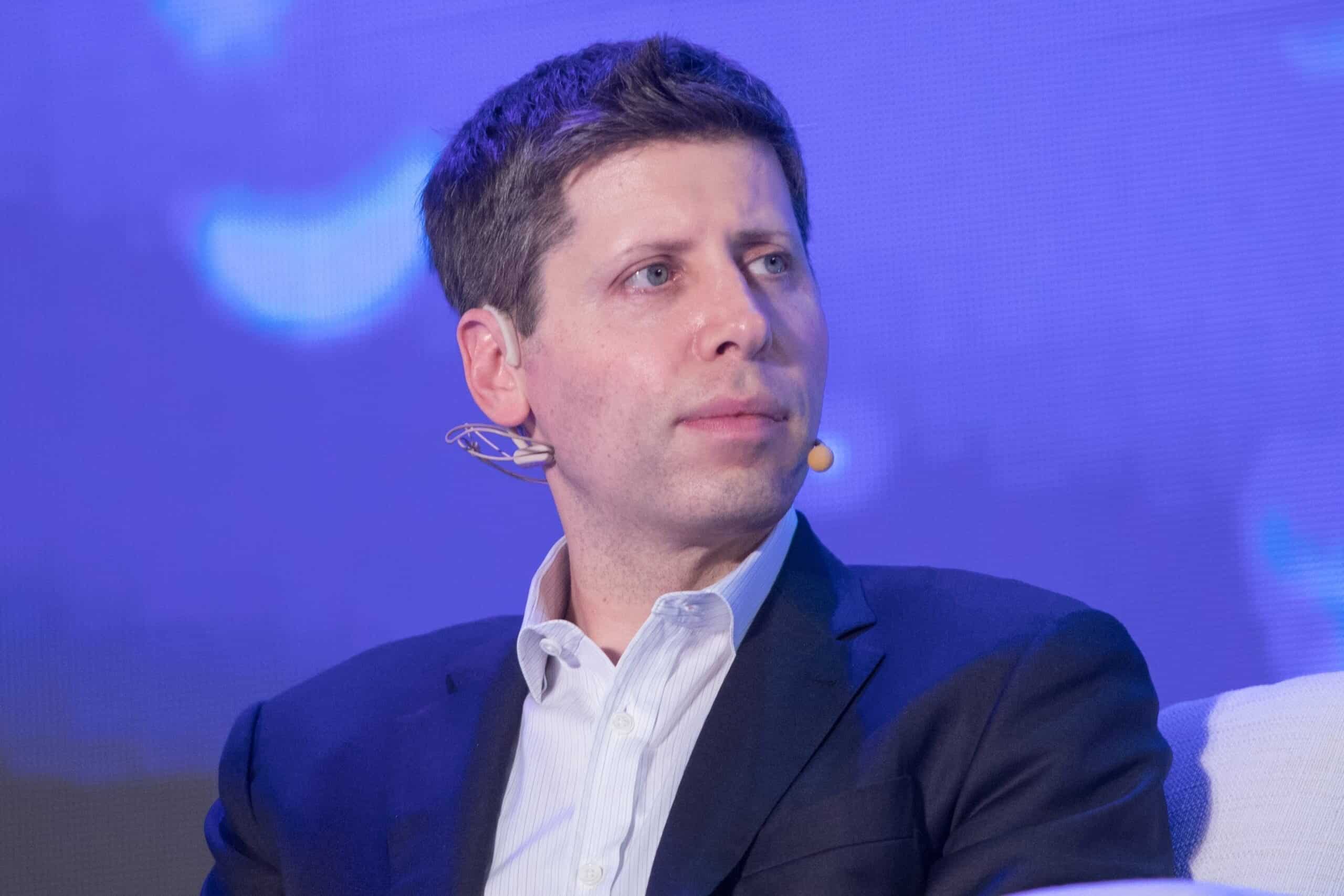
- Sam Altman pointed out that outer space data centers would have to deal with high launch costs, operational obstacles, and maintenance challenges, like how to fix a broken or damaged component while the data center is in orbit.
- Jermaine Gutierrez of the European Space Policy Institute mentioned that the Stefan-Boltzman law regarding heat radiation would make cooling in space a challenge as thermal management systems without fluids could dwarf the data centers themselves.
- Radiation damage in space can limit data center components’ lifespans to under five years.
- Unless fuel costs or other expenses can significantly come down from present levels, space data centers are likely too prohibitively expensive to be profitable for possibly over a decade or more.
The Risk of Space A.I. Data Centers Creating A Control Oligarchy

The US Cloud Act already gives the US government the power to force companies to shut off services to Europe or elsewhere and compel US-based servers to disclose data under warrant, regardless of geographical location. China already exercises unilateral control over cloud computing and internet access within its purview.
Some fear that space-based data centers will exacerbate this access control even further, leaving Europe and the rest of the world at the mercy of the US and China for their proprietary data if stored in space. The dominance of the earthbound Amazon AWS and Alphabet Google Cloud already skew the market in favor of the US.
However, Musk is apparently not the only one thinking of data centers in outer space: Alphabet CEO Sundar Pichai disclosed on a Fox News interview that the Google “Project Suncatcher” included plans to put solar powered data centers into outer space as early as 2027.
Contact [email protected] for any questions or corrections.
After 15 years on Wall Street with 7 of them as Director of Corporate and Municipal Bond Trading for a NYSE member firm, I started my own project and corporate finance consultancy. Much of the work involves writing business plans, presentations, white papers and marketing materials for companies seeking budgetary allocations for spinoffs and new initiatives or for raising capital for expansion or startup companies and entrepreneurs. On financial topics, I have been published under my own byline at The Motley Fool, 247wallst.com, DealFlow Events’ Healthcare Services Investment Newsletter and The Microcap Newsletter, among others. Additionally, I have done freelance ghostwriting writing and editing for several financial websites, such as Seeking Alpha and Shmoop Financial. I have also written and been published on a variety of other topics from music, audiophile sound and film to musical instrument history, martial arts, and current events. Publications include Copper Magazine, Fidelity (Germany), Blasting News, Inside Kung-Fu, and other periodicals.