Ford Has Run Out Of Places To Go
There are many regions worldwide where cars can be sold. However, without success in China, the EU, and the US, global automotive companies get painted into a corner. Ford’s (NYSE: F) US sales often rank third behind (NYSE: GM |…


There are many regions worldwide where cars can be sold. However, without success in China, the EU, and the US, global automotive companies get painted into a corner. Ford’s (NYSE: F) US sales often rank third behind (NYSE: GM | GM Price Prediction) and Toyota (NYSE: TM). Ford makes money in China, but exports are critical to its profit there. Sales inside China have weakened.
The world has gotten smaller still for Ford. EU sales (registrations) in the first two months of this year fell 21.5% to 41,039. No other global manufacturer posted a drop as severe as that. Given how crowded the market is across the countries in the region, it is impossible to see how Ford can regain its footing.
Most of the truly global car companies do better than Ford in the EU. In the first two months of the year, Kia registered 60,004 units. Hyundai’s figure dropped 16%, but it still posted registrations of 55,570. Toyota, which has bested Ford in the US, posted registrations of 117,510, off by 6.5%. However, that puts its number at almost three times Ford’s.
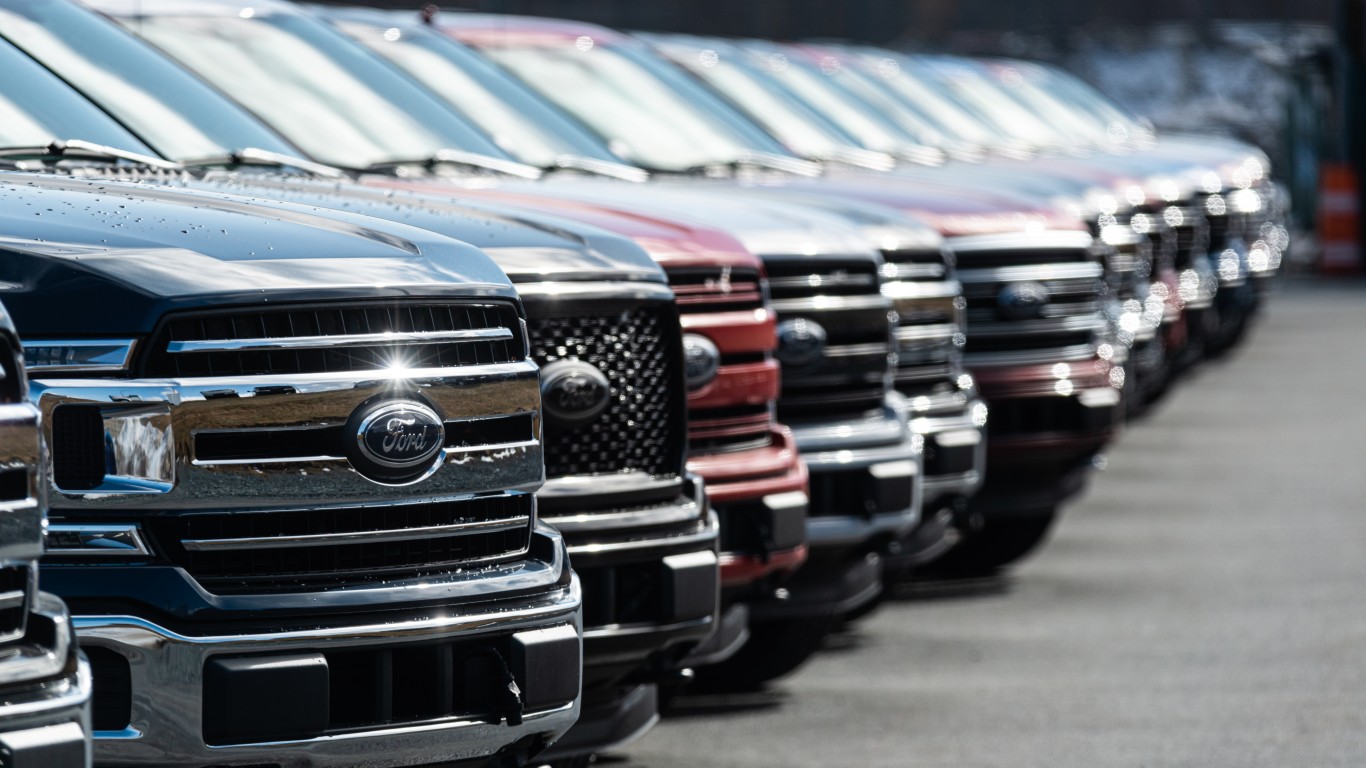
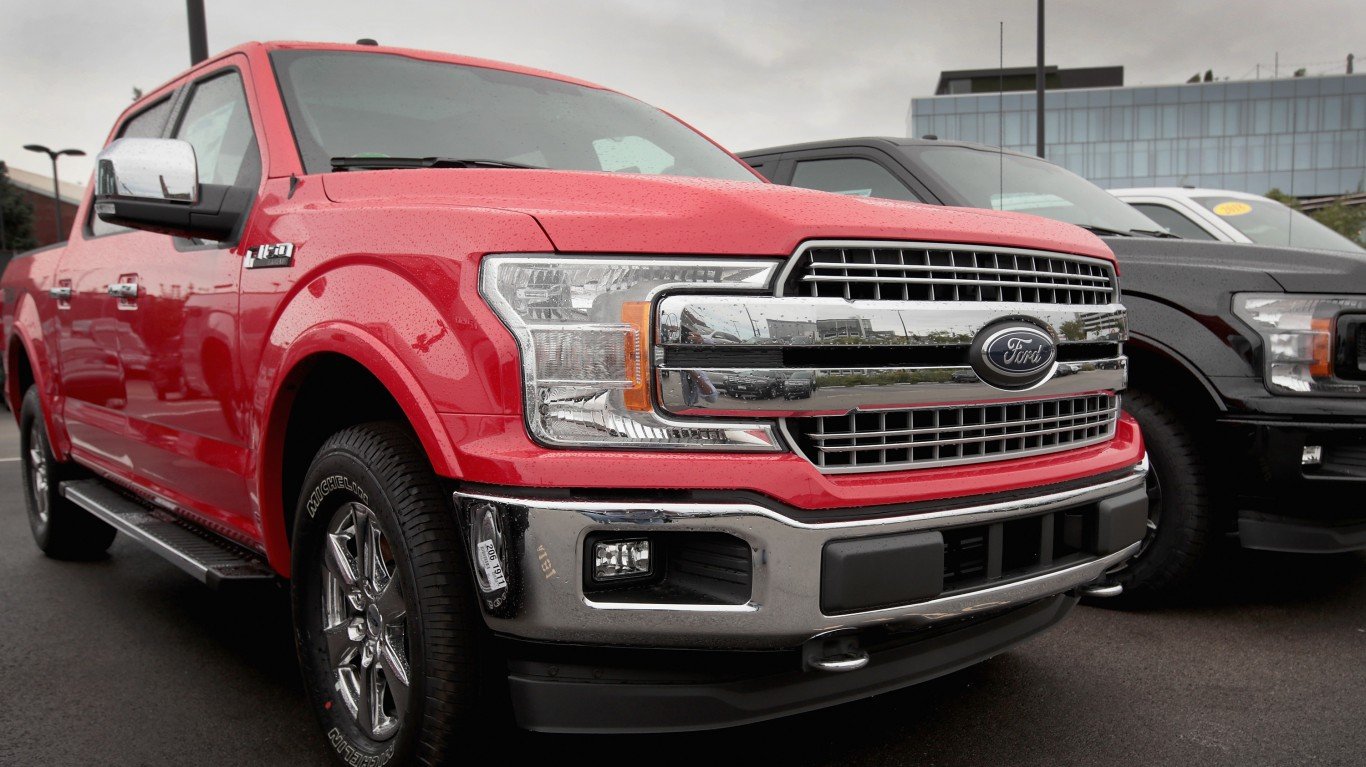
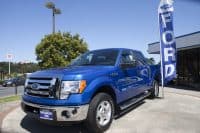
Ford has been pushed onto an island, which is its home market. Its US sales rose 6% to 2,204,124 in 2025. It owns the critical full-size pickup market. Its F-Series pick-ups sold 828,832 units, up 8.3% from 2024.
Ford’s fate as a company depends primarily on one thing. The US government has 100% tariffs on Chinese EV imports. And that could stay in place indefinitely. Depending on who is counting, China has provided over $3 billion in financial support to BYD, the country’s largest EV company. Across the entire Chinese EV industry, the investment is larger than that. A very reasonable argument is that the US should not let its car industry be crippled by Chinese companies that were given such a large amount of financial help.
For the sake of Ford, China EV tariffs will last for years. Ford has not yet demonstrated that it can be as effective as it works to expand its global sales footprint. At least today, because of tariffs, it has some time.
Contact [email protected] for any questions or corrections.
Douglas A. McIntyre is the co-founder, chief executive officer and editor in chief of 24/7 Wall St. and 24/7 Tempo. He has held these jobs since 2006.
McIntyre has written thousands of articles for 24/7 Wall St. He is an expert on corporate finance, the automotive industry, media companies and international finance. He has edited articles on national demographics, sports, personal income and travel.
His work has been quoted or mentioned in The New York Times, The Wall Street Journal, Los Angeles Times, The Washington Post, NBC News, Time, The New Yorker, HuffPost USA Today, Business Insider, Yahoo, AOL, MarketWatch, The Atlantic, Bloomberg, New York Post, Chicago Tribune, Forbes, The Guardian and many other major publications. McIntyre has been a guest on CNBC, the BBC and television and radio stations across the country.
A magna cum laude graduate of Harvard College, McIntyre also was president of The Harvard Advocate. Founded in 1866, the Advocate is the oldest college publication in the United States.
TheStreet.com, Comps.com and Edgar Online are some of the public companies for which McIntyre served on the board of directors. He was a Vicinity Corporation board member when the company was sold to Microsoft in 2002. He served on the audit committees of some of these companies.
McIntyre has been the CEO of FutureSource, a provider of trading terminals and news to commodities and futures traders. He was president of Switchboard, the online phone directory company. He served as chairman and CEO of On2 Technologies, the video compression company that provided video compression software for Adobe’s Flash. Google bought On2 in 2009.