Hybrids now account for 1 in 5 U.S. vehicle sales as market shifts
“Hybrids now are almost one out of every five vehicles that were sold in the United States in the fourth quarter.” That single data point reshapes how you should think about the U.S. auto market right now and which companies…

“Hybrids now are almost one out of every five vehicles that were sold in the United States in the fourth quarter.” That single data point reshapes how you should think about the U.S. auto market right now and which companies are positioned to benefit from it.
The shift has been rapid. Hybrid market share surged from roughly 11-12% to 19.7% year over year in Q4, according to Cox Automotive data. Meanwhile, EV growth has shown little meaningful momentum, and the overall sales rate tells a more cautious story: Q1 2026 is running at 15.6 million units, with March coming in slightly better at 15.8 million. Solid, but below earlier expectations. Q4 2025 topped 16 million units, the best since around 2018.
Consumers are also trading down in vehicle size. Buyers are shifting from full-size vehicles toward mid-size alternatives, driven by pricing and fuel economy concerns. With WTI crude sitting at $64.51 per barrel in February 2026 — well below the 2022 peak but still elevated enough to make mpg matter at the dealership — hybrids offer a practical hedge that pure ICE vehicles simply can’t match.
Toyota: Built for This Moment
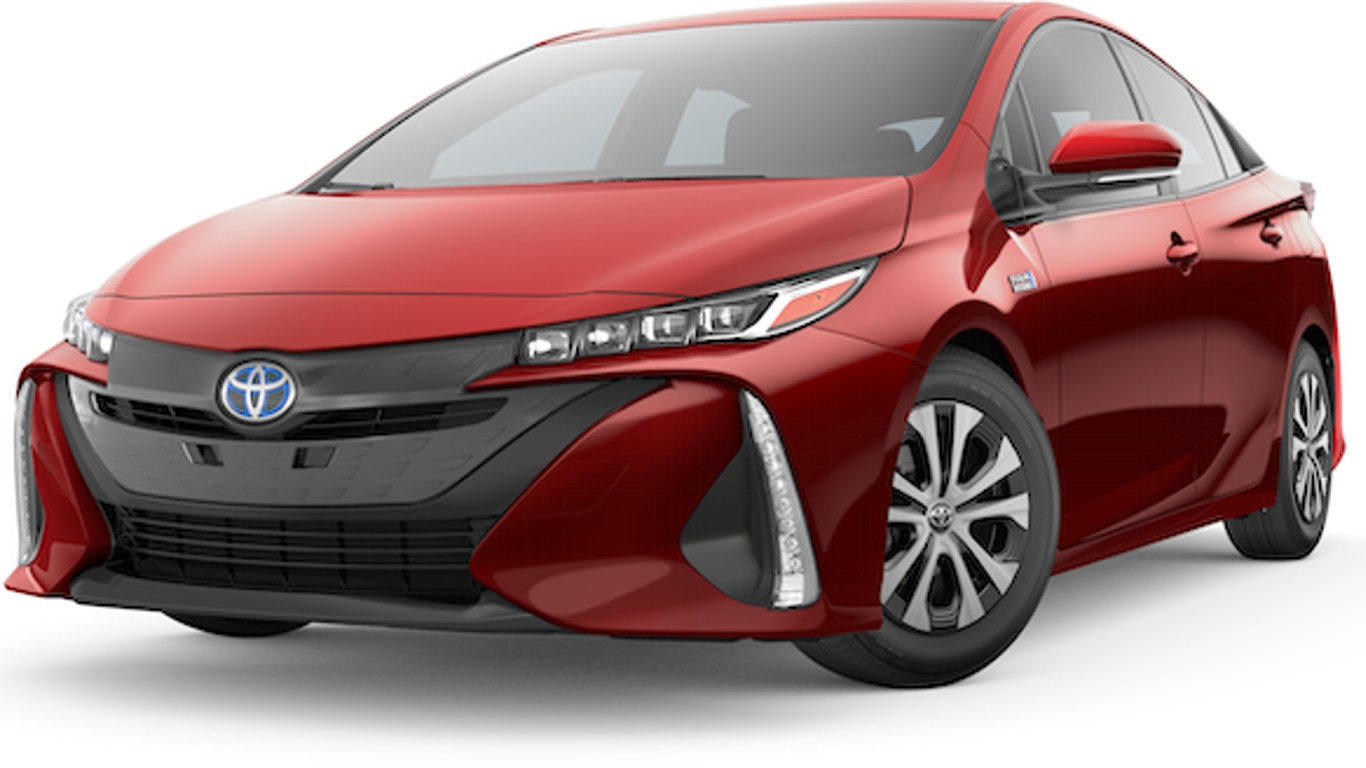
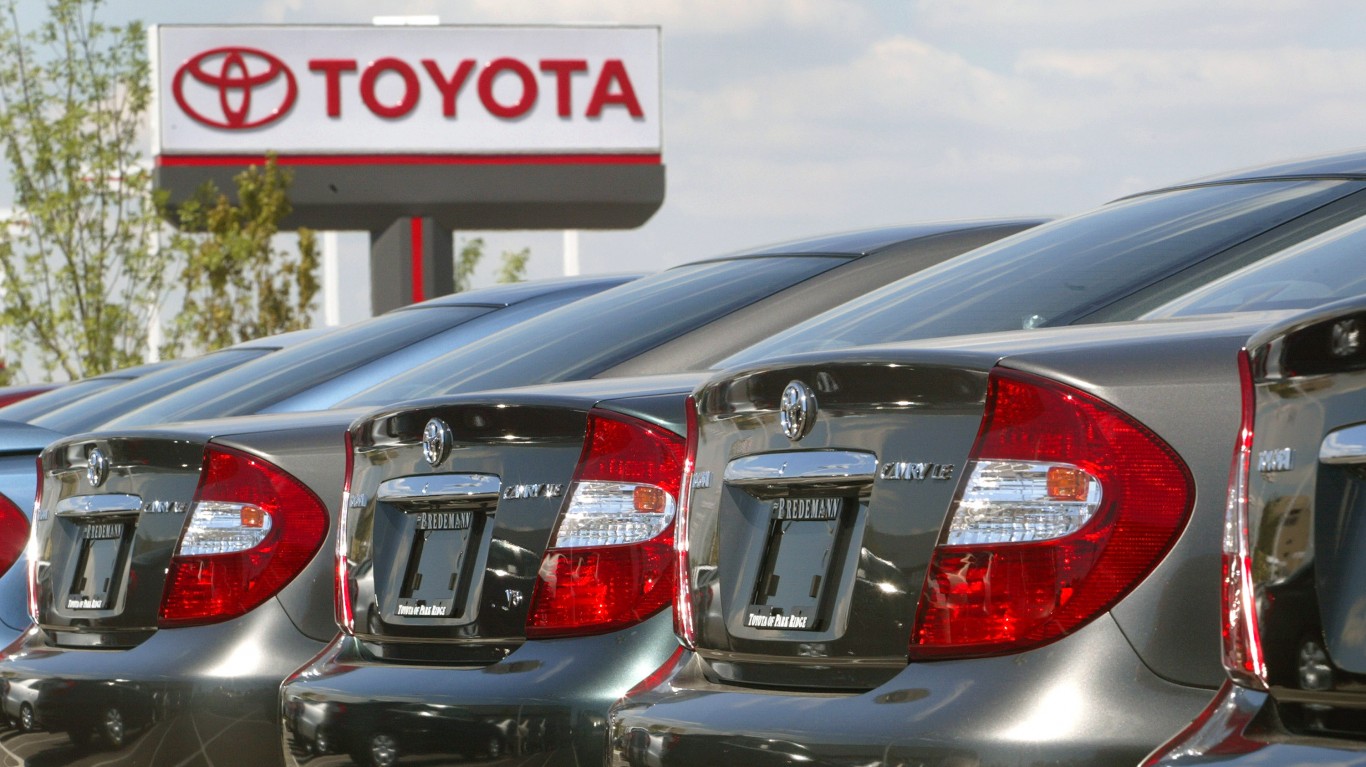
Toyota (NYSE:TM | TM Price Prediction) has been preparing for this moment since 1997. The Prius was a 30-year bet that hybrid technology would eventually become mainstream. That bet is paying off. Electrified vehicles now represent 46.9% of Toyota’s retail sales, and the company forecasts electrified vehicles reaching 49.8% of total sales in fiscal 2026, with 4.7 million hybrids expected. Inventory turnover on core hybrid models is running at five days — that signals a genuine shortage.
Ford: The ICE Boom That Wasn’t
Ford Motor Company (NYSE:F) has real hybrid assets. The F-150 and Maverick were the two best-selling hybrid pickup trucks in the U.S. — a genuine competitive advantage. But Ford’s EV losses continue to drag: the Model e segment posted a full-year EBIT loss of $4.81 billion. The stock is down 8.8% year to date.
GM: Finding Its Footing
General Motors (NYSE:GM) absorbed over $7.2 billion in special charges from EV capacity realignment and is now cutting capital expenditures aggressively. The Trump-era tailwind for ICE-focused automakers has failed to appear over the last three months. GM’s forward guidance of $11.00-$13.00 EPS for 2026 looks credible given a forward P/E of roughly 6x, but the market is waiting for proof.
The hybrid wave is real, durable, and accelerating. Toyota built the infrastructure for it decades ago. Ford has the right truck lineup to compete. GM is still finding its footing. The consumer has already voted with their wallets — nearly one in five vehicles sold last quarter had a hybrid badge on it.
Contact [email protected] for any questions or corrections.
I write to invest, and I invest to spend more time with nature. Usually all at the same time. I'm a retired equities guy who saw a recession or four, and lives for what comes out of the other side of them.
I cover stocks across the board cause even though I feel like I've seen it all, there's always another way out there to make, and lose money. I want to help you do more of the former, and none of the latter. Making money with friends is my oxygen.
Let's go!