Boston Beer vs Molson Coors: One Bets on Innovation, the Other Is Just Surviving
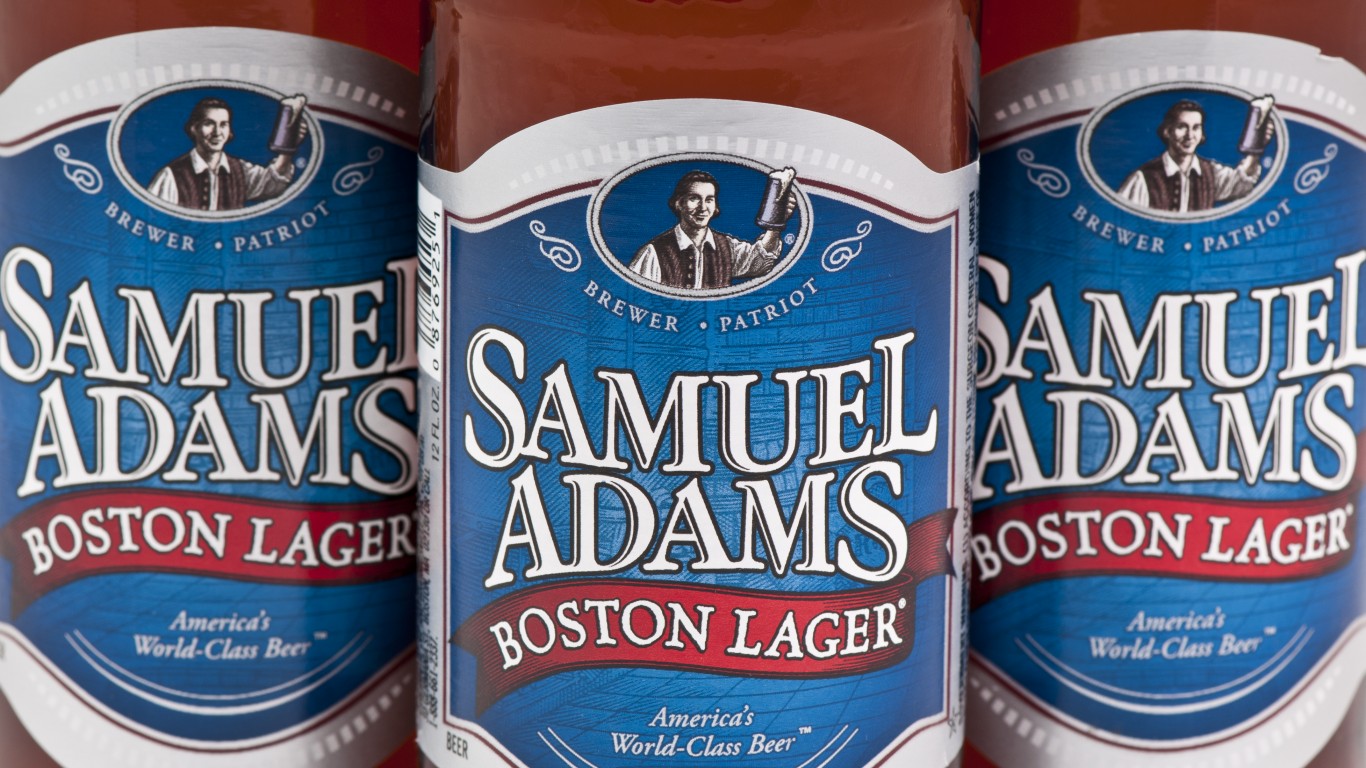
Boston Beer (NYSE: SAM | SAM Price Prediction) or Molson Coors Brewing (NYSE: TAP)—which one belongs in a retirement portfolio right now? The two have taken sharply divergent paths in 2026. Boston Beer is up 17.8% year-to-date while Molson Coors…

Boston Beer (NYSE: SAM | SAM Price Prediction) or Molson Coors Brewing (NYSE: TAP)—which one belongs in a retirement portfolio right now? The two have taken sharply divergent paths in 2026. Boston Beer is up 17.8% year-to-date while Molson Coors has shed 7.0%. That gap reflects a fundamental difference in trajectory that retirement investors need to understand before reaching for the higher yield.
Growth Trajectory
Both companies are fighting volume declines in a soft beer market, but the similarity ends there. Boston Beer’s FY2025 operating income surged 90.7% year-over-year to $144.9 million, and net income rose 81.71% to $108.5 million, all while revenue slipped only 2.38%. Gross margin expanded meaningfully across every quarter of 2025, reaching 48.3% in Q1, 49.8% in Q2, and 50.8% in Q3. The engine behind this is a genuine innovation push: Sun Cruiser is gaining traction as a premium vodka lemonade, and Sinless Vodka Cocktails is expanding into 34 markets in 2026. Boston Beer’s FY2026 guidance targets gross margin of 48% to 50%. That is a durable structural improvement.
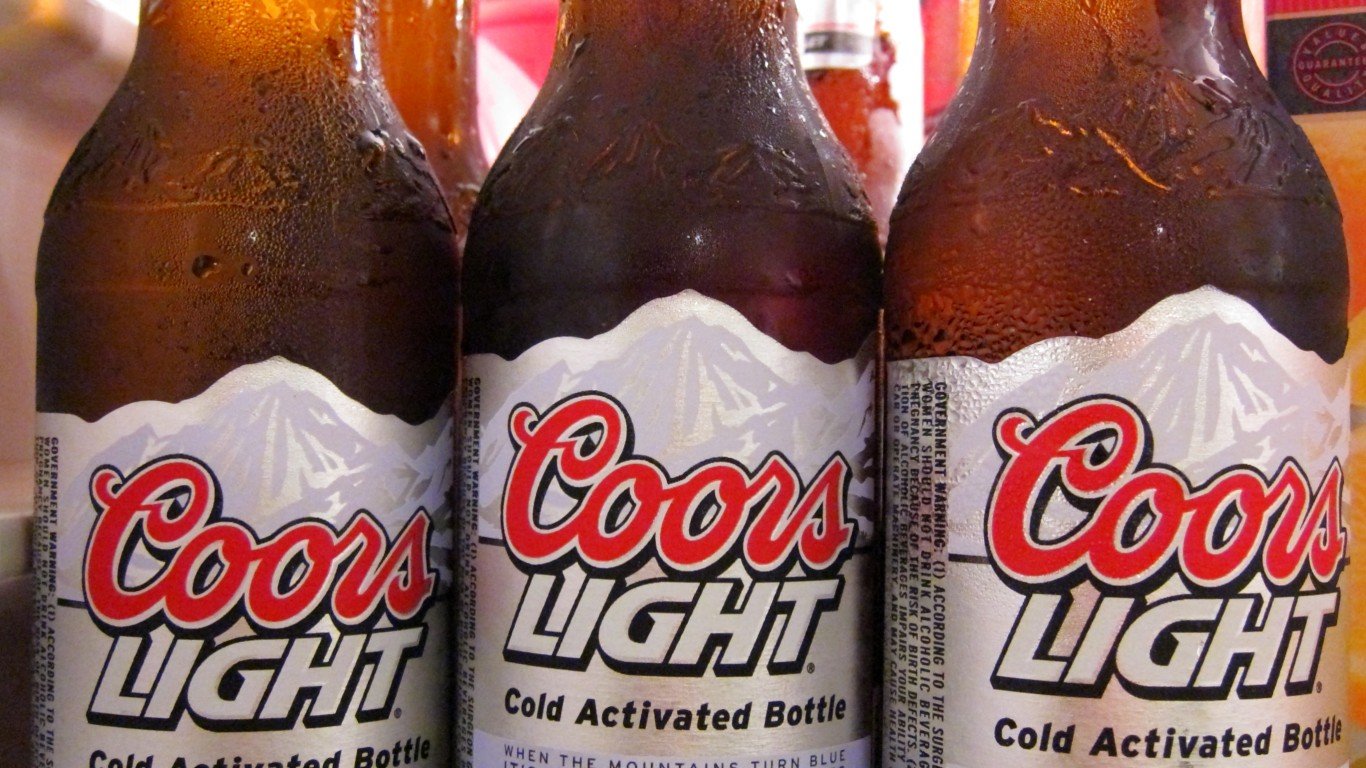
Molson Coors tells a different story. FY2025 revenue fell 4.18%, gross profit dropped 5.71%, and the company absorbed a $3.65 billion goodwill impairment on its Americas unit. Management’s primary growth lever for 2026 is a three-year cost savings program targeting up to $450 million, a purely defensive posture. FY2026 underlying EPS is guided to decline 11% to 15%. Coors Light and Miller Lite are mature, declining brands in a category losing share to spirits and ready-to-drink alternatives. Boston Beer is at least competing in those emerging formats.
Yield and Income
This is where Molson Coors makes its case. It pays a quarterly dividend of $0.48 per share, annualizing to roughly $1.92, for a yield near 4.4% at current prices. The dividend has grown consistently from $0.38 per quarter in 2022 to $0.48 in Q1 2026. That is a five-year growth streak that income investors will notice. Boston Beer pays no dividend, returning cash exclusively through buybacks: $199.2 million repurchased in FY2025 with $214.7 million remaining on its authorization. Buybacks compound value over time, while income-focused retirees typically require cash distributions to fund living expenses. Molson Coors wins this dimension clearly.
The critical question is sustainability. With underlying EPS declining by double-digit percentages in 2026 and net debt to underlying EBITDA at 2.28x, the dividend remains supported near term. Free cash flow is guided at approximately $1.1 billion, but the payout ratio is tightening as earnings compress.
Long-Term Track Record
Without the dividend, Molson Coors’s long-term price record is damaging. The stock has lost 54.5% over the past 10 years and is down 28.8% over the past year alone to near its 52-week low of $41.39. Even accounting for dividends collected over a decade, total return has been deeply disappointing. Boston Beer’s 10-year price return is +24.6%, admittedly unimpressive in absolute terms, but far superior to the destruction of capital at Molson Coors. Boston Beer trades at 22.67x trailing earnings, versus a forward P/E of 8.63x for Molson Coors. The valuation gap is real, but TAP’s discount reflects deteriorating fundamentals rather than any hidden value.
The Verdict
Retirement investors seeking current income who are willing to accept flat-to-declining capital value may find Molson Coors’s 4.4% yield adequate, provided they monitor the payout ratio closely as 2026 earnings erode. But any investor who needs their capital to grow, or who wants a portfolio holding that can compound over the next decade, should own Boston Beer. The margin expansion story is real, the innovation pipeline is generating early wins, and management is deploying cash with discipline. Molson Coors is surviving. Boston Beer is building. For most retirement portfolios, building wins.
Contact [email protected] for any questions or corrections.
Trey has been an editor and author at 24/7 Wall St. for more than a decade, where he has published thousands of articles analyzing corporate earnings, dividend stocks, short interest, insider buying, private equity, and market trends. His comprehensive coverage spans the full spectrum of financial markets, from blue-chip stalwarts to emerging growth companies.
Beyond 24/7 Wall St., Trey has created and edited financial content for Benzinga and AOL's BloggingStocks, contributing additional hundreds of articles to the investment community.
Trey's editorial expertise extends across multiple publishing environments. He served as production editor at Dearborn Financial Publishing and development editor at Kaplan, where he helped shape financial education materials. Earlier in his career, he worked as a writer-producer at SVE. His freelance editing portfolio includes work for prestigious clients such as Sage Publications, Rand McNally, the Institute for Supply Management, the American Library Association, Eggplant Literary Productions, and Spiegel.
Outside of financial journalism, Trey writes fiction and has been an active member of the writing community for years, moderating workshop sessions at regional conventions.