





VanEck Pharmaceutical ETF (NYSEARCA:PPH) exists to give investors broad exposure to the global pharmaceutical industry without the binary risk of betting on a single drug pipeline. Right now, that diversification is being tested by two forces pulling in opposite directions: sweeping U.S. drug pricing policy and a dangerous level of concentration in one stock.
The fund is down nearly 8% over the past month, even as its one-year return sits at 15%. That pullback reflects real pressure on the sector, not just noise.
The Policy Risk That Could Reprice the Entire Sector
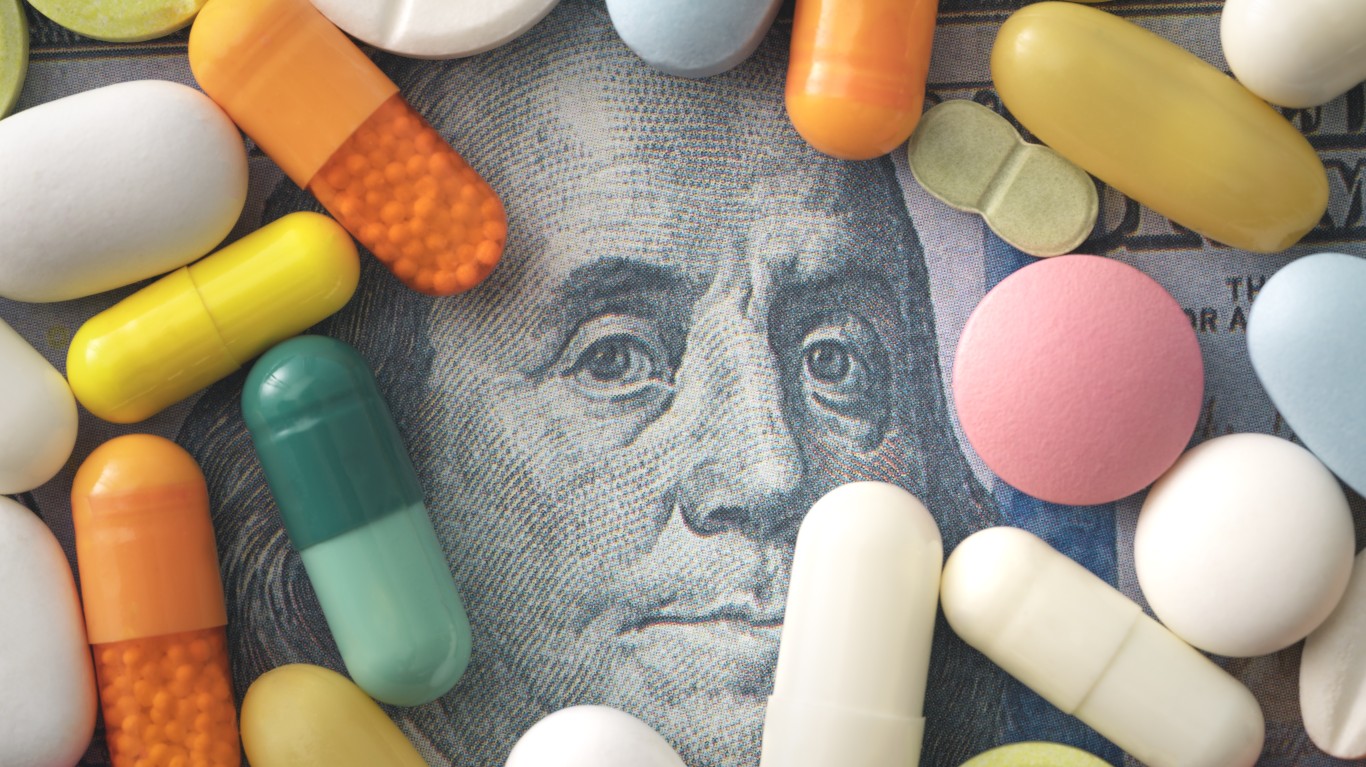
The single biggest macro factor for PPH over the next 12 months is U.S. drug pricing policy, specifically the Trump administration’s “most favored nation” pricing program. Under deals already struck, Eli Lilly and Novo Nordisk agreed to significant price discounts on weight loss drugs in exchange for three-year tariff relief and FDA priority review vouchers. The structure looks reciprocal, but it sets a precedent: Washington is now actively negotiating drug prices directly with manufacturers.
If that framework expands to cover more drug classes or more companies in this portfolio, revenue forecasts across the sector would need to be revised downward. Pharma companies price their drugs to recoup enormous R&D costs, and any compression of that pricing power flows directly into earnings. Merck, Pfizer, Bristol-Myers Squibb, and Johnson & Johnson all sit in this portfolio and all face potential exposure to future pricing negotiations.
The place to track this is the White House Office of Management and Budget and the Centers for Medicare & Medicaid Services, which publish any formal rulemaking around drug reimbursement. Congressional Budget Office scoring of related legislation provides early signals on how broadly any pricing changes might apply. Changes here tend to move the entire sector at once, which means PPH would feel it broadly rather than in just one or two holdings.
When the Inflation Reduction Act passed in 2022 and introduced Medicare drug price negotiation for the first time, large-cap pharma stocks sold off across the board before stabilizing once the scope of the program became clear. A similar clarification or expansion of the current pricing framework could produce a comparable pattern.
One Stock Is Carrying Too Much Weight
The micro factor that deserves the most attention is the fund’s concentration in Eli Lilly. At 17.91% of the portfolio, it is by far the largest single position. The next two holdings, Novartis at 11.23% and Merck at 9.75%, are meaningful but not dominant in the same way.
Eli Lilly is down more than 16% year-to-date and has fallen nearly 14% in just the past month. That slide is a primary reason PPH has underperformed recently despite the fund holding 26 positions. When one stock controls nearly a fifth of the portfolio, its bad months become the fund’s bad months.
The story behind Lilly’s decline is tied to the same GLP-1 drug class that made it a market darling. Oral GLP-1 obesity medications from both Novo Nordisk and Eli Lilly are expected to launch in 2026, which should expand the addressable market. But competitive pressure is building simultaneously: Novo Nordisk’s semaglutide patent expired in India in March 2026, opening the door for generic versions at steep discounts. Pricing pressure in emerging markets today has a way of becoming pricing pressure in developed markets tomorrow.
VanEck publishes quarterly holdings updates on the fund’s issuer page, where Lilly’s weighting will shift through index rebalancing. A reduction in that concentration would reduce the fund’s single-stock risk. An increase would amplify it.
What to Watch Over the Next 12 Months
If the White House’s drug pricing program expands beyond GLP-1 deals into broader Medicare negotiations, expect sector-wide pressure on PPH’s largest holdings simultaneously. And if Eli Lilly does not recover its footing on the GLP-1 competitive landscape, the fund’s nearly 18% concentration in one name means that story will define a large portion of PPH’s returns regardless of how the other 25 positions perform.
Contact [email protected] for any questions or corrections.









 Top Gaining Stocks
 Top Losing Stocks